Telephone: 0800 494 7479

Why Do You Need A Landscaping Scheme?

What is a Landscaping Scheme?

Landscaping schemes are an important part of any planning application or development project. Do you need a landscaping scheme?

Often requested by the local authorities, landscaping schemes contain an overview of a project from start to finish. This makes it perfect for using to oversee a tender or managing an alternative contractor throughout the installation. It provides you with guidelines and recommendations for a high quality landscape.

As horticultural specialists, we work closely with you and your client to ensure that the design fulfills and exceed all requirements and expectations. By giving you all of the details needed to make the project run smoothly, we can help make the landscaping or development process as pain-free as possible.
need a landscaping scheme

Our landscaping scheme packs include:
  • Site brief including photographs of the existing site and details of any existing landscaping features;
  • Concept description and design aims;
  • Tree survey, if required, providing details of any trees located on and around the property and recommendations for the management of these;
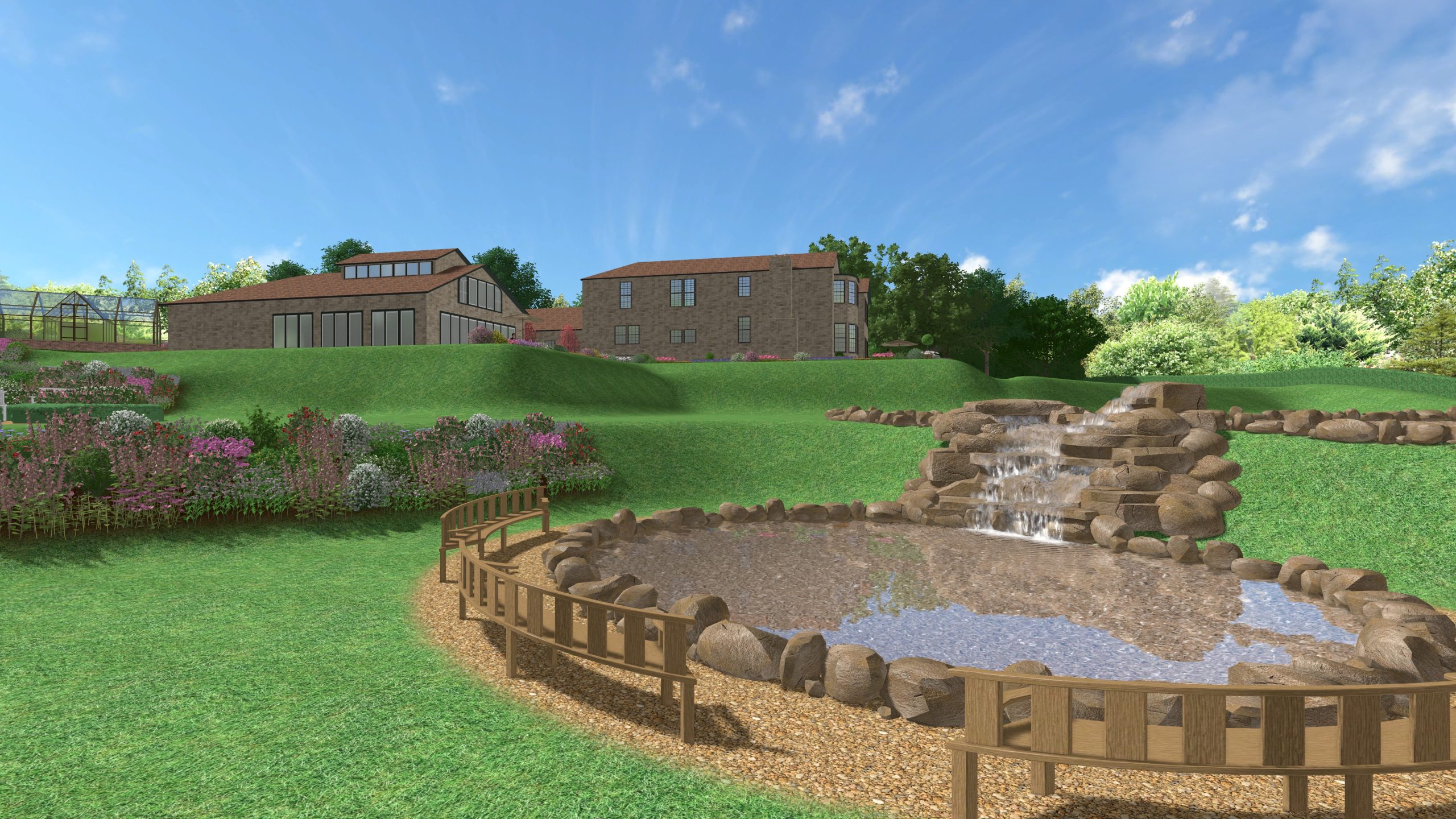
  • 3D landscape visualisation;
  • Landscape plan;
  • Planting plan including plant key;
  • Dimensions plan;
  • Materials and construction plan;
  • Complimentary proposal for the completion of the work.

As well as the full pack, we can also provide you with individual tree surveys, planting plans, materials plans or a detailed 3D landscape visualisation depending upon the project requirements.

If you need a landscaping scheme or would like to find out more, please get in touch or why not visit our Landscaping Schemes page for details on Pricing?


We are now BALI accredited!

We are pleased to announce that we are now BALI accredited!

What is BALI?

The British Association of Landscape Industries is established to promote, support and inspire all professional landscapers, garden designers and landscape suppliers to be leaders of an environmentally, ethically and commercially sustainable landscape industry.

BALI is the leading Trade Association for the nation’s landscape professionals and delivers exceptional business, technical and promotional support to their

They have over 900 professional landscapers, landscape contractors, grounds maintenance contractors, interior landscapers, gardeners and garden designers listed as active members who have been fully vetted and approved members.

Their members have specialist skills in tree work, disabled gardens, garden design, gardening, fencing, hard landscaping, soft landscaping, turf and lawn care, artificial turf, trees and shrubs, hydroseeding, interiorscapes, drainage, groundworks, roof gardens and sports grounds and maintenance to name a few.

(Taken from the BALI website)

What this means to you

By Prohort having this Accreditation, it gives our customers peace of mind that they are using a reliable company to complete their technical horticultural documents.  To become a member, you have to sign up to their Code of Conduct, which is a pledge to carry out our business to the very highest industry standard. We invest money in training our staff and adhere to all health and safety regulations. By choosing us to complete your work, you can be assured of professional excellence, value for money and outstanding customer service. Please follow this link to see our profile on the BALI website: https://www.bali.org.uk/members/directory/blue-iris-landscapes-ltd-126856/

Contact Us

If you would like to have your grounds designed by a BALI Accredited company, please get in touch with us.

Creating a Landscaping Scheme in Derbyshire

Landscaping schemeA landscaping company contacted us to put together a comprehensive landscaping scheme in Derbyshire, for the grounds of a property that they had been instructed to landscape.
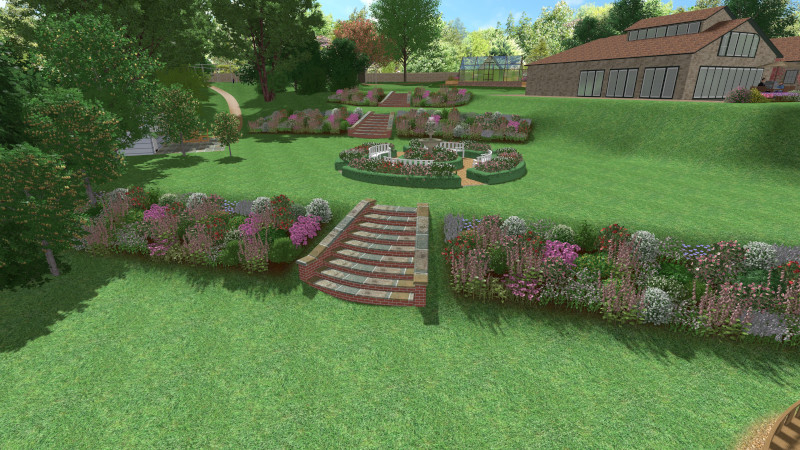
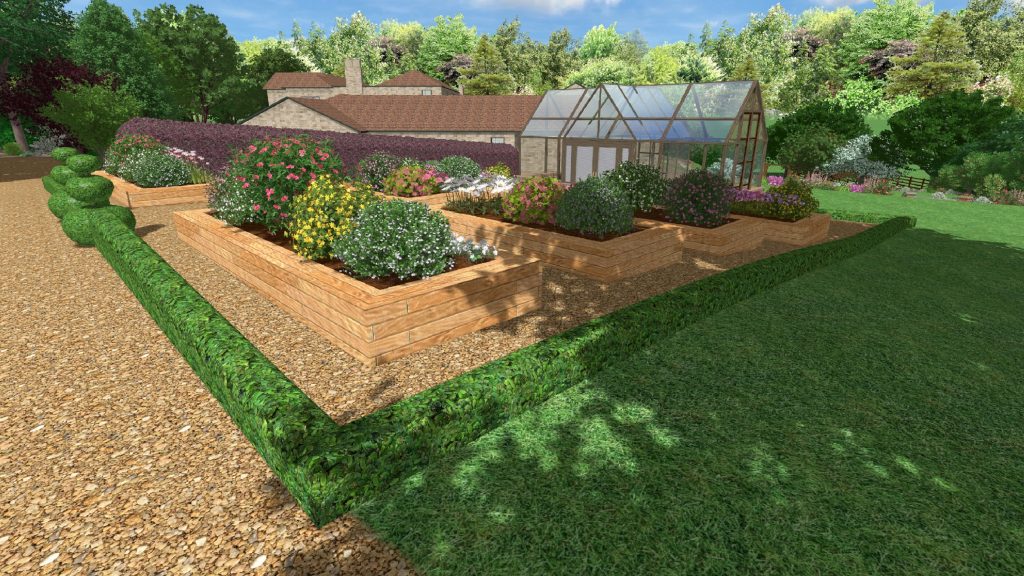
The company were looking for an overview of what would be required for the landscaping of the works. This included the existing features that would need to be considered when landscaping, a 3D landscape plan, planting plan and material and construction plan to give recommendations for the construction of the various elements. There were also a number of trees on the site which required a tree survey. This was to address whether they would remain on site or be removed.

Landscaping Scheme Process

When the landscaping company initially contacted ProHort, a site visit was organised with our Specialist Consultant. At this site visit an in-depth discussion was held between our Consultant, their Director and the landscaping company’s client to ensure we fully understood all the requirements.

Landscaping Scheme in Derbyshire

Their client had done a lot of research before coming to them, so they had plenty of ideas and detail to influence the design of the landscaping scheme. As such we were provided with a topographical survey of the site, assisting in the 3D landscape plan and ensuring accuracy in all of our plans. Topographical surveys can also be a useful addition to a planning application. As they outline the levels of the site and identify any issues that may come up when landscaping or constructing on the site.

Following the site survey our specialist consultant worked closely with our client manager to begin the process of creating the 3D Landscape Design – we offer the option of either a Landscape plan and a 3D landscape design. All the specifications, measurements and ideas gathered from the initial site visit were input into the landscape design and corresponding plans to ensure that the requirements of the project were met.

Once this was completed, the landscaping company and their client were invited into our offices for a meeting. During this meeting, the initial design was discussed in depth with our client manager and specialist consultant with a preview of the 3D Landscape Design given. This allowed the client to take a virtual walk around the design and make any amendments before the 3D Landscape Design is finalised.

Landscaping Scheme in Derbyshire

Full Landscaping Scheme Pack

Now that the design was confirmed, the full Landscaping Scheme was compiled. Included in the scheme were:

Landscaping Scheme in Derbyshire

Once the landscaping scheme in Derbyshire was completed, an electronic PDF file and a hard copy was sent over to our client, the landscaping company. They were then able to pass this information onto their client and use the documentation to assist them in completing the landscaping.

It was a delight to work on this landscaping plan and bring all the ideas of their client together to provide the visual representation and detailed plan for the local landscaping company.

Contact us!

Find out more about our landscaping schemes or get in touch to chat to our client managers.

If you require are looking to have a landscaping scheme in Derbyshire, then ProHort Ltd is the company for you! Our professional and experienced team will be happy to assist.

Japanese Knotweed Damages Allowed Where Use of Land Affected

Landowners including local authorities and other public bodies may be at risk of nuisance claims following the recent ruling of the Court of Appeal in Network Rail Infrastructure Ltd v (1) Williams (2) Waistell [2018] EWCA (England Wales Court of Appeal) Civ 1514. This case concerned the liability in nuisance of a landowner where Network Rail had allowed Japanese knotweed to grow in close proximity to its neighbours’ land. This is the case even though no actual damage was caused.

The Court of Appeal found in favour of two homeowners who had sued Network Rail after knotweed from a railway embankment had spread to their properties.

The Court of Appeal went to great lengths to state that the presence of Japanese knotweed was not actionable under a nuisance claim because it had diminished the market value of the respondent’s properties. The decision means that those claiming nuisance will need to demonstrate that the nearby presence of Japanese knotweed interferes with their use and enjoyment of the land.

Japanese Knotweed

However, in practice, the presence of Japanese knotweed is always likely to interfere with a property owner’s use of enjoyment of the land. Furthermore, the presence of the Rhizomes, despite not causing any physical damage, was noted by the judge as being a “natural hazard”. The Judge said. “They affect the owner’s ability fully to use and enjoy the land.”

What Is Japanese Knotweed?

Japanese knotweed, which was described by the court as a “pernicious weed”, is a fast-growing plant which is difficult to eradicate and spreads rapidly through an extensive network of underground roots, stems or rhizomes. While the plant itself can quickly grow to a height of over two metres, the roots can extend up to seven meters horizontally and three metres vertically, affecting buildings and construction works.

Because of the potential ramifications of Japanese knotweed on the property, the Council of Mortgage Lenders (CML) has published a policy stating that it might affect the valuation of the property and might be an issue for customers whose property is affected but who cannot afford the treatment costs. The policy requires the valuers who inspect property for mortgage purposes to report on the presence of knotweed within seven meters of the property to lenders, so that they can take account of it as part of the valuation process.

Sir Terence Etherton, giving the judgment of the Court of Appeal, described a claim of private nuisance as one based on “a violation for real property rights”. This violation need not necessarily take the form of physical damage to property; however, it could not consist of merely pure economic loss.

In view of the above, to minimise risk of liability landowners and public bodies should take steps to identify if any Japanese knotweed is present on their land and then take steps to eradicate it.

Contact Us

If you have issues with Japanese knotweed then please contact us today…

Subsidence Reports: Avoid That Sinking Feeling

What Causes Subsidence?

Subsidence happens when the ground under your house collapses or sinks lower. When this occurs it puts a significant amount of strain on your home if one side sinks and cracks can begin to appear. There are several reasons why this might happen to your house, this includes geological, man-made and seasonal variations. For example, periods of drought can cause the soil to dry out, especially if the soil is made of clay, making the ground unstable. Other reasons for subsidence include trees and shrubs close to your foundations or drains that are leaking water causing the soil to become soft and begin to compact under the weight of your home.

What are the signs of subsidence?

Cracks can appear in your home for several reasons such as natural shrinkage and swelling due to temperature and humidity changes. Cracks that indicate subsidence are usually more than 3mm thick and wider at the top than the bottom. They are often found close to doors and windows, and you may notice other signs such as wallpaper crinkling at wall joins, doors sticking and cracks to your extension.

subsidence reports

Can I prevent subsidence?

Minimising the risk of subsidence is, indeed, possible, particularly if your house is at risk. For example, plant trees or shrubs a safe distance from your home to avoid the soil around it becoming too dry. It is also advisable to undertake regular maintenance on external guttering, pipes and plumbing and install a water butt in your garden to catch rainwater.

What are subsidence reports?

Subsidence reports will give you a risk rating, which is an overall opinion of your property’s level of subsidence risk, from low to very high. They then go into further detail, giving an in-depth explanation as to why your property has been given its risk rating. We will also make suggestions for actions that could be taken to reduce the risk.

We also provide detailed subsidence information, which is essentially an in-depth explanation of subsidence and its main causes, alongside other lesser-known factors. This can help to home buyers to make more informed decisions about the property they are considering buying.

Finally, subsidence reports details information about remedial works that would be legally acceptable to have carried out.

Find out more about how we can help you with Subsidence reports by visiting our web page.

If you suspect your property may be experiencing subsidence, then get in touch. We can advise you on the best courses of action going forward and whether home insurance providers should be contacted. We also work with insurance companies, solicitors, surveyors, and local adjusters to ensure the right result is achieved for you.

Expert Witness – What Are They?

Expert Witness ReportsAn expert witness is a person with an in-depth knowledge of their field, and the primary function of an expert witness is to give an independent option, based on their own impartial findings. The information can be delivered in several different ways, including a report, or verbally in court.

There are countless numbers of reasons why an expert witness may be needed but, in the field of horticulture, the most common involve disputes between two parties over the following topics:

  • Japanese knotweed, and other non-native invasive species. For this, a specific report that is Part 35 compliant is often required.
  • Subsidence caused by trees, hedgerows, or other significant vegetation.
  • Damage caused by trees, including fires, decay, and damage as a result of extreme weather.


How can we help?

ProHort has an in-house expert witness, capable of working on a wide range of cases within the fields of horticulture, arboriculture and invasive weeds. We have over twenty years’ experience in the industry, can produce a Part 35 compliant report and are happy to appear in court when required.

In addition to this, we are listed on the UK Register of Expert Witnesses, so you can be certain that you are in safe hands.

If you are in the middle of a dispute and need some advice from an expert, why not get in touch and we will be happy to assist. Alternatively check out our Expert Witness page to find out more.

What Is a Soil Analysis, And Why Would I Need One?

Soil AnalysisYou may be surprised to hear this, but soil is very important. The composition on site can drastically impact upon the progress of a development, and the cost of completing it. Find out more about soil analysis down below…
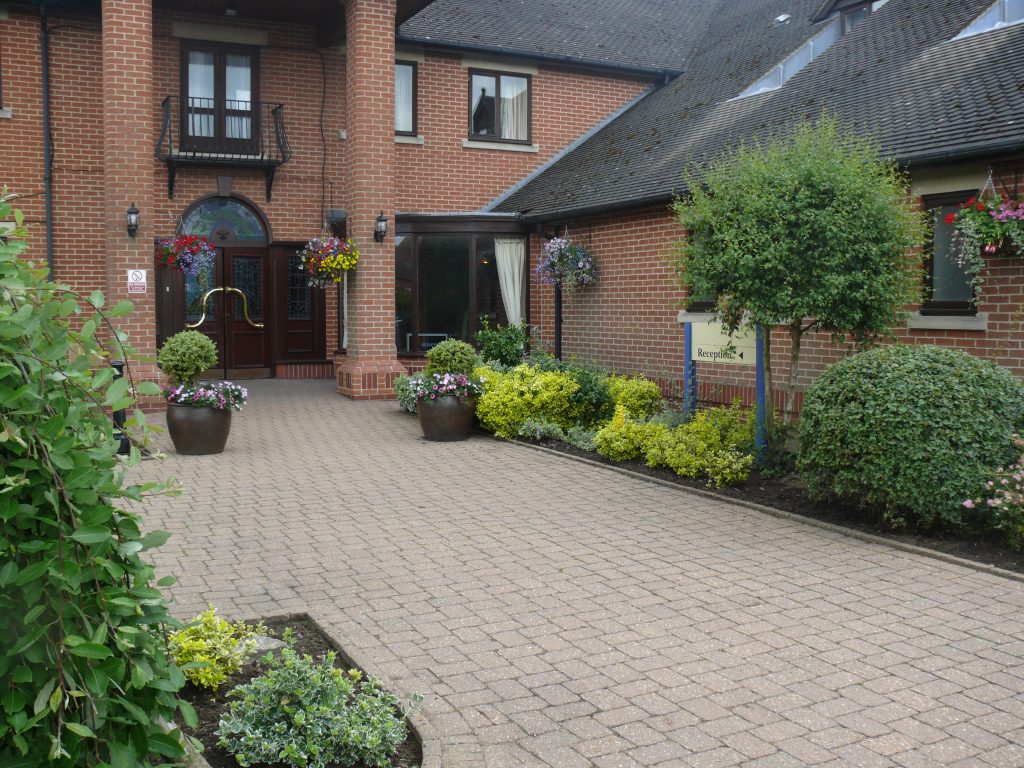
In many cases, a soil test and analysis may be required, which can be an essential part of the development process. If the land has already been identified as being contaminated, then the importance of obtaining a Soil Analysis Report increases as you will require additional considerations from your local planning authority.


But, what is a soil analysis?

A soil analysis is a test which is carried out on the soil to discover many details, including acidity, composition, content and pH levels. The complexity of the test altered to suit your individual requirements, we can test for a single nutrient, or we can test the full spectrum including any organic matter, nitrogen levels, and any heavy metals within the soil.

To conduct an analysis, our surveyor will attend the site and take a number of samples from different locations across the site. This is then tested, giving us an average of the soil composition across the site.


Why would I need a soil analysis?

If you are undertaking any sort of project, then a soil analysis can be useful for you. If you are developing on a site, then the analysis will help you to identify the type of soil you are building upon, highlighting any potential problems before they arise.

If you need to remove soil from a site and taking it to a waste disposal facility, it is likely that they will request a soil analysis before taking the waste, as they may be required to charge you a hefty landfill tax. By having a soil analysis completed well in advance, you will be aware of the issues and be able to budget for it in advance.

Another situation where a soil analysis can be a vital tool is on a site where a large amount of planting is going to take place. The analysis will determine the different nutrients and chemicals in the soil, and this information can help you to make an informed decision on which plants to select, ensuring that they can thrive in the environment.

Find out more information about soil analysis on our Soil Analysis page, or get in touch to discuss your requirements.

Advantages of a 3D Landscape Design

Landscape Design

What is a 3D Landscape Design?

If you are undertaking a project that doesn’t require planning permission, then you may not have had any drawings completed. If this is the case, then you may be struggling to visualise what the completed project will look like, this is where a 3D Landscape Design can help.

A 3D Landscape Design is a computer-aided design which is created by one of our landscape design consultants. The first step in the process is to arrange a site visit, in which our consultant will attend your property, taking measurements and discussing ideas.

Following this, our consultant will get to work on creating your design. We will arrange a second meeting in which you will be invited to our office to view the design. You will take a virtual walk through the completed project, and make any required amendments right there in the consultation.

Once you are happy with the design, we will create both a digital and a hard copy pack for you, containing multiple images of the design from a range of different angles.


The Advantages of a 3D Landscape Design

3D Landscape Design are great for a number of reasons:

  • They put the project down on paper, ensuring everyone involved is agreed on the finished product;
  • The 3D Landscape Design can be handed over to tradespeople to follow, ensuring their construction matches your expectations;
  • They can be offered to clients as an extension of your own 2D drawings.

Check out our 3D Landscape Design page for more information, or get in touch now!

The Power of Plants – Planting Plans

Planting plans

First impressions count, and gardens or grounds are often the first thing a customer or visitor sees.  More than this, carefully cultivated green spaces create inspiring environments. The right layout, coupled with the right plants, can create a positive atmosphere. It’s worthwhile investing your time into these areas to hit the right notes for your business.

What are planting plans?

At their basic level, Planting plans are a top-down plan of your project. They show all areas that will be planted in and the types of plants that will be used. This is useful for projects both large and small as they can help to visualise how a space will be used including how many plants should be used and their height and size. Planting Plans also allow you to build a theme or mood. Gardens are multisensory experiences and using different plants, textures, and colours can enhance our experiences and perceptions.

Furthermore, local authorities are increasingly requesting that Planting Plans be included in a planning application. To read more about Planting Plans, click here.

Why choose ProHort?

We know how important it is that your outdoor spaces reflect your business and at ProHort we have the expert knowledge to make your vision become reality. All of our designs are bespoke to each individual client and we work closely with them to fully understand their needs and preferences.

For more information about Planting Plans, or any other of our services, please contact us.