(HAP) Habitat Action Plan in Leicestershire

Habitat Action Plan (HAP) in Leicestershire

How will habitat commitments be delivered across your Leicestershire site?

Our Habitat Action Plans. We set out clear, practical measures to manage and enhance habitats over the lifetime of the development.

Fast, Clear, Planning-Ready Support

Fast response 

Calls answered in 2 rings, emails replied to within the hour.

Free expert advice

Clear guidance before you commit.

Cost-effective

Working in partnership with clients to ensure planning approval first time

Typical 10-day turnaround

Industry Leading Standard

Expert Team

We stay with you from first call through to submission. 

Do you need a Habitat Action Plan in Leicestershire?

If your Leicestershire development affects existing habitats, creates new ones, or relies on habitat enhancement to support planning approval, a Habitat Action Plan may be required.

Habitat Action Plans are commonly requested where planning permission depends on demonstrable habitat improvement, not just survey evidence. They are used to show how habitats will be created, restored or enhanced, how success will be measured, and how outcomes align with planning policy expectations.

In simple terms, this is the document that explains what will change on the ground, why it matters, and how it will be delivered.

Across Leicestershire, Habitat Action Plans are frequently triggered by:

  • River valleys including the Soar — riparian habitats

  • Former industrial and quarry land — mosaic habitats

  • Agricultural fringes — hedgerow networks

  • Canal corridors — linear wildlife routes

  • Settlement-edge development — semi-natural green infrastructure

These conditions elevate habitat delivery expectations.

Our Habitat Action Plans are prepared for sites across Leicestershire and surrounding areas, supporting residential, commercial and mixed-use developments.

Why Planning Authorities Request a HAP in Leicestershire

Leicestershire planning authorities use Habitat Action Plans to satisfy duties under the NERC Act 2006, Environment Act 2021 and local biodiversity policies that require tangible habitat enhancement, not just avoidance of harm.

Where habitat outcomes are unclear, applications are commonly delayed by additional conditions, requests for revised ecological strategies, or uncertainty around long-term delivery. A well-scoped HAP reduces that risk by converting policy expectation into a structured, site-specific plan planners can rely on.

Local Case Insight

A housing development adjacent to a Leicestershire settlement required clearer biodiversity delivery measures. Early submissions outlined intent but not execution. A Habitat Action Plan was prepared to define grassland and boundary habitat improvements, linked to construction phases. This resolved planning concerns and avoided additional conditions.

The Habitat Action Plan (HAP) Process

Our Habitat Action Plans in Leicestershire are structured to provide clarity for everyone involved in the project. These allow planners to assess compliance, designers to work with known constraints, and contractors to understand what must be protected or delivered on site.

Most importantly, it reduces the risk of late-stage ecological conditions being imposed without a clear delivery framework.

Key Deliverables for Leicestershire EIA Projects

All of our Habitat Action Plans in Leicestershire are tailored to the site, but typically include:

Policy-aligned habitat commitments
Clear, site-specific habitat outcomes tied directly to local planning policy and biodiversity objectives, not generic enhancement statements.

Delivery-ready habitat actions
Practical measures written so they can be implemented on site without reinterpretation, redesign or further ecological clarification.

Accountability and longevity clarity
Defined responsibilities, timescales and success measures so habitat delivery does not stall post-determination or during condition discharge.

Integration with the wider ecology package
Clean alignment with PEAs, BNG assessments, Species Action Plans or future HMMPs, ensuring documents support one another rather than conflict.

Step 1

Habitat Objectives & Priorities

Identification of which habitats matter on your site and why, aligned to local policy and planning context.

Step 2

Enhancement & Management

Realistic measures that can be delivered within the site boundary, budget and construction programme.

Step 3

Phasing and Responsibility Framework

Defined timing, delivery stages and responsibility so actions do not stall post-permission.

Step 4

Integration with Wider Ecology

Alignment with PEAs, BNG assessments, Species Action Plans or HMMPs where required.

Next Steps

Does your Leicestershire application rely on habitat enhancement to progress?

We can confirm whether a Habitat Action Plan is required and scope it proportionately from the outset.

FAQ - Habitat Action Plans in Leicestershire

Do developments on greenfield sites in Leicestershire require a Habitat Action Plan?

Often, yes. Many developments in Leicestershire take place on greenfield land, which can still support important ecological features. A Habitat Action Plan is typically required to demonstrate how habitats will be protected and enhanced.

On larger housing developments, a HAP provides a structured framework for delivering biodiversity across the site. It ensures habitat creation, green infrastructure, and long term management are clearly defined and coordinated.

Yes. A HAP should inform site design from an early stage by identifying sensitive habitats and shaping how development is arranged. This helps avoid impacts and ensures biodiversity is integrated into the scheme.

A Habitat Action Plan demonstrates that ecological impacts have been properly assessed and addressed. It provides planning authorities with confidence that biodiversity measures are achievable and enforceable.

Planning authorities in Leicestershire expect clear, site specific and measurable detail. This includes defined habitat types, management prescriptions, monitoring requirements, and realistic delivery strategies.

Are Habitat Action Plans required for smaller developments in Leicestershire?

They can be. Even smaller schemes may require a HAP where ecological features are present or where planning policy requires biodiversity enhancement.

A HAP supports Biodiversity Net Gain by outlining how habitats will be created, enhanced, and managed over time. It provides the practical delivery framework behind biodiversity calculations submitted for planning.

Typical habitats include grassland, hedgerows, woodland, ponds, wetlands, and farmland habitats. Leicestershire developments often focus on maintaining habitat connectivity across agricultural landscapes.

Yes. Local planning policies and validation requirements must be followed. Guidance can be accessed via Leicestershire County Council:
https://www.leicestershire.gov.uk/environment-and-planning/planning

A compliant HAP must align with both local and national biodiversity policy.

A HAP should be prepared early in the project lifecycle, following ecological surveys and alongside site design. Early integration ensures biodiversity measures are deliverable and reduces planning risk.

Related Services

(HAP) Habitat Action Plan in Berkshire

Habitat Action Plan (HAP) in Berkshire

How will habitat commitments be delivered across your Berkshire site?

Our Habitat Action Plans. We set out clear, practical measures to manage and enhance habitats over the lifetime of the development.

Fast, Clear, Planning-Ready Support

Fast response 

Calls answered in 2 rings, emails replied to within the hour.

Free expert advice

Clear guidance before you commit.

Cost-effective

Working in partnership with clients to ensure planning approval first time

Typical 10-day turnaround

Industry Leading Standard

Expert Team

We stay with you from first call through to submission. 

Do you need a Habitat Action Plan in Berkshire?

If your Berkshire development affects existing habitats, creates new ones, or relies on habitat enhancement to support planning approval, a Habitat Action Plan may be required.

Habitat Action Plans are commonly requested where planning permission depends on demonstrable habitat improvement, not just survey evidence. They are used to show how habitats will be created, restored or enhanced, how success will be measured, and how outcomes align with planning policy expectations.

In simple terms, this is the document that explains what will change on the ground, why it matters, and how it will be delivered.

Across Berkshire, Habitat Action Plans are often required where:

  • River Thames corridor — riparian habitats

  • Agricultural fringes — hedgerow and ditch networks

  • Former mineral extraction sites — restoration habitats

  • Settlement-edge development near green belt — semi-natural habitats

  • Historic village edges — retained green infrastructure

These are the situations where clear habitat strategies are expected.

Our Habitat Action Plans are prepared for sites across Berkshire and surrounding areas, supporting residential, commercial and mixed-use developments.

Why Planning Authorities Request a HAP in Berkshire

Berkshire planning authorities use Habitat Action Plans to satisfy duties under the NERC Act 2006, Environment Act 2021 and local biodiversity policies that require tangible habitat enhancement, not just avoidance of harm.

Where habitat outcomes are unclear, applications are commonly delayed by additional conditions, requests for revised ecological strategies, or uncertainty around long-term delivery. A well-scoped HAP reduces that risk by converting policy expectation into a structured, site-specific plan planners can rely on.

Local Case Insight

A residential scheme on the fringe of a Berkshire settlement prompted requests for clearer biodiversity mitigation. Initial references to enhancement lacked detail. A Habitat Action Plan set out specific grassland and boundary habitat measures with measurable outcomes. The council accepted the plan, enabling timely determination.

The Habitat Action Plan (HAP) Process

Our Habitat Action Plans in Berkshire are structured to provide clarity for everyone involved in the project. These allow planners to assess compliance, designers to work with known constraints, and contractors to understand what must be protected or delivered on site.

Most importantly, it reduces the risk of late-stage ecological conditions being imposed without a clear delivery framework.

Key Deliverables for Berkshire EIA Projects

All of our Habitat Action Plans in Berkshire are tailored to the site, but typically include:

Policy-aligned habitat commitments
Clear, site-specific habitat outcomes tied directly to local planning policy and biodiversity objectives, not generic enhancement statements.

Delivery-ready habitat actions
Practical measures written so they can be implemented on site without reinterpretation, redesign or further ecological clarification.

Accountability and longevity clarity
Defined responsibilities, timescales and success measures so habitat delivery does not stall post-determination or during condition discharge.

Integration with the wider ecology package
Clean alignment with PEAs, BNG assessments, Species Action Plans or future HMMPs, ensuring documents support one another rather than conflict.

Step 1

Habitat Objectives & Priorities

Identification of which habitats matter on your site and why, aligned to local policy and planning context.

Step 2

Enhancement & Management

Realistic measures that can be delivered within the site boundary, budget and construction programme.

Step 3

Phasing and Responsibility Framework

Defined timing, delivery stages and responsibility so actions do not stall post-permission.

Step 4

Integration with Wider Ecology

Alignment with PEAs, BNG assessments, Species Action Plans or HMMPs where required.

Next Steps

Does your Berkshire application rely on habitat enhancement to progress?

We can confirm whether a Habitat Action Plan is required and scope it proportionately from the outset.

FAQ - Habitat Action Plans in Berkshire

Do developments near the River Thames in Berkshire require a Habitat Action Plan?

Often, yes. The River Thames corridor is ecologically sensitive and subject to planning constraints. A Habitat Action Plan is typically required where development may affect river habitats, floodplain areas, or associated ecological networks.

In Berkshire, many developments involve high value housing and sensitive landscapes. A HAP ensures ecological features are retained and enhanced while integrating biodiversity into high quality site design.

Yes. A Habitat Action Plan helps shape landscaping strategies by identifying habitat opportunities early and ensuring planting and green infrastructure deliver measurable biodiversity benefits.

A Habitat Action Plan provides a structured approach to managing ecological impacts and delivering biodiversity improvements. It demonstrates that environmental considerations have been properly addressed.

Planning authorities in Berkshire expect detailed, site specific and measurable information. This includes habitat condition assessments, management prescriptions, monitoring requirements, and defined outcomes.

Are Habitat Action Plans required for smaller developments in Berkshire?

They can be. Even smaller schemes may require a HAP where habitats are present or where planning policy requires biodiversity enhancement, particularly in constrained or sensitive locations.

A HAP supports Biodiversity Net Gain by outlining how habitats will be created, enhanced, and managed over time. It provides the delivery framework behind biodiversity calculations submitted for planning.

Typical habitats include grassland, woodland, hedgerows, ponds, wetlands, and river corridors. Berkshire developments often require careful integration of habitats within suburban and rural settings.

Yes. Local planning policies and validation requirements must be followed. Guidance can be accessed via West Berkshire Council and Reading Borough Council:
https://www.westberks.gov.uk/planning
https://www.reading.gov.uk/planning

A compliant HAP must align with both local and national biodiversity policy.

A HAP should be prepared early in the project lifecycle, following ecological surveys and alongside site design. Early integration ensures biodiversity measures are deliverable and reduces planning risk.

Related Services

(HAP) Habitat Action Plan in Buckinghamshire

Habitat Action Plan (HAP) in Buckinghamshire

How will habitat commitments be delivered across your Buckinghamshire site?

Our Habitat Action Plans. We set out clear, practical measures to manage and enhance habitats over the lifetime of the development.

Fast, Clear, Planning-Ready Support

Fast response 

Calls answered in 2 rings, emails replied to within the hour.

Free expert advice

Clear guidance before you commit.

Cost-effective

Working in partnership with clients to ensure planning approval first time

Typical 10-day turnaround

Industry Leading Standard

Expert Team

We stay with you from first call through to submission. 

Do you need a Habitat Action Plan in Buckinghamshire?

If your Buckinghamshire development affects existing habitats, creates new ones, or relies on habitat enhancement to support planning approval, a Habitat Action Plan may be required.

Habitat Action Plans are commonly requested where planning permission depends on demonstrable habitat improvement, not just survey evidence. They are used to show how habitats will be created, restored or enhanced, how success will be measured, and how outcomes align with planning policy expectations.

In simple terms, this is the document that explains what will change on the ground, why it matters, and how it will be delivered.

Across Buckinghamshire, Habitat Action Plans are commonly triggered by:

  • River valleys such as the Thames tributaries — riparian habitats

  • Chilterns fringe landscapes — priority habitats requiring enhancement

  • Agricultural fringes — hedgerow networks

  • Former extraction land — mosaic habitats

  • Settlement-edge development — semi-natural green infrastructure

These are the contexts where LPAs expect structured habitat plans rather than generic commitments.

Our Habitat Action Plans are prepared for sites across Buckinghamshire and surrounding areas, supporting residential, commercial and mixed-use developments.

Why Planning Authorities Request a HAP in Buckinghamshire

Buckinghamshire planning authorities use Habitat Action Plans to satisfy duties under the NERC Act 2006, Environment Act 2021 and local biodiversity policies that require tangible habitat enhancement, not just avoidance of harm.

Where habitat outcomes are unclear, applications are commonly delayed by additional conditions, requests for revised ecological strategies, or uncertainty around long-term delivery. A well-scoped HAP reduces that risk by converting policy expectation into a structured, site-specific plan planners can rely on.

Local Case Insight

A housing proposal adjacent to a Buckinghamshire settlement required a more detailed biodiversity response. Early submissions lacked clarity on delivery and long-term benefit. A Habitat Action Plan defined grassland enhancement and boundary habitat creation, aligned with the construction programme. Acceptance of the plan allowed determination to proceed without delay.

The Habitat Action Plan (HAP) Process

Our Habitat Action Plans in Buckinghamshire are structured to provide clarity for everyone involved in the project. These allow planners to assess compliance, designers to work with known constraints, and contractors to understand what must be protected or delivered on site.

Most importantly, it reduces the risk of late-stage ecological conditions being imposed without a clear delivery framework.

Key Deliverables for Buckinghamshire EIA Projects

All of our Habitat Action Plans in Buckinghamshire are tailored to the site, but typically include:

Policy-aligned habitat commitments
Clear, site-specific habitat outcomes tied directly to local planning policy and biodiversity objectives, not generic enhancement statements.

Delivery-ready habitat actions
Practical measures written so they can be implemented on site without reinterpretation, redesign or further ecological clarification.

Accountability and longevity clarity
Defined responsibilities, timescales and success measures so habitat delivery does not stall post-determination or during condition discharge.

Integration with the wider ecology package
Clean alignment with PEAs, BNG assessments, Species Action Plans or future HMMPs, ensuring documents support one another rather than conflict.

Step 1

Habitat Objectives & Priorities

Identification of which habitats matter on your site and why, aligned to local policy and planning context.

Step 2

Enhancement & Management

Realistic measures that can be delivered within the site boundary, budget and construction programme.

Step 3

Phasing and Responsibility Framework

Defined timing, delivery stages and responsibility so actions do not stall post-permission.

Step 4

Integration with Wider Ecology

Alignment with PEAs, BNG assessments, Species Action Plans or HMMPs where required.

Next Steps

Does your Buckinghamshire application rely on habitat enhancement to progress?

We can confirm whether a Habitat Action Plan is required and scope it proportionately from the outset.

FAQ - Habitat Action Plans in Buckinghamshire

Do developments within the Green Belt in Buckinghamshire require a Habitat Action Plan?

Often, yes. Development within the Green Belt is subject to strict planning controls, and where habitats are affected or biodiversity enhancements are required, a Habitat Action Plan is typically needed to support planning compliance.

Parts of Buckinghamshire fall within designated landscapes including the Chilterns National Landscape. A Habitat Action Plan ensures development respects landscape character while protecting and enhancing ecological features.

Yes. A HAP should inform the design process by identifying sensitive habitats early and shaping how development is arranged, ensuring biodiversity is integrated into the scheme.

A Habitat Action Plan provides a structured approach to managing ecological impacts and delivering biodiversity improvements. It demonstrates that environmental considerations have been properly addressed.

Planning authorities expect detailed, site specific and measurable information. This includes habitat condition assessments, management prescriptions, monitoring requirements, and clearly defined outcomes.

Are Habitat Action Plans required for smaller developments in Buckinghamshire?

They can be. Even smaller developments may require a HAP where ecological features are present or where planning policy requires biodiversity enhancement, particularly in sensitive areas.

A HAP supports Biodiversity Net Gain by outlining how habitats will be created, enhanced, and managed over time. It provides the delivery framework behind biodiversity calculations submitted for planning.

Typical habitats include grassland, woodland, hedgerows, ponds, wetlands, and farmland habitats. Buckinghamshire developments often require careful management of habitat connectivity across rural landscapes.

Yes. Local planning policies and validation requirements must be followed. Guidance can be accessed via Buckinghamshire Council:
https://www.buckinghamshire.gov.uk/planning-and-building-control/

A compliant HAP must align with both local and national biodiversity policy.

A HAP should be prepared early in the project lifecycle, following ecological surveys and alongside site design. Early integration ensures biodiversity measures are deliverable and reduces planning risk.

Related Services

Landscape Visual Impact Assessment (LVIA) in Nottinghamshire

Landscape Visual Impact Assessment (LVIA) in Nottinghamshire

Planning in Nottinghamshire? An LVIA could be required first.

We support Nottinghamshire developments by delivering LVIAs that assess impacts on countryside views, settlement edges and heritage settings. Providing an LVIA early helps reduce planning delays and avoid further information requests.

Fast, Clear, Planning-Ready Support

Fast response 

Calls answered in 2 rings, emails replied to within the hour.

Free expert advice

Clear guidance before you commit.

Cost-effective

Working in partnership with clients to ensure planning approval first time

Typical 10-day turnaround

Industry Leading Standard

Expert Team

We stay with you from first call through to submission. 

Do you need a Landscape Visual Impact Assessment (LVIA) in Nottinghamshire?

A Landscape Visual Impact Assessment (LVIA) is likely to be required in Nottinghamshire where a proposed development could influence local landscape character or alter views experienced by residents or the public.

An LVIA sets out how a scheme would appear within its surroundings, how it relates to existing landscape features, the extent of any visual change, and the measures proposed to manage or reduce impacts. This evidence helps Nottinghamshire planning authorities understand the scheme’s effects on the ground and make informed decisions about its acceptability from a landscape and visual perspective.

Planning officers in Nottinghamshire frequently request LVIAs for proposals that:

  • May be visible across open land on the Trent Valley, Idle Valley, or along ridge lines near Nottingham’s urban edge

  • Introduce built form into views experienced from public rights of way, strategic footpaths and cycle routes

  • Interact with heritage assets, conservation areas or scenic gaps between settlements

  • Are located on elevated or sloping ground within Rushcliffe, Bassetlaw, Mansfield or Ashfield

  • Form part of larger schemes (e.g., renewable energy sites, significant housing or employment expansions) where cumulative visual effects are likely

Nottinghamshire planning authorities and consultees rely on LVIAs to assess both landscape character effects and visual receptor impacts.

We will support you with Landscape Visual Impact Assessments across Nottinghamshire, supporting developments in urban areas, town edges and rural landscapes.

Why Planning Authorities in Nottinghamshire Request a Landscape Visual Impact Assessment (LVIA)

Landscape and visual effects often influence planning decisions in Nottinghamshire, where development alters open landscapes, affects views from public routes or sits at the urban, rural edge. In these cases, a Landscape & Visual Impact Assessment (LVIA), prepared in line with the Landscape Institute’s GLVIA3 guidance and relevant local and national planning policy, provides clear, defensible evidence on how proposals will appear, how cumulative effects are managed and what mitigation is proposed to reduce visual impact.

Local Case Insight

A mixed-use proposal on a ridge overlooking the River Trent near Newark-on-Trent attracted requests for visual impact evidence due to potential intervisibility with the town’s conservation area and riverside footpaths. An LVIA was prepared with agreed long-distance and local viewpoints, evaluated both day and seasonal conditions. Mitigation planting and subtle layout adjustments reduced the magnitude of visual effects. Officers accepted the LVIA at validation, and the application progressed to approval without redesign.

How the Landscape Visual Impact Assessment Process Works

We deliver compliant, planning-ready LVIAs that meet Nottinghamshire’s policy standards and support your application with robust visual evidence.

Key LVIA Deliverables for Nottinghamshire Projects

Our LVIAs for Nottinghamshire developments are prepared in accordance with best practice and typically include:

  • Landscape Baseline & Character Assessment – identifying key features, local context, and sensitivities

  • Visual Impact Evaluation – mapping potential changes to views and receptor groups

  • Viewpoint Photography & Wireframes – accurate representation of key views from agreed locations

  • Mitigation Strategies – planting, screening, layout adjustments and visual buffers

  • LVIA Report – clear, structured reporting suitable for submission

Outputs are tailored to the scale and context of your Nottinghamshire site.

Step 1

Site Survey

Site is assessed to capture potential viewpoints. 

Step 2

LVIA Preparation

Desk research of the landscape study area

Step 3

Coordination stage

Collate assessments and evaluate the key components 

Step 4

Submission and support

 We respond to any LVIA queries or amendments required.

Next Steps

Ready to secure approval and start on site? We’ll confirm what your Nottinghamshire site needs and help you move forward without unnecessary delay. 

FAQ - LVIA in Nottinghamshire

When will Nottinghamshire planners ask for an LVIA?

Nottinghamshire planning authorities commonly request an LVIA where development may affect landscape character or be visible from public viewpoints, key recreational routes or sensitive edges of Nottingham and Newark-on-Trent.


Smaller housing schemes may not always need a full LVIA, but where proposals sit on elevated land, open countryside edges or bays visible from rights of way, an LVIA is often necessary.

Yes. You can prepare an LVIA after submission, but late evidence frequently leads to validation queries or requests for further information, which may delay determination.

What guidance do Nottinghamshire councils use for visual assessments?

Local authorities refer to the GLVIA standards and landscape character assessments. National context and best practice guidance is available at: https://www.gov.uk/guidance/natural-environment

LVIAs often involve agreed viewpoints with accurate photography and wireframes, which may be presented as photomontages depending on the proposal and receptor groups.

Yes. Structured visual evidence helps clarify perceived change for neighbours and stakeholders, aiding consultations and reducing ambiguity.

What guidance do Nottinghamshire councils use for visual assessments?

Local authorities refer to the GLVIA standards and landscape character assessments. National context and best practice guidance is available at: https://www.gov.uk/guidance/natural-environment

Yes. All LVIAs are prepared to GLVIA3 guidance and formatted to meet Staffordshire Local Planning Authority requirements.

Projects in Stafford, Lichfield, Cannock Chase, the Moorlands, and around the Trent and Sow river corridors often need detailed landscape and visual assessment due to higher landscape sensitivity.

Related Services

3D Landscape Design in Nottinghamshire

3D Landscape Design in Nottinghamshire

Need 3D Landscape Visuals to Strengthen Your Planning Application?

3D landscape design is particularly valuable where developments involve intricate layouts, sensitive boundaries or prominent planting and public-realm spaces. By clearly illustrating how a proposal fits within its setting, high-quality visuals help communicate design intent, support pre-application and consultation stages, and enable more informed, efficient discussions with planning officers by providing clear, realistic visual context.

Fast, Clear, Planning-Ready Support

Fast response 

Calls answered in 2 rings, emails replied to within the hour.

Free expert advice

Clear guidance before you commit.

Cost-effective

Working in partnership with clients to ensure planning approval first time

Typical 10-day turnaround

Industry Leading Standard

Expert Team

We stay with you from first call through to submission. 

Do you need a 3D Landscape Design in Nottinghamshire?

You’re likely to require 3D landscape design where proposals in Nottinghamshire involve complex layouts, sensitive visual contexts, or areas where simple 2D plans do not fully communicate how landscaping, planting and built form interact. Councils across Nottingham, Newark-on-Trent, Rushcliffe, Gedling, Mansfield and Bassetlaw often respond more efficiently when proposals include clear 3D visualisations that illustrate planting structure, boundary treatments and spatial relationships.

3D landscape design is commonly requested or recommended where development proposals involve:

  • Sites on Nottingham’s urban fringe, where housing, commercial or mixed developments interact with open green space or countryside edges

  • Proposals in Newark-on-Trent with intervisibility across the Trent floodplain or adjacent recreational routes

  • Complex public realm interfaces involving level changes, boundary conditions, multi-use spaces or strategic green infrastructure

  • Large residential estates, town extensions or masterplans requiring clear communication of landscape intent

  • Green corridors, canal edges, or riverfront developments that need realistic vegetation and topographical context

Nottinghamshire planning officers and design review panels typically find 3D visuals clarify intent, reduce ambiguity and focus consultation feedback.

We deliver planning-ready 3D landscape design services across Nottinghamshire, helping developments clearly visualise layouts, levels and planting so proposals integrate smoothly with surrounding townscapes, countryside and heritage settings.

How do 3D Landscape Designs Support Nottinghamshire Planning Approval?

In Nottinghamshire, 3D landscape visuals help planning officers and consultees clearly understand how a proposal fits within its existing landscape and built context. By illustrating planting, boundaries, open space and changes in level, these visuals support assessment against the National Planning Policy Framework (NPPF), local design guides and landscape character evidence used by Nottinghamshire authorities. Showing how the landscape will function once established, rather than only at completion, helps address neighbour and consultee concerns, supports balanced decision-making and reduces uncertainty during the planning process.
Local Case Insight

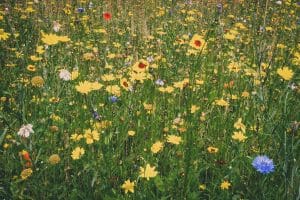
A mixed-use proposal on the southern edge of Nottingham faced concern over how open space, planting and boundary treatments would interact with new dwellings and existing public routes. A set of 3D landscape visuals was produced showing layered planting, boundary screens and pathways at varying seasons and establishment stages. Illustrations aligned to key viewpoints (including along the Trent Valley Way and local cycle routes) helped clarify design intent for officers and consultees. The visuals supported constructive feedback and enabled the submission to proceed without repeated visual information requests.

How the 3D Landscape Design Process Works

We prepare planning-ready 3D Landscape Design that align with Nottinghamshire planning policy and help secure approval through clear, policy-led design.

Key Deliverables: 3D Landscape Design for Nottinghamshire Projects

Our 3D Landscape Design supports planning and design decisions across Nottinghamshire. This typically includes:

  • Contextual modelling – Accurate representation of the site, surrounding landscape, built form and key viewpoints relevant to locations such as Nottingham, Newark-on-Trent and their rural hinterlands.

  • Proposed landscape visualisation – Clear three-dimensional views illustrating planting, open space, boundaries, levels and movement routes as the scheme will appear once established.

  • Planning-ready visuals – Proportionate, clearly presented images suitable for planning submission, pre-application discussions and stakeholder or public consultation.

This approach ensures landscape designs in Nottinghamshire communicate intent clearly, reduce uncertainty for planners and consultees, and support a smoother assessment process.

Step 1

Survey

A visit to site is reqired to discuss plans and measurements are taken

Step 2

Preparation

3D Landscape Design is created.

Step 3

Coordination stage

Meeting to discuss proposals and design

Step 4

Submission and support

 We respond to any 3D Landscape Design queries or make amendments required.

Next Steps

Ready to begin your 3D design?

We’ll confirm what your Staffordshire site needs and help you move forward. 

FAQ - 3D Landscape Design in Nottinghamshire

What guidance supports the use of 3D landscape visuals in Nottinghamshire planning?

National and local guidance encourages clear visual communication. Nottinghamshire authorities reference design guides and best-practice visualisation principles, with wider context available at:
https://www.gov.uk/guidance/natural-environment


Yes. Visuals can illustrate anticipated planting structure and maturity, helping planners assess long-term landscape integration for schemes in Nottinghamshire.


Yes. Clear 3D visuals help residents and stakeholders better understand how planting, boundaries and open spaces will look once established, supporting clearer engagement and feedback.

Do 3D landscape visuals replace traditional drawings in Nottinghamshire?

No. In Nottinghamshire, 3D visuals are used to complement plans, sections and detailed landscaping drawings, not replace them.

3D visuals are most effective when prepared early, typically at pre-application or alongside the planning submission, helping Nottinghamshire planning officers and consultees understand the proposal from the outset.

3D landscape visuals are not mandatory, but they are commonly requested or strongly recommended where proposals involve complex layouts, sensitive urban edges in Nottingham, or open landscape settings around Newark-on-Trent.

Related Services

(PEA) Preliminary Ecological Appraisal in Kent

Preliminary Ecological Appraisal (PEA) in Kent

Do you have the ecological evidence Kent planners require at validation?

We provide the baseline ecological evidence used by Kent LPAs to validate applications and confirm whether further protected species surveys are required.

Fast, Clear, Planning-Ready Support

Fast response 

Calls answered in 2 rings, emails replied to within the hour.

Free expert advice

Clear guidance before you commit.

Cost-effective

Working in partnership with clients to ensure planning approval first time

Typical 10-day turnaround

Industry Leading Standard

Expert Team

We stay with you from first call through to submission. 

Do you need a Preliminary Ecological Appraisal in Kent?

Preliminary Ecological Appraisal (PEA) is typically needed for Kent projects where works involve vegetation clearance, demolition, boundary changes, ground disturbance, or features such as former industrial land, field margins, watercourses or mature trees. This includes small residential projects and larger commercial schemes. It gives the council the information they need to decide whether protected species are affected and what, if anything, must be done next.

By identifying risks early, a PEA helps clarify whether ecology could affect your project and what further surveys may be needed to keep it moving on schedule.

Across Kent, certain landscape features repeatedly lead to PEA requests during planning. These include:

  • River valleys such as the Rivers Medway, Stour and Darent
    Floodplain grazing marsh, ditches and riparian habitat frequently indicate amphibian, water vole, otter and bat potential.

  • Chalk landscapes of the North Downs and Kent Downs AONB
    Chalk grassland, scrub and woodland edges can support notable plants, reptiles and foraging bats.

  • Coastal and estuarine zones along the Thames Estuary and north Kent coast
    Intertidal habitats, grazing marsh and saline lagoons often trigger bird, wintering assemblage and designated site considerations.

  • Historic villages, farmsteads and oast houses across rural Kent
    Traditional buildings, barns and mature trees regularly present bat roosting and nesting bird constraints.

Early clarity preserves decision-making control. Late discovery transfers that control to validation officers and consultees. 

Our PEA services cover all Kent Local Planning Authorities, providing the accurate ecological information councils need to progress applications smoothly.

Why Kent Planning Authorities Request PEAs

Kent planning authorities are required to apply the Wildlife & Countryside Act 1981, the Habitats Regulations and the NERC Act 2006 when determining applications. A PEA is the primary evidence they use to confirm ecological risk has been identified proportionately. 

Without a clear PEA, applications can be held at validation, delayed by seasonal survey requirements, or receive conditions only after further ecological evidence is provided.

Local Case Insight

A replacement dwelling proposal on the outskirts of Maidstone, close to orchard remnants and mature hedgerows, was submitted with only a brief planning statement. The LPA ecology officer requested formal baseline evidence due to the mix of garden habitats, nearby woodland and known bat interest in the wider area. A PEA established that most of the site was managed garden, with higher ecological value confined to one hedgerow and an adjacent paddock. The appraisal recommended minor layout adjustments, a simple lighting strategy and a focused bat roost check before demolition. With those measures secured through conditions, the application moved forward without a second season of survey or significant delay.

What Happens During a Preliminary Ecological Appraisal?

We carry out Preliminary Ecological Appraisals (PEAs) year-round across Kent. Follow-up species surveys are seasonal; however, a PEA indicates if any are needed, allowing your project to keep moving without unnecessary delays.

Key PEA Deliverables for Kent Projects

Our PEA aligns with Kent LPA evidence expectations and provides:

  • A complete habitat baseline and ecological constraint map

  • Protected-species risk screening with clear survey guidance

  • Seasonal timing advice to keep your project on schedule

  • A planning-ready PEA report for LPA validation

The result: confident ecological decisions and a smoother planning process.

Step 1

Baseline Established

Boundary and proposed works checked against policy and planning context.

Step 2

Fieldwork

On-site ecological walkover using DEFRA-aligned UKHab methods.

Step 3

Seasonal Survey Roadmap

Bat, bird, reptile, badger and GCN potential identified.

Step 4

Survey Integration & Alignment

BNG, protected species, and EIA surveys coordinated.

Next Steps

Need a PEA in Kent? 
We’ll confirm what your site requires and map the cleanest route through validation. 

FAQ - Preliminary Ecological Appraisals (PEA) in Kent

What is a Preliminary Ecological Appraisal for a site in Kent?

A Preliminary Ecological Appraisal (PEA) is an initial ecological survey used to assess habitats, biodiversity value, and the potential for protected species on a development site in Kent. It helps identify ecological constraints early in the planning process.

A PEA is typically required where development in Kent may impact habitats such as grassland, woodland, coastal environments, orchards, or buildings that could support protected species.

Kent’s landscape includes coastline, chalk grassland, woodland, farmland, and designated conservation areas. These habitats can increase ecological sensitivity and often mean a PEA is needed to assess potential impacts.

Habitats commonly assessed include chalk grassland, woodland, hedgerows, orchards, wetlands, coastal habitats, ponds, and developed land, all of which may support protected species.

A PEA survey involves a site walkover and a desk study review of ecological data. It evaluates habitat types, ecological features, and the potential presence of protected species.

Are PEAs required for developments near protected sites in Kent?

Yes, developments near designated sites such as Sites of Special Scientific Interest or coastal conservation areas in Kent are more likely to require a PEA to assess potential impacts.

Yes, a PEA identifies ecological constraints early, helping developers address potential issues before submitting a planning application and reducing the risk of delays.

If further surveys are required, they will focus on specific protected species and may need to be carried out during certain times of the year depending on survey requirements.

A PEA provides baseline ecological information that supports Biodiversity Net Gain assessments. It helps identify habitat value and informs biodiversity enhancement strategies.

Planning authorities across Kent may require PEAs, including Kent County Council, Canterbury City Council, Maidstone Borough Council, and Ashford Borough Council. You can review requirements via Canterbury City Council’s planning portal: https://www.canterbury.gov.uk/planning/.

Related Services

(PEA) Preliminary Ecological Appraisal in Cheshire

(PEA) Preliminary Ecological Appraisal in Cheshire

Do you have the ecological evidence Cheshire planners require at validation?

We provide the baseline ecological evidence used by Cheshire LPAs to validate applications and confirm whether further protected species surveys are required.

Fast, Clear, Planning-Ready Support

Fast response 

Calls answered in 2 rings, emails replied to within the hour.

Free expert advice

Clear guidance before you commit.

Cost-effective

Working in partnership with clients to ensure planning approval first time

Typical 10-day turnaround

Industry Leading Standard

Expert Team

We stay with you from first call through to submission. 

Do you need a Preliminary Ecological Appraisal in Cheshire?

Preliminary Ecological Appraisal (PEA) is typically needed for Cheshire projects where works involve vegetation clearance, demolition, boundary changes, ground disturbance, or features such as former industrial land, field margins, watercourses or mature trees. This includes small residential projects and larger commercial schemes. It gives the council the information they need to decide whether protected species are affected and what, if anything, must be done next.

By identifying risks early, a PEA helps clarify whether ecology could affect your project and what further surveys may be needed to keep it moving on schedule.

Across Cheshire, certain landscape features repeatedly lead to PEA requests during planning. These include:

• Mersey Estuary fringes and saltmarsh margins — elevate bird and wetland-habitat considerations for nearby development.

• Shropshire Union Canal through Chester, Ellesmere Port and Nantwich — creates linear corridors where bat and amphibian assessments are often requested.

• Delamere Forest and its surrounding woodland blocks — increase bat and dormouse potential on adjacent plots.

• The Weaver Valley and river meadows near Northwich — heighten likelihood of riparian species checks.

• Historic farmland and ponds across Knutsford, Alderley Edge and Wilmslow — prompt amphibian screening due to connected water features. 

Early clarity preserves decision-making control. Late discovery transfers that control to validation officers and consultees. 

Our PEA services cover all Cheshire Local Planning Authorities, providing the accurate ecological information councils need to progress applications smoothly.

Why Cheshire Planning Authorities Request PEAs

Cheshire planning authorities are required to apply the Wildlife & Countryside Act 1981, the Habitats Regulations and the NERC Act 2006 when determining applications. A PEA is the primary evidence they use to confirm ecological risk has been identified proportionately. 

Without a clear PEA, applications can be held at validation, delayed by seasonal survey requirements, or receive conditions only after further ecological evidence is provided.

Local Case Insight

A small extension near Tarporley involved removing a treeline that bordered pasture and linked to a nearby pond. At pre-app stage, the LPA raised the likelihood of bats and amphibians but could not confirm requirements without a baseline. A PEA identified moderate bat potential in one outbuilding and advised eDNA testing for the nearby pond. The early baseline allowed the applicant to complete the eDNA survey within the same season and adjust lighting plans to avoid a second round of queries. The application validated immediately once evidence was submitted, avoiding a two-month delay.

What Happens During a Preliminary Ecological Appraisal?

We carry out Preliminary Ecological Appraisals (PEAs) year-round across Cheshire. Follow-up species surveys are seasonal; however, a PEA indicates if any are needed, allowing your project to keep moving without unnecessary delays.

Key PEA Deliverables for Cheshire Projects

Our PEA aligns with Cheshire LPA evidence expectations and provides:

  • A complete habitat baseline and ecological constraint map

  • Protected-species risk screening with clear survey guidance

  • Seasonal timing advice to keep your project on schedule

  • A planning-ready PEA report for LPA validation

The result: confident ecological decisions and a smoother planning process.

Step 1

Baseline Established

Boundary and proposed works checked against policy and planning context.

Step 2

Fieldwork

On-site ecological walkover using DEFRA-aligned UKHab methods.

Step 3

Seasonal Survey Roadmap

Bat, bird, reptile, badger and GCN potential identified.

Step 4

Survey Integration & Alignment

BNG, protected species, and EIA surveys coordinated.

Next Steps

Need a PEA in Cheshire? 
We’ll confirm what your site requires and map the cleanest route through validation. 

FAQ - Preliminary Ecological Appraisals (PEA) in Cheshire

What is the role of a Preliminary Ecological Appraisal in Cheshire planning?

A Preliminary Ecological Appraisal (PEA) plays a key role in identifying ecological constraints on development sites in Cheshire. It provides an early understanding of habitats and potential protected species issues to inform planning decisions.

A PEA is typically required where a development site in Cheshire includes features such as trees, hedgerows, ponds, buildings, or undeveloped land that could support wildlife or protected species.

During a PEA site visit in Cheshire, an ecologist will assess habitat types, ecological features, and signs of potential species presence. This includes evaluating vegetation, structures, and surrounding land use.

A PEA provides planners with an overview of ecological constraints, identifies potential risks, and outlines recommendations for mitigation, enhancement, or further ecological surveys where required.

A PEA supports sustainable development by ensuring biodiversity is considered alongside planning proposals. It helps integrate ecological protection and enhancement into site design from the outset.

Are PEAs needed for greenfield sites in Cheshire?

Yes, greenfield sites in Cheshire often require PEAs due to their potential to support habitats and protected species. These sites are more likely to present ecological constraints that need to be assessed.

A PEA can be commissioned before land purchase to identify potential ecological risks. This allows developers and landowners in Cheshire to make informed decisions before progressing with a site.

PEAs can be undertaken throughout the year, but the time of year can influence what ecological features are visible. If necessary, the report will recommend further seasonal surveys to fully assess the site.

If additional surveys are required, these will typically focus on specific species such as bats, badgers, or great crested newts. The timing of these surveys may be seasonally constrained.

Planning authorities across Cheshire may require PEAs, including Cheshire East Council, Cheshire West and Chester Council, and Warrington Borough Council. You can review planning requirements via Cheshire East Council’s planning portal: https://www.cheshireeast.gov.uk/planning/.

Related Services

(PEA) Preliminary Ecological Appraisal in Essex

Preliminary Ecological Appraisal (PEA) in Essex

Do you have the ecological evidence Essex planners require at validation?

We provide the baseline ecological evidence used by Essex LPAs to validate applications and confirm whether further protected species surveys are required.

Fast, Clear, Planning-Ready Support

Fast response 

Calls answered in 2 rings, emails replied to within the hour.

Free expert advice

Clear guidance before you commit.

Cost-effective

Working in partnership with clients to ensure planning approval first time

Typical 10-day turnaround

Industry Leading Standard

Expert Team

We stay with you from first call through to submission. 

Do you need a Preliminary Ecological Appraisal in Essex?

Preliminary Ecological Appraisal (PEA) is typically needed for Essex projects where works involve vegetation clearance, demolition, boundary changes, ground disturbance, or features such as former industrial land, field margins, watercourses or mature trees. This includes small residential projects and larger commercial schemes. It gives the council the information they need to decide whether protected species are affected and what, if anything, must be done next.

By identifying risks early, a PEA helps clarify whether ecology could affect your project and what further surveys may be needed to keep it moving on schedule.

Essex contains a wide range of ecological receptors that routinely influence survey expectations at planning stage: 

  • The Thames Estuary marshes and intertidal habitats near Tilbury, Stanford-le-Hope and Canvey Island increase scrutiny for coastal and industrial-edge development
  • The River Chelmer, River Colne and their associated floodplains near Chelmsford and Colchester support riparian and wetland habitats
    • Ancient woodland fragments around Epping Forest, Hainault Forest and the Langdon Hills carry elevated protected species potential 
    • Coastal grazing marsh and saltings around Maldon, Burnham-on-Crouch and Walton-on-the-Naze trigger early baseline review 
    • Former mineral workings and restored gravel pits across central Essex now support complex habitat mosaics 

These features often underpin the requirement for a PEA before any protected species decisions are made. 

Our PEA services cover all Essex Local Planning Authorities, providing the accurate ecological information councils need to progress applications smoothly.

Why Essex Planning Authorities Request PEAs

Essex planning authorities are required to apply the Wildlife & Countryside Act 1981, the Habitats Regulations and the NERC Act 2006 when determining applications. A PEA is the primary evidence they use to confirm ecological risk has been identified proportionately. 

Without a clear PEA, applications can be held at validation, delayed by seasonal survey requirements, or receive conditions only after further ecological evidence is provided.

Local Case Insight

A residential infill scheme on the edge of a village outside Braintree was progressing toward submission when concerns were raised about adjacent scrub and a disused outbuilding. A Preliminary Ecological Appraisal confirmed bat roost potential within the structure and reptile habitat in unmanaged grassland along the boundary ditch. The findings allowed a single, tightly scoped follow-up survey to be programmed within the same season. With the ecological pathway clarified early, the application validated first time and avoided a six-month deferral that would have followed a late seasonal survey request.

What Happens During a Preliminary Ecological Appraisal?

We carry out Preliminary Ecological Appraisals (PEAs) year-round across Essex. Follow-up species surveys are seasonal; however, a PEA indicates if any are needed, allowing your project to keep moving without unnecessary delays.

Key PEA Deliverables for Essex Projects

Our PEA aligns with Essex LPA evidence expectations and provides:

  • A complete habitat baseline and ecological constraint map

  • Protected-species risk screening with clear survey guidance

  • Seasonal timing advice to keep your project on schedule

  • A planning-ready PEA report for LPA validation

The result: confident ecological decisions and a smoother planning process.

Step 1

Baseline Established

Boundary and proposed works checked against policy and planning context.

Step 2

Fieldwork

On-site ecological walkover using DEFRA-aligned UKHab methods.

Step 3

Seasonal Survey Roadmap

Bat, bird, reptile, badger and GCN potential identified.

Step 4

Survey Integration & Alignment

BNG, protected species, and EIA surveys coordinated.

Next Steps

Need a PEA in Essex? 
We’ll confirm what your site requires and map the cleanest route through validation. 

FAQ - Preliminary Ecological Appraisals (PEA) in Essex

What is a Preliminary Ecological Appraisal for a development site in Essex?

A Preliminary Ecological Appraisal (PEA) is an initial ecological survey that assesses habitats, biodiversity value, and the potential for protected species on a site in Essex. It helps inform planning decisions and identify ecological constraints early.

A PEA is typically required where development in Essex may impact habitats such as grassland, coastal areas, wetlands, hedgerows, or buildings that could support protected species.

Essex includes a diverse range of environments such as coastal marshes, farmland, woodland, and urban areas. These habitats can increase ecological sensitivity and often mean a PEA is needed to assess potential impacts.

Habitats commonly assessed include saltmarsh, grassland, woodland, hedgerows, ponds, estuaries, and developed land, all of which may support protected species.

A PEA survey involves a site walkover and a desk study review of ecological data. It evaluates habitat types, ecological features, and the potential presence of protected species.

Are PEAs required for coastal developments in Essex?

Yes, coastal and estuarine developments in Essex often require a PEA due to the ecological importance of these environments and their potential to support protected species and designated habitats.

Yes, a PEA identifies ecological constraints early, helping developers address issues before submission and reducing the risk of delays or additional requirements.

If further surveys are required, they will focus on specific protected species and may need to be carried out during certain times of the year depending on survey requirements.

A PEA provides baseline ecological information that supports Biodiversity Net Gain assessments. It helps identify habitat value and informs biodiversity enhancement strategies.

Planning authorities across Essex may require PEAs, including Essex County Council, Chelmsford City Council, Colchester City Council, and Basildon Borough Council. You can review requirements via Chelmsford City Council’s planning portal: https://www.chelmsford.gov.uk/planning-and-building-control/.

Related Services

(PEA) Preliminary Ecological Appraisal in Hampshire

Preliminary Ecological Appraisal (PEA) in Hampshire

Do you have the ecological evidence Hampshire planners require at validation?

We provide the baseline ecological evidence used by Hampshire LPAs to validate applications and confirm whether further protected species surveys are required.

Fast, Clear, Planning-Ready Support

Fast response 

Calls answered in 2 rings, emails replied to within the hour.

Free expert advice

Clear guidance before you commit.

Cost-effective

Working in partnership with clients to ensure planning approval first time

Typical 10-day turnaround

Industry Leading Standard

Expert Team

We stay with you from first call through to submission. 

Do you need a Preliminary Ecological Appraisal in Hampshire?

Preliminary Ecological Appraisal (PEA) is typically needed for Hampshire projects where works involve vegetation clearance, demolition, boundary changes, ground disturbance, or features such as former industrial land, field margins, watercourses or mature trees. This includes small residential projects and larger commercial schemes. It gives the council the information they need to decide whether protected species are affected and what, if anything, must be done next.

By identifying risks early, a PEA helps clarify whether ecology could affect your project and what further surveys may be needed to keep it moving on schedule.

Hampshire’s landscape directly shapes how and where ecological surveys are triggered at planning stage: 

  • New Forest National Park— ancient woodland, grassland and wet heath create high protected species sensitivity 
    • River Itchen & River Test valleys — chalk stream corridors trigger consistent water vole, bat and habitat constraints 
    • South Downs escarpment (Winchester to Petersfield) — farmland-woodland mosaics increase baseline survey need 
    • Solent coastline & Hamble Estuary — coastal habitats raise early bird and intertidal ecology considerations 
    • Basingstoke & Andover growth zones — edge-of-settlement sites often intersect hedgerow and field margin habitats 

These features regularly inform whether a PEA is required before protected-species decisions can be made. 

Our PEA services cover all Hampshire Local Planning Authorities, providing the accurate ecological information councils need to progress applications smoothly.

Why Hampshire Planning Authorities Request PEAs

Hampshire planning authorities are required to apply the Wildlife & Countryside Act 1981, the Habitats Regulations and the NERC Act 2006 when determining applications. A PEA is the primary evidence they use to confirm ecological risk has been identified proportionately. 

Without a clear PEA, applications can be held at validation, delayed by seasonal survey requirements, or receive conditions only after further ecological evidence is provided.

Local Case Insight

Hampshire’s planning landscape is shaped by continuous pressure across its south coast, market towns, and protected countryside, with frequent ecological triggers arising where development intersects with woodland edges, river corridors, and historic settlement boundaries. PEAs are most commonly required for residential extensions near green buffers, small housing schemes on village edges, conversions of agricultural buildings in the South Downs fringe, and regeneration sites across Portsmouth, Southampton, and the A3 corridor. LPAs across Hampshire apply early ecological scrutiny where works affect boundary vegetation, drainage features, or older structures linked to bat roosting potential. Applications submitted without a baseline PEA increasingly face validation delays, particularly where sites sit close to designated landscapes or priority habitat networks.

What Happens During a Preliminary Ecological Appraisal?

We carry out Preliminary Ecological Appraisals (PEAs) year-round across Hampshire. Follow-up species surveys are seasonal; however, a PEA indicates if any are needed, allowing your project to keep moving without unnecessary delays.

Key Deliverables for Hampshire Projects

Our PEA aligns with Hampshire LPA evidence expectations and provides:

  • A complete habitat baseline and ecological constraint map

  • Protected-species risk screening with clear survey guidance

  • Seasonal timing advice to keep your project on schedule

  • A planning-ready PEA report for LPA validation

The result: confident ecological decisions and a smoother planning process.

Step 1

Baseline Established

Boundary and proposed works checked against policy and planning context.

Step 2

Fieldwork

On-site ecological walkover using DEFRA-aligned UKHab methods.

Step 3

Seasonal Survey Roadmap

Bat, bird, reptile, badger and GCN potential identified.

Step 4

Survey Integration & Alignment

BNG, protected species, and EIA surveys coordinated.

Next Steps

Need a PEA in Hampshire? 
We’ll confirm what your site requires and map the cleanest route through validation. 

FAQ - Preliminary Ecological Appraisals (PEA) in Hampshire

What is a Preliminary Ecological Appraisal and why is it important in Hampshire?

A Preliminary Ecological Appraisal (PEA) is an initial ecological survey used to assess habitats, biodiversity value, and the potential for protected species on a site in Hampshire. It is important for identifying ecological constraints early in the planning process.

A PEA is typically required where a Hampshire site includes features such as woodland, grassland, rivers, coastal habitats, or buildings that could support protected species or priority habitats.

Hampshire includes a diverse landscape with coastline, heathland, woodland, and agricultural land. This variety of habitats often increases the likelihood of ecological constraints and the need for a PEA.

Habitats commonly assessed include heathland, woodland, grassland, wetlands, coastal areas, hedgerows, and developed land, all of which may support protected species.

A PEA survey involves a site walkover and a desk study review of ecological data. It evaluates habitat types, ecological features, and the potential presence of protected species.

Are PEAs required for coastal or waterside developments in Hampshire?

Yes, developments near the coast, estuaries, or rivers in Hampshire are more likely to require a PEA due to the ecological sensitivity of these environments.

Yes, a PEA identifies ecological constraints early, allowing developers to address issues before submission and reducing the risk of delays or additional planning requirements.

If further surveys are recommended, they will typically focus on specific protected species and may need to be undertaken during particular seasons depending on survey requirements.

A PEA provides baseline ecological information that supports Biodiversity Net Gain assessments. It helps identify habitat value and informs strategies for biodiversity enhancement.

Planning authorities across Hampshire may require PEAs, including Hampshire County Council, Winchester City Council, East Hampshire District Council, and Basingstoke and Deane Borough Council. You can review requirements via Winchester City Council’s planning portal: https://www.winchester.gov.uk/planning.

Related Services

Preliminary Ecological Appraisal in Shropshire

Preliminary Ecological Appraisal (PEA) in Shropshire

Do you have the ecological evidence Shropshire planners require at validation?

We provide the baseline ecological evidence used by Shropshire LPAs to validate applications and confirm whether further protected species surveys are required.

Fast, Clear, Planning-Ready Support

Fast response 

Calls answered in 2 rings, emails replied to within the hour.

Free expert advice

Clear guidance before you commit.

Cost-effective

Working in partnership with clients to ensure planning approval first time

Typical 10-day turnaround

Industry Leading Standard

Expert Team

We stay with you from first call through to submission. 

Do you need a Preliminary Ecological Appraisal in Shropshire?

Preliminary Ecological Appraisal (PEA) is typically needed for Shropshire projects where works involve vegetation clearance, demolition, boundary changes, ground disturbance, or features such as former industrial land, field margins, watercourses or mature trees. This includes small residential projects and larger commercial schemes. It gives the council the information they need to decide whether protected species are affected and what, if anything, must be done next.

By identifying risks early, a PEA helps clarify whether ecology could affect your project and what further surveys may be needed to keep it moving on schedule.

Shropshire’s landscape creates consistent ecological triggers that elevate the need for early appraisal. These conditions shape how PEAs are requested and scoped across the county. 

  • The River Severn corridor through Shrewsbury, Bridgnorth and Ironbridge, where riparian habitats routinely trigger otter, bat and water vole constraints. 
  • The Meres and Mosses around Ellesmere and Whitchurch, where wetland complexes frequently require amphibian and bird risk screening. 
  • The Long Mynd and Stiperstones uplands, where semi-natural grassland and heath increase priority habitat and ground-nesting bird considerations. 
  • The agricultural plains around Oswestry and Market Drayton, where field margins, hedgerows and ditches consistently trigger protected species screening. 
  • Historic rural buildings across South Shropshire villages, where older barns and stone structures regularly present bat roost potential. 

Together, these features mean PEAs in Shropshire are rarely a formality. They are a planning control point that determines what happens next. 

Our PEA services cover all Shropshire Local Planning Authorities, providing the accurate ecological information councils need to progress applications smoothly.

Why Shropshire Planning Authorities Request PEAs

Shropshire planning authorities are required to apply the Wildlife & Countryside Act 1981, the Habitats Regulations and the NERC Act 2006 when determining applications. A PEA is the primary evidence they use to confirm ecological risk has been identified proportionately. 

Without a clear PEA, applications can be held at validation, delayed by seasonal survey requirements, or receive conditions only after further ecological evidence is provided.

Local Case Insight

Across Shropshire, Preliminary Ecological Appraisals are commonly triggered at planning stage due to the county’s combination of open countryside development, rural conversion schemes, and edge-of-settlement housing growth. Applications regularly involve barn conversions, small residential infill, agricultural diversification, caravan and glamping sites, road upgrades, and infrastructure works linked to utilities and flood mitigation. The scale of development is often modest, but ecological sensitivity is high due to proximity to designated landscapes, river corridors, and semi-natural habitats. As a result, planners typically require early ecological baselines even for schemes that would appear low-risk in more urban counties.

What Happens During a Preliminary Ecological Appraisal?

We carry out Preliminary Ecological Appraisals (PEAs) year-round across Shropshire. Follow-up species surveys are seasonal; however, a PEA indicates if any are needed, allowing your project to keep moving without unnecessary delays.

Key PEA Deliverables for Shropshire Projects

Our PEA aligns with Shropshire LPA evidence expectations and provides:

  • A complete habitat baseline and ecological constraint map

  • Protected-species risk screening with clear survey guidance

  • Seasonal timing advice to keep your project on schedule

  • A planning-ready PEA report for LPA validation

The result: confident ecological decisions and a smoother planning process.

Step 1

Baseline Established

Boundary and proposed works checked against policy and planning context.

Step 2

Fieldwork

On-site ecological walkover using DEFRA-aligned UKHab methods.

Step 3

Seasonal Survey Roadmap

Bat, bird, reptile, badger and GCN potential identified.

Step 4

Survey Integration & Alignment

BNG, protected species, and EIA surveys coordinated.

Next Steps

Need a PEA in Shropshire? 
We’ll confirm what your site requires and map the cleanest route through validation. 

FAQ - Preliminary Ecological Appraisals (PEA) in Shropshire

What is the purpose of a Preliminary Ecological Appraisal in Shropshire?

A Preliminary Ecological Appraisal (PEA) is undertaken to establish the ecological baseline of a site in Shropshire. It identifies habitats, potential protected species, and any constraints that could influence planning, layout, or development feasibility.

Planning applications in Shropshire frequently require a PEA where development could impact biodiversity. The survey ensures that ecological considerations are addressed early and aligns proposals with local and national planning policy.

A PEA involves a site walkover by a qualified ecologist alongside a desk study review of ecological data. The survey assesses habitat types, potential species presence, and ecological features such as hedgerows, ponds, and mature trees.

A PEA report provides an overview of site habitats, identifies ecological constraints, and outlines recommendations for mitigation or further surveys. It is designed to give planners enough information to assess ecological risk at an early stage.

In Shropshire, a PEA survey is usually completed within a day, with reporting delivered shortly after. Project timelines can vary depending on site access, scale, and ecological complexity.

Can a PEA influence the design of a development in Shropshire?

Yes, a PEA can directly influence site layout by identifying ecological features that should be retained, protected, or enhanced. This can help avoid costly redesigns later in the planning process.

Common features identified in Shropshire include hedgerows, grassland, woodland edges, ponds, and agricultural land. These habitats may support protected species and require further consideration.

Even smaller developments in Shropshire may require a PEA if there is potential for ecological impact. This is particularly relevant for sites with vegetation, older buildings, or proximity to sensitive habitats.

A PEA acts as a screening tool to determine whether protected species surveys are needed. If suitable habitat is identified, further surveys for species such as bats or great crested newts may be recommended.

Ecological survey requirements, including PEAs, can be reviewed through Shropshire Council’s planning portal: https://www.shropshire.gov.uk/planning-applications/. This will confirm when ecological information is needed for your specific development.

Related Services

---