Climate Change and Species Behaviour: How Wildlife Is Adapting to a Changing Environment

What Is Species Behaviour?

Species behaviour refers to the way animals, plants and other organisms respond to their surroundings, interact with other species and adapt to changes within their environment. Wildlife behavioural activities include feeding, migration, breeding, communication, territory selection and hibernation, all of which demonstrate how species respond to seasonal changes and environmental pressures.

As the climate changes, temperatures are rising, weather patterns are shifting and extreme weather events are becoming more frequent. These natural changes affect the way species behave and interact with their habitats. Some species are able to adjust their behaviour to cope with changing conditions, demonstrating species adaptation to climate change. Certain birds may alter their migration patterns, while some insects may appear earlier in the year due to warmer temperatures. However, not all species can adapt as quickly to these changing conditions, particularly those that rely on specific habitats.

As climate change continues to influence wildlife patterns, recognising how and why species behaviour is changing helps ecologists assess potential impacts, plan effective surveys and support sustainable development alongside nature conservation.

Tawny Owl

How Is Climate Change Affecting Wildlife Behaviour?

Changes in temperature, rainfall patterns and the frequency of extreme weather events are influencing where species live, when they are active and how they interact with their surroundings.

Many species use environmental cues to determine the timing of key stages in their life cycles, such as breeding, migration and hibernation. As temperatures rise and seasonal patterns become less predictable, these natural timings are being disrupted. This results in changes to species behaviour. While some species are able to adapt, others struggle to respond quickly enough to these changing conditions.

Changes to Seasonal Activity

One of the most visible effects of climate change on wildlife is the shift in seasonal timings. Rising temperatures can cause some species to become active earlier in the year, while others may remain active for longer than usual.

Warmer conditions may bring an earlier spring, causing plants to flower sooner and insects to emerge earlier. This can directly affect other species. For example, birds and pollinators may not adjust their life cycles at the same rate. As insects are a primary food source for many birds and other wildlife, these changes can disrupt established feeding patterns.

Altered Migration and Movement Patterns

The changing climate not only impacts feeding and food availability but also influences how species move through the landscape. For example, some migratory birds may arrive at their breeding grounds earlier, while other species may shift into new regions where environmental conditions are more favourable.

This movement is an example of species adaptation to climate change, as wildlife responds to changing temperatures and resource availability. However, adapting migration patterns is not always straightforward. Habitat fragmentation, urban development and the loss of suitable habitats can all prevent species from relocating successfully.

Changes to Breeding and Reproductive Behaviour

Temperature and weather conditions play a significant role in determining when many species reproduce. Warmer weather may encourage earlier breeding activity; however, unpredictable weather events can create risks for young animals, particularly if food availability is limited or suitable habitats no longer align with these new timings.

For protected species, changes in breeding behaviour and activity periods can have important implications for ecological assessments and survey requirements. Understanding these patterns helps ecologists determine the most appropriate times to assess species presence and any potential impacts from development.

Increasing Pressure on Habitats

Climate change not only affects individual species but also contributes to wider changes across habitats and ecosystems. Rising temperatures, drought, flooding and changing rainfall patterns can alter the availability of food, shelter and nesting sites.

These pressures can significantly influence species distribution, causing some wildlife populations to decline in areas that are becoming less suitable, while others may successfully establish themselves in new locations. Maintaining biodiversity has become an increasing challenge due to the combined effects of climate change, habitat loss and development.

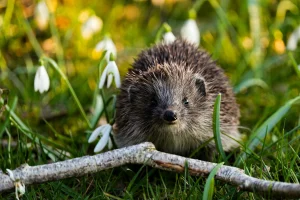
Hedgehog

Why Climate Change Matters for Ecological Surveys

As climate change continues to influence species behaviour and seasonal timings, it is also affecting the way ecological surveys are planned and undertaken. The timing, location and methods used during ecological surveys rely heavily on understanding when species are active, where they are likely to be found and how they interact with their habitats.

As warmer temperatures and milder conditions alter wildlife activity, some species may become active earlier in the year or remain active for longer periods. These changes in wildlife behaviour mean survey timing must be carefully considered to ensure assessments provide an accurate representation of species presence.

For protected species, carrying out surveys at the appropriate time is essential. An incorrectly timed survey may fail to identify important ecological features, potentially affecting decision-making during the planning process.

Ecological surveys also provide essential information about how proposed developments may affect biodiversity. As the impacts of climate change on wildlife become more apparent, accurate ecological assessments are becoming increasingly important for informed planning decisions.

Factors such as habitat availability, species movement and changing seasonal behaviours can all influence the ecological constraints associated with a site. By considering these factors early in the development process, landowners and developers can better understand potential challenges and incorporate appropriate mitigation measures.

This approach supports a more sustainable balance between development and nature conservation, helping to protect biodiversity while allowing projects to progress responsibly.

At ProHort Ltd, ecological surveys are designed to provide reliable information about the species and habitats present on a site. By combining specialist knowledge with an understanding of changing environmental conditions, ecological assessments can help guide developments that work alongside the natural environment.

As our understanding of climate change ecology continues to develop, adapting survey approaches and considering changing wildlife patterns will remain an important part of responsible ecological planning.

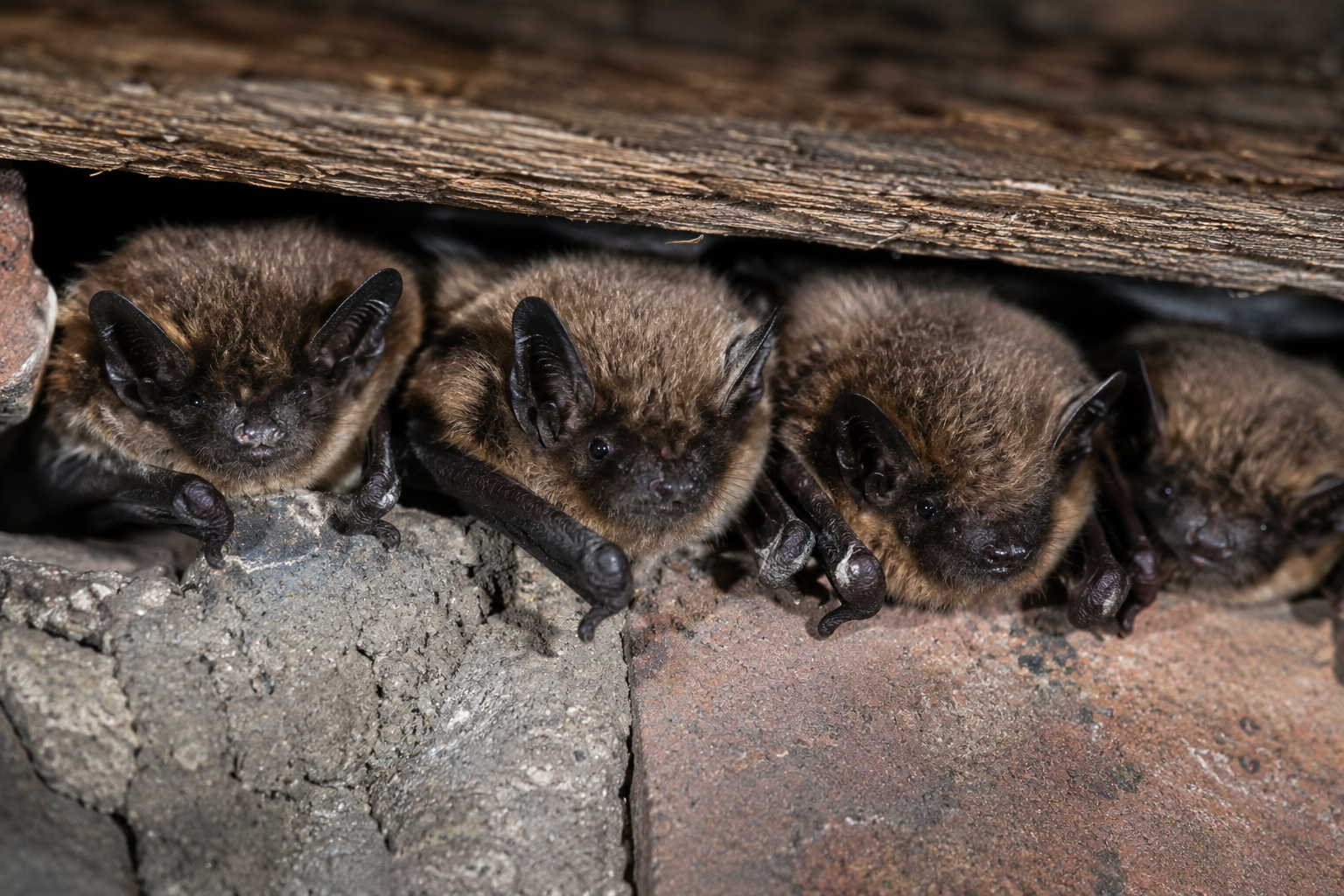
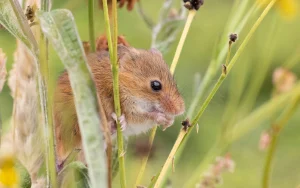
Dormouse

Supporting Wildlife in a Changing Climate

As the impacts of climate change continue to influence species behaviour and natural habitats, supporting wildlife requires a proactive approach. While many species demonstrate an ability to adapt to changing conditions, the speed and scale of environmental change can make it increasingly difficult for some plants and animals to survive.

Creating resilient habitats and improving ecological connectivity are important steps in helping wildlife respond to a changing climate. By protecting existing habitats, enhancing biodiversity and considering the needs of different species, we can help create landscapes that are better equipped to support nature in the future.

Creating Resilient Habitats

Improving habitat quality is a key part of building ecological resilience. A healthy habitat provides the resources that species need to adapt, including food sources, shelter, and suitable areas for breeding and movement. Habitat improvements may include planting native vegetation, restoring natural features, creating wildlife corridors and managing land in ways that support a wider range of species. For example, diverse habitats containing a variety of plant species can provide more reliable food sources for pollinators, birds and other wildlife throughout changing seasons.

Supporting Species Adaptation to Climate Change

Some species are able to adjust their behaviour, shift their distribution or make use of new habitats, while others may struggle due to their specific environmental requirements.

Supporting species adaptation to climate change involves providing wildlife with the best possible conditions to respond naturally. Protecting important habitats and reducing additional pressures, such as unnecessary disturbance or habitat destruction, can improve the chances of species adapting successfully.

This is particularly important for protected species, where maintaining suitable habitats and understanding changing behaviours are essential for effective conservation.

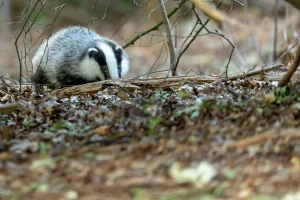
Badger

Why Protecting Wildlife Matters

The relationship between climate change and wildlife is complex, but supporting biodiversity remains one of the most effective ways to help ecosystems cope with environmental change.

By understanding habitat change, monitoring species behaviour and using ecological knowledge to guide decision-making, we can create spaces where both people and nature can thrive.

At ProHort Ltd, ecological assessments help identify opportunities to protect and enhance biodiversity while supporting sustainable development. Through informed planning and responsible management, we can help ensure that wildlife continues to have a place in a changing climate.


UK Garden Wildlife in June: How to Protect Swans, Foxes, Hedgehogs and Owls

UK garden wildlife in June can be very busy, with many species bustling to find food, raise their young, and breed, making this a sensitive and important time for biodiversity. Species such as swans and cygnets, fox cubs, hedgehogs foraging at night, and tawny owls all play a vital role in maintaining ecological balance.

For those involved in landscaping and grounds management, understanding animals active in June UK is essential for supporting healthy ecosystems. Small changes in maintenance practices, habitat protection, and planting choices can have a significant impact on local wildlife populations and long-term biodiversity.


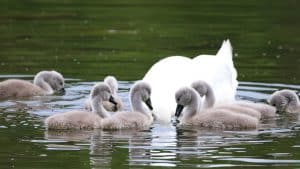
Swans and Cygnets in the UK: Behaviour During the June Breeding Season

In June, mute swans are a highly visible part of the UK’s waterways, particularly across lakes, rivers, canals, and managed parkland ponds. This period is a key stage in the swans and cygnets UK breeding cycle, as young cygnets continue to grow rapidly under the close protection of both parents.

During early summer, swan families become noticeably more territorial. Adult swans will often defend nesting areas and nearby water margins aggressively, a natural behaviour that helps safeguard cygnets during their most vulnerable stage. While this can appear intimidating, it is an important part of maintaining survival rates within local populations.

Cygnets themselves are still developing in June, typically displaying soft grey plumage before gradually transitioning to the white feathers associated with adulthood. At this stage, they remain heavily dependent on parental guidance for feeding and protection, often staying close together as a family group while moving through shallow water and sheltered edges.

From an ecological perspective, swans contribute to shaping aquatic environments by grazing on submerged vegetation, which helps maintain balance within pond and wetland ecosystems. However, their presence also highlights the importance of careful wildlife-friendly gardening UK and landscape management around water bodies.

For those managing public or private green space, protecting swans during this period involves maintaining buffer zones around nesting sites and avoiding unnecessary disturbance along water edges. Ensuring that aquatic habitats remain clean, undisturbed, and naturally vegetated supports both cygnet development and wider UK wildlife in June biodiversity health.

Swan and cygnets swimming in water
Swan and cygnets

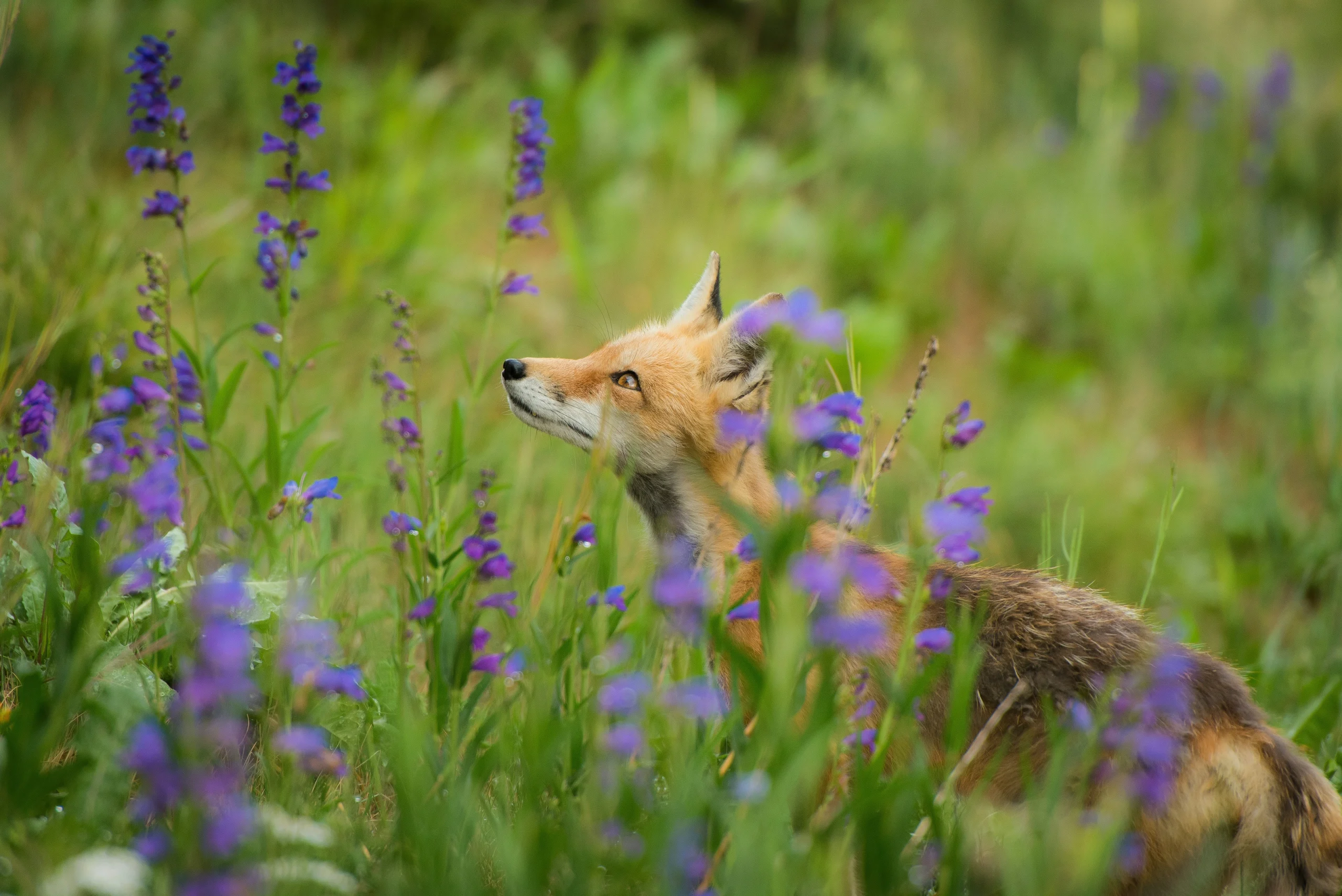
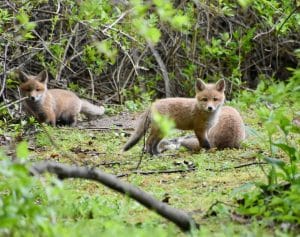
Fox Cubs in UK Gardens: June Activity and Urban Wildlife Behaviour

June is an important stage in the annual cycle of fox cubs in UK gardens, as young foxes born in spring begin to emerge more frequently from their dens and explore their surroundings. At this point, cubs are developing essential survival skills such as foraging, social interaction, and navigating local territory under the supervision of adult foxes.

In both urban and suburban environments, foxes have adapted remarkably well to human presence. They often use green corridors, garden edges, railway embankments, and unmanaged spaces as movement routes, making them a regular part of urban wildlife UK ecosystems. During early summer, increased daylight activity can make foxes more visible, particularly in the early morning or evening hours.

Foxes play an important ecological role as opportunistic scavengers and natural controllers of small mammal populations. This helps maintain balance within local ecosystems and supports healthier garden ecosystems UK, particularly where prey species such as rodents and insects are abundant.

As cubs become more independent in June, they begin to explore further from their natal dens, although they typically remain within a familiar territory range. This period is crucial for learning hunting behaviour and social hierarchy within family groups.

Supporting fox populations in managed landscapes is less about direct intervention and more about maintaining suitable habitat conditions. Retaining vegetated boundaries, allowing safe movement through connected green spaces, and avoiding unnecessary disturbance near known den sites all contribute to healthier long-term populations within the wider UK garden wildlife in June environment.

Fox cubs playing in grass
Fox cubs

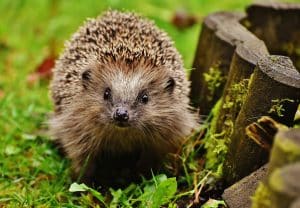
Hedgehogs in Summer UK Gardens: Feeding Behaviour and Habitat Protection

During June, hedgehogs are an active and important part of UK garden wildlife in June, typically emerging after dusk to forage for insects, worms, beetles, and other invertebrates. This period of early summer provides a rich food supply, supporting both adult hedgehogs and any young that may have recently become independent.

As nocturnal animals, hedgehogs rely heavily on undisturbed ground-level habitats to move safely between feeding areas. In many urban and suburban environments, gardens act as vital stepping-stones, forming connected routes through urban wildlife UK corridors that allow them to travel between suitable foraging sites.

Hedgehogs also play a valuable ecological role within garden ecosystems UK, acting as natural pest controllers by reducing populations of slugs and other invertebrates. This makes them particularly beneficial in both domestic gardens and managed green spaces where maintaining natural balance is a priority.

However, modern landscaping practices can unintentionally reduce suitable habitat. Overly tidy gardens, the use of chemical pest control, and fragmented green spaces all contribute to declining hedgehog populations across the UK. Ensuring safe passage between areas is therefore essential for their long-term survival.

Supporting hedgehogs through wildlife-friendly gardening UK approaches involves practical measures such as creating small access gaps in fencing, retaining log piles and leaf litter, and avoiding harmful pesticides. Providing shallow water sources and maintaining areas of dense, undisturbed vegetation can also significantly improve habitat quality.

By protecting hedgehogs during this active summer period, landscapers and land managers contribute directly to the wider health of British wildlife in June, helping to maintain balanced and resilient ecosystems across both urban and rural environments.

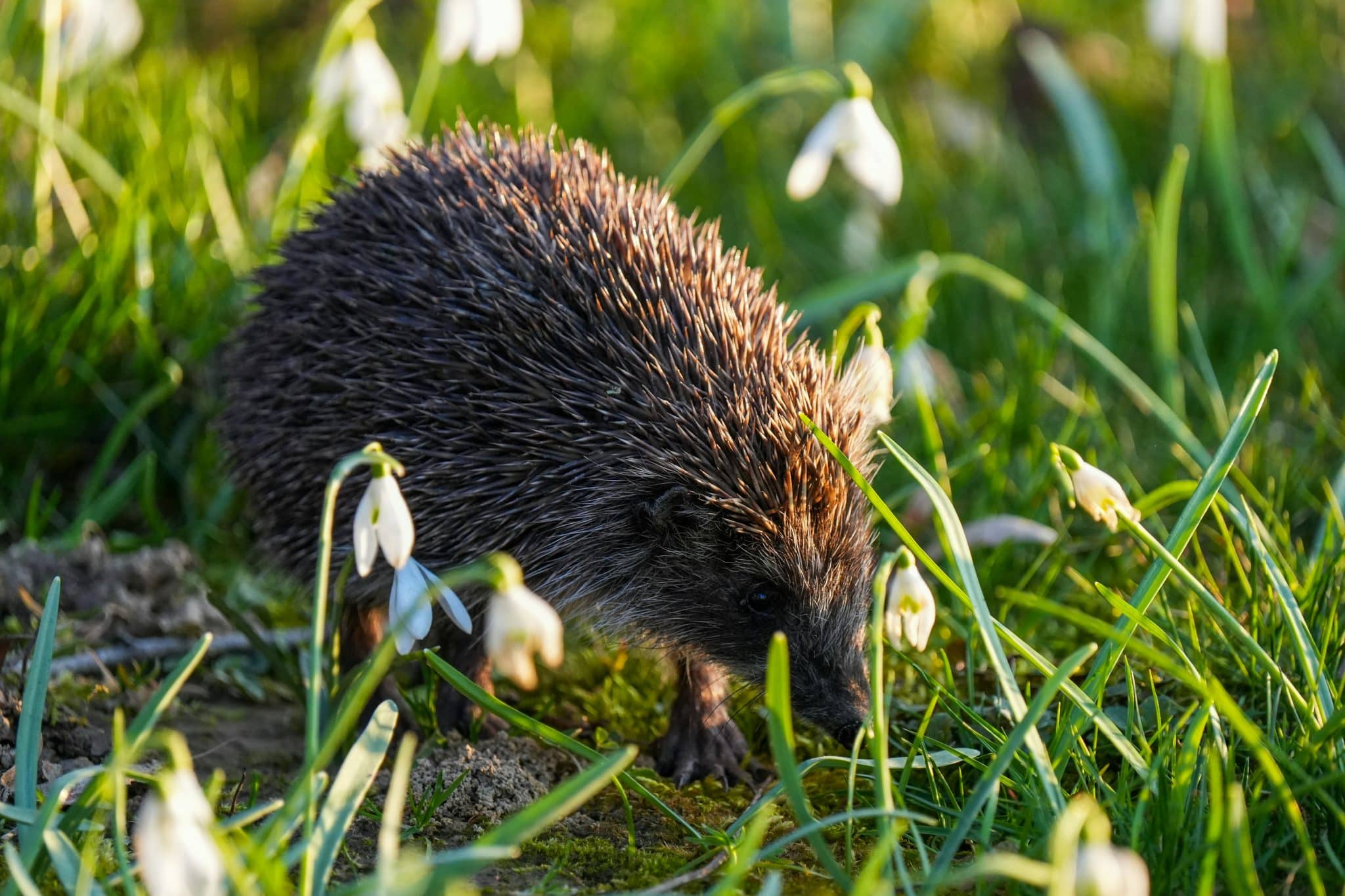
Hedgehog walking through grass
Hedgehog

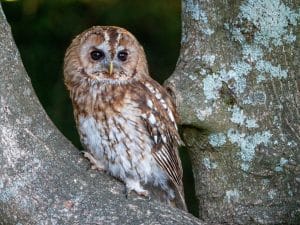
Tawny Owls in the UK: Nocturnal Wildlife Activity in June

In June, tawny owls remain an important part of UK garden wildlife in June, particularly during the hours of dusk and night when their activity is at its peak. This period often coincides with the later stages of the breeding cycle, where fledged young are becoming more independent but still rely on adult birds for feeding and protection.

Tawny owls are highly effective nocturnal predators, playing a key role in regulating populations of small mammals such as mice, voles, and occasionally larger insects. This natural form of control contributes to healthier and more balanced garden ecosystems UK, particularly in areas with mature trees and connected green corridors.

Their presence is often associated with established woodland, parkland, and rural-edge habitats, but they can also be found in quieter suburban areas where suitable nesting sites and prey availability exist. Mature trees with cavities or dense cover are especially important, as they provide both shelter and breeding locations.

Light pollution and habitat loss remain two of the most significant pressures affecting tawny owl populations in managed environments. Excessive artificial lighting can disrupt hunting behaviour, while the removal of older trees reduces available nesting opportunities across both urban and rural landscapes.

Supporting tawny owls through wildlife-friendly gardening UK and sensitive landscape management involves retaining mature trees wherever possible, reducing unnecessary night-time lighting, and maintaining rough grassland or undisturbed margins that support prey species. These measures help sustain a healthy balance within wider UK wildlife in June ecosystems, particularly during this critical post-breeding period.

Tawny owl sitting in tree
Tawny owl

How to Protect UK Garden Wildlife in June

June is a particularly important month for UK garden wildlife in June, as many species are actively breeding, feeding, and raising young. During this time, even small changes in landscape management and gardening practices can have a significant impact on local biodiversity and the long-term health of surrounding ecosystems.

One of the most effective ways to support British wildlife in June is by reducing disturbance in key habitats such as hedgerows, water margins, and undisturbed grass areas. These spaces often provide essential shelter and feeding opportunities for species such as hedgehogs, foxes, swans, and nocturnal wildlife like owls.

Maintaining connected green spaces is also crucial within urban wildlife UK environments. Wildlife corridors allow animals to move safely between feeding and nesting areas, reducing the risks associated with fragmented habitats and heavily developed landscapes.

In addition, adopting a more considered approach to maintenance can greatly benefit garden ecosystems UK. Avoiding chemical pesticides, allowing sections of vegetation to grow more naturally, and retaining features such as log piles, leaf litter, and mature trees all help to create more resilient and balanced habitats.

For those working in landscaping and grounds management, incorporating wildlife-friendly gardening UK principles into regular maintenance schedules can make a meaningful difference. Simple actions such as adjusting mowing regimes, protecting nesting areas during peak breeding season, and preserving water-edge vegetation all contribute to healthier ecosystems.

By taking a more mindful approach during this critical summer period, it is possible to support a wide range of species while still maintaining functional and well-managed outdoor spaces. In doing so, we help ensure that UK garden wildlife in June continues to thrive alongside carefully managed landscapes for years to come.