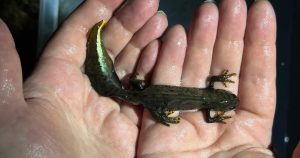
Reptile Surveys in the West Midlands
Do I need a reptile survey for my development in the West Midlands?
If your project may affect a reptile habitats, a professional survey is essential — we provide compliant reports to support planning consent.
Fast, Clear, Planning-Ready Support
Fast response
Calls answered in 2 rings, emails replied to within the hour.
Free expert advice
Clear guidance before you commit.
Cost-effective
Working in partnership with clients to ensure planning approval first time
Typical 10-day turnaround
Industry Leading Standard
Expert Team
We stay with you from first call through to submission.
Do you need a Reptile Survey in the West Midlands?
Despite being highly urbanised, the West Midlands retains pockets of rough grassland, scrub, brownfield edges, railway margins and canal-side habitats, all of which can support common reptile species such as grass snakes and slow worms.
A reptile survey assesses an area to determine which reptile species are present and whether they could be affected by development. Ecologists search, trap, and record reptiles over time to understand their distribution. The findings help ensure that construction or land changes avoid harming wildlife and comply with planning regulations.
Planning officers in the West Midlands frequently request reptile surveys when developments may impact habitats that could support reptiles.
You may need a reptile survey if your project involves:
rough or unmanaged grassland in Birmingham, Coventry, or Wolverhampton
scrub, bramble thickets, or regenerating lots across Dudley, Sandwell, or Solihull
brownfield mosaics with rubble, spoil, or bare ground in Walsall, West Bromwich, or Tipton
railway corridors or sidings (active or disused) near Redditch, Nuneaton, or Telford
canal-side banks and towpath edges around Stoke-on-Trent, Stafford, or Tamworth
wet grassland or drainage channels in Warwick, Leamington Spa, or Coventry suburbs
vacant land awaiting redevelopment across the wider West Midlands
A quick postcode check confirms whether your Local Planning Authority requires reptile evidence before works begin.
We provide reptile surveys across the West Midlands, covering key areas including Birmingham, Coventry, Wolverhampton, Dudley, Walsall, Sandwell, Solihull, Stratford-upon-Avon, and Nuneaton.
Why Planning Officers in the West Midlands Request Reptile Surveys
West Midlands planning authorities require reptile survey evidence where suitable habitat is present to ensure development complies with the Wildlife & Countryside Act 1981 and national planning policy. Without early, proportionate ecological evidence, applications are often delayed through validation queries, additional conditions, or seasonal survey requirements that can disrupt project programmes and lead to avoidable redesign.
Local Case Insight
How Reptile Surveys Work
Our specialist ecology team carries out a Reptile Survey and confirms presence or risk. You receive a clear, LPA-ready report setting out mitigation and timing controls to keep your project moving.
Key Deliverables for projects in the West Midlands:
We provide a clear, proportionate, practical approach which includes:
- Realistic next steps for planners and design teams
- Reptile habitat assessment
- Presence/absence surveys (April–September)
- Approved refugia survey methods
- Practical, proportionate mitigation strategies
- LPA-compliant reporting and contractor method support
We focus on evidence that is relevant, proportionate and easy to apply within an urban context in the West Midlands.
Step 1
Schedule
Send your site details and programme. We confirm the correct level of survey.
Step 2
Fieldwork
Site walkovers, habitat suitability assessments, refugia checks, and activity monitoring for reptiles.
Step 3
Reporting
Planning-ready reports with impact assessment, mitigation options and timelines for site teams.
Step 4
Integration with other Surveys
Only if needed. PEA, EIA, and Protected Species surveys
Next Steps
Need a reptile survey in the West Midlands? Let’s confirm your site’s requirements and keep your project on track.
FAQ - Reptile Surveys in the West Midlands
Can reptiles live in highly urban areas within the West Midlands?
Yes. Railway corridors, canals and rough ground provide ideal microhabitats.
For planning checks and guidance:
- Birmingham City Council Planning
https://www.birmingham.gov.uk/planning
- Coventry City Council Planning
https://www.coventry.gov.uk/planning
- Wolverhampton City Council Planning
https://www.wolverhampton.gov.uk/planning
- Solihull Metropolitan Borough Council Planning
https://www.solihull.gov.uk/planning
- Sandwell Council Planning
https://www.sandwell.gov.uk/planning
- Dudley Council Planning
https://www.dudley.gov.uk/planning - Walsall Council Planning
https://go.walsall.gov.uk/planning
Do brownfield sites in the West Midlands automatically trigger reptile surveys?
No — only when habitat structure indicates potential.
Is clearance in the West Midlands allowed before surveys?
Not if potential habitat is present — we’ll advise on phased works.
Will this delay planning?
Not when identified early. Problems arise when reptile risk is spotted late.