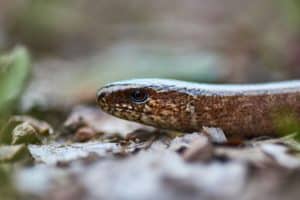
We conduct Great Crested Newt (GCN) surveys across Worcestershire, including Worcester, Malvern Hills, Bromsgrove, Redditch, Wychavon, and surrounding rural villages.

Need planning-compliant GCN surveys in Worcestershire?
Our ecology team delivers bespoke Great Crested Newt (GCN) services across Worcestershire, including eDNA surveys and habitat assessments, producing clear and legally compliant reports to support planning applications.
Calls answered in 2 rings, emails replied to within the hour.
Clear guidance before you commit.
Working in partnership with clients to ensure planning approval first time
Industry Leading Standard
We stay with you from first call through to submission.
Worcestershire’s mix of lowland farmland, estate ponds, wet woodland, river valleys, and parkland lakes provides suitable habitat for Great Crested Newts. Planning authorities frequently request ecological evidence where developments may impact these waterbodies or connected terrestrial habitats.
A GCN assessment identifies potential newt habitat, evaluates project risks, and determines whether eDNA testing or full presence/absence surveys are required. Early assessment ensures developments remain compliant and on schedule.
You may require a Great Crested Newt (GCN) or eDNA survey in Worcestershire if your project involves:
Development near farm ponds, riverside wetlands, or parkland lakes around Worcester or Malvern
Residential conversions or rural works in villages such as Evesham or Droitwich
Works affecting wet woodland, hedgerow networks, or floodplain pastures
Landscaping near estate ponds or ornamental water features
Sites flagged as high GCN potential by local ecological records
Construction scheduled during the April–June survey window
Checking the site early ensures survey needs are proportionate.
We conduct Great Crested Newt (GCN) surveys across Worcestershire, including Worcester, Malvern Hills, Bromsgrove, Redditch, Wychavon, and surrounding rural villages.
In Worcestershire, local planning authorities may request Great Crested Newt (GCN) survey evidence where suitable habitats—such as ponds, wet ditches, watercourse margins, and surrounding terrestrial areas—are present, to ensure development proposals comply with wildlife legislation and national planning policy. Without timely and proportionate survey work, planning applications can face delays due to validation queries, additional planning conditions, or seasonal restrictions linked to key GCN activity periods. Such delays can disrupt project timelines and may lead to avoidable redesigns, emphasizing the importance of early, targeted GCN assessments.
We provide practical, proportionate GCN assessments, from habitat appraisals and eDNA or full surveys to clear, planning-ready reports with mitigation, timing guidance, and actionable next steps to keep projects on track.
We deliver planning-compliant Great Crested Newt (GCN) services across Worcestershire, providing practical support to your project team, including:
Natural England–approved eDNA surveys
Full presence/absence checks where necessary
Terrestrial habitat evaluations
Proportionate reporting to satisfy local planning authority requirements
Our approach is straightforward: the appropriate survey method at the right stage, with clear, actionable advice to keep your development on track.
Share your site details and programme, and we’ll identify whether an eDNA or full survey is required.
We conduct walkovers, eDNA tests, or full GCN surveys based on site potential and season.
You receive planning-ready reports with impacts, mitigation, licensing, and clear timelines.
Require a GCN assessment in Worcestershire? Check your site’s needs early to keep your project moving.
It is not always obvious whether a site is suitable for Great Crested Newts. Ecologists assess factors including nearby ponds, rough grassland, woodland, hedgerows, scrub, ditches and habitat connectivity. Even sites that appear well maintained can provide valuable habitat. A professional assessment is the most reliable way to determine whether further survey work is likely to be required.
Many developers commission Great Crested Newt surveys before purchasing land to better understand any ecological constraints. Identifying protected species early can influence project budgets, planning timescales and site design. This allows informed decisions to be made before significant investment is committed.
Yes. Ecological surveys carried out during the early design stages can identify protected species constraints before layouts are finalised. This gives architects and developers greater flexibility to adapt designs if required, helping reduce the risk of expensive amendments after planning has been submitted.
Yes. Seasonal or temporary ponds can sometimes provide breeding habitat for Great Crested Newts, particularly if they hold water during the breeding season and remain free from predatory fish. Ecologists assess both permanent and temporary waterbodies where they may have ecological significance for the proposed development.
Yes. Great Crested Newts may use residential gardens, landscaped open spaces, hedgerows, compost heaps, log piles and other sheltered areas while moving between breeding ponds and terrestrial habitat. Developments affecting these areas may require ecological consideration where suitable habitat exists nearby.
Yes. The purpose of the survey is not only to determine whether Great Crested Newts are present, but also to assess the likely impact of the proposed development. If mitigation is necessary, the survey report will explain the recommended measures and any additional ecological or licensing requirements that may apply.
Even if some vegetation has already been removed, a Great Crested Newt survey may still be required if suitable habitat remains nearby or if ponds could support breeding populations. Early site clearance does not automatically remove ecological obligations, and planning authorities may still require protected species assessments.
Great Crested Newt surveys allow developments to proceed while ensuring protected species are properly considered. By identifying ecological constraints early, developments can incorporate appropriate mitigation, habitat retention or enhancement measures that support both planning policy and long term biodiversity objectives.
Great Crested Newt surveys may be requested by Worcestershire County Council, Bromsgrove District Council, Malvern Hills District Council, Redditch Borough Council, Worcester City Council, Wychavon District Council or Wyre Forest District Council, depending on the location of the proposed development. Applicants should consult the relevant Local Planning Authority’s ecological validation guidance before submitting a planning application.
ProHort provides Great Crested Newt surveys throughout Worcestershire for homeowners, developers, architects, planning consultants and landowners. Our experienced ecologists deliver recognised survey methodologies, practical planning advice and comprehensive ecological reports that meet Local Planning Authority requirements. By assessing ecological risks at the earliest opportunity, we help clients minimise planning delays, reduce project uncertainty and progress developments with confidence.