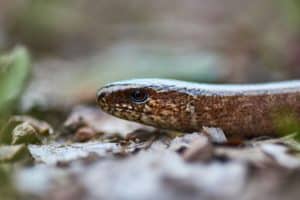
We deliver Great Crested Newt (GCN) surveys across Surrey, including Guildford, Woking, Reigate, Dorking, Farnham, Leatherhead, Epsom, Redhill, and rural villages throughout the Surrey Hills AONB and surrounding countryside.

Need planning-compliant GCN surveys in Surrey?
Our team delivers focused Great Crested Newt (GCN) services across Surrey, including Natural England–approved eDNA assessments, providing clear, actionable reports to support planning applications and ensure your development stays on track.
Calls answered in 2 rings, emails replied to within the hour.
Clear guidance before you commit.
Working in partnership with clients to ensure planning approval first time
Industry Leading Standard
We stay with you from first call through to submission.
Surrey’s mix of riverine ponds, heathland pools, ornamental garden ponds, wet woodland, meadow ditches, and wooded pasture provides ideal habitat for Great Crested Newts (GCN). Local planning authorities frequently request ecological evidence where development may affect these habitats.
A GCN assessment identifies potential newt habitat, evaluates the risk to your project, and determines whether eDNA testing or full presence/absence surveys are needed, helping keep your development on track and avoiding seasonal delays.
You may require a Great Crested Newt (GCN) or eDNA survey in Surrey if your project involves:
Development near ponds, such as riverine or garden ponds in Guildford
Farm conversions or agricultural works around Woking
Projects near wet woodland, heathland, or hedgerows, like meadow margins and connected hedgerows in the Surrey Hills AONB
Landscaping affecting ponds, ornamental lakes, or drainage features, such as parkland or estate ponds near Reigate
Sites flagged as high GCN potential in areas like Dorking or Farnham
Works during the April–June survey season, e.g., small ponds on rural properties in Cranleigh
Checking your Surrey site postcode or location early helps determine whether a survey is required and keeps your project on schedule.
We deliver Great Crested Newt (GCN) surveys across Surrey, including Guildford, Woking, Reigate, Dorking, Farnham, Leatherhead, Epsom, Redhill, and rural villages throughout the Surrey Hills AONB and surrounding countryside.
In Surrey, local planning authorities may request Great Crested Newt (GCN) survey evidence where suitable habitats—such as ponds, wet ditches, woodland edges, heathland margins, grassland, and other connected terrestrial areas—are present, to ensure development proposals comply with wildlife legislation and national planning policy. Without timely and proportionate survey work, planning applications can be delayed due to validation queries, additional planning conditions, or seasonal restrictions linked to key GCN activity periods. These delays can disrupt project timelines and may lead to avoidable redesigns, highlighting the importance of early, targeted GCN assessments.
We provide practical, proportionate GCN assessments, from habitat appraisals and eDNA or full surveys to clear, planning-ready reports with mitigation, timing guidance, and actionable next steps to keep projects on track.
We deliver legally compliant Great Crested Newt (GCN) services across Surrey, providing practical assistance for your project team, including:
Natural England–approved eDNA testing
Full presence/absence surveys where necessary
Evaluation of terrestrial habitats
Proportionate reporting to meet local planning authority requirements
Our method is straightforward: the appropriate survey at the correct stage, with clear, actionable advice to keep your development on track.
Share your site details and programme, and we’ll identify whether an eDNA or full survey is required.
We conduct walkovers, eDNA tests, or full GCN surveys based on site potential and season.
You receive planning-ready reports with impacts, mitigation, licensing, and clear timelines.
Require a GCN assessment in Surrey? Check your site’s needs early to keep your project moving.
Surrey contains numerous ponds, ancient woodland, heathland, farmland and interconnected green spaces that can provide suitable habitat for Great Crested Newts. Where development proposals could affect these habitats, ecological surveys are often required to support planning applications. Identifying protected species at an early stage helps developers address ecological requirements before they become planning constraints.
Yes. Even one pond may provide suitable breeding habitat for Great Crested Newts if the surrounding terrestrial habitat is favourable. Ecologists assess factors such as pond quality, nearby vegetation, habitat connectivity and the nature of the proposed development before determining whether a survey is required. Every site is assessed on its individual ecological characteristics.
They can be. New homes, replacement dwellings, extensions, care homes and housing developments may all require Great Crested Newt surveys where suitable habitat exists nearby. The deciding factor is not the size of the development but whether the proposed works could affect a legally protected species or its habitat.
Where multiple ponds are present, an ecologist will assess which waterbodies are relevant to the proposed development and determine whether they should be included within the survey. Not every pond necessarily requires investigation, but a professional ecological assessment ensures the survey is proportionate and satisfies planning requirements.
Yes. Completing Great Crested Newt surveys before submitting a planning application gives the Local Planning Authority the ecological information needed to assess the proposal. This reduces the likelihood of additional information requests, avoids unnecessary planning delays and allows any mitigation measures to be considered early within the project.
Avoiding the pond does not always remove the need for a survey. Great Crested Newts spend much of their lives within surrounding terrestrial habitats, including grassland, woodland, scrub and hedgerows. Development affecting these areas may still require ecological assessment, even where the breeding pond remains untouched.
Yes. Although Great Crested Newt surveys and Biodiversity Net Gain Assessments serve different purposes, they often complement one another. Understanding the ecological value of a site helps inform habitat design, mitigation measures and biodiversity enhancements required as part of the planning process.
You should seek advice from a qualified ecologist before any site clearance or construction begins. An initial ecological assessment will determine whether surveys are required and advise on the most appropriate next steps. Acting early provides greater flexibility and helps ensure compliance with wildlife legislation and planning policy.
Great Crested Newt surveys may be requested by Surrey County Council, Guildford Borough Council, Woking Borough Council, Elmbridge Borough Council, Epsom and Ewell Borough Council, Mole Valley District Council, Reigate and Banstead Borough Council, Runnymede Borough Council, Spelthorne Borough Council, Surrey Heath Borough Council, Tandridge District Council or Waverley Borough Council, depending on the location of the proposed development. Applicants should review the ecological validation requirements published by the relevant Local Planning Authority before submitting an application.
ProHort provides Great Crested Newt surveys across Surrey for homeowners, developers, architects, planning consultants and commercial clients. Our experienced ecologists undertake recognised survey methodologies, provide practical ecological advice and prepare comprehensive reports suitable for Local Planning Authority submission. By identifying ecological constraints early, we help clients reduce planning risk, avoid seasonal delays and keep development projects progressing smoothly.