eDNA Testing for Great Crested Newts in Shropshire

Great Crested Newt (GCN) Surveys & eDNA Testing in Shropshire

Need planning-ready GCN surveys in Shropshire?

Our expert team carries out targeted surveys and environmental DNA (eDNA) assessments for Great Crested Newts, delivering concise, practical reports that assist with planning submissions and keep your development on track.

Fast, Clear, Planning-Ready Support

Fast response 

Calls answered in 2 rings, emails replied to within the hour.

Free expert advice

Clear guidance before you commit.

Cost-effective

Working in partnership with clients to ensure planning approval first time

Typical 10-day turnaround

Industry Leading Standard

Expert Team

We stay with you from first call through to submission. 

Do you need a GCN survey or eDNA test in Staffordshire?

Shropshire has an extensive network of ponds, wet hollows, marl pits, farmland pools and ditch systems, all of which can support Great Crested Newts. Planning officers often require clear evidence when development falls close to these features.

A GCN assessment identifies potential newt habitat, evaluates the risk to your project, and determines whether eDNA testing or full presence/absence surveys are needed, helping keep your development on track and avoiding seasonal delays.

You may require a Great Crested Newt (GCN) or eDNA survey in Shropshire if your project involves:

  • Development near ponds, such as the marl pits near Shrewsbury

  • Farm conversions or agricultural works around Whitchurch

  • Projects near wet grassland, woodlands, or hedgerows like the floodplain meadows of the River Teme

  • Landscaping affecting ponds, ditches, or drainage features, such as ditch networks near Ludlow

  • Sites flagged as high GCN potential in the Shropshire Hills AONB

  • Works during the April–June survey season, e.g., garden ponds in Market Drayton

Checking your Shropshire site postcode or location early helps determine if a survey is needed and keeps your project on schedule.

We deliver Great Crested Newt (GCN) surveys across Shropshire, including Shrewsbury, Wem, Oswestry, and Ellesmere; Bridgnorth, Ironbridge, and Highley; Telford, Newport, and Donnington; Ludlow, Craven Arms, and Church Stretton; and Whitchurch and Market Drayton.


Why Planning Officers in Shropshire Request GCN Assessments

In Shropshire, local planning authorities may request Great Crested Newt (GCN) survey evidence where suitable habitats—such as ponds, wet ditches, marshy areas, woodland edges, species-rich grassland, and connected terrestrial habitat networks—are present, to ensure development proposals comply with wildlife legislation and national planning policy. Without timely and proportionate survey work, planning applications can be delayed due to validation queries, additional planning conditions, or seasonal restrictions linked to key GCN activity periods. These delays can disrupt project timelines and may require avoidable redesigns, highlighting the importance of early, targeted GCN assessments.

Local Case Insight

A farm conversion near Whitchurch bordered a network of small ponds and wet ditches, raising potential GCN concerns. Early engagement recommended a targeted eDNA survey, which returned a negative result. With legally compliant, proportionate evidence in hand, the development team implemented a simple working plan that avoided disturbance to nearby habitats. This approach allowed construction to start within the seasonal window for newts, avoided delays, and met planning authority requirements without triggering further survey obligations.

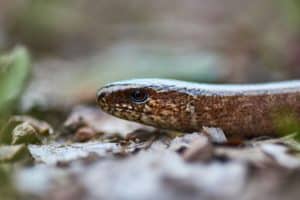
How GCN assessments work

We provide practical, proportionate GCN assessments, from habitat appraisals and eDNA or full surveys to clear, planning-ready reports with mitigation, timing guidance, and actionable next steps to keep projects on track.

Key Deliverables for Shropshire projects:

We deliver planning-ready Great Crested Newt (GCN) assessments across Shropshire, offering practical guidance for your project team, including:

  • Natural England–approved eDNA surveys

  • Full presence/absence surveys where necessary

  • Terrestrial habitat evaluations

  • Proportionate reporting to support LPA validation

We keep it straightforward: the appropriate survey method at the right stage, with realistic, actionable advice that aligns with your development schedule.

Step 1

Schedule

Share your site details and programme, and we’ll identify whether an eDNA or full survey is required.

Step 2

Fieldwork

We conduct walkovers, eDNA tests, or full GCN surveys based on site potential and season.

Step 3

Reporting

You receive planning-ready reports with impacts, mitigation, licensing, and clear timelines.

Step 4

Integration with other Surveys

We can align GCN surveys with PEA, EIA, and other  protected species surveys.

Next Steps

Require a GCN assessment in Shropshire? Check your site’s needs early to keep your project moving.

FAQ - GCN Surveys in Shropshire

Do I need a survey if there’s a pond nearby but not on my property?

Yes — in Shropshire, ponds, ditches, or water features within 250 m can trigger a requirement for Great Crested Newt (GCN) evidence during planning

Often — when conducted correctly during the April–June activity period, eDNA surveys can provide sufficient evidence for LPAs.

We can guide you on alternative approaches, such as adjusting survey timing or combining habitat assessments to meet planning requirements.

Will GCN requirements automatically delay my development?

Not if addressed early. Most delays occur when surveys are booked outside the active season or late in the planning process.

All findings are presented in proportionate, planning-ready reports that satisfy local authority validation and legislative compliance, keeping projects on track.

For planning requirements and ecological validation:

Yes — suitable land around ponds, such as hedgerows, grasslands, and ditches, is evaluated to ensure a comprehensive assessment.

Related Services
