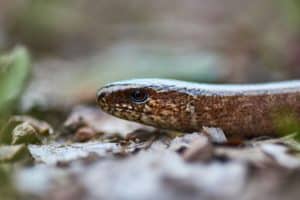
We deliver Great Crested Newt (GCN) surveys across Kent, including Maidstone, Ashford, Canterbury, Tunbridge Wells, Tonbridge, Sevenoaks, Faversham, Dover, and rural villages throughout the Kent Downs and North Kent countryside.

Need planning-compliant GCN surveys in Kent?
Our team provides targeted Great Crested Newt (GCN) services across Kent, including eDNA assessments, delivering clear, practical reports to support planning applications and help keep your development on schedule.
Calls answered in 2 rings, emails replied to within the hour.
Clear guidance before you commit.
Working in partnership with clients to ensure planning approval first time
Industry Leading Standard
We stay with you from first call through to submission.
Kent’s landscape of orchard ponds, farm ditches, garden and parkland ponds, chalk stream margins, woodland edges, and connected hedgerows provides ideal habitat for Great Crested Newts (GCN). Local planning officers frequently require ecological evidence where development may affect these habitats.
A GCN assessment identifies potential newt habitat, evaluates the risk to your project, and determines whether eDNA testing or full presence/absence surveys are needed, helping keep your development on track and avoiding seasonal delays.
You may require a Great Crested Newt (GCN) or eDNA survey in Kent if your project involves:
Development near ponds, such as orchard or farm ponds in Maidstone
Farm conversions or agricultural works around Ashford
Projects near wet grassland, woodlands, or hedgerows, like field margins and connected hedgerows in the Kent Downs
Landscaping affecting ponds, parkland lakes, or drainage features, such as garden or estate ponds near Tunbridge Wells
Sites flagged as high GCN potential in areas like Sevenoaks or Tonbridge
Works during the April–June survey season, e.g., small ponds on rural properties in Faversham
Checking your Kent site postcode or location early helps determine whether a survey is required and keeps your project on schedule.
We deliver Great Crested Newt (GCN) surveys across Kent, including Maidstone, Ashford, Canterbury, Tunbridge Wells, Tonbridge, Sevenoaks, Faversham, Dover, and rural villages throughout the Kent Downs and North Kent countryside.
In Kent, local planning authorities may request Great Crested Newt (GCN) survey evidence where suitable habitats—such as ponds, ditches, wetland edges, traditional orchards, woodland, grassland, and other connected terrestrial areas—are present, to ensure development proposals comply with wildlife legislation and national planning policy. Without timely and proportionate survey work, planning applications can be delayed due to validation queries, additional planning conditions, or seasonal restrictions linked to key GCN activity periods. These delays can disrupt project timelines and may require avoidable redesigns, highlighting the importance of early, targeted GCN assessments.
We provide practical, proportionate GCN assessments, from habitat appraisals and eDNA or full surveys to clear, planning-ready reports with mitigation, timing guidance, and actionable next steps to keep projects on track.
We provide planning-compliant Great Crested Newt (GCN) services across Kent, offering practical support to your project team, including:
Natural England–approved eDNA surveys
Full presence/absence surveys where required
Terrestrial habitat assessments
Proportionate reporting to satisfy local planning authority requirements
Our approach is simple: the right survey method at the right time, with clear, actionable guidance to keep your development on schedule.
Share your site details and programme, and we’ll identify whether an eDNA or full survey is required.
We conduct walkovers, eDNA tests, or full GCN surveys based on site potential and season.
You receive planning-ready reports with impacts, mitigation, licensing, and clear timelines.
Require a GCN assessment in Kent? Check your site’s needs early to keep your project moving.
Great Crested Newt surveys help establish whether a proposed development could affect one of the UK’s most protected amphibians. Kent contains a diverse network of ponds, woodland, farmland, orchards and grassland that can provide suitable habitat. Where development may impact these habitats, Local Planning Authorities often require survey evidence before determining a planning application.
Yes. Greenfield sites frequently contain habitats that may support Great Crested Newts, including ponds, field margins, hedgerows and rough grassland. Before planning permission is granted, an ecological assessment may be needed to determine whether protected species are present and whether the proposed development could affect them.
Possibly. Nearby ponds are one of several factors considered when assessing whether a survey is required. Ecologists also examine habitat connectivity, surrounding vegetation, existing biological records and the scale of the proposed development. A site does not need to contain a pond itself for a survey to be necessary.
Yes. Survey findings can help shape the layout of a development by identifying sensitive habitats that should be retained or enhanced. Incorporating ecological considerations into the design process from the outset often reduces planning complications and supports more sustainable development proposals.
Woodland can provide valuable terrestrial habitat for Great Crested Newts outside the breeding season. If a development is located near both woodland and ponds, the ecological assessment will consider how these habitats function together and whether the proposed works could affect the movement, shelter or breeding success of the species.
Yes. Where ecological matters form part of a planning appeal, professionally prepared survey reports can provide important evidence regarding protected species. Accurate survey data helps demonstrate that ecological issues have been properly assessed and that any necessary mitigation has been considered as part of the development proposals.
Absolutely. Large developments delivered over several phases often require ecological information to be gathered early so that protected species can be considered throughout the lifetime of the project. Early surveys help developers programme works appropriately and reduce the likelihood of ecological issues affecting later construction phases.
Yes. Where appropriate, habitat enhancements such as new ponds, strengthened hedgerows, improved grassland management and wildlife corridors can benefit Great Crested Newts while also supporting wider biodiversity objectives. These measures may complement planning policies relating to ecological enhancement and Biodiversity Net Gain.
Great Crested Newt surveys may be requested by Kent County Council, Ashford Borough Council, Canterbury City Council, Dartford Borough Council, Dover District Council, Folkestone and Hythe District Council, Gravesham Borough Council, Maidstone Borough Council, Sevenoaks District Council, Swale Borough Council, Thanet District Council, Tonbridge and Malling Borough Council, Tunbridge Wells Borough Council or Medway Council, depending on the location of the proposed development. Applicants should review the relevant Local Planning Authority’s ecological validation requirements before submitting a planning application.
ProHort provides Great Crested Newt surveys across Kent for homeowners, developers, architects, planning consultants and commercial organisations. Our experienced ecologists deliver recognised survey methodologies, practical ecological advice and detailed planning reports that satisfy Local Planning Authority requirements. By identifying ecological constraints early, we help clients minimise planning risks, avoid unnecessary delays and keep developments progressing efficiently.