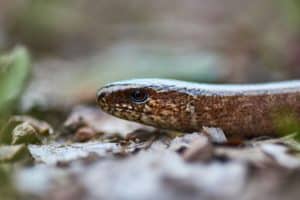
Great Crested Newt (GCN) Surveys & eDNA Testing in Hampshire

Need planning-compliant Great Crested Newt (GCN) surveys in Hampshire?

Our team delivers targeted GCN services across Hampshire, including Natural England–approved eDNA testing. We provide clear, practical ecological reporting designed to support planning applications and help keep your project progressing without unnecessary delays.

Request a Newt Survey

Request a Newt Survey

Maximum file size: 33.55MB

Fast, Clear, Planning-Ready Support

Fast response 

Calls answered in 2 rings, emails replied to within the hour.

Free expert advice

Clear guidance before you commit.

Cost-effective

Working in partnership with clients to ensure planning approval first time

Typical 10-day turnaround

Industry Leading Standard

Expert Team

We stay with you from first call through to submission. 

Do you need a GCN survey or eDNA test in Hampshire?

Hampshire’s mix of woodland ponds, heathland pools, rural farm ponds, stream-fed field ditches, floodplain wetlands, and parkland or estate lakes provides valuable habitat for Great Crested Newts (GCN). Because these features are widespread across the county — particularly in areas bordering the New Forest, South Downs, and the Hampshire Avon and Test catchments — planning officers frequently request ecological surveys where development could affect these sensitive habitats.


A GCN assessment identifies potential newt habitat, evaluates the risk to your project, and determines whether eDNA testing or full presence/absence surveys are needed, helping keep your development on track and avoiding seasonal delays.

You may require a Great Crested Newt (GCN) or eDNA survey in Hampshire if your project involves:

  • Development near ponds, such as woodland or garden ponds in Winchester.

  • Farm conversions or rural works near traditional farm ponds, e.g., Overton.

  • Projects close to wet grassland, heathland pools, ditches, or woodland edges, such as Brockenhurst in the New Forest.

  • Landscaping affecting parkland lakes or estate ponds, for example around Romsey.

  • Sites with high GCN potential, such as pond-rich areas in the South Downs near Petersfield.

  • Works during the April–June survey season, including small pond sites around Alresford.

Checking your Hampshire site early helps confirm whether a survey is required and prevents seasonal delays.

We deliver Great Crested Newt (GCN) surveys across Hampshire, including Winchester, Southampton, Portsmouth, Basingstoke, Andover, Farnborough, Eastleigh, Romsey, Petersfield, and surrounding towns and rural villages across the New Forest and South Downs.

Why Planning Officers in Hampshire Request GCN Assessments

In Hampshire, local planning authorities may request Great Crested Newt (GCN) survey evidence where suitable habitats—such as ponds, ditches, wetland margins, and surrounding terrestrial areas including grassland, woodland, and gardens—are present, to ensure development proposals comply with wildlife legislation and national planning policy. Without timely and proportionate survey work, planning applications can be delayed due to validation queries, additional planning conditions, or seasonal restrictions linked to key GCN activity periods. These delays can disrupt project timelines and may require avoidable redesigns, highlighting the importance of early, targeted GCN assessments.

Local Case Insight

A redevelopment site near Winchester was adjacent to chalk stream margins, woodland ponds, and wet grassland, creating potential Great Crested Newt (GCN) concerns. Early ecological advice recommended a targeted eDNA survey, which confirmed the absence of newts. With clear, proportionate, and legally compliant evidence, the project team implemented a straightforward working plan that avoided disturbance to surrounding habitats. This approach allowed construction to proceed within the seasonal window, prevented delays, and satisfied planning authority requirements without needing additional surveys.

How GCN assessments work

We provide practical, proportionate GCN assessments, from habitat appraisals and eDNA or full surveys to clear, planning-ready reports with mitigation, timing guidance, and actionable next steps to keep projects on track.

Key Deliverables for Hampshire projects:

We deliver planning-compliant Great Crested Newt (GCN) surveys across Hampshire, providing practical support for your development team, including:

  • Natural England–approved eDNA testing

  • Targeted presence/absence surveys where necessary

  • Terrestrial habitat assessments

  • Concise, proportionate reporting to satisfy local planning authority requirements

Our approach is straightforward and efficient: the appropriate survey at the right time, with clear, actionable guidance to keep your project on track.

Step 1

Schedule

Share your site details and programme, and we’ll identify whether an eDNA or full survey is required.

Step 2

Fieldwork

We conduct walkovers, eDNA tests, or full GCN surveys based on site potential and season.

Step 3

Reporting

You receive planning-ready reports with impacts, mitigation, licensing, and clear timelines.

Step 4

Integration with other Surveys

We can align GCN surveys with PEA, EIA, and other  protected species surveys.

Next Steps

Require a GCN assessment in Hampshire? Check your site’s needs early to keep your project moving.

FAQ - GCN Surveys in Hampshire

Why are Great Crested Newt surveys regularly required in Hampshire?

Hampshire supports a wide range of habitats that are suitable for Great Crested Newts, including farmland ponds, woodland, heathland, river corridors and species rich grassland. Where proposed development could affect these habitats, Local Planning Authorities often require ecological surveys to establish whether protected species are present before determining a planning application.

Yes. Although Great Crested Newts are often associated with inland ponds, coastal developments can still require surveys if suitable freshwater ponds and connected terrestrial habitats are present nearby. Every development site is assessed according to its individual ecological characteristics rather than its proximity to the coast.

Great Crested Newt surveys may be required for housing developments, commercial premises, schools, agricultural developments, renewable energy projects, road improvements and changes of land use. The requirement depends on the likelihood of the development affecting suitable habitat rather than the type or size of the project.

No. A survey considers the wider landscape as well as breeding ponds. Ecologists assess surrounding grassland, woodland, hedgerows, scrub, ditches and other habitats that Great Crested Newts rely upon throughout the year. This provides a more complete understanding of how the proposed development could affect the species.

Yes. If ecological surveys are required but have not been completed, the Local Planning Authority may not have enough information to determine the planning application. Missing the appropriate survey season could delay the application until the following year, making early ecological advice particularly valuable.

What happens if my Hampshire site contains suitable habitat but surveys find no Great Crested Newts?

If recognised survey methods confirm likely absence, the findings can usually be used to support your planning application. This provides the Local Planning Authority with evidence that Great Crested Newts are unlikely to be affected by the proposed development, although other ecological considerations may still need to be addressed where relevant.

Yes. In some cases, changes of use, redevelopment of existing sites or alterations to established buildings may still affect nearby habitats used by Great Crested Newts. Ecological requirements are based on the potential impact of the proposal rather than whether the development involves entirely new construction.

Yes. Great Crested Newt surveys are often undertaken alongside Preliminary Ecological Appraisals, Biodiversity Net Gain Assessments, bat surveys and other protected species surveys. Coordinating ecological work can reduce duplication, improve project efficiency and provide a more comprehensive understanding of environmental constraints.

Great Crested Newt surveys may be requested by Hampshire County Council, Basingstoke and Deane Borough Council, East Hampshire District Council, Eastleigh Borough Council, Fareham Borough Council, Gosport Borough Council, Hart District Council, Havant Borough Council, New Forest District Council, Rushmoor Borough Council, Test Valley Borough Council, Winchester City Council, Portsmouth City Council or Southampton City Council, depending on the location of the proposed development. Applicants should review the relevant Local Planning Authority’s ecological validation requirements before submitting a planning application.

ProHort provides Great Crested Newt surveys throughout Hampshire for homeowners, developers, architects, planning consultants and commercial organisations. Our experienced ecologists deliver recognised survey methodologies, practical ecological advice and planning reports that meet Local Planning Authority requirements. By identifying protected species constraints early, we help clients reduce planning risks, avoid seasonal delays and keep projects progressing efficiently.

Related Services