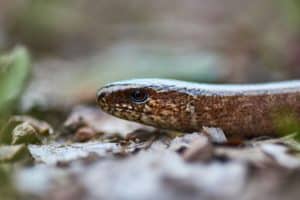
We deliver Great Crested Newt (GCN) surveys across Essex, covering Chelmsford, Colchester, Basildon, Southend-on-Sea, Brentwood, Harlow, Maldon, Braintree, Tendring, Uttlesford, and surrounding villages across the Essex countryside.

Need planning-compliant Great Crested Newt (GCN) surveys in Essex?
Our specialists provide focused GCN services across Essex, including Natural England–approved eDNA assessments, delivering clear, actionable reports to support planning applications and ensure your development stays on schedule.
Calls answered in 2 rings, emails replied to within the hour.
Clear guidance before you commit.
Working in partnership with clients to ensure planning approval first time
Industry Leading Standard
We stay with you from first call through to submission.
Essex’s landscape of grazing marsh ponds, gravel pit lakes, orchard ponds, drainage ditches, reedbed margins, and connected hedgerows and woodland edges provides ideal habitat for Great Crested Newts (GCN). Local planning authorities frequently require ecological evidence where development may affect these habitats.
A GCN assessment identifies potential newt habitat, evaluates the risk to your project, and determines whether eDNA testing or full presence/absence surveys are needed, helping keep your development on track and avoiding seasonal delays.
You may require a Great Crested Newt (GCN) or eDNA survey in Essex if your project involves:
Development near ponds, such as grazing marsh ponds or orchard ponds near Colchester
Farm conversions or agricultural works around Chelmsford
Projects near wet grassland, reedbed margins, or hedgerows, like drainage ditches and connected hedgerows in the Dengie Peninsula
Landscaping affecting gravel pit lakes, parkland ponds, or drainage features, such as ornamental lakes near Epping
Sites flagged as high GCN potential in areas like Harlow or Maldon
Works during the April–June survey season, e.g., small ponds on rural properties near Saffron Walden
Checking your Essex site postcode or location early helps determine whether a survey is required and keeps your project on schedule.
We deliver Great Crested Newt (GCN) surveys across Essex, covering Chelmsford, Colchester, Basildon, Southend-on-Sea, Brentwood, Harlow, Maldon, Braintree, Tendring, Uttlesford, and surrounding villages across the Essex countryside.
In Essex, local planning authorities may request Great Crested Newt (GCN) survey evidence where suitable habitats—such as ponds, ditches, reed beds, and surrounding terrestrial areas—are present, to ensure development proposals comply with wildlife legislation and national planning policy. Without timely and proportionate survey work, planning applications can be delayed due to validation queries, additional planning conditions, or seasonal restrictions linked to key GCN activity periods. These delays can disrupt project timelines and may require avoidable redesigns, highlighting the importance of early, targeted GCN assessments.
We provide practical, proportionate GCN assessments, from habitat appraisals and eDNA or full surveys to clear, planning-ready reports with mitigation, timing guidance, and actionable next steps to keep projects on track.
We provide planning-ready Great Crested Newt (GCN) services across Essex, offering practical, proportionate support for your project team, including:
Natural England–approved eDNA surveys
Full presence/absence surveys where required
Terrestrial habitat assessments
Clear reporting tailored to local planning authority expectations
Our approach is simple and effective: the right survey at the right time, supported by clear guidance to help keep your development moving without unnecessary delays.
Share your site details and programme, and we’ll identify whether an eDNA or full survey is required.
We conduct walkovers, eDNA tests, or full GCN surveys based on site potential and season.
You receive planning-ready reports with impacts, mitigation, licensing, and clear timelines.
Require a GCN assessment in Essex? Check your site’s needs early to keep your project moving.
Yes. Great Crested Newt surveys are regularly required where developments could affect ponds or suitable terrestrial habitats. Essex contains a variety of landscapes, including farmland, country parks, former gravel workings, wetlands and residential green spaces that may support Great Crested Newts. Survey requirements are based on habitat suitability rather than whether a site is rural or urban.
Yes. Great Crested Newts can breed in both natural and artificial ponds. Farm reservoirs, balancing ponds, attenuation ponds, ornamental ponds and restored quarry lakes may all provide suitable habitat if the environmental conditions are favourable. During an ecological assessment, all relevant waterbodies are considered regardless of how they were created.
A survey provides the ecological information needed for the Local Planning Authority to assess whether protected species are likely to be affected by a development. By identifying ecological constraints before construction begins, surveys help developers understand planning requirements early and reduce the likelihood of delays caused by requests for additional ecological information.
Yes. Agricultural buildings, equestrian facilities, farm diversification projects, holiday accommodation, solar farms and other rural developments may all require Great Crested Newt surveys where suitable habitat exists nearby. The planning requirement depends on ecological risk rather than the type of development being proposed.
Yes. For much of the year, Great Crested Newts live away from ponds in terrestrial habitats. They use rough grassland, hedgerows, woodland, scrub, field margins and sheltered features such as logs and stone piles for feeding, shelter and hibernation. These habitats are an important part of any ecological assessment.
You should arrange the survey as soon as possible. Early ecological surveys provide greater flexibility when preparing planning applications and allow any protected species issues to be addressed before construction programmes are finalised. Acting early also helps ensure that seasonal survey windows are not missed.
Yes. Where Great Crested Newts are present, mitigation can often be incorporated into the design of the development. Measures may include retaining habitats, creating replacement ponds, improving habitat connectivity or adapting construction methods. Early survey work provides more opportunities to integrate these measures efficiently.
No. Many surveys conclude that no further Great Crested Newt assessment is required because recognised survey methods demonstrate likely absence or indicate that impacts will be negligible. Additional surveys or licensing are generally only recommended where survey findings or planning requirements justify further ecological investigation.
Great Crested Newt surveys may be requested by Essex County Council, Basildon Borough Council, Braintree District Council, Brentwood Borough Council, Castle Point Borough Council, Chelmsford City Council, Colchester City Council, Epping Forest District Council, Harlow Council, Maldon District Council, Rochford District Council, Tendring District Council, Uttlesford District Council, Southend on Sea City Council or Thurrock Council, depending on the location of the proposed development. Applicants should review the relevant Local Planning Authority’s ecological validation requirements before submitting a planning application.
ProHort delivers Great Crested Newt surveys throughout Essex for homeowners, developers, architects, planning consultants and commercial organisations. Our experienced ecologists provide recognised survey methodologies, practical ecological advice and planning reports designed to satisfy Local Planning Authority requirements. By identifying ecological constraints early, we help clients reduce planning risks, avoid unnecessary delays and keep development projects progressing efficiently.