
Planning ready beaver surveys and habitat assessments across Cornwall, providing clear ecological evidence, proportionate recommendations and practical support for developments affecting rivers, streams, wetlands and riparian habitats.
Calls answered in 2 rings, emails replied to within the hour.
Clear guidance before you commit.
Working in partnership with clients to ensure planning approval first time
Industry Leading Standard
We stay with you from first call through to submission.
Beavers are now an increasingly important ecological consideration for development in Cornwall, particularly where proposed works affect rivers, streams, wetlands and connected riparian habitats.
A beaver survey may be required where your Cornwall development involves:
Works within or alongside a river or stream
Riverbank excavation or engineering
Bridge, culvert or watercourse crossing works
Drainage or flood management works
Clearance of bankside trees or vegetation
Development affecting wetlands or connected waterbodies
Infrastructure close to suitable riparian habitat
Changes to water levels, drainage or hydrology
Preliminary Ecological Appraisal identifying potential beaver habitat or activity
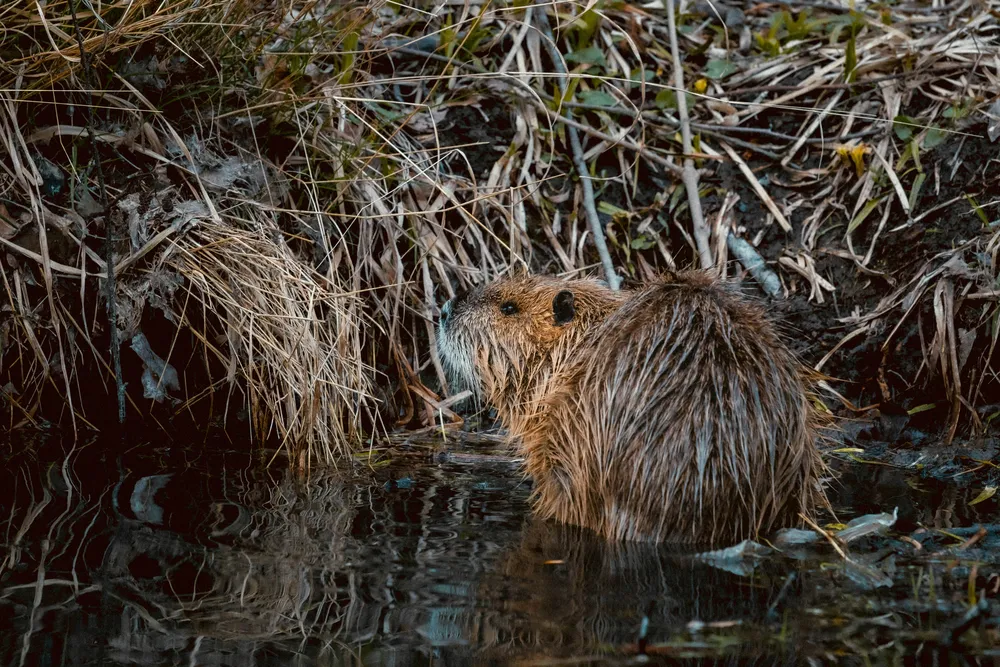
The presence of a watercourse does not automatically mean a beaver survey is necessary. Survey requirements should be based on habitat suitability, available records, evidence of activity and the potential impacts of the proposed works.
Depending on the location of your project, planning applications will generally be determined by Cornwall Council, with separate planning arrangements applying within the Council of the Isles of Scilly.
Beaver considerations are particularly relevant to Cornwall because wild beaver activity is now established within the county. The Par and Fowey catchment is the focus of a licensed wild beaver release programme, while beaver activity has also been recorded within the Tamar catchment.
Development affecting suitable watercourses, wetlands or connected riparian habitat may therefore require appropriate ecological assessment where there is potential for beavers or their protected breeding and resting sites to be affected.
Other major Cornish river systems and their tributaries include the River Camel, River Fal, River Hayle, River Lynher and River Looe, alongside an extensive network of smaller rivers, streams and wetlands capable of providing freshwater and riparian habitat.
Surveys can be conducted across Cornwall, covering major towns, suburban fringe areas, and surrounding villages such as Wadebridge, Redruth, and Saltash.
Conservation of Habitats and Species Regulations 2017
Eurasian beavers are a European Protected Species. The legislation protects beavers from deliberate killing, injury, capture and disturbance, and protects their breeding sites and resting places from damage or destruction.
Wildlife and Countryside Act 1981
Provides additional legal protection relevant to beavers, including controls relating to certain methods of capture and their release into the wild.
For development in Cornwall, proposed works that could affect beavers, their breeding or resting sites, or important supporting habitat may require appropriate ecological assessment, mitigation and, in some circumstances, a Natural England licence.
ProHort provides proportionate, evidence led advice to establish the ecological requirements of your project and help support a compliant route through planning.
Our specialist ecology team carries out a Beaver Survey to identify signs of beaver activity, including feeding signs, tracks, burrows, lodges, dams and important habitat.
You receive a clear, LPA ready report assessing potential impacts and setting out any required mitigation, monitoring or licensing considerations, helping your project stay on schedule and compliant.
We provide proportionate, evidence-led recommendations focused on the minimum necessary ecological work required to support your Cornwall project:
We review your plans, site location, freshwater habitats and available ecological information to establish the appropriate survey requirements.
Our ecologists survey suitable watercourses and connected habitats for beaver activity, including feeding signs, tracks, burrows, lodges and dams.
We assess how the proposed works could affect beavers, protected features, movement routes and supporting habitat.
You receive a clear, LPA-ready report setting out the findings and any necessary avoidance, mitigation, monitoring or licensing requirements.
Need a beaver survey in Cornwall? Let’s confirm your site’s requirements and establish the appropriate ecological work before it becomes a planning constraint.
A survey may be required where proposed works could affect beavers, their breeding or resting sites, or suitable freshwater habitat. Particular consideration should be given to sites close to rivers, streams, wetlands and riparian habitats where beaver activity is known, suspected or identified during a Preliminary Ecological Appraisal.
Yes. Wild beavers are now present in Cornwall. A licensed wild release programme is underway within the Par and Fowey catchment, and beaver activity is also established within the Tamar catchment.
This makes consideration of beavers increasingly relevant to planning and development within suitable freshwater habitats across the county.
Cornwall contains an extensive network of rivers, streams and wetlands. Major river systems include the Fowey, Tamar, Camel, Fal, Hayle, Lynher and Looe, together with the Par and numerous smaller tributaries and connected watercourses.
Whether a particular site requires a beaver survey depends on habitat suitability, available records and the potential impacts of the proposed development rather than simply its proximity to a named river.
Not automatically. Being next to a river does not itself trigger a survey. The ecologist should consider the suitability of the habitat, evidence and records of beaver activity, connectivity with other suitable habitat and how the proposed works could affect the watercourse.
Potentially. The Par and Fowey catchment is particularly relevant because it is the focus of Cornwall’s licensed wild beaver release programme.
Development affecting suitable watercourses and connected habitat within the catchment should therefore consider the potential for beavers at an appropriate stage of ecological assessment.
Our ecologists look for evidence including gnawed or felled trees, feeding remains, footprints, tracks, slides, scent mounds, pathways, burrows, lodges and dams.
We also assess the surrounding habitat to understand how beavers may be moving through and using the watercourse.
Yes. Works that modify riverbanks, culverts, drainage infrastructure, water levels or hydrology can potentially affect beavers and their habitat.
The need for assessment depends on the location of the works, habitat present and evidence of beaver activity.
Not necessarily. The presence of beavers does not automatically prevent development.
Our ecologists assess how the proposed works could affect the animals and any protected breeding or resting sites. Where impacts are identified, avoidance should be considered first, followed by proportionate mitigation or licensing where necessary.
Yes. Eurasian beavers are a European Protected Species under the Conservation of Habitats and Species Regulations 2017.
Their legal protection means proposed works that could disturb beavers or damage or destroy protected breeding and resting sites require appropriate ecological consideration.
You receive a clear, LPA ready ecological report setting out survey findings, identified activity and habitat features, potential development impacts and any necessary avoidance, mitigation, monitoring or licensing considerations.
Our recommendations focus on identifying the minimum necessary ecological work required to support your planning application and keep the project progressing.
