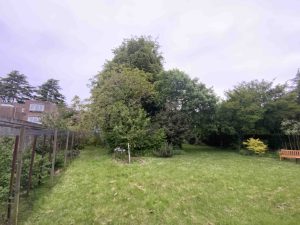
Ecological Clerk of Works (ECoW) in Shropshire

Ecological Clerk of Works (ECoW) in Shropshire

Concerned about ecological issues stopping works once construction starts? 

An Ecological Clerk of Works keeps your Shropshire site compliant, controlled and moving while work is live on the ground. 

Fast, Clear, Planning-Ready Support

Fast response 

Calls answered in 2 rings, emails replied to within the hour.

Free expert advice

Clear guidance before you commit.

Cost-effective

Working in partnership with clients to ensure planning approval first time

Typical 10-day turnaround

Industry Leading Standard

Expert Team

We stay with you from first call through to submission. 

Do You Need an Ecological Clerk of Works?

If your Shropshire development has ecological planning conditions, protected species licences, RAMS requirements or construction-phase method statements, an Ecological Clerk of Works may be required to oversee compliance during works. 

An ECoW helps contractors by managing unexpected ecological problems before these cause delays, enforcement actions, or license violations. 

In simple terms, this is the service that protects your programme once machines are on site. 

Certain Shropshire landscapes regularly elevate ecological risk once works begin:

  • River valleys (Severn, Teme, Perry) — riparian habitats and water-associated species sensitive to groundworks
  • Canal corridors (Shropshire Union Canal, Llangollen Canal) — linear habitats often requiring supervised clearance and timing controls
  • Former industrial and extraction land (Telford, Ironbridge, Broseley) — mosaic habitats where unexpected species presence can emerge during live works
  • Agricultural fringes (Oswestry, Bridgnorth, Whitchurch) — hedgerows, ditches and field margins requiring controlled clearance
  • Village edges (Much Wenlock, Church Stretton, Baschurch) — mixed habitat plots where ecological constraints meet active construction

These are the sites where live ecological oversight matters most.

Our Ecological Clerk of Works service supports sites across Shropshire and surrounding areas, from early enabling works through to completion.

Pre-start Clarity

We review ecological controls before works begin so site teams know exactly what applies, when, and why. 


Review of CEMP / CEMP-ECO, RAMS and method statements 

Advice on timing constraints before works commence 

Pre-commencement ecological checks where required 


Outcome: fewer first-week stoppages and no reactive redesign. 

Construction-phase Control

Ecological oversight is available while work is happening, not after problems arise. 


Watching briefs during clearance, groundworks, demolition and felling 

On-site advice when unexpected ecological issues arise 

Toolbox talks for contractors 

Immediate intervention where legal risk emerges 


Outcome: risks handled immediately, without escalation. 

Post-works Confidence

Ecological actions are signed off properly, with evidence planners can rely on. 


Compliance reporting for condition discharge 

Liaison with planners, ecologists and regulators 

As-built updates to ecological mitigation records 


Outcome: smoother discharge of conditions and fewer late queries. 

Local Case Insight

A residential development near Bridgnorth progressed into groundworks under a protected species licence when unexpected habitat was encountered during service installation. An Ecological Clerk of Works attended site, paused the affected activity, and confirmed compliance options against the licence conditions. The working method was adjusted without halting the wider programme, allowing construction to continue without enforcement action or delay.

Key Deliverables for Shropshire ECoW

An Ecological Clerk of Works protects developers from the most expensive risks of all — stopped sites, breached licences and unplanned delays. 

By managing ecology while works are live, issues are resolved in real time rather than becoming legal or programme failures later. 

Active on-site Risk Control 

Immediate ecological decision-making during works. 

Clear Compliance Oversight 

Alignment with planning conditions, licences and RAMS.

Contractor-level Clarity

Advice site teams can act on instantly. 

Integrated Reporting 

Clean handover into condition discharge and regulator review. 

Next Steps

If your Shropshire site carries ecological conditions or licence obligations, we can confirm whether Ecological Clerk of Works support is required and scope it proportionately from the outset. 

FAQ - Ecological Clerk of Works in Shropshire

What is the role of an Ecological Clerk of Works (ECoW) on rural sites in Shropshire?

An Ecological Clerk of Works (ECoW) oversees construction activities to ensure ecological protection measures are correctly implemented. In Shropshire, this often involves rural or semi-natural sites where habitats, field boundaries, and protected species require careful management during development.

An ECoW should be appointed before works begin where ecological constraints have been identified. Early involvement allows ecological requirements to be built into the construction programme, particularly where seasonal restrictions or protected species mitigation are involved.

In Shropshire, ECoW supervision is often required due to:

  • Hedgerow removal or modification
  • Works affecting grassland or agricultural land
  • Proximity to watercourses or wetlands
  • Potential presence of protected species such as bats or badgers
  • Habitat creation linked to Biodiversity Net Gain

These factors increase the need for on-site ecological oversight.

An ECoW ensures that all ecological mitigation and enhancement measures are implemented in line with approved reports. This includes supervising works, advising contractors, and maintaining records that demonstrate compliance to the Local Planning Authority.

Yes, agricultural developments such as barn conversions, farm expansions, or land use changes may require an ECoW where ecological risks are present. Even working farmland can support protected species or priority habitats that must be safeguarded during development.

What is included in an ECoW service in Shropshire?

An ECoW service typically includes:

  • Pre-commencement ecological advice
  • Toolbox talks for site teams
  • Supervision during sensitive works
  • Watching briefs during key construction phases
  • Site notes and compliance reporting

The level of involvement is tailored to the planning conditions and ecological risk profile of the site.

ECoW supervision is designed to be flexible and responsive to the construction programme. Attendance can be scheduled around key activities, with additional visits arranged if unexpected ecological issues arise on site.

Yes, if protected species or habitats are discovered during works, an ECoW can provide immediate advice and implement appropriate mitigation measures. This helps prevent legal breaches and minimises disruption to the construction programme.

Local Planning Authorities, including Shropshire Council, enforce ECoW requirements through planning conditions and compliance monitoring. Developers may be required to provide evidence of supervision, including site records and reports, to demonstrate adherence to approved ecological strategies.

Countryside developments often interact directly with existing habitats and wildlife. ECoW supervision ensures that these ecological features are protected during construction, reducing the risk of damage, planning breaches, and long-term ecological impacts.

Related Services

Ecological Clerk of Works (ECoW) in Sussex

Ecological Clerk of Works (ECoW) in Sussex

Concerned about ecological issues stopping works once construction starts? 

An Ecological Clerk of Works keeps your Sussex site compliant, controlled and moving while work is live on the ground. 

Fast, Clear, Planning-Ready Support

Fast response 

Calls answered in 2 rings, emails replied to within the hour.

Free expert advice

Clear guidance before you commit.

Cost-effective

Working in partnership with clients to ensure planning approval first time

Typical 10-day turnaround

Industry Leading Standard

Expert Team

We stay with you from first call through to submission. 

Do You Need an Ecological Clerk of Works?

If your Sussex development has ecological planning conditions, protected species licences, RAMS requirements or construction-phase method statements, an Ecological Clerk of Works may be required to oversee compliance during works. 

An ECoW helps contractors by managing unexpected ecological problems before these cause delays, enforcement actions, or license violations. 

In simple terms, this is the service that protects your programme once machines are on site. 

Certain Sussex landscapes regularly elevate ecological risk once works begin:

  • Chalk downland (South Downs, Lewes Downs) — species-rich grassland and associated fauna sensitive to ground disturbance
  • River valleys (Ouse, Arun, Adur) — riparian habitats and water-associated species sensitive to excavation and service installation
  • Coastal margins (Brighton, Shoreham, Worthing) — sensitive habitats often requiring supervised clearance and seasonal controls
  • Agricultural fringes (Horsham, Burgess Hill, Uckfield) — hedgerows, ditches and field margins requiring controlled clearance
  • Town edges (Haywards Heath, Peacehaven, Newhaven) — mixed habitat plots where ecological constraints meet active construction

These are the sites where live ecological oversight matters most.

Our Ecological Clerk of Works service supports sites across Sussex and surrounding areas, from early enabling works through to completion.

Pre-start Clarity

We review ecological controls before works begin so site teams know exactly what applies, when, and why. 


Review of CEMP / CEMP-ECO, RAMS and method statements 

Advice on timing constraints before works commence 

Pre-commencement ecological checks where required 


Outcome: fewer first-week stoppages and no reactive redesign. 

Construction-phase Control

Ecological oversight is available while work is happening, not after problems arise. 


Watching briefs during clearance, groundworks, demolition and felling 

On-site advice when unexpected ecological issues arise 

Toolbox talks for contractors 

Immediate intervention where legal risk emerges 


Outcome: risks handled immediately, without escalation. 

Post-works Confidence

Ecological actions are signed off properly, with evidence planners can rely on. 


Compliance reporting for condition discharge 

Liaison with planners, ecologists and regulators 

As-built updates to ecological mitigation records 


Outcome: smoother discharge of conditions and fewer late queries. 

Local Case Insight

During construction of a coastal housing scheme near Shoreham, nesting skylarks were discovered in a field margin. An Ecological Clerk of Works attended site, implemented temporary exclusion zones, and adjusted the working sequence to avoid disturbance. Works continued safely, fully compliant with licence conditions and seasonal restrictions.

Key Deliverables for Sussex ECoW

An Ecological Clerk of Works protects developers from the most expensive risks of all — stopped sites, breached licences and unplanned delays. 

By managing ecology while works are live, issues are resolved in real time rather than becoming legal or programme failures later. 

Active on-site Risk Control 

Immediate ecological decision-making during works. 

Clear Compliance Oversight 

Alignment with planning conditions, licences and RAMS.

Contractor-level Clarity

Advice site teams can act on instantly. 

Integrated Reporting 

Clean handover into condition discharge and regulator review. 

Next Steps

If your Sussex site carries ecological conditions or licence obligations, we can confirm whether Ecological Clerk of Works support is required and scope it proportionately from the outset. 

FAQ - Ecological Clerk of Works in Sussex

Why is an Ecological Clerk of Works (ECoW) important for developments in Sussex?

Sussex contains a wide range of ecologically sensitive environments, including coastal habitats, ancient woodland, and designated landscapes. An Ecological Clerk of Works (ECoW) ensures that construction activities are carried out in line with planning conditions and environmental legislation, protecting these valuable ecological features.

ECoW supervision is commonly required on sites involving:

  • Coastal or estuarine environments
  • Sites near designated areas such as the South Downs
  • Developments affecting woodland or priority habitats
  • Land with known or potential protected species presence
  • Biodiversity Net Gain habitat creation areas

These site characteristics increase the need for ecological oversight during construction.

An ECoW ensures that works near designated sites are carried out in accordance with approved mitigation strategies. This includes maintaining buffer zones, supervising sensitive operations, and ensuring no indirect impacts occur to protected habitats or species.

ECoW visits are typically required at key construction stages, such as:

  • Initial site clearance
  • Works near retained habitats
  • Installation of ecological mitigation features
  • Habitat creation or enhancement works

The timing and frequency of visits are based on planning conditions and ecological risk.

Yes, an ECoW provides real-time advice to site teams, allowing decisions to be made quickly while remaining compliant with ecological requirements. This helps avoid delays and ensures works proceed in accordance with approved documentation.

Is ECoW supervision linked to protected species in Sussex?

In many cases, yes. Sussex supports a wide range of protected species, including bats, reptiles, and birds. Where these species are identified or likely to be present, ECoW supervision may be required to oversee mitigation measures and ensure legal compliance.

Where developments in Sussex are required to deliver Biodiversity Net Gain, an ECoW may oversee the implementation of habitat creation and enhancement measures. This ensures that works are completed in line with approved plans and are suitable for long-term ecological management.

Failure to comply with ecological planning conditions can result in enforcement action, project delays, and potential legal implications. An ECoW helps prevent these issues by ensuring all ecological requirements are correctly implemented on site.

Local Planning Authorities assess the need for ECoW supervision based on ecological reports submitted with planning applications. Guidance from authorities such as West Sussex County Council and East Sussex County Council informs decisions, particularly where sites involve ecological constraints or designated areas.

Early appointment of an ECoW allows ecological considerations to be built into the construction programme from the outset. This reduces risk, improves coordination on site, and helps ensure that planning conditions are discharged efficiently without causing delays.

Related Services

Ecological Clerk of Works (ECoW) in Bristol

Ecological Clerk of Works (ECoW) in Bristol

Concerned about ecological issues stopping works once construction starts? 

An Ecological Clerk of Works keeps your Bristol site compliant, controlled and moving while work is live on the ground. 

Fast, Clear, Planning-Ready Support

Fast response 

Calls answered in 2 rings, emails replied to within the hour.

Free expert advice

Clear guidance before you commit.

Cost-effective

Working in partnership with clients to ensure planning approval first time

Typical 10-day turnaround

Industry Leading Standard

Expert Team

We stay with you from first call through to submission. 

Do You Need an Ecological Clerk of Works?

If your Bristol development has ecological planning conditions, protected species licences, RAMS requirements or construction-phase method statements, an Ecological Clerk of Works may be required to oversee compliance during works. 

An ECoW helps contractors by managing unexpected ecological problems before these cause delays, enforcement actions, or license violations. 

In simple terms, this is the service that protects your programme once machines are on site. 

Certain Bristol landscapes regularly elevate ecological risk once works begin:

  • River corridors (Avon, Frome) — riparian habitats and water-associated species sensitive to groundworks within urban sites
  • Canal corridors (Kennet & Avon Canal, Floating Harbour) — linear habitats often requiring supervised clearance and timing controls
  • Former industrial land (Avonmouth, St Philip’s Marsh) — mosaic habitats where unexpected species presence can emerge during live works
  • Urban fringes (Filton, Hengrove, Whitchurch) — hedgerows, ditches and margins requiring controlled clearance
  • Infill sites (inner Bristol) — constrained plots where ecological constraints meet active construction

These are the sites where live ecological oversight matters most.

Our Ecological Clerk of Works service supports sites across Bristol and surrounding areas, from early enabling works through to completion.

Pre-start Clarity

We review ecological controls before works begin so site teams know exactly what applies, when, and why. 


Review of CEMP / CEMP-ECO, RAMS and method statements 

Advice on timing constraints before works commence 

Pre-commencement ecological checks where required 


Outcome: fewer first-week stoppages and no reactive redesign. 

Construction-phase Control

Ecological oversight is available while work is happening, not after problems arise. 


Watching briefs during clearance, groundworks, demolition and felling 

On-site advice when unexpected ecological issues arise 

Toolbox talks for contractors 

Immediate intervention where legal risk emerges 


Outcome: risks handled immediately, without escalation. 

Post-works Confidence

Ecological actions are signed off properly, with evidence planners can rely on. 


Compliance reporting for condition discharge 

Liaison with planners, ecologists and regulators 

As-built updates to ecological mitigation records 


Outcome: smoother discharge of conditions and fewer late queries. 

Local Case Insight

On a mixed-use development in St Philip’s Marsh, a previously unidentified bat roost was found in an old warehouse. An Ecological Clerk of Works supervised temporary protective measures, coordinated with a licensed bat handler, and revised access routes to avoid disturbance. Construction proceeded without programme delays or enforcement issues.

Key Deliverables for Bristol ECoW

An Ecological Clerk of Works protects developers from the most expensive risks of all — stopped sites, breached licences and unplanned delays. 

By managing ecology while works are live, issues are resolved in real time rather than becoming legal or programme failures later. 

Active on-site Risk Control 

Immediate ecological decision-making during works. 

Clear Compliance Oversight 

Alignment with planning conditions, licences and RAMS.

Contractor-level Clarity

Advice site teams can act on instantly. 

Integrated Reporting 

Clean handover into condition discharge and regulator review. 

Next Steps

If your Bristol site carries ecological conditions or licence obligations, we can confirm whether Ecological Clerk of Works support is required and scope it proportionately from the outset. 

FAQ - Ecological Clerk of Works in Bristol

Why is an Ecological Clerk of Works (ECoW) important on urban sites in Bristol?

Bristol developments are often located on constrained urban or brownfield sites where ecological features can be easily overlooked. An Ecological Clerk of Works (ECoW) ensures that protected species, retained habitats, and planning conditions are properly managed during construction, reducing the risk of delays and compliance issues.

Yes, brownfield sites can still support significant ecological value, including nesting birds, bats in structures, and urban habitats. Where ecological risks are identified, an ECoW may be required to supervise demolition, clearance, and redevelopment works.

ECoW supervision is often required during demolition where buildings have potential to support bats or nesting birds. An ECoW ensures works are carried out in line with ecological assessments and any required mitigation measures.

On high-density or phased developments, an ECoW helps coordinate ecological requirements across multiple stages of construction. This includes ensuring mitigation measures are implemented correctly and that ecological constraints are managed alongside tight construction programmes.

Yes, an ECoW can provide site supervision records and compliance reporting that support the discharge of ecological planning conditions. This documentation is often required by the Local Planning Authority before development can proceed or be signed off.

What ecological risks are common on city centre sites in Bristol?

Typical ecological risks in Bristol include:

  • Bats roosting in buildings or structures
  • Nesting birds within demolition sites
  • Urban green corridors or retained vegetation
  • Small pockets of habitat within redevelopment areas

These risks often require on-site ecological supervision during works.

An ECoW works alongside the project team to integrate ecological requirements into the build programme. By providing timely advice and supervision, they help avoid unexpected delays caused by ecological issues or non-compliance.

Yes, even small developments such as extensions, conversions, or infill projects may require ECoW supervision if ecological constraints are identified. Urban environments can still support protected species that must be considered during construction.

The Bristol City Council assesses the need for ECoW supervision based on submitted ecological reports and site-specific risks. Planning conditions may require supervision where there is potential impact on protected species or habitats.

Using an ECoW on redevelopment projects ensures ecological risks are managed proactively. This helps maintain compliance, supports smooth project delivery, and reduces the likelihood of enforcement action or costly delays.

Related Services

ECoW in Cheshire – Ecological Clerk of Works

Ecological Clerk of Works (ECoW) in Cheshire

Concerned about ecological issues stopping works once construction starts? 

An Ecological Clerk of Works keeps your Cheshire site compliant, controlled and moving while work is live on the ground. 

Fast, Clear, Planning-Ready Support

Fast response 

Calls answered in 2 rings, emails replied to within the hour.

Free expert advice

Clear guidance before you commit.

Cost-effective

Working in partnership with clients to ensure planning approval first time

Typical 10-day turnaround

Industry Leading Standard

Expert Team

We stay with you from first call through to submission. 

Do You Need an Ecological Clerk of Works?

If your Cheshire development has ecological planning conditions, protected species licences, RAMS requirements or construction-phase method statements, an Ecological Clerk of Works may be required to oversee compliance during works. 

An ECoW helps contractors by managing unexpected ecological problems before these cause delays, enforcement actions, or license violations. 

In simple terms, this is the service that protects your programme once machines are on site. 

Certain Cheshire landscapes regularly elevate ecological risk once works begin:

  • River floodplains (Dee, Weaver, Dane) — riparian habitats and water-associated species sensitive to groundworks
  • Canal corridors (Shropshire Union Canal, Trent & Mersey Canal) — linear habitats often requiring supervised clearance and timing controls
  • Former industrial land (Ellesmere Port, Northwich, Widnes fringe) — mosaic habitats where unexpected species presence can emerge during live works
  • Agricultural fringes (Nantwich, Knutsford, Tarporley) — hedgerows, ditches and field margins requiring controlled clearance
  • Village edges (Holmes Chapel, Malpas, Frodsham) — mixed habitat plots where ecological constraints meet active construction

These are the sites where live ecological oversight matters most.

Our Ecological Clerk of Works service supports sites across Cheshire and surrounding areas, from early enabling works through to completion.

Pre-start Clarity

We review ecological controls before works begin so site teams know exactly what applies, when, and why. 


Review of CEMP / CEMP-ECO, RAMS and method statements 

Advice on timing constraints before works commence 

Pre-commencement ecological checks where required 


Outcome: fewer first-week stoppages and no reactive redesign. 

Construction-phase Control

Ecological oversight is available while work is happening, not after problems arise. 


Watching briefs during clearance, groundworks, demolition and felling 

On-site advice when unexpected ecological issues arise 

Toolbox talks for contractors 

Immediate intervention where legal risk emerges 


Outcome: risks handled immediately, without escalation. 

Post-works Confidence

Ecological actions are signed off properly, with evidence planners can rely on. 


Compliance reporting for condition discharge 

Liaison with planners, ecologists and regulators 

As-built updates to ecological mitigation records 


Outcome: smoother discharge of conditions and fewer late queries. 

Local Case Insight

While installing new utilities near Tarporley, water vole activity was observed in a drainage ditch. An Ecological Clerk of Works paused works in the affected area, installed temporary protective fencing, and confirmed mitigation measures in line with licence requirements. The remainder of the project continued on schedule without enforcement action.

Key Deliverables for Cheshire ECoW

An Ecological Clerk of Works protects developers from the most expensive risks of all — stopped sites, breached licences and unplanned delays. 

By managing ecology while works are live, issues are resolved in real time rather than becoming legal or programme failures later. 

Active on-site Risk Control 

Immediate ecological decision-making during works. 

Clear Compliance Oversight 

Alignment with planning conditions, licences and RAMS.

Contractor-level Clarity

Advice site teams can act on instantly. 

Integrated Reporting 

Clean handover into condition discharge and regulator review. 

Next Steps

If your Cheshire site carries ecological conditions or licence obligations, we can confirm whether Ecological Clerk of Works support is required and scope it proportionately from the outset. 

FAQ - Ecological Clerk of Works in Cheshire

Why is an Ecological Clerk of Works (ECoW) often required on developments in Cheshire?

Cheshire includes a mix of rural land, green belt, and expanding residential areas. An Ecological Clerk of Works (ECoW) is often required to ensure that development pressures do not result in harm to protected species, retained habitats, or Biodiversity Net Gain commitments during construction.

Developments within or near green belt areas often involve higher ecological sensitivity. An ECoW may be required to supervise works where habitats are retained, enhanced, or impacted, ensuring compliance with planning conditions and environmental policies.

On residential developments, an ECoW ensures ecological mitigation measures are correctly implemented. This may include supervising vegetation clearance, overseeing habitat protection, and ensuring compliance with approved ecological reports.

Yes, edge-of-settlement developments in Cheshire often sit between urban and rural environments, where ecological constraints can be more complex. An ECoW helps manage these interfaces, ensuring that development does not negatively impact surrounding habitats.

Yes, hedgerows are a common ecological feature in Cheshire and may be protected or form part of habitat networks. Where hedgerow removal, translocation, or retention is involved, ECoW supervision may be required to ensure works are carried out correctly.

How does an ECoW support phased developments in Cheshire?

For phased developments, an ECoW ensures that ecological measures are implemented consistently across each stage of the project. This helps maintain compliance over longer build programmes and ensures no ecological requirements are missed between phases.

An ECoW may oversee a range of mitigation measures, including:

  • Protected species mitigation
  • Habitat retention and protection
  • Installation of ecological enhancements
  • Implementation of Biodiversity Net Gain habitats

Their role is to ensure all measures are delivered as approved.

Cheshire contains interconnected habitats such as hedgerows, field margins, and watercourses. An ECoW ensures that these wildlife corridors are protected during construction, maintaining ecological connectivity across the landscape.

Local Planning Authorities, including Cheshire East Council and Cheshire West and Chester Council, assess ECoW requirements based on ecological reports and site-specific risks. Planning conditions may require supervision to ensure compliance with ecological policy and legislation.

Failing to provide required ecological supervision can result in planning breaches, delays to construction, and potential legal issues relating to protected species. An ECoW helps ensure that ecological responsibilities are properly managed throughout the development process.

Related Services

(ECoW) Ecological Clerk of Works in the West Midlands

Ecological Clerk of Works (ECoW) in the West Midlands

Concerned about ecological issues stopping works once construction starts? 

An Ecological Clerk of Works keeps your West Midlands site compliant, controlled and moving while work is live on the ground. 

Fast, Clear, Planning-Ready Support

Fast response 

Calls answered in 2 rings, emails replied to within the hour.

Free expert advice

Clear guidance before you commit.

Cost-effective

Working in partnership with clients to ensure planning approval first time

Typical 10-day turnaround

Industry Leading Standard

Expert Team

We stay with you from first call through to submission. 

Do You Need an Ecological Clerk of Works?

If your West Midlands development has ecological planning conditions, protected species licences, RAMS requirements or construction-phase method statements, an Ecological Clerk of Works may be required to oversee compliance during works. 

An ECoW helps contractors by managing unexpected ecological problems before these cause delays, enforcement actions, or license violations. 

In simple terms, this is the service that protects your programme once machines are on site. 

Certain West Midlands landscapes regularly elevate ecological risk once works begin:

  • Urban river corridors (Tame, Rea, Cole) — riparian habitats and water-associated species within live construction environments
  • Canal networks (Birmingham Canal Navigations) — linear habitats often requiring supervised clearance and timing controls
  • Regeneration land (Birmingham, Wolverhampton, Dudley) — constrained sites where ecological constraints emerge during live works
  • Former industrial land (Black Country) — mosaic habitats supporting unexpected species presence
  • Green Belt fringes (Solihull, Sutton Coldfield, Aldridge) — hedgerows, ditches and margins requiring controlled clearance

These are the sites where live ecological oversight matters most.

Our Ecological Clerk of Works service supports sites across the West Midlands and surrounding areas, from early enabling works through to completion.

Pre-start Clarity

We review ecological controls before works begin so site teams know exactly what applies, when, and why. 


Review of CEMP / CEMP-ECO, RAMS and method statements 

Advice on timing constraints before works commence 

Pre-commencement ecological checks where required 


Outcome: fewer first-week stoppages and no reactive redesign. 

Construction-phase Control

Ecological oversight is available while work is happening, not after problems arise. 


Watching briefs during clearance, groundworks, demolition and felling 

On-site advice when unexpected ecological issues arise 

Toolbox talks for contractors 

Immediate intervention where legal risk emerges 


Outcome: risks handled immediately, without escalation. 

Post-works Confidence

Ecological actions are signed off properly, with evidence planners can rely on. 


Compliance reporting for condition discharge 

Liaison with planners, ecologists and regulators 

As-built updates to ecological mitigation records 


Outcome: smoother discharge of conditions and fewer late queries. 

Local Case Insight

During enabling works on a regeneration site in Wolverhampton, an invasive plant species was identified along a canal bank. An Ecological Clerk of Works supervised removal under ecological best practice and ensured works in adjacent areas continued safely. The programme remained on track while fully compliant with licence requirements.

Key Deliverables for the West Midlands ECoW

An Ecological Clerk of Works protects developers from the most expensive risks of all — stopped sites, breached licences and unplanned delays. 

By managing ecology while works are live, issues are resolved in real time rather than becoming legal or programme failures later. 

Active on-site Risk Control 

Immediate ecological decision-making during works. 

Clear Compliance Oversight 

Alignment with planning conditions, licences and RAMS.

Contractor-level Clarity

Advice site teams can act on instantly. 

Integrated Reporting 

Clean handover into condition discharge and regulator review. 

Next Steps

If your West Midlands site carries ecological conditions or licence obligations, we can confirm whether Ecological Clerk of Works support is required and scope it proportionately from the outset. 

FAQ - Ecological Clerk of Works in the West Midlands

Why is an Ecological Clerk of Works (ECoW) important for large developments in the West Midlands?

The West Midlands includes major infrastructure, regeneration, and mixed-use developments. An Ecological Clerk of Works (ECoW) ensures that ecological requirements are managed effectively across complex sites, helping developers meet planning conditions while maintaining programme certainty.

Yes, infrastructure projects such as road schemes, utilities, and transport upgrades often require ECoW supervision. These projects frequently intersect with habitats, watercourses, and protected species, requiring careful ecological oversight during construction.

On regeneration schemes, an ECoW helps manage ecological risks associated with previously developed land, retained green spaces, and habitat enhancements. Their role ensures ecological measures are implemented correctly as part of the redevelopment process.

Large developments in the West Midlands are often delivered in phases across extended timeframes. An ECoW ensures continuity of ecological compliance across all phases, preventing gaps in implementation and maintaining alignment with approved strategies.

Developments in the West Midlands may span or be influenced by multiple authorities. An ECoW helps ensure consistent ecological compliance across different planning requirements, coordinating supervision in line with each authority’s conditions.

What types of ecological features require protection on West Midlands sites?

Common ecological features requiring protection include:

  • Urban green infrastructure
  • Watercourses and drainage corridors
  • Retained trees and vegetation
  • Protected species habitats

An ECoW ensures these features are safeguarded throughout construction.

Yes, an ECoW works across different contractors and site teams to ensure ecological requirements are clearly communicated and consistently applied. This is particularly important on large or complex sites with multiple workstreams.

An ECoW identifies ecological risks early and manages them throughout construction. This reduces the likelihood of delays caused by non-compliance, unexpected ecological issues, or enforcement action.

Local Planning Authorities across the region, such as Birmingham City Council and Coventry City Council, assess ECoW requirements based on ecological reports, site complexity, and potential impacts on habitats or protected species.

With increasing emphasis on Biodiversity Net Gain, an ECoW ensures that habitat creation and enhancement measures are implemented correctly on site. This supports long-term compliance and ensures developments meet their ecological obligations.

Related Services

(ECoW) Ecological Clerk of Works in Derbyshire

Ecological Clerk of Works (ECoW) in Derbyshire

Concerned about ecological issues stopping works once construction starts? 

An Ecological Clerk of Works keeps your Derbyshire site compliant, controlled and moving while work is live on the ground. 

Fast, Clear, Planning-Ready Support

Fast response 

Calls answered in 2 rings, emails replied to within the hour.

Free expert advice

Clear guidance before you commit.

Cost-effective

Working in partnership with clients to ensure planning approval first time

Typical 10-day turnaround

Industry Leading Standard

Expert Team

We stay with you from first call through to submission. 

Do You Need an Ecological Clerk of Works?

If your Derbyshire development has ecological planning conditions, protected species licences, RAMS requirements or construction-phase method statements, an Ecological Clerk of Works may be required to oversee compliance during works. 

An ECoW helps contractors by managing unexpected ecological problems before these cause delays, enforcement actions, or license violations. 

In simple terms, this is the service that protects your programme once machines are on site. 

Certain Derbyshire landscapes regularly elevate ecological risk once works begin:

  • River valleys (Derwent, Dove, Amber) — riparian habitats and water-associated species sensitive to groundworks
  • Former quarry and industrial land (Wirksworth, Buxton, Glossop fringe) — mosaic habitats where unexpected species presence can emerge during live works
  • Upland fringes (Peak District edge) — species-rich grassland and moorland margins sensitive to disturbance
  • Agricultural fringes (Ashbourne, Chesterfield, Belper) — hedgerows, ditches and field margins requiring controlled clearance
  • Village edges (Matlock, Ripley, Duffield) — mixed habitat plots where ecological constraints meet active construction

These are the sites where live ecological oversight matters most.

Our Ecological Clerk of Works service supports sites across Derbyshire and surrounding areas, from early enabling works through to completion.

Pre-start Clarity

We review ecological controls before works begin so site teams know exactly what applies, when, and why. 


Review of CEMP / CEMP-ECO, RAMS and method statements 

Advice on timing constraints before works commence 

Pre-commencement ecological checks where required 


Outcome: fewer first-week stoppages and no reactive redesign. 

Construction-phase Control

Ecological oversight is available while work is happening, not after problems arise. 


Watching briefs during clearance, groundworks, demolition and felling 

On-site advice when unexpected ecological issues arise 

Toolbox talks for contractors 

Immediate intervention where legal risk emerges 


Outcome: risks handled immediately, without escalation. 

Post-works Confidence

Ecological actions are signed off properly, with evidence planners can rely on. 


Compliance reporting for condition discharge 

Liaison with planners, ecologists and regulators 

As-built updates to ecological mitigation records 


Outcome: smoother discharge of conditions and fewer late queries. 

Local Case Insight

A highway improvement scheme near Matlock uncovered protected wildflowers during early site clearance. An Ecological Clerk of Works delineated the area, advised on adjusted working methods, and coordinated with local ecology officers. Construction proceeded with minor method adaptations and no enforcement action.

Key Deliverables for Derbyshire ECoW

An Ecological Clerk of Works protects developers from the most expensive risks of all — stopped sites, breached licences and unplanned delays. 

By managing ecology while works are live, issues are resolved in real time rather than becoming legal or programme failures later. 

Active on-site Risk Control 

Immediate ecological decision-making during works. 

Clear Compliance Oversight 

Alignment with planning conditions, licences and RAMS.

Contractor-level Clarity

Advice site teams can act on instantly. 

Integrated Reporting 

Clean handover into condition discharge and regulator review. 

Next Steps

If your Derbyshire site carries ecological conditions or licence obligations, we can confirm whether Ecological Clerk of Works support is required and scope it proportionately from the outset. 

FAQ - Ecological Clerk of Works in Derbyshire

Why is an Ecological Clerk of Works (ECoW) important on developments in Derbyshire’s sensitive landscapes?

Derbyshire includes areas of high landscape and ecological value, including upland habitats and nationally significant landscapes. An Ecological Clerk of Works (ECoW) ensures that construction works are carried out in line with ecological planning conditions, protecting these sensitive environments from damage.

Yes, developments within or near protected landscapes such as the Peak District National Park often require careful ecological supervision. An ECoW helps ensure that works do not negatively impact designated habitats, species, or landscape features.

Derbyshire has a strong history of quarrying and mineral extraction. On these sites, an ECoW ensures that ecological mitigation, habitat restoration, and phased working schemes are implemented correctly throughout the life of the project.

Common ecological constraints in Derbyshire include:

  • Upland grassland and moorland habitats
  • Woodland and hedgerow networks
  • Watercourses and valley systems
  • Protected species such as bats and badgers

These constraints often require on-site ecological supervision during works.

Derbyshire sites often involve uneven or sloping ground. An ECoW helps ensure that ecological protection measures are adapted to site conditions, preventing damage to habitats and ensuring compliance with approved strategies.

Can an ECoW support habitat restoration projects in Derbyshire?

Yes, an ECoW plays a key role in overseeing habitat restoration, particularly on former quarry or development sites. This includes ensuring that restoration works are carried out in line with approved ecological and landscape plans.

Developments in Derbyshire villages often sit within sensitive ecological settings. An ECoW ensures that construction activities do not adversely affect surrounding habitats, particularly where sites interface with open countryside.

Groundworks can pose a high risk to habitats and protected species. An ECoW supervises these activities to ensure that mitigation measures are followed and that any risks are managed in real time.

Local Planning Authorities, including Derbyshire County Council and district councils, assess the need for ECoW supervision based on ecological reports, site sensitivity, and potential impacts on protected habitats and species.

Given the ecological value of many Derbyshire sites, ECoW supervision ensures that development is delivered responsibly. It helps protect habitats, ensures compliance with planning conditions, and reduces the risk of enforcement action or ecological damage.

Related Services

(ECoW) Ecological Clerk of Works in Warwickshire

Ecological Clerk of Works (ECoW) in Warwickshire

Concerned about ecological issues stopping works once construction starts? 

An Ecological Clerk of Works keeps your Warwickshire site compliant, controlled and moving while work is live on the ground. 

Fast, Clear, Planning-Ready Support

Fast response 

Calls answered in 2 rings, emails replied to within the hour.

Free expert advice

Clear guidance before you commit.

Cost-effective

Working in partnership with clients to ensure planning approval first time

Typical 10-day turnaround

Industry Leading Standard

Expert Team

We stay with you from first call through to submission. 

Do You Need an Ecological Clerk of Works?

If your Warwickshire development has ecological planning conditions, protected species licences, RAMS requirements or construction-phase method statements, an Ecological Clerk of Works may be required to oversee compliance during works. 

An ECoW helps contractors by managing unexpected ecological problems before these cause delays, enforcement actions, or license violations. 

In simple terms, this is the service that protects your programme once machines are on site. 

Certain Warwickshire landscapes regularly elevate ecological risk once works begin:

  • River valleys (Avon, Leam) — riparian habitats and water-associated species sensitive to excavation and service works
  • Canal corridors (Oxford Canal, Coventry Canal) — linear habitats often requiring supervised clearance and timing controls
  • Former industrial land (Nuneaton, Bedworth) — mosaic habitats where unexpected species presence can emerge during live works
  • Agricultural fringes (Kenilworth, Stratford-upon-Avon) — hedgerows, ditches and field margins requiring controlled clearance
  • Village edges (Rugby, Alcester, Atherstone) — mixed habitat plots where ecological constraints meet active construction

These are the sites where live ecological oversight matters most.

Our Ecological Clerk of Works service supports sites across Warwickshire and surrounding areas, from early enabling works through to completion.

Pre-start Clarity

We review ecological controls before works begin so site teams know exactly what applies, when, and why. 


Review of CEMP / CEMP-ECO, RAMS and method statements 

Advice on timing constraints before works commence 

Pre-commencement ecological checks where required 


Outcome: fewer first-week stoppages and no reactive redesign. 

Construction-phase Control

Ecological oversight is available while work is happening, not after problems arise. 


Watching briefs during clearance, groundworks, demolition and felling 

On-site advice when unexpected ecological issues arise 

Toolbox talks for contractors 

Immediate intervention where legal risk emerges 


Outcome: risks handled immediately, without escalation. 

Post-works Confidence

Ecological actions are signed off properly, with evidence planners can rely on. 


Compliance reporting for condition discharge 

Liaison with planners, ecologists and regulators 

As-built updates to ecological mitigation records 


Outcome: smoother discharge of conditions and fewer late queries. 

Local Case Insight

During construction of a school extension near Stratford-upon-Avon, a hedgerow nesting site for protected birds was discovered. An Ecological Clerk of Works installed temporary buffers and advised on seasonal working restrictions. Works continued safely, fully compliant with licence requirements.

Key Deliverables for Warwickshire ECoW

An Ecological Clerk of Works protects developers from the most expensive risks of all — stopped sites, breached licences and unplanned delays. 

By managing ecology while works are live, issues are resolved in real time rather than becoming legal or programme failures later. 

Active on-site Risk Control 

Immediate ecological decision-making during works. 

Clear Compliance Oversight 

Alignment with planning conditions, licences and RAMS.

Contractor-level Clarity

Advice site teams can act on instantly. 

Integrated Reporting 

Clean handover into condition discharge and regulator review. 

Next Steps

If your Warwickshire site carries ecological conditions or licence obligations, we can confirm whether Ecological Clerk of Works support is required and scope it proportionately from the outset. 

FAQ - Ecological Clerk of Works in Warwickshire

Why is an Ecological Clerk of Works (ECoW) important for developments in Warwickshire’s growth areas?

Warwickshire is experiencing significant housing and infrastructure growth, particularly around key settlements and transport links. An Ecological Clerk of Works (ECoW) ensures that ecological requirements are properly managed as development progresses, helping schemes remain compliant while meeting delivery targets.

Yes, large housing allocations and strategic sites often include ecological constraints such as retained habitats, green infrastructure, and Biodiversity Net Gain requirements. An ECoW is typically required to oversee implementation during construction.

Sites located near roads, railways, or transport corridors can contain ecological features such as verges, embankments, and wildlife movement routes. An ECoW ensures these features are protected and that works are carried out in accordance with ecological mitigation strategies.

Warwickshire developments often interact with river corridors and floodplain habitats. An ECoW supervises works in these areas to ensure protection of aquatic habitats, riparian vegetation, and associated species.

Yes, on large or phased developments involving multiple parcels, an ECoW helps ensure consistency in ecological implementation across the site. This prevents gaps in compliance and ensures all phases align with approved ecological strategies.

What ecological features are commonly encountered on Warwickshire development sites?

Typical features include:

  • Hedgerows and field boundaries
  • Grassland and farmland habitats
  • River corridors and drainage features
  • Mature trees and small woodland areas

These features often require supervision during construction.

An ECoW ensures that green infrastructure elements, such as habitat corridors, planting schemes, and open spaces, are implemented correctly during construction. This supports both planning compliance and long-term ecological value.

Yes, even smaller developments can require ECoW supervision where ecological constraints are identified. This may include sites affecting hedgerows, trees, or habitats that support protected species.

Local Planning Authorities, including Warwickshire County Council and district councils, assess ECoW requirements based on ecological reports, site context, and potential impacts on habitats and species.

Integrating ECoW supervision from the outset ensures ecological requirements are planned alongside construction activities. This reduces risk, improves coordination, and helps avoid delays associated with non-compliance.

Related Services

(ECoW) Ecological Clerk of Works in Manchester

Ecological Clerk of Works (ECoW) in Manchester

Concerned about ecological issues stopping works once construction starts? 

An Ecological Clerk of Works keeps your Manchester site compliant, controlled and moving while work is live on the ground. 

Fast, Clear, Planning-Ready Support

Fast response 

Calls answered in 2 rings, emails replied to within the hour.

Free expert advice

Clear guidance before you commit.

Cost-effective

Working in partnership with clients to ensure planning approval first time

Typical 10-day turnaround

Industry Leading Standard

Expert Team

We stay with you from first call through to submission. 

Do You Need an Ecological Clerk of Works?

If your Manchester development has ecological planning conditions, protected species licences, RAMS requirements or construction-phase method statements, an Ecological Clerk of Works may be required to oversee compliance during works. 

An ECoW helps contractors by managing unexpected ecological problems before these cause delays, enforcement actions, or license violations. 

In simple terms, this is the service that protects your programme once machines are on site. 

Certain Manchester landscapes regularly elevate ecological risk once works begin:

  • Urban river corridors (Irwell, Medlock, Mersey tributaries) — riparian habitats sensitive to construction in dense urban environments
  • Canal networks (Bridgewater Canal, Rochdale Canal) — linear habitats often requiring supervised clearance and timing controls
  • Former industrial land (Salford, Trafford, Stockport) — mosaic habitats where unexpected species presence can emerge during live works
  • Urban green spaces (Heaton Park, Wythenshawe) — hedgerows and grassland requiring controlled clearance
  • Town edges (Prestwich, Cheadle, Altrincham) — mixed habitat plots where ecological constraints meet active construction

These are the sites where live ecological oversight matters most.

Our Ecological Clerk of Works service supports sites across Manchester, from early enabling works through to completion.

Pre-start Clarity

We review ecological controls before works begin so site teams know exactly what applies, when, and why. 


Review of CEMP / CEMP-ECO, RAMS and method statements 

Advice on timing constraints before works commence 

Pre-commencement ecological checks where required 


Outcome: fewer first-week stoppages and no reactive redesign. 

Construction-phase Control

Ecological oversight is available while work is happening, not after problems arise. 


Watching briefs during clearance, groundworks, demolition and felling 

On-site advice when unexpected ecological issues arise 

Toolbox talks for contractors 

Immediate intervention where legal risk emerges 


Outcome: risks handled immediately, without escalation. 

Post-works Confidence

Ecological actions are signed off properly, with evidence planners can rely on. 


Compliance reporting for condition discharge 

Liaison with planners, ecologists and regulators 

As-built updates to ecological mitigation records 


Outcome: smoother discharge of conditions and fewer late queries. 

Local Case Insight

During redevelopment of a former warehouse in Salford, a small roost of crevice-dwelling bats was discovered. An Ecological Clerk of Works implemented temporary exclusion measures and supervised safe working adjustments. Construction proceeded on schedule, fully compliant with licensing requirements.

Key Deliverables for Manchester ECoW

An Ecological Clerk of Works protects developers from the most expensive risks of all — stopped sites, breached licences and unplanned delays. 

By managing ecology while works are live, issues are resolved in real time rather than becoming legal or programme failures later. 

Active on-site Risk Control 

Immediate ecological decision-making during works. 

Clear Compliance Oversight 

Alignment with planning conditions, licences and RAMS.

Contractor-level Clarity

Advice site teams can act on instantly. 

Integrated Reporting 

Clean handover into condition discharge and regulator review. 

Next Steps

If your Manchester site carries ecological conditions or licence obligations, we can confirm whether Ecological Clerk of Works support is required and scope it proportionately from the outset. 

FAQ - Ecological Clerk of Works in Manchester

Why is an Ecological Clerk of Works (ECoW) important for developments in Manchester?

Manchester is a densely developed city with ongoing regeneration and redevelopment projects. An Ecological Clerk of Works (ECoW) ensures that ecological considerations are properly managed during construction, even on constrained urban sites where risks can be easily overlooked.

Yes, regeneration corridors and large redevelopment zones often include ecological constraints such as retained green spaces, waterways, and Biodiversity Net Gain requirements. An ECoW helps ensure these elements are protected and implemented correctly.

Manchester has an extensive network of canals and waterways that provide important ecological habitats. An ECoW supervises works near these features to prevent pollution, protect habitats, and ensure compliance with ecological planning conditions.

On urban redevelopment sites, demolition and clearance works can pose risks to protected species such as bats and nesting birds. An ECoW ensures that these works are carried out in accordance with ecological assessments and mitigation requirements.

Yes, an ECoW supports complex developments by ensuring ecological measures are integrated across different elements of the project. This includes coordinating ecological requirements across multiple contractors and construction phases.

What ecological features are commonly found on Manchester development sites?

Typical ecological features include:

  • Urban green spaces and landscaped areas
  • Canal corridors and drainage systems
  • Trees and retained vegetation
  • Buildings with potential for bat roosting

These features often require supervision during construction.

An ECoW provides real-time advice and supervision, helping site teams respond quickly to ecological constraints. This reduces the risk of delays caused by non-compliance or unexpected ecological issues.

Yes, even small-scale developments such as refurbishments or infill projects can require ECoW supervision where ecological risks are present. Urban sites can still support protected species and habitats.

The Manchester City Council assesses the need for ECoW supervision based on ecological reports and site-specific risks. Planning conditions may require supervision to ensure compliance with environmental policies and legislation.

Using an ECoW ensures ecological risks are managed proactively, supporting smooth project delivery. It helps maintain compliance with planning conditions, reduces the risk of enforcement action, and keeps construction programmes on track.

Related Services

WAC Testing in Kent

WAC Testing in Kent

How will waste classification and disposal routes affect your Kent project budget and timeline?


Our WAC testing confirms waste treatment options early, preventing disposal delays and unexpected cost uplift. You get laboratory clarity, straightforward interpretation and confident decision-making before ground is broken.

Fast, Clear, Planning-Ready Support

Fast response 

Calls answered in 2 rings, emails replied to within the hour.

Free expert advice

Clear guidance before you commit.

Cost-effective

Working in partnership with clients to ensure planning approval first time

Typical 10-day turnaround

Industry Leading Standard

Expert Team

We stay with you from first call through to submission. 

Do you need WAC testing in Kent?

WAC testing confirms how excavated material must be legally disposed of, preventing rejected loads, spiralling landfill costs and delays at validation or discharge.

We help homeowners, developers and contractors confirm waste classification early, align disposal routes, and avoid expensive misdirection of soils or spoil.

Across Kent, WAC testing is frequently triggered on:

  • Brownfield land near transport corridors with historic fill deposits.

  • Redevelopment sites affected by former quarrying or industrial activity.

  • Rural settlement plots where imported rubble predates waste regulation.

  • Coastal and estuarine developments where dredged material affects landfill options.

These conditions often leave disposal routes uncertain until laboratory evidence is produced.

Our WAC testing service supports projects across Kent and nearby areas, offering landfill classification and disposal clarity for residential and commercial developments.


Compliance & Legal Context for WAC Testing in Kent

WAC testing supports compliance with:

The Landfill Directive

WM3 Waste Classification Guidelines

Environment Agency acceptance criteria

Missing or incorrect evidence can lead to rejected loads, double-handling costs, redesign, or project delay.

Local Case Insight

A redevelopment scheme in Kent required confirmed waste classification before demolition could begin. Early desk-based assumptions indicated the excavated material might need hazardous disposal, creating potential cost and programme risk. Targeted WAC testing demonstrated the made ground was suitable for non-hazardous disposal, allowing a more cost-effective route to be agreed. Planning conditions were discharged efficiently, enabling works to proceed without delay.

The Process - WAC Testing

Our WAC testing services support projects across Kent and nearby areas, providing landfill classification and disposal clarity for residential, commercial and redevelopment sites.

Key Deliverables for Kent WAC Testing

Our WAC Testing typically includes:

  • Representative soil sampling 
  • Laboratory analysis by accredited facilities 
  • WAC classification: inert / non-hazardous / hazardous 
  • Clear interpretation of leachate results 
  • Disposal guidance aligned with permitting rules 
  • Nationwide coverage and predictable turnaround 

Step 1

Pre-Sampling Review

Confirm required tests and disposal pathways.

Step 2

Soil Sampling

Obtain representative samples with correct methodology.

Step 3

Accredited Laboratory Testing

Perform full leachate analysis and classification.

Step 4

Report & Guidance

Assign inert / non-hazardous / hazardous class. Outline compliant, cost-effective routes.

Next Steps

Need WAC testing in Kent?


We’ll confirm exactly what’s required and keep disposal decisions predictable.

FAQ - WAC Testing in Kent

What is WAC testing and why is it important in Kent developments?

WAC testing, or Waste Acceptance Criteria testing, is used to determine whether waste materials can be disposed of at landfill. It assesses how contaminants may leach from soils or construction waste and ensures the material meets the acceptance limits required by landfill operators.

WAC testing is typically required when waste materials are being removed from a site and sent to landfill. This commonly applies to housing developments, infrastructure works, and land remediation projects across Kent.

WAC testing identifies how contaminants behave under landfill conditions, particularly what substances may leach from the material over time. This helps determine the appropriate landfill classification for disposal.

Landfill operators require WAC testing to ensure that waste meets their acceptance criteria. Without these results, waste may be rejected or require further testing before it can be disposed of.

Typical materials include excavated soils, made ground, demolition waste, remediation spoil, and construction arisings. Testing is often required on sites where previous land use may have impacted soil quality.

How does WAC testing support waste disposal planning?

WAC testing provides essential data to help determine the most appropriate disposal route. This allows project teams to plan waste removal efficiently and ensure compliance with environmental regulations.

WAC testing should be completed before waste leaves the site. Sampling is usually carried out during site investigations or early excavation works so that results are available ahead of disposal.

Without WAC testing, waste may be rejected at landfill, leading to delays and increased costs. It can also result in non compliance with environmental regulations if waste is not properly assessed.

Planning matters in Kent are handled by the relevant local authority depending on the site location. This may include Kent County Council and district or borough councils, which provide planning policy and development guidance.

Kent County Council planning pages:
https://www.kent.gov.uk/environment-waste-and-planning/planning

WAC testing ensures waste is disposed of safely and in line with environmental regulations. It helps prevent pollution risks and supports responsible and compliant waste management practices.

Related Services

WAC Testing in Merseyside

WAC Testing in Merseyside

How will waste classification and disposal routes affect your Merseyside project budget and timeline?


Our WAC testing confirms waste treatment options early, preventing disposal delays and unexpected cost uplift. You get laboratory clarity, straightforward interpretation and confident decision-making before ground is broken.

Fast, Clear, Planning-Ready Support

Fast response 

Calls answered in 2 rings, emails replied to within the hour.

Free expert advice

Clear guidance before you commit.

Cost-effective

Working in partnership with clients to ensure planning approval first time

Typical 10-day turnaround

Industry Leading Standard

Expert Team

We stay with you from first call through to submission. 

Do you need WAC testing in Merseyside?

WAC testing confirms how excavated material must be legally disposed of, preventing rejected loads, spiralling landfill costs and delays at validation or discharge.

We help homeowners, developers and contractors confirm waste classification early, align disposal routes, and avoid expensive misdirection of soils or spoil.

Across Merseyside, WAC testing is frequently triggered on:

  • Dockland and waterfront regeneration sites with historic industrial fill.

  • Former manufacturing and warehouse areas where demolition waste is widespread.

  • Urban infill plots where mixed made ground complicates disposal planning.

  • Canal and estuary-side schemes where dredged sediments require classification.

These conditions often leave disposal routes uncertain until laboratory evidence is produced.

Our WAC testing service supports developments across Merseyside, providing landfill classification and disposal certainty for regeneration and development schemes.


Compliance & Legal Context for WAC Testing in Merseyside

WAC testing supports compliance with:

The Landfill Directive

WM3 Waste Classification Guidelines

Environment Agency acceptance criteria

Missing or incorrect evidence can lead to rejected loads, double-handling costs, redesign, or project delay.

Local Case Insight

A redevelopment scheme in Merseyside required waste classification before demolition could commence. Early assumptions suggested hazardous material, with implications for cost and programme. WAC testing confirmed non-hazardous waste, allowing disposal through a standard route. Planning conditions were discharged without further queries and works progressed as scheduled.

The Process - WAC Testing

Our WAC testing services support projects across Merseyside and nearby areas, providing landfill classification and disposal clarity for residential, commercial and redevelopment sites.

Key Deliverables for Merseyside WAC Testing

Our WAC Testing typically includes:

  • Representative soil sampling 
  • Laboratory analysis by accredited facilities 
  • WAC classification: inert / non-hazardous / hazardous 
  • Clear interpretation of leachate results 
  • Disposal guidance aligned with permitting rules 
  • Nationwide coverage and predictable turnaround 

Step 1

Pre-Sampling Review

Confirm required tests and disposal pathways.

Step 2

Soil Sampling

Obtain representative samples with correct methodology.

Step 3

Accredited Laboratory Testing

Perform full leachate analysis and classification.

Step 4

Report & Guidance

Assign inert / non-hazardous / hazardous class. Outline compliant, cost-effective routes.

Next Steps

Need WAC testing in Merseyside?


We’ll confirm exactly what’s required and keep disposal decisions predictable.

FAQ - WAC Testing in Merseyside

What is WAC testing and how does it apply to Merseyside projects?

WAC testing, or Waste Acceptance Criteria testing, is used to determine whether waste materials can be disposed of at landfill. It assesses how contaminants may leach from soils or construction waste and ensures the material meets the acceptance limits required by landfill operators.

WAC testing is typically required when waste is being removed from site and transported to landfill. This is common on construction, regeneration, and remediation projects across Merseyside where materials cannot be reused.

WAC testing shows how contaminants behave under landfill conditions, particularly what substances may leach from the material over time. This helps determine whether the waste is suitable for a specific landfill type.

WAC testing ensures that waste meets landfill acceptance criteria before it is transported. This helps prevent rejected loads, delays, and incorrect disposal, while ensuring compliance with environmental regulations.

Common materials include excavated soils, made ground, demolition waste, remediation spoil, and construction arisings. Testing is often required on brownfield and urban redevelopment sites where ground conditions may be affected by previous use.

How does WAC testing help with waste classification decisions?

WAC testing supports decisions about whether waste is suitable for inert, non hazardous, or hazardous landfill. It complements waste classification by providing information on how contaminants behave in landfill conditions.

WAC testing should be planned before waste leaves the site. Sampling is usually carried out during site investigation or early excavation works so that results are available when disposal is required.

Without WAC testing, landfill operators may refuse to accept waste. This can lead to project delays, additional costs, and the need for further testing before disposal can proceed.

Planning matters in Merseyside are handled by the relevant local authority depending on the site location. This may include councils such as Liverpool City Council, Wirral Council, or Sefton Council, which provide planning and development guidance.

Liverpool City Council planning pages:
https://liverpool.gov.uk/planning-and-building-control/

WAC testing helps ensure waste is disposed of safely and in line with environmental regulations. By understanding how contaminants behave in landfill conditions, it helps prevent pollution and supports responsible waste management.

Related Services

---