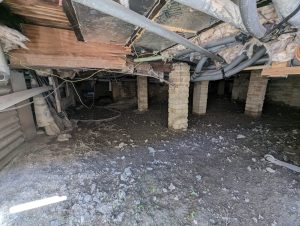

Active ecological oversight during construction, keeping your site compliant, protected and moving when ecology is a live planning risk.
Whether your site is live or about to start, if ecological conditions, licences or method statements apply, an Ecological Clerk of Works can provide on-site ecological support throughout the construction process.
Once construction begins, ecological risk becomes immediate. An ECoW exists to manage that risk in real time, so your programme does not stall due to avoidable legal or planning breaches.
Where surveys and reports set the rules, an ECoW makes sure those rules are applied correctly on site.
Immediate ecological decision-making during works.
Alignment with planning conditions, licences and RAMS.
Advice site teams can act on instantly.
Clean handover into condition discharge and regulator review.
We review ecological controls before works begin so site teams know exactly what applies, when, and why.
This typically includes:
Outcome: fewer first-week stoppages and no reactive redesign.
Ecological oversight is available while work is happening, not after problems arise. During construction, the ECoW provides active, on-site ecological control.
Support may include:
Outcome: risks handled immediately, without escalation.
After works, the ECoW supports condition discharge and record keeping with evidence planners can rely on.
This may involve:
Outcome: smoother discharge of conditions and fewer late queries.
Risk control.
An ECoW prevents small issues from becoming legal problems.

If your site is live — or about to start — ecological risk needs active control.
We’ll confirm whether ECoW input is required and scope it proportionately from the outset.
Phone: 0800 494 7479
Email: [email protected]
We cover many areas across England. Click below to find out more.
An Ecological Clerk of Works is a qualified ecologist appointed to oversee construction activities and ensure that all ecological requirements set out in planning conditions, mitigation strategies, and environmental reports are properly implemented on site.
ECoW support bridges the gap between planning approval and construction, ensuring compliance is delivered in practice, not just on paper.
An ECoW is typically required where ecological planning conditions have been attached to a development.
This commonly includes:
Local Planning Authorities will often specify ECoW supervision within decision notices or ecological reports.
The role of an ECoW is to supervise works and ensure ecological protection measures are correctly followed during construction.
This typically includes:
The ECoW acts as an independent safeguard to prevent ecological harm and planning breaches.
Ecological surveys such as PEAs or PRAs inform planning decisions.
An ECoW operates after planning approval, during the construction phase, to ensure those survey recommendations and mitigation measures are properly implemented.
In simple terms:
An ECoW is not a standalone legal requirement, but it becomes mandatory where it is specified within planning conditions, ecological reports, or protected species licences.
Failure to comply with these requirements can lead to:
An ecological watching brief is a form of ECoW supervision where an ecologist is present during specific high risk construction activities.
This may include:
The purpose is to monitor works in real time and respond immediately if ecological issues arise.
In many cases, yes.
Even small developments may require ECoW supervision where:
The requirement is based on ecological risk, not just site size.
Failure to implement ECoW supervision where required can result in serious consequences.
These may include:
Engaging an ECoW ensures compliance is managed proactively rather than reactively.
ECoW input is typically scheduled around key construction stages.
This may include:
The level of involvement depends on the ecological sensitivity of the site and planning requirements.
Yes. An ECoW will usually provide site records and compliance reporting to demonstrate that ecological requirements have been met.
This may include:
These records are often required by Local Planning Authorities to confirm that works have been carried out correctly.
The developer or client typically appoints the ECoW, often following recommendations within ecological reports submitted at planning stage.
The ECoW must be suitably qualified and experienced to ensure credibility with planners and regulators.
Local Planning Authorities enforce ECoW requirements through planning conditions and compliance checks.
For example, guidance from authorities such as
https://www.planningportal.co.uk/
and individual council validation requirements will often specify ecological supervision where necessary.
Failure to meet these conditions can prevent discharge of planning conditions and delay project completion.
An ECoW should be a professional ecologist with:
This ensures decisions on site are both legally compliant and technically robust.
Yes, in many cases.
Where Biodiversity Net Gain measures are being implemented on site, an ECoW may:
This supports successful delivery of ecological enhancements alongside development.
