(HMMP) Habitat Management & Monitoring Plan in Essex

Habitat Management and Monitoring Plan (HMMP) in Essex

Do you need to secure long-term habitat compliance in Essex after Biodiversity Net Gain approval?

We produce council-ready HMMPs that secure habitat delivery and 30-year monitoring, keeping your development compliant well beyond construction.

Fast, Clear, Planning-Ready Support

Fast response 

Calls answered in 2 rings, emails replied to within the hour.

Free expert advice

Clear guidance before you commit.

Cost-effective

Working in partnership with clients to ensure planning approval first time

Typical 10-day turnaround

Industry Leading Standard

Expert Team

We stay with you from first call through to submission. 

Do You Need a Habitat Management and Monitoring Plan in Essex?

Where Biodiversity Net Gain applies, an HMMP is required to legally secure how habitats will be managed and monitored for 30 years after development. In Essex, you will need an HMMP if your planning permission includes a biodiversity condition that requires long-term habitat creation or enhancement.

Planning officers in Essex most frequently require formal HMMP evidence where development affects or delivers:

  • Strategic housing growth, new settlements and urban extensions across Chelmsford, Colchester, Harlow and Basildon 
  • Port, logistics and infrastructure-led development connected to the A12, M11, Thames Gateway, London Gateway and Port of Tilbury corridors 
  • Greenfield release, rural edge schemes and estate-led development across Uttlesford, Braintree District, Maldon and Rochford 
  • River corridors, coastal floodplains and estuarine habitats associated with the River Thames, Chelmer, Blackwater, Colne estuaries and the North Kent Marshes fringe 

If this long-term management evidence is not secured in the correct format, biodiversity conditions cannot be formally discharged.

We provide Habitat Management & Monitoring Plans across Essex, including areas such as Chelmsford, Colchester, Basildon, Southend-on-Sea, Harlow, Brentwood, Clacton-on-Sea, Epping, and all surrounding towns, villages, and rural locations across the county.

Why Planning Authorities in Essex Require an HMMP

Planning Authorities across Essex require HMMPs to secure the 30-year delivery of habitats created through Biodiversity Net Gain, as set out under the Environment Act 2021. The HMMP provides the legally enforceable framework for management, monitoring and reporting. Without an approved HMMP, long-term biodiversity obligations remain legally unsecured.

Local Case Insight

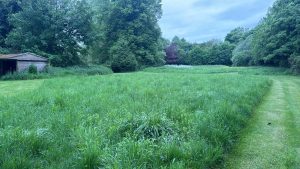
On a mixed residential and employment development near Harlow, planning permission required long-term management of newly created meadow grassland, native hedgerow corridors and attenuation wetlands delivered for BNG compliance. An HMMP was prepared setting out a 30-year programme of seasonal cutting, scrub management, wetland maintenance and ecological monitoring. The Plan aligned with a Section 106 agreement securing future stewardship of public open space and SuDS infrastructure. A Responsible Body was appointed to oversee inspections, reporting and compliance. The HMMP was approved without objection, allowing phased occupation and infrastructure handover to proceed on programme.

How the HMMP Process Works

We produce Habitat Management & Monitoring Plans aligned to Essex’s policy expectations.

Key HMMP Deliverables for Essex Projects

Your HMMP is structured to meet statutory planning requirements in Essex and typically includes:

  • Habitat management objectives and prescriptions — how each habitat will be maintained and enhanced

  • 30-year maintenance schedule — practical, year-by-year actions

  • Monitoring framework and reporting structure — how success is measured and documented

  • Legal responsibility and delivery framework — aligned with planning conditions, legal agreements or conservation covenants

This ensures long-term ecological compliance is secured, auditable and enforceable.

Step 1

Initial
Review

Assessment of BNG conditions, site layout and approved biodiversity proposals.

Step 2

Management Plan Draft

Habitat prescriptions, maintenance actions and monitoring schedules are set out.

Step 3

Coordination Stage

Alignment with build-out, handover or responsible body arrangements.

Step 4

Submission and Support

LPA queries or amendments are managed through to approval.

Next Steps

Ready to secure long-term biodiversity compliance in Essex? Contact us today. We’ll confirm whether an HMMP is required and ensure your biodiversity obligations remain secure for the full 30-year term.

FAQ - HMMP in Essex

When is a Habitat Management and Monitoring Plan required in Essex?

In Essex, a Habitat Management and Monitoring Plan is required where development proposals trigger Biodiversity Net Gain and habitat creation or enhancement contributes to approved biodiversity units. Planning decisions are made by district and borough councils including Chelmsford City Council, Colchester City Council, Basildon Borough Council and others. The detailed HMMP is typically secured by planning condition and must demonstrate how habitats will be delivered, managed and monitored for a minimum 30 year period in accordance with approved Biodiversity Metric calculations.

Essex contains extensive estuarine systems and coastal habitats. Where developments occur near the Thames Estuary, Blackwater Estuary or other coastal environments, habitat proposals must reflect saline influence, tidal dynamics and long term hydrological conditions. The HMMP must define realistic management prescriptions that respond to site specific environmental constraints.

Yes. Essex includes several large scale housing allocations and growth corridors. On phased developments, the HMMP must clearly set out habitat delivery sequencing, construction protection measures and monitoring coordination across development phases to ensure Biodiversity Net Gain is secured long term.

In most cases, yes. Essex LPAs commonly attach a pre commencement planning condition requiring approval of the detailed HMMP prior to site works. Early preparation reduces risk of delay where infrastructure and habitat creation are closely linked.

Common examples include species rich grassland creation, woodland planting, hedgerow enhancement, wetland features within sustainable drainage systems and retained semi natural habitats. In coastal areas, proposals may also include saltmarsh or transitional grassland habitats. Each must have clearly defined condition benchmarks aligned with approved Biodiversity Metric outputs.

How should floodplain and drainage habitats be addressed within an HMMP?

Where habitats are associated with attenuation basins or floodplain management, the HMMP must define hydrological assumptions, vegetation targets and long term maintenance prescriptions. Monitoring should assess ecological performance rather than purely engineering functionality.

Essex contains active and historic mineral extraction sites. Where habitat delivery forms part of restoration proposals, the HMMP must clearly define aftercare objectives, substrate preparation methodology and long term monitoring frameworks to ensure alignment with Biodiversity Metric calculations.

Habitat delivery is typically secured through planning condition and may be reinforced by Section 106 agreements or conservation covenants. The HMMP must clearly identify the responsible management party and funding arrangements for the full 30 year obligation period.

Monitoring schedules should include early establishment surveys and continue at defined intervals across the 30 year management term. The HMMP must clearly specify survey timing, performance criteria and reporting procedures to the relevant authority.

Delays frequently arise where habitat targets are not measurable, hydrological assumptions are not clearly defined or metric outputs are not precisely referenced within the HMMP. Large phased schemes may also encounter delay where management responsibilities are unclear.

Related Services

Preliminary Roost Assessment (PRA) in Birmingham

Preliminary Roost Assessment (PRA) in Birmingham

Worried that bats could slow down your planning application in Birmingham?

Our specialist PRAs give you early clarity on ecological constraints so your project stays on programme and compliant.

Fast, Clear, Planning-Ready Support

Fast response 

Calls answered in 2 rings, emails replied to within the hour.

Free expert advice

Clear guidance before you commit.

Cost-effective

Working in partnership with clients to ensure planning approval first time

Typical 10-day turnaround

Industry Leading Standard

Expert Team

We stay with you from first call through to submission. 

Do you Need a Preliminary Roost Assessment (PRA) in Birmingham?

For homeowners, a PRA is typically required when roof alterations, loft conversions, garage or outhouse upgrades, or other structural works interact with buildings that show potential bat access points. Birmingham City Council frequently requests confirmation that bats are not using the structure before approving works.

For developers, PRAs are needed when existing buildings, boundary trees, or retained features form part of a planning submission and the LPA requires defensible evidence of bat risk before deciding if further surveys are necessary. This often applies to residential infill, conversions, mixed-use regeneration, and public-realm improvement schemes.

Early verification at PRA stage helps avoid seasonal survey delays, redesign, or unplanned licensing requirements.

In Birmingham, Preliminary Roost Assessments are most commonly requested where development interfaces with:

  • Victorian and early-20th-century housing across areas such as Harborne, Kings Heath, Erdington and Handsworth, where loft voids, lifted tiles and masonry gaps provide potential roost access
  • Redundant garages, industrial remnants or derelict outbuildings in regeneration areas including Digbeth, Stirchley and Ladywood
  • Brownfield plots in Edgbaston, Perry Barr and Longbridge where legacy structures are incorporated into new schemes
  • Green corridors including the River Rea, Cole Valley, the Tame, and Birmingham’s extensive canal network (Worcester & Birmingham Canal, Grand Union Canal), as well as treelines and hedgerow systems that adjoin development sites

PRAs are routinely checked at validation whenever bat roost potential is conceivable.

Our PRA services cover Birmingham and all surrounding neighbourhoods.

Why Birmingham Planning Authorities Request Preliminary Roost Assessments

Birmingham City Council requires PRAs where buildings, trees or structures show any credible bat interest under the Wildlife & Countryside Act 1981, the Conservation of Habitats and Species Regulations 2017 and national planning policy. Without a PRA, planners cannot lawfully determine whether dusk emergence surveys or mitigation licensing will be needed. Missing evidence often leads to validation delays, extra conditions or enforced seasonal waiting.

Where a Birmingham scheme involves demolition, conversion or significant modification, PRA findings should be secured before the application is submitted.

Local Case Insight

A small domestic extension project in Selly Park involved upgrading an ageing brick garage adjacent to mature gardens and the River Rea corridor. Works included partial roof replacement and new openings. The Preliminary Roost Assessment recorded several potential roost features—mainly lifted tiles and soffit crevices—but no direct evidence of bat use. With PRA evidence in place, Birmingham City Council validated the application and issued a condition requiring a single dusk emergence survey in summer. This early clarity prevented re-design and allowed the project to progress without seasonal disruption.

The Preliminary Roost Assessment Process

Our Preliminary Roost Assessments in Birmingham provide fully compliant reports accepted by local planning authorities. It prevents avoidable emergence delays, stabilises planning submissions and ensures that any further survey requirements are proportionate and justified.

Key Deliverables for Birmingham Projects

Where bat scoping is necessary to unlock planning in Birmingham, a PRA provides:

  • a legally robust preliminary roost assessment report
  • confirmed roost-potential classification
  • clarity on whether dusk emergence surveys are required
  • early understanding of licensing likelihood
  • documentation presented in a format aligned to Birmingham City Council and neighbouring authorities

The result: certainty rather than escalation.

Step 1

Programme & Scoping

Proposed works, construction sequence and planning feedback are reviewed to define PRA scope.

Step 2

Daytime Roost Inspection

Inspection of buildings, structures or trees for roost features and bat evidence in line with lawful survey guidance.

Step 3

Assessment

Roost potential classification and planning implications interpreted against LPA validation requirements.

Step 4

Reporting & Integration

Evidence is reported for planning submissions and coordinated with Bat Emergence Surveys or PEAs where required.

Next Steps

Need to confirm whether a Birmingham property or development requires a Preliminary Roost Assessment?


Submit the site details and confirmation is provided before your application reaches validation.

FAQ - Preliminary Roost Assessments in Birmingham

Do Birmingham planning authorities require dusk emergence surveys for most roof works?

Not always, but where any degree of roost potential is recorded, the LPA will normally expect at least a PRA to support validation.

Birmingham Planning Links

Yes. PRAs are daytime inspections and can be completed year-round. Seasonal constraints apply only to dusk emergence surveys.

Low potential often still requires at least one dusk emergence survey before demolition or conversion works can be validated.

Does a PRA confirm that bats are absent in Birmingham?

No. A PRA determines the level of risk and identifies whether further surveys are essential to establish presence or likely absence.

Planning officers may request updated PRA evidence if building condition or setting changes, or where more than 18–24 months have passed.

Yes—unless reliable, recent bat-survey evidence already exists, a PRA is required to determine whether an emergence survey is justified.

Related Services

Preliminary Roost Assessment (PRA) in Coventry

Preliminary Roost Assessment (PRA) in Coventry

Concerned that bats may disrupt or slow your planning application in Coventry?


Our specialist PRAs provide early, reliable insight into ecological constraints, safeguarding your programme from unnecessary delays.

Fast, Clear, Planning-Ready Support

Fast response 

Calls answered in 2 rings, emails replied to within the hour.

Free expert advice

Clear guidance before you commit.

Cost-effective

Working in partnership with clients to ensure planning approval first time

Typical 10-day turnaround

Industry Leading Standard

Expert Team

We stay with you from first call through to submission. 

Do you Need a Preliminary Roost Assessment (PRA) in Coventry?

Homeowners typically require a PRA when roof works, loft conversions, structural alterations, or refurbishment of older buildings have the potential to disturb features that bats may use for shelter. Coventry City Council routinely asks for evidence confirming that bats are not present before granting consent for such works.

Developers require PRAs when existing structures, mature trees, bridges or retained elements form part of a planning submission. Planners rely on PRA evidence to determine whether additional bat surveys are legally necessary. This affects housing developments, regeneration schemes, conversions, extensions and infrastructure upgrades across the city.

Confirming requirements at the PRA stage reduces the risk of seasonal survey delays, redesign, or unexpected licensing obligations.

Across Coventry, Preliminary Roost Assessments are most commonly requested where development interacts with:

  • Period properties in areas such as Earlsdon, Stoke, Cheylesmore and Radford, where lifted tiles, roof voids and brickwork gaps offer potential roost features
  • Older farm buildings and detached outbuildings on the rural fringes around Keresley, Allesley and Baginton
  • Regeneration zones around Foleshill, Hillfields and the city centre, where disused or partially derelict buildings remain within development proposals
  • Established green corridors including the River Sowe, River Sherbourne, Canley Brook and Coventry Canal, as well as hedgerows and treelines running through development sites

PRAs are routinely checked at validation wherever bat interest cannot be ruled out.

Our PRA services cover all Coventry districts and surrounding villages.

Why Coventry Planning Authorities Request Preliminary Roost Assessments

Coventry City Council requires PRAs wherever buildings, trees or structures could feasibly support roosting bats, in accordance with the Wildlife & Countryside Act 1981, the Conservation of Habitats and Species Regulations 2017 and national planning policy. Without a PRA, planners cannot lawfully decide whether dusk emergence surveys or protected-species licences may be needed. Missing evidence frequently causes validation issues, delays or added planning conditions.

If a Coventry scheme includes demolition, conversion, or structural modification, PRA findings should be secured before the planning application is submitted.

Local Case Insight

A small conversion project in Coundon involved refurbishing a detached brick garage close to mature gardens and a treelined boundary. The works required re-roofing and structural alteration. The Preliminary Roost Assessment identified several potential roosting features—primarily lifted felt edges and fascia gaps—but no direct evidence of bats. With the PRA submitted, Coventry City Council validated the application and issued a condition requiring a dusk emergence survey during the summer. Early clarity avoided costly design changes and ensured the project could advance without seasonal delay.

The Preliminary Roost Assessment Process

Our Preliminary Roost Assessments in Coventry provide fully compliant reports accepted by local planning authorities. It prevents avoidable emergence delays, stabilises planning submissions and ensures that any further survey requirements are proportionate and justified.

Key Deliverables for Coventry Projects

Where bat scoping is necessary to progress planning in Coventry, a PRA provides:

  • a compliant, evidence-based preliminary roost assessment report
  • confirmed evaluation of roost potential
  • a clear statement on whether emergence surveys are needed
  • early indication of licensing requirements
  • documentation formatted for Coventry City Council and neighbouring authorities

The outcome is clarity and predictable next steps.

Step 1

Programme & Scoping

Proposed works, construction sequence and planning feedback are reviewed to define PRA scope.

Step 2

Daytime Roost Inspection

Inspection of buildings, structures or trees for roost features and bat evidence in line with lawful survey guidance.

Step 3

Assessment

Roost potential classification and planning implications interpreted against LPA validation requirements.

Step 4

Reporting & Integration

Evidence is reported for planning submissions and coordinated with Bat Emergence Surveys or PEAs where required.

Next Steps

Need to confirm whether a Coventry property or development requires a Preliminary Roost Assessment?


Submit the site details and confirmation is provided before your application reaches validation.

FAQ - Preliminary Roost Assessments in Birmingham

Do Coventry planning authorities require dusk emergence surveys for most roof works?

Not for all cases, but when roost potential is identified, the LPA generally expects a PRA before validation and may request dusk surveys where risk is present.

Coventry Planning Links

Yes. PRAs are daytime assessments and are not seasonally restricted. Only dusk emergence surveys are subject to seasonal windows.

Low potential usually results in the requirement for at least one dusk emergence survey before demolition or conversion works are approved.

Does a PRA confirm that bats are absent in Coventry?

No. A PRA identifies the level of risk and determines whether further surveys are required to establish presence or likely absence.

LPAs may request updated PRA evidence where the condition of the building changes or where more than 18–24 months have elapsed.

Yes—unless recent, robust bat-survey data already exists, a PRA must be completed first to justify whether an emergence survey is necessary.

Related Services

Habitat Management and Monitoring Plan (HMMP) in Lichfield

Habitat Management and Monitoring Plan (HMMP) in Lichfield

Do you need to secure long-term habitat compliance in Lichfield after Biodiversity Net Gain approval?

We produce council-ready HMMPs that secure habitat delivery and 30-year monitoring, keeping your development compliant well beyond construction.

Fast, Clear, Planning-Ready Support

Fast response 

Calls answered in 2 rings, emails replied to within the hour.

Free expert advice

Clear guidance before you commit.

Cost-effective

Working in partnership with clients to ensure planning approval first time

Typical 10-day turnaround

Industry Leading Standard

Expert Team

We stay with you from first call through to submission. 

Do You Need a Habitat Management and Monitoring Plan in Lichfield?

Where Biodiversity Net Gain applies, an HMMP is required to legally secure how habitats will be managed and monitored for 30 years after development. In Lichfield, you will need an HMMP if your planning permission includes a biodiversity condition that requires long-term habitat creation or enhancement.

Planning officers in Lichfield often require a formal Habitat Management & Monitoring Plan (HMMP) where development impacts or provides:

  • Growth and regeneration areas in Streethay, Fradley, Burntwood, Chasetown and Lichfield City

  • Employment and logistics sites linked to Fradley Park, Lichfield South and the A38/A5148 corridors

  • Settlement-edge and greenfield proposals near Shenstone, Whittington, Hammerwich and Elmhurst

  • River corridors, canal networks and sensitive environments associated with the River Trent, Curborough Brook and the Coventry Canal

Where long-term ecological management is required, Lichfield District Council will not discharge biodiversity conditions without a compliant HMMP. Missing documentation disrupts BNG compliance and commonly delays planning approval.

We prepare Habitat Management & Monitoring Plan services across Lichfield, including Fradley, Burntwood, Streethay, Whittington, Shenstone, Wall, Elmhurst, and surrounding rural areas across the district.

Why Planning Authorities in Lichfield Require an HMMP

Across Lichfield District, planning authorities require a Habitat Management & Monitoring Plan to ensure the 30-year delivery and upkeep of Biodiversity Net Gain habitats, meeting the statutory expectations of the Environment Act 2021. The HMMP acts as the legal mechanism for managing, monitoring and reporting outcomes. Without this document, long-term biodiversity duties cannot be formally secured.

Local Case Insight

On a residential and commercial site within Lichfield District, the planning consent mandated 30 years of habitat management and monitoring to meet Biodiversity Net Gain obligations. A structured HMMP set out maintenance prescriptions, ecological monitoring cycles, performance thresholds and defined responsibilities. The Local Planning Authority approved the document, providing confidence that biodiversity would be delivered and maintained long-term.

How the HMMP Process Works

We produce Habitat Management & Monitoring Plans aligned to Lichfield’s policy expectations.

Key HMMP Deliverables for Lichfield Projects

Your HMMP for Lichfield District is structured to meet local BNG policy and planning requirements, typically covering:

  • Management objectives and enhancement steps — describing how habitats will be protected and improved

  • A long-term 30-year management timetable — with yearly tasks and milestone activities

  • A formal monitoring and reporting mechanism — detailing how results will be tracked and submitted

  • Clear accountability and delivery pathways — tied to planning conditions or legal obligations

This provides a robust, long-term framework that secures compliance and demonstrable biodiversity delivery.

Step 1

Initial
Review

Assessment of BNG conditions, site layout and approved biodiversity proposals.

Step 2

Management Plan Draft

Habitat prescriptions, maintenance actions and monitoring schedules are set out.

Step 3

Coordination Stage

Alignment with build-out, handover or responsible body arrangements.

Step 4

Submission and Support

LPA queries or amendments are managed through to approval.

Next Steps

Ready to secure long term biodiversity compliance in Lichfield? Contact us today. We’ll confirm whether an HMMP is required and ensure your biodiversity obligations remain secure for the full 30-year term.

FAQ - HMMP in Lichfield

When is an HMMP required in Lichfield?

An HMMP is required where developments need long-term habitat management to comply with Biodiversity Net Gain obligations.

Housing expansion around Streethay and Fradley, mixed-use schemes, employment sites near the A38 and projects affecting canal or river corridors.

It gives the District Council the information needed to confirm long-term BNG delivery and discharge planning conditions.

Is a full 30-year maintenance plan required?

Yes — Lichfield District Council expects the HMMP to set out the full 30 years of management and monitoring.

Delivery may be assigned to developers, landowners, estate managers or third-party environmental bodies.

BNG conditions remain outstanding, delaying or preventing development from progressing.

Related Services

Preliminary Roost Assessment (PRA) in Wolverhampton

Preliminary Roost Assessment (PRA) in Wolverhampton

Concerned that bats might hold up your planning application in Wolverhampton?


Our specialist PRAs provide early, reliable insight into ecological constraints, helping your project move forward without unnecessary delay.

Fast, Clear, Planning-Ready Support

Fast response 

Calls answered in 2 rings, emails replied to within the hour.

Free expert advice

Clear guidance before you commit.

Cost-effective

Working in partnership with clients to ensure planning approval first time

Typical 10-day turnaround

Industry Leading Standard

Expert Team

We stay with you from first call through to submission. 

Do you Need a Preliminary Roost Assessment (PRA) in Wolverhampton?

Homeowners often need a PRA when proposed roof works, loft conversions, extensions, or structural refurbishments interact with buildings that could offer bat access points. Wolverhampton City Council frequently requests evidence confirming that bats are not using the structure before approving works.

For developers, PRAs are required whenever existing buildings, mature trees, bridges or retained structures form part of a planning submission. The Council relies on PRA findings to decide whether further bat surveys are legally required. This applies to residential schemes, conversions, commercial redevelopment, regeneration sites and infrastructure upgrades.

Carrying out a PRA early prevents seasonal delays, redesign requirements and unexpected licensing issues later in the process.

Across Wolverhampton, Preliminary Roost Assessments are most commonly requested where development affects:

  • Victorian and pre-war housing in areas such as Penn, Tettenhall, Whitmore Reans and Blakenhall, where lifted tiles, roof voids and gaps in brickwork can provide potential roost features
  • Former farm buildings, stables, and detached outbuildings around Wolverhampton’s rural edges, including Wombourne, Pattingham and Perton
  • Regeneration and brownfield locations such as Bilston, Springfield and Heath Town, where disused industrial or ancillary buildings sit within new proposals
  • Green and linear corridors, including the Smestow Brook, Wyrley & Essington Canal, the Staffordshire & Worcestershire Canal, and well-established treelines and hedgerows

PRAs are frequently checked at validation where any level of bat potential exists.

Our PRA services cover all Wolverhampton districts and surrounding areas.

Why Wolverhampton Planning Authorities Request Preliminary Roost Assessments

Wolverhampton City Council requires PRAs where buildings, trees or structures present feasible roost opportunities, in line with the Wildlife & Countryside Act 1981, the Conservation of Habitats and Species Regulations 2017 and national planning policy. Without a PRA, planners cannot lawfully decide whether dusk emergence surveys or protected-species licences are necessary. Missing evidence typically leads to validation delays, additional planning conditions or seasonal setbacks.

Where a Wolverhampton project includes demolition, roof replacement, conversion or structural alteration, PRA findings should be obtained before submitting your application.

Local Case Insight

A small residential upgrade in Finchfield involved refurbishing an ageing brick outbuilding backing onto a well-established treeline. Proposed works included re-roofing and the installation of new openings. The Preliminary Roost Assessment highlighted several potential roosting features—mainly gaps beneath ridge tiles and lifted soffits—though no direct bat evidence was found. The PRA allowed Wolverhampton City Council to validate the application and condition a single dusk emergence survey in summer. Early clarity prevented design changes and ensured the project could maintain its planned schedule.

The Preliminary Roost Assessment Process

Our Preliminary Roost Assessments in Wolverhampton provide fully compliant reports accepted by local planning authorities. It prevents avoidable emergence delays, stabilises planning submissions and ensures that any further survey requirements are proportionate and justified.

Key Deliverables for Wolverhampton Projects

Where bat scoping is required to support planning in Wolverhampton, a PRA provides:

  • a legally compliant preliminary roost assessment report
  • a clear classification of roost potential
  • confirmation of whether dusk emergence surveys are necessary
  • an early indication of licensing requirements
  • reporting structured for Wolverhampton City Council and neighbouring authorities

The result is clear direction and controlled project risk.

Step 1

Programme & Scoping

Proposed works, construction sequence and planning feedback are reviewed to define PRA scope.

Step 2

Daytime Roost Inspection

Inspection of buildings, structures or trees for roost features and bat evidence in line with lawful survey guidance.

Step 3

Assessment

Roost potential classification and planning implications interpreted against LPA validation requirements.

Step 4

Reporting & Integration

Evidence is reported for planning submissions and coordinated with Bat Emergence Surveys or PEAs where required.

Next Steps

Need to confirm whether a Wolverhampton property or development requires a Preliminary Roost Assessment?


Submit the site details and confirmation is provided before your application reaches validation.

FAQ - Preliminary Roost Assessments in Wolverhampton

Do Wolverhampton planning authorities require dusk emergence surveys for most roof works?

Not always, but where roost potential exists, the LPA generally requires at least a PRA before validation and may request emergence surveys where risk remains.

Wolverhampton Planning Links

Yes. PRAs are daytime inspections and can be undertaken year-round. Only dusk emergence surveys are seasonally restricted.

Low potential usually triggers the requirement for at least one dusk emergence survey before planners will approve demolition or conversion works.

Does a PRA confirm that bats are absent in Wolverhampton?

No. A PRA determines the likelihood of bat use and sets out whether further surveys are needed to establish presence or likely absence.

LPAs may request an updated PRA if the structure or habitat context changes, or if more than 18–24 months have passed.

Yes—unless recent, valid bat-survey data already exists, a PRA is required first to determine whether emergence surveys are necessary.

Related Services

Biodiversity Gain Plan in Trafford

Biodiversity Gain Plan in Trafford

Do you need a Biodiversity Gain Plan in Trafford before you can start work?

Where Biodiversity Net Gain applies, a Biodiversity Gain Plan becomes the legal document that allows work to begin. We put that plan together clearly, correctly and in a format councils approve, so your project moves ahead.

Fast, Clear, Planning-Ready Support

Fast response 

Calls answered in 2 rings, emails replied to within the hour.

Free expert advice

Clear guidance before you commit.

Cost-effective

Working in partnership with clients to ensure planning approval first time

Typical 10-day turnaround

Industry Leading Standard

Expert Team

We stay with you from first call through to submission. 

Do you need a Biodiversity Gain Plan in Trafford?

Biodiversity Net Gain is now a statutory requirement for most developments, and Trafford Council applies these duties across a wide range of planning proposals. A Biodiversity Gain Plan sets out how biodiversity on the site will improve from its verified baseline, supported by reliable evidence and a clearly justified Metric. Trafford planners rely on this document to confirm that the uplift meets national legislation and aligns with the borough’s ecological priorities. When the information is incomplete or unclear, applications frequently encounter validation issues, so presenting a defensible baseline and a workable uplift strategy is essential for smooth progress.

Trafford Council commonly requests Biodiversity Gain Plan information where proposals may affect:

  • River corridors connected to the Mersey and associated wetlands

  • Regeneration land and former industrial plots that now support emerging habitat

  • Established parks, woodland edges and greenspace used for wildlife movement

  • Rail lines, tram routes and other transport corridors that function as linked habitat channels

Clear and well structured submission material helps avoid delays and supports timely validation by Trafford’s planning team.

We support schemes across the Trafford borough, including Altrincham, Sale, Stretford, Urmston, Partington, Old Trafford, Timperley, Hale, Broadheath and all surrounding neighbourhoods within the local authority area.

Why Planning Authorities in Trafford Request a Biodiversity Gain Plan

Trafford Council encourages applicants to address Biodiversity Net Gain at an early stage so planners can clearly understand how uplift will be delivered and secured over the long term. This typically involves confirming a defensible ecological baseline, completing a Metric that sets out the change in biodiversity units and preparing a practical, locally appropriate strategy for delivery and management. These expectations follow national policy in NPPF Section 15 and ensure Biodiversity Gain Plans submitted in Trafford are robust and ready for detailed review. Establishing the baseline early also reduces the likelihood of later redesign and supports a smoother route through the Trafford planning process.

Local Case Insight

A Biodiversity Gain Plan prepared for a mixed residential and commercial scheme near Trafford Park highlighted a network of grassland patches and scattered scrub along a disused access track. Although the area initially appeared low value, the Metric identified these features as part of a broader habitat link between the industrial estate and the nearby canal corridor. By revising the layout to retain these habitat pockets and strengthening them with native planting and long term management, the uplift required for the Biodiversity Gain Plan was achieved within the site boundary. Trafford Council was able to discharge the BNG condition promptly, allowing the development to proceed without delay.

How the Biodiversity Gain Plan Process Works

We prepare compliant, planning-ready Biodiversity Gain Plans that meet Trafford’s policy requirements and keep your BNG on track.

Key BGP Deliverables for Trafford Projects

For developments in Trafford, our Biodiversity Gain Plans provide the core information expected by local planning officers. Each Plan includes:

  • Habitat delivery strategy — how and where biodiversity uplift will be achieved

  • Mapped habitat parcels — legally reliable plans linking habitats to the approved metric

  • Optional integration with a Habitat Management & Monitoring Plan (HMMP) where 30-year management is required

  • Submission-ready planning document — formatted for Local Planning Authority approval

This structure offers an efficient and proportionate route to discharging the BNG condition.

Step 1

Initial review

We assess your existing BNG assessment, site layout and planning condition.

Step 2

Plan preparation

Habitat delivery proposals, mapping and management requirements are drafted.

Step 3

Coordination stage

The plan is aligned with your build programme and any wider ecological or planning documents.

Step 4

Submission and support

 We respond to any LPA queries or amendments required.

Next Steps

Ready to secure approval and start on site? We’ll confirm what your Trafford site needs and help you move forward without unnecessary delay. 

FAQ - BGP in Trafford

Do I need a Biodiversity Gain Plan for development in Trafford?

Yes. Most developments in Trafford that fall under Biodiversity Net Gain rules must submit an approved Biodiversity Gain Plan before any on site works can begin.

Until the Plan is approved, the BNG condition cannot be discharged and development cannot lawfully proceed.

It is normally submitted after planning permission is granted but before Trafford Council can discharge the BNG condition.

A confirmed ecological baseline, a completed Metric, mapped habitat parcels and a clear strategy for delivering and managing biodiversity uplift.


Can a project in Trafford start without an approved Biodiversity Gain Plan?

No. If the permission includes a BNG condition, Trafford Council must approve the Plan before development can lawfully commence.

A qualified ecologist experienced in the Metric and Biodiversity Net Gain requirements should prepare the Plan to ensure it meets Trafford’s validation standards.

Off site biodiversity units within Greater Manchester may be used. Statutory credits apply only when no other delivery routes are available.

Related Services

Biodiversity Gain Plan in Bolton

Biodiversity Gain Plan in Bolton

Do you need a Biodiversity Gain Plan in Bolton before you can start work?

Where Biodiversity Net Gain applies, a Biodiversity Gain Plan becomes the legal document that allows work to begin. We put that plan together clearly, correctly and in a format councils approve, so your project moves ahead.

Fast, Clear, Planning-Ready Support

Fast response 

Calls answered in 2 rings, emails replied to within the hour.

Free expert advice

Clear guidance before you commit.

Cost-effective

Working in partnership with clients to ensure planning approval first time

Typical 10-day turnaround

Industry Leading Standard

Expert Team

We stay with you from first call through to submission. 

Do you need a Biodiversity Gain Plan in Bolton?

Biodiversity Net Gain is now a legal planning requirement for most developments across Greater Manchester, and Bolton Council applies this consistently. A Biodiversity Gain Plan sets out how ecological value on a site will increase from the verified baseline, supported by clear evidence and a defensible Metric. Planning officers depend on this document to confirm that the uplift meets national legislation and aligns with Bolton’s ecological priorities. When details are incomplete, many applications experience validation delays, so a well presented baseline and an achievable uplift strategy are essential for smooth progress through planning.

Bolton Council often requests Biodiversity Gain Plan information for developments that may affect:

  •  valley systems connected to the Croal, the Tonge and associated brooks
  • regeneration and former mill sites that now support emerging habitat
  •  parks, woodland edges and publicly accessible greenspace used by local wildlife
  • rail routes, cuttings and transport corridors that function as linear habitat connections

Clear supporting evidence reduces the risk of validation issues and helps planning move forward without unnecessary delay.

We support sites across the Bolton borough, including Farnworth, Horwich, Westhoughton, Little Lever, Kearsley, Breightmet, Great Lever, Tonge and all other neighbourhoods within the local authority area.

Why Planning Authorities in Bolton Request a Biodiversity Gain Plan

Bolton Council encourages applicants to address Biodiversity Net Gain early so planners can understand precisely how uplift will be delivered and secured. This usually involves confirming a defensible UKHab baseline, completing a Metric that shows the change in biodiversity units and preparing a practical strategy for delivering and managing the gain. These steps reflect national policy in NPPF Section 15 and ensure Biodiversity Gain Plans submitted in Bolton are robust and ready for review.

Early baseline clarity also reduces the likelihood of redesign later and supports smoother progression through the planning process.

Local Case Insight

A Biodiversity Gain Plan prepared for a mixed development near Little Lever revealed that a strip of unmanaged land alongside an old industrial boundary supported early stage woodland and tall herb habitat of higher value than expected. These features acted as a small but important link between nearby riverside habitats and adjacent greenspace. By adjusting the layout to retain these areas and strengthening them with native planting and long term management, the project achieved the required uplift on site. Bolton Council discharged the BNG condition without delay, allowing the scheme to move ahead without additional off site units.

How the Biodiversity Gain Plan Process Works

We prepare compliant, planning-ready Biodiversity Gain Plans that meet Bolton’s policy requirements and keep your BNG on track.

Key BGP Deliverables for Bolton Projects

For developments in Bolton, our Biodiversity Gain Plans provide the core information planning officers expect. Each Plan includes:

  •  a clear delivery strategy showing how biodiversity uplift will be achieved
  • mapped habitat parcels linked to the approved Metric
  • optional long term management content for the HMMP
  • a submission ready planning document suitable for Bolton Council approval

This structure offers a reliable route to discharging the BNG condition.

Step 1

Initial review

We assess your existing BNG assessment, site layout and planning condition.

Step 2

Plan preparation

Habitat delivery proposals, mapping and management requirements are drafted.

Step 3

Coordination stage

The plan is aligned with your build programme and any wider ecological or planning documents.

Step 4

Submission and support

 We respond to any LPA queries or amendments required.

Next Steps

Ready to secure approval and start on site? We’ll confirm what your Bolton site needs and help you move forward without unnecessary delay. 

FAQ - BGP in Bolton

Do I need a Biodiversity Gain Plan for development in Bolton?

Yes. Most developments in Bolton that fall under BNG rules require an approved Biodiversity Gain Plan before work can begin on site.

This applies across councils such as:

Until the Plan is approved, the BNG condition cannot be discharged and development cannot lawfully proceed.

The Plan is usually required after planning permission is granted but before the BNG condition can be discharged. Development cannot start until the Plan is approved.

A confirmed baseline, a completed Metric, mapped habitat parcels and a clear strategy showing how uplift will be delivered and managed.


Can a Bolton development start without an approved Biodiversity Gain Plan?

No. If planning permission includes a BNG condition, Bolton Council must approve the Plan before construction can legally begin.

A qualified ecologist experienced in the Metric and BNG legislation should prepare the Plan to meet Bolton Council requirements.

Off site biodiversity units within Greater Manchester may be used. Statutory credits apply only where no other delivery routes are possible.

Related Services

Preliminary Roost Assessment (PRA) in Dudley

Preliminary Roost Assessment (PRA) in Dudley

Worried that bats could affect your planning application in Dudley?


Our specialist PRAs give you early, reliable insight into ecological constraints, keeping your project on track and compliant.

Fast, Clear, Planning-Ready Support

Fast response 

Calls answered in 2 rings, emails replied to within the hour.

Free expert advice

Clear guidance before you commit.

Cost-effective

Working in partnership with clients to ensure planning approval first time

Typical 10-day turnaround

Industry Leading Standard

Expert Team

We stay with you from first call through to submission. 

Do you Need a Preliminary Roost Assessment (PRA) in Dudley?

For homeowners, a PRA is typically required when roof works, loft conversions, extensions, or structural alterations interact with buildings that could provide access or shelter for bats. Dudley Council often requests confirmation that bats are not present before granting planning consent.

For developers, PRAs are necessary when existing structures, trees, bridges, or retained features form part of a planning submission. Council planners rely on PRA evidence to determine whether further surveys are needed to meet legal requirements. This applies to residential developments, conversions, brownfield regeneration projects, and infrastructure works.

Early assessment at the PRA stage reduces the risk of seasonal delays, redesigns, and unexpected licensing obligations.

Across Dudley, Preliminary Roost Assessments are most commonly requested where development interacts with:

  • Older housing stock in areas such as Brierley Hill, Sedgley, Netherton and Stourbridge, where lofts, ridge tiles, and masonry gaps may provide potential roosting features
  • Redundant outbuildings, barns, and detached garages across the semi-rural edges of Dudley borough, including Kinver, Claverley, and Gospel End
  • Brownfield and regeneration sites in areas like Halesowen, Tipton, and Dudley town centre, where legacy structures are retained within redevelopment schemes
  • Linear habitats and green corridors, including the River Stour, canals such as the Staffordshire & Worcestershire Canal and Dudley Canal, as well as hedgerows and treelines intersecting development sites

PRAs are routinely checked at validation whenever any level of bat potential exists.

Our PRA services cover all of Dudley borough and surrounding neighbourhoods.

Why Dudley Planning Authorities Request Preliminary Roost Assessments

Dudley Council requires PRAs wherever buildings, trees, or structures present potential roosting opportunities in line with the Wildlife & Countryside Act 1981, the Conservation of Habitats and Species Regulations 2017, and national planning policy. Without a PRA, planners cannot lawfully decide whether dusk emergence surveys or protected-species licences are needed. Missing evidence often results in validation delays, additional planning conditions, or seasonal waiting periods.

Where a Dudley project involves demolition, roof replacement, conversion, or structural alterations, PRA evidence should be obtained before submitting the planning application.

Local Case Insight

A residential refurbishment in Brierley Hill involved converting a detached brick garage adjoining mature gardens and a small stream. Proposed works included roof replacement and installation of new windows. The Preliminary Roost Assessment recorded several potential bat roost features, mainly gaps under ridge tiles and soffits, but no direct evidence of bats was found. With PRA evidence submitted, Dudley Council validated the application and issued a condition requiring a single dusk emergence survey during summer. Early assessment prevented redesign, avoided seasonal delays, and allowed the project to progress on schedule.

The Preliminary Roost Assessment Process

Our Preliminary Roost Assessments in Dudley provide fully compliant reports accepted by local planning authorities. It prevents avoidable emergence delays, stabilises planning submissions and ensures that any further survey requirements are proportionate and justified.

Key Deliverables for Birmingham Projects

Where bat scoping is needed to support planning in Dudley, a PRA provides:

  • a legally compliant preliminary roost assessment report
  • confirmed roost-potential classification
  • clear determination of whether dusk emergence surveys are required
  • early understanding of licensing requirements
  • documentation formatted for Dudley Council and neighbouring LPAs

The outcome: clarity and controlled project risk.

Step 1

Programme & Scoping

Proposed works, construction sequence and planning feedback are reviewed to define PRA scope.

Step 2

Daytime Roost Inspection

Inspection of buildings, structures or trees for roost features and bat evidence in line with lawful survey guidance.

Step 3

Assessment

Roost potential classification and planning implications interpreted against LPA validation requirements.

Step 4

Reporting & Integration

Evidence is reported for planning submissions and coordinated with Bat Emergence Surveys or PEAs where required.

Next Steps

Need to confirm whether a Dudley property or development requires a Preliminary Roost Assessment?


Submit the site details and confirmation is provided before your application reaches validation.

FAQ - Preliminary Roost Assessments in Dudley

Do Dudley planning authorities require dusk emergence surveys for most roof works?

Not in all cases, but where roost potential is identified, the LPA usually requires a PRA before validation and may request dusk emergence surveys where risk remains.

Dudley Planning Links

Yes. PRAs are daytime inspections and can be completed year-round. Only dusk emergence surveys are subject to seasonal restrictions.

Even low potential usually triggers at least one dusk emergence survey before demolition or conversion works can be validated.

Does a PRA confirm that bats are absent in Dudley?

No. A PRA identifies risk and determines whether further surveys are required to establish bat presence or likely absence.

LPAs may request updated PRA evidence where building condition or surrounding habitat changes, or if more than 18–24 months have passed.

Yes—unless robust, recent survey data already exists, a PRA is required to determine whether emergence surveys are needed.

Related Services

Habitat Management and Monitoring Plan (HMMP) in Cannock

Habitat Management and Monitoring Plan (HMMP) in Cannock

Do you need to secure long-term habitat compliance in Cannock after Biodiversity Net Gain approval?

We produce council-ready HMMPs that secure habitat delivery and 30-year monitoring, keeping your development compliant well beyond construction.

Fast, Clear, Planning-Ready Support

Fast response 

Calls answered in 2 rings, emails replied to within the hour.

Free expert advice

Clear guidance before you commit.

Cost-effective

Working in partnership with clients to ensure planning approval first time

Typical 10-day turnaround

Industry Leading Standard

Expert Team

We stay with you from first call through to submission. 

Do You Need a Habitat Management and Monitoring Plan in Cannock?

Where Biodiversity Net Gain applies, an HMMP is required to legally secure how habitats will be managed and monitored for 30 years after development. In Cannock, you will need an HMMP if your planning permission includes a biodiversity condition that requires long-term habitat creation or enhancement.

Planning officers in Cannock commonly require a formal Habitat Management & Monitoring Plan (HMMP) where development affects or establishes:

  • Regeneration and housing areas in Cannock, Hednesford, Heath Hayes, Norton Canes and Wimblebury

  • Employment, logistics and redevelopment sites linked to Kingswood Lakeside, Cannock Chase Enterprise Centre and the A5/A460 corridors

  • Greenfield and village-edge schemes around Rawnsley, Prospect Village and Hazelslade

  • Wetland systems, canal corridors and sensitive landscapes associated with the Cannock Extension Canal, Rising Brook and Trent tributaries

Where 30-year ecological oversight is needed, Cannock Chase District Council will not discharge BNG conditions until a compliant HMMP is submitted. Without this, biodiversity delivery cannot be secured, often delaying the planning process.

We provide Habitat Management and Monitoring Plan services across Stafford, including Beaconside, Castlefields, Doxey, Burleyfields, Great Bridgeford, Hyde Lea, Hopton, and surrounding villages and rural areas.

Why Planning Authorities in Cannock Require an HMMP

Planning authorities across Cannock require a Habitat Management & Monitoring Plan to secure the 30-year management of habitats delivered through Biodiversity Net Gain, as mandated by the Environment Act 2021. The HMMP forms the binding framework for long-term stewardship, including monitoring and reporting. Without it, biodiversity commitments cannot be legally secured.

Local Case Insight

On a multi-phase development in Cannock, planning consent required 30 years of active management and monitoring for newly created BNG habitats. A thorough HMMP was produced, including the management strategy, ecological monitoring programme, condition metrics and long-term accountability provisions. The Local Planning Authority approved the Plan in full, providing a legally robust framework for lasting biodiversity delivery far beyond the construction period.

How the HMMP Process Works

We produce Habitat Management & Monitoring Plans aligned to Cannock’s policy expectations.

Key HMMP Deliverables for Cannock Projects

Your HMMP for Cannock is prepared to satisfy local planning requirements and secure BNG delivery, and usually features:

  • Management objectives and habitat prescriptions — outlining long-term maintenance and improvement actions

  • A 30-year management schedule — with clear yearly and periodic tasks

  • A monitoring and reporting framework — specifying how progress will be evaluated and submitted

  • Responsibility and implementation arrangements — matched to planning conditions or legal agreements

This provides a clear, enforceable pathway for achieving long-term biodiversity compliance.

Step 1

Initial
Review

Assessment of BNG conditions, site layout and approved biodiversity proposals.

Step 2

Management Plan Draft

Habitat prescriptions, maintenance actions and monitoring schedules are set out.

Step 3

Coordination Stage

Alignment with build-out, handover or responsible body arrangements.

Step 4

Submission and Support

LPA queries or amendments are managed through to approval.

Next Steps

Ready to secure long term biodiversity compliance in Cannock? Contact us today. We’ll confirm whether an HMMP is required and ensure your biodiversity obligations remain secure for the full 30-year term.

FAQ - HMMP in Cannock

When is an HMMP required in Cannock?

An HMMP is required where developments need long-term habitat management to meet Biodiversity Net Gain conditions.

Housing growth around Hednesford and Norton Canes, employment expansion along the A5, and projects near the Cannock Extension Canal or local wetlands.

It gives the District Council the detail needed to confirm secure, long-term biodiversity delivery and discharge planning conditions.

Does Cannock require a full 30-year programme?

Yes — the HMMP must set out a complete and measurable 30-year management and monitoring structure.

Responsibility may be assigned to the developer, landowner, a management company or a specialist environmental partner.

BNG conditions remain outstanding, which can legally prevent development from starting.

Related Services

Preliminary Roost Assessment (PRA) in Walsall

Preliminary Roost Assessment (PRA) in Walsall

Concerned that bats might delay your planning application in Walsall?


Our expert-led PRAs provide early, reliable insight into ecological constraints, helping your project stay on schedule and compliant with planning regulations.

Fast, Clear, Planning-Ready Support

Fast response 

Calls answered in 2 rings, emails replied to within the hour.

Free expert advice

Clear guidance before you commit.

Cost-effective

Working in partnership with clients to ensure planning approval first time

Typical 10-day turnaround

Industry Leading Standard

Expert Team

We stay with you from first call through to submission. 

Do you Need a Preliminary Roost Assessment (PRA) in Walsall?

Homeowners typically need a PRA when roof works, loft conversions, extensions, or other structural alterations interact with buildings that may offer potential bat access points. Walsall Council often requests evidence confirming that bats are not present before granting planning consent.

Developers require PRAs when existing buildings, mature trees, bridges, or other retained structures form part of a planning submission. This helps planners determine whether additional surveys are necessary to meet legal requirements. PRAs are commonly needed for residential developments, conversions, brownfield regeneration, and infrastructure projects.

Early confirmation at the PRA stage helps avoid seasonal survey delays, redesign costs, and unexpected licensing issues.

Across Walsall, Preliminary Roost Assessments are most frequently requested where development interacts with:

  • Older housing stock in areas such as Bloxwich, Willenhall, Darlaston, and Pleck, where loft voids, lifted tiles, and masonry gaps can provide potential bat roosting features
  • Redundant outbuildings, garages, and farm buildings on the rural fringes of Walsall, including Aldridge, Pelsall, and Brownhills
  • Brownfield and regeneration zones in Walsall town centre and Palfrey, where legacy structures remain within new developments
  • Linear habitats and green corridors such as the River Tame, Wyrley & Essington Canal, and established hedgerows and treelines intersecting development plots

PRAs are routinely checked at validation wherever any bat roost potential exists.

Our PRA services cover all Walsall districts and surrounding neighbourhoods.

Why Walsall Planning Authorities Request Preliminary Roost Assessments

Walsall Council requires PRAs wherever buildings, trees, or structures may provide roosting opportunities, in line with the Wildlife & Countryside Act 1981, the Conservation of Habitats and Species Regulations 2017, and national planning policy. Without a PRA, planners cannot lawfully determine whether dusk emergence surveys or protected-species licences are required. Missing evidence often results in validation delays, additional planning conditions, or seasonal hold-ups.

Where a Walsall project involves demolition, conversion, roof replacement, or structural alterations, PRA evidence should be obtained before submitting the planning application.

Local Case Insight

A small residential conversion in Bloxwich involved refurbishing a detached garage next to mature gardens and a treeline corridor. Works included partial roof replacement and installation of new openings. The Preliminary Roost Assessment identified several potential roost features—mainly gaps beneath ridge tiles and soffits—but found no direct evidence of bats. With PRA evidence submitted, Walsall Council validated the application and conditioned a single dusk emergence survey during summer. Early clarity avoided design changes and ensured the project could proceed without seasonal delays.

The Preliminary Roost Assessment Process

Our Preliminary Roost Assessments in Walsall provide fully compliant reports accepted by local planning authorities. It prevents avoidable emergence delays, stabilises planning submissions and ensures that any further survey requirements are proportionate and justified.

Key Deliverables for Walsall Projects

Where bat scoping is required to support planning in Walsall, a PRA provides:

  • a legally defensible preliminary roost assessment report
  • confirmed roost-potential classification
  • identification of whether dusk emergence surveys are necessary
  • early indication of licensing requirements
  • documentation structured for Walsall Council and neighbouring LPAs

The result is clarity and reduced risk.

Step 1

Programme & Scoping

Proposed works, construction sequence and planning feedback are reviewed to define PRA scope.

Step 2

Daytime Roost Inspection

Inspection of buildings, structures or trees for roost features and bat evidence in line with lawful survey guidance.

Step 3

Assessment

Roost potential classification and planning implications interpreted against LPA validation requirements.

Step 4

Reporting & Integration

Evidence is reported for planning submissions and coordinated with Bat Emergence Surveys or PEAs where required.

Next Steps

Need to confirm whether a Walsall property or development requires a Preliminary Roost Assessment?


Submit the site details and confirmation is provided before your application reaches validation.

FAQ - Preliminary Roost Assessments in Birmingham

Do Walsall planning authorities require dusk emergence surveys for most roof works?

Not in all cases, but where roost potential exists, the LPA generally expects a PRA before validation and may request dusk emergence surveys where risk remains.

Walsall Planning Links

Yes. PRAs are daytime inspections and can be undertaken year-round. Seasonal restrictions apply only to dusk emergence surveys.

Even low potential usually triggers at least one dusk emergence survey before demolition or conversion works are validated.

Does a PRA confirm that bats are absent in Walsall?

No. A PRA assesses the risk and determines whether further surveys are required to establish presence or likely absence.

Planning authorities may request updated PRA evidence where building condition or surrounding habitat changes, or if more than 18–24 months have passed.

Yes—unless recent, robust bat-survey data already exists, a PRA must be completed first to determine whether an emergence survey is necessary.

Related Services

---