
Planning a development in Bolton? ProHort provides Biodiversity Net Gain (BNG) Assessments and Biodiversity Gain Plans to help developers, landowners, architects and planning consultants understand the ecological requirements associated with their projects.
Bolton’s landscape extends from built-up urban and former industrial areas to the valleys of the River Croal and its tributaries, woodland, grassland and the uplands of the West Pennine Moors. This variety creates different opportunities and constraints for development, making it important to understand the existing habitats on a site before finalising proposals.
Calls answered in 2 rings, emails replied to within the hour.
Clear guidance before you commit.
Working in partnership with clients to ensure planning approval first time
Industry Leading Standard
We stay with you from first call through to submission.
Biodiversity Net Gain is an approach to development intended to leave biodiversity in a measurably better state than before. Where the statutory BNG requirement applies, developments generally need to achieve at least a 10% increase in biodiversity value, subject to the applicable rules, exemptions and transitional provisions.
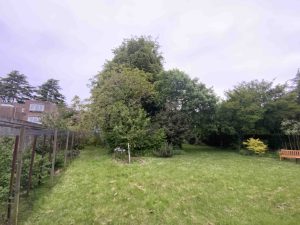
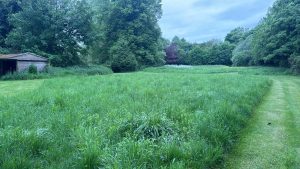
Bolton has a varied ecological landscape. Its habitats include upland woodland and moorland, restored peatland, river corridors, urban green spaces and sites where industrial history has contributed to distinctive ecological conditions. Areas such as Red Moss, Nob End and the River Croal corridor illustrate why habitat value cannot always be judged simply by how developed or undeveloped a site appears.
For developers, this means the existing habitat baseline needs to be established accurately. Land that has previously been developed may still support habitats with biodiversity value, while sites near green corridors or designated nature conservation areas may require particular ecological consideration.
Bolton Council’s biodiversity planning work also recognises the role of habitat creation and enhancement, including opportunities connected with the Greater Manchester Local Nature Recovery Strategy. Where appropriate, understanding local habitat priorities can help inform the approach to biodiversity uplift.
A site-specific BNG strategy can help identify which habitats may be retained or enhanced, where new habitats could be created and whether additional provision may be required to meet the applicable biodiversity objective.
We support projects across the borough of Bolton, including areas such as Farnworth, Horwich, Westhoughton, Little Lever, Kearsley, Breightmet, Great Lever, Tonge and the wider neighbourhoods within the Bolton local authority boundary.
A Biodiversity Net Gain Assessment establishes the biodiversity value of a site’s habitats and considers how a proposed development may change that value. The assessment uses the applicable statutory biodiversity metric to calculate the baseline and assess the proposed habitat changes.
A BNG assessment in Bolton may include:
The level of assessment required will depend on the site, the proposed development, the available ecological information and the applicable planning requirements. A BNG Assessment focuses on biodiversity value and does not automatically replace other ecological surveys that may be needed, such as protected species surveys.
A Biodiversity Gain Plan explains how a development subject to the statutory biodiversity gain condition intends to meet its biodiversity gain objective. It brings together the relevant baseline information, proposed habitat outcomes, metric calculations and details of any eligible off-site provision.
For a Bolton development, the plan should be based on the actual ecological characteristics of the site and the proposed design. The BNG Assessment provides the evidence needed to understand the starting point and evaluate how the development could achieve the required biodiversity uplift.

Depending on the project, a Biodiversity Gain Plan may include:
Bolton Council’s published biodiversity reporting explains that BNG submissions are assessed with support from the Greater Manchester Ecology Unit. The council also reports work to identify potential local habitat bank opportunities. These local initiatives make it worthwhile to consider the site’s habitat opportunities and any potential off-site options early, while checking the availability and suitability of any units for the specific development.
ProHort can support both the initial BNG Assessment and preparation of the Biodiversity Gain Plan, helping ensure that the proposed strategy is informed by the assessment findings.
Not every development can deliver all of its required biodiversity gain within the site boundary. Where permitted under the applicable rules, eligible registered off-site biodiversity gains may be used to address a remaining shortfall.
Before considering off-site BNG units in Bolton, it is important to understand the results of the metric calculation and identify whether further on-site habitat opportunities are available. The biodiversity gain hierarchy must be followed, so off-site provision should not be treated as an automatic alternative to appropriate habitat enhancement within the development site.
The location and type of off-site units can also matter. The statutory metric and relevant rules determine how the proposed units contribute towards the development’s biodiversity objective. Local Nature Recovery Strategy priorities may be relevant when considering habitat opportunities, but eligibility, registration, allocation and the project’s individual requirements must be checked.
A clear understanding of the habitat baseline and potential biodiversity shortfall helps the project team make informed decisions about the available options.
Considering Biodiversity Net Gain early can help developers understand habitat constraints before the design becomes difficult to change. It also provides more time to consider habitat retention, landscaping, ecological connectivity and potential biodiversity uplift as part of the wider scheme.
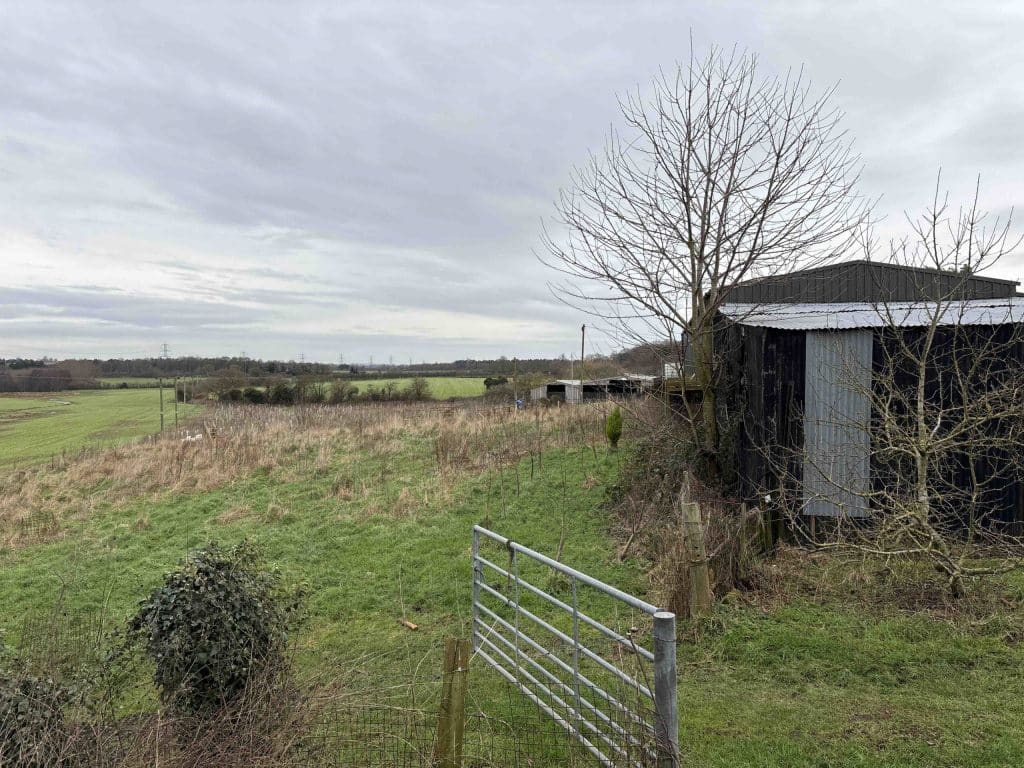
This can be particularly relevant to proposals involving previously developed land, employment sites, residential development or sites close to river valleys and established green infrastructure. The ecological context will vary between locations, so recommendations should be based on the individual site rather than assumptions about the wider borough.
Bolton’s Local Nature Recovery Strategy identifies local priorities for nature recovery and habitat enhancement. Where relevant, these priorities can help inform decisions about potential habitat improvements, alongside the statutory metric and applicable planning requirements.
ProHort can help you understand the biodiversity information needed for your project, assess the existing habitat value and plan the next steps towards the appropriate BNG documentation.
If you need a Biodiversity survey in Bolton, a BNG metric calculation, a Bolton BNG report or a Biodiversity Gain Plan in Bolton, we can discuss the scope of work needed for your development.
We establish the location, scope and nature of the proposed works, review available plans and discuss any existing ecological information.
The habitats within the relevant site boundary are identified and assessed to establish the pre-development biodiversity value.
We use the applicable statutory biodiversity metric to assess the baseline and calculate the anticipated value of the proposed habitat changes.
The assessment helps identify opportunities to retain existing habitats, improve their condition or create new habitats. Any remaining shortfall can then be considered against the applicable biodiversity gain hierarchy and rules.
The assessment findings can inform the supporting information for the planning process and the preparation of a Biodiversity Gain Plan where required.
Contact us and we’ll confirm exactly what your Bolton site requires and support a planning-ready, proportionate route forward.
The content of a Bolton BNG report depends on the development and the work commissioned. It may include habitat mapping, the pre-development biodiversity baseline, statutory metric calculations and an assessment of how the proposed development will affect biodiversity value. Supporting plans and information may also be needed to explain how the project intends to meet the applicable BNG requirements.
The Greater Manchester Local Nature Recovery Strategy identifies local priorities and opportunities for nature recovery, including habitat enhancement. Where relevant, these priorities can inform the choice and location of habitat improvements. The effect on a project’s metric calculation depends on the applicable rules and site circumstances, so the strategy should be considered alongside the habitat baseline and proposed development rather than as a substitute for an assessment.
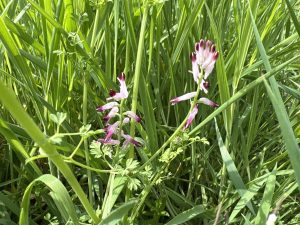
Yes. Former industrial or developed land can support habitats such as grassland, scrub, woodland and other vegetation. In Bolton, the ecological interest of a site may reflect its physical conditions and history of land use. For example, Nob End is recognised for distinctive plant communities associated with its historic industrial substrate. This does not mean every brownfield site has high biodiversity value; the habitats and their condition must be assessed individually.
The habitat baseline records the biodiversity value of the site’s habitats before development. This information is entered into the applicable statutory biodiversity metric and compared with the proposed habitat outcomes to calculate the anticipated biodiversity value after development. The results help identify whether the scheme can meet its biodiversity objective and whether further measures may be needed.
Where allowed under the applicable statutory framework, eligible registered off-site biodiversity gains can contribute towards a development’s remaining biodiversity shortfall. The biodiversity gain hierarchy must be followed, and the proposed units must meet the relevant requirements for registration and allocation. Bolton’s developing habitat bank opportunities may be relevant to some projects, but availability and suitability should be checked rather than assumed.
No. Whether the statutory BNG requirement applies depends on the development and the current rules, including relevant exemptions and transitional provisions. As of 6 August 2026, planning applications for developments of 0.2 hectares or below are outside the statutory BNG requirement, subject to the applicable rules and circumstances. Other exemptions may also apply. Checking the planning application, site area and development type is important before deciding what assessment or documentation is needed.