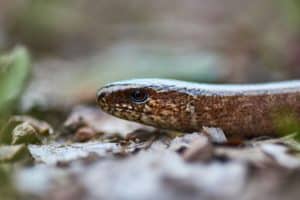
Invertebrate Surveys in Manchester

INVERTEBRATE SURVEYS IN MANCHESTER

Looking for expert invertebrate surveys and habitat assessments in Manchester?

We provide targeted surveys for priority species and habitats, ensuring our reports enable you to achieve planning permission.

Fast, Clear, Planning-Ready Support

Fast response 

Calls answered in 2 rings, emails replied to within the hour.

Free expert advice

Clear guidance before you commit.

Cost-effective

Working in partnership with clients to ensure planning approval first time

Typical 10-day turnaround

Industry Leading Standard

Expert Team

We stay with you from first call through to submission. 

Do You Need an Invertebrate Survey in Manchester?

Manchester’s urban and surrounding green spaces—including river valleys, canal corridors, parks, woodlands, and former industrial sites—support a range of invertebrate species.

An invertebrate survey identifies which species are present, assessing diversity, abundance, and conservation importance. Results help ensure development or land-use changes comply with planning and environmental regulations.

You may need an invertebrate survey in Manchester if your project involves:

  • Loss of urban grassland or meadow habitats in Didsbury

  • Impact on brownfield sites, former mills, or mosaic habitats in Salford

  • Drainage alterations, canal works, or wetland disturbance in Stockport

  • Activities near ponds, streams, or wetland margins in Cheetham Hill

  • Removal of woodland, scrub, or hedgerows in Withington

  • Sites flagged in a Preliminary Ecological Appraisal (PEA) as having potential for notable invertebrates in Altrincham

A simple postcode check can help confirm what your local planning authority typically requires.

We provide invertebrate assessments across Manchester, covering Didsbury, Salford, Stockport, Cheetham Hill, Withington, Altrincham, and surrounding areas.


Why Planning Officers in Manchester Request Invertebrate Surveys

In Manchester, planning authorities may require invertebrate survey evidence where suitable habitat is present to ensure development complies with the Wildlife & Countryside Act 1981 and national planning policy. Without early, proportionate survey work, planning applications can be delayed due to validation queries, additional conditions, or seasonal restrictions linked to key invertebrate activity periods. These delays can disrupt project programmes and may result in avoidable redesign, highlighting the importance of early, targeted invertebrate assessments.

Local Case Insight

A canal-side regeneration project in Salford involved creating new marginal habitats for invertebrates. Surveys recorded populations of water beetles and damselflies. Mitigation included preserving existing reedbeds, timing construction to avoid peak activity periods, and installing habitat refuges within the development. This approach ensured biodiversity protection and planning approval.

How Invertebrate Surveys Work

Our specialist ecology team carries out an invertebrate surveys to assess species presence, habitat use, and any potential risks. You receive a clear, LPA-ready report outlining practical mitigation and timing recommendations, helping your project remain compliant with wildlife legislation and progress

Key Deliverables for projects in Manchester

A clear, proportionate, planning-ready approach in Manchester which includes: 

  • Habitat assessment to determine invertebrate potential 
  • Specialist surveys (targeted species, guilds, NVC-linked risk groups) 
  • Approved sampling methods: pitfall trapping, sweep-netting, hand searching, nectar-source assessment 
  • Proportionate mitigation and habitat compensation advice 
  • Reporting aligned with Cheshire LPA requirements + BNG metrics 
  • Clear guidance for design teams, contractors and planning consultants 

We focus on what your project genuinely needs — not over-inflated survey demands.

Step 1

Schedule

Send your site details and programme. We confirm the correct level of survey.

Step 2

Fieldwork

Walkovers or multi-visit surveys depending on your sites potential.

Step 3

Reporting

Planning-ready reports with impact assessment, mitigation options and timelines for site teams.

Step 4

Integration with other Surveys

Only if needed. PEA, EIA, and Protected Species surveys 

Next Steps

Need an Invertebrate Survey in Manchester? Let’s confirm your site’s requirements and keep your project on track. 

FAQ - Invertebrate Surveys in Manchester

What mitigation measures are used if notable species are found?

Dragonflies, damselflies, beetles, and pollinators like bees are abundant in wetland and green spaces.

Usually not, unless near notable habitats or species.

Surveys range from single-day assessments to multiple visits for seasonal species.

What mitigation is used if protected species are found in urban sites?

Retention of habitats, timing works to avoid peak activity, and temporary relocation if permitted.

Yes, urban sites focus on canal margins, parks, and brownfield areas, whereas rural surveys cover woodlands and wetlands.

Survey reports inform planning decisions to avoid or mitigate impacts on protected or notable invertebrates.

Related Services

Invertebrate Surveys in Lancashire

INVERTEBRATE SURVEYS IN LANCASHIRE

Looking for expert invertebrate surveys and habitat assessments in Lancashire?

We provide targeted surveys for priority species and habitats, ensuring our reports enable you to achieve planning permission.

Fast, Clear, Planning-Ready Support

Fast response 

Calls answered in 2 rings, emails replied to within the hour.

Free expert advice

Clear guidance before you commit.

Cost-effective

Working in partnership with clients to ensure planning approval first time

Typical 10-day turnaround

Industry Leading Standard

Expert Team

We stay with you from first call through to submission. 

Do You Need an Invertebrate Survey in Lancashire?

Lancashire’s landscape—including peat bogs, lowland pastures, woodlands, river valleys, and former industrial sites—supports a wide variety of invertebrate species.

An invertebrate survey assesses species presence and conservation importance, informing planning and regulatory compliance.

You may need an invertebrate survey in Lancashire if your project involves:

  • Loss of wet grassland or peat bogs in Lancaster

  • Impact on brownfield sites, former mining areas, or mosaic habitats in Blackpool

  • Drainage alterations, ditch works, or wetland disturbance in Preston

  • Activities near ponds, streams, or wetland margins in Burnley

  • Removal of woodland, scrub, or hedgerows in Clitheroe

  • Sites flagged in a Preliminary Ecological Appraisal (PEA) as having potential for notable invertebrates in Morecambe

A simple postcode check can help confirm what your local planning authority typically requires.

We provide invertebrate assessments across Lancashire, covering Lancaster, Blackpool, Preston, Burnley, Clitheroe, Morecambe, and surrounding areas.


Why Planning Officers in Lancashire Request Invertebrate Surveys

In Lancashire, planning authorities may require invertebrate survey evidence where suitable habitat is present to ensure development complies with the Wildlife & Countryside Act 1981 and national planning policy. Without early, proportionate survey work, planning applications can be delayed due to validation queries, additional conditions, or seasonal restrictions linked to key invertebrate activity periods. These delays can disrupt project programmes and may result in avoidable redesign, highlighting the importance of early, targeted invertebrate assessments.

Local Case Insight

A restoration project in the Forest of Bowland involved managing a peat bog mosaic to enhance invertebrate habitat. Surveys recorded scarce beetle species and specialist moss-associated invertebrates. Mitigation included retaining micro-topography, timing works outside peak activity periods, and enhancing adjacent grassland habitat. The project achieved planning approval while supporting biodiversity goals.

How Invertebrate Surveys Work

Our specialist ecology team carries out an invertebrate surveys to assess species presence, habitat use, and any potential risks. You receive a clear, LPA-ready report outlining practical mitigation and timing recommendations, helping your project remain compliant with wildlife legislation and progress

Key Deliverables for projects in Lancashire

A clear, proportionate, planning-ready approach in Lancashire which includes: 

  • Habitat assessment to determine invertebrate potential 
  • Specialist surveys (targeted species, guilds, NVC-linked risk groups) 
  • Approved sampling methods: pitfall trapping, sweep-netting, hand searching, nectar-source assessment 
  • Proportionate mitigation and habitat compensation advice 
  • Reporting aligned with Cheshire LPA requirements + BNG metrics 
  • Clear guidance for design teams, contractors and planning consultants 

We focus on what your project genuinely needs — not over-inflated survey demands.

Step 1

Schedule

Send your site details and programme. We confirm the correct level of survey.

Step 2

Fieldwork

Walkovers or multi-visit surveys depending on your sites potential.

Step 3

Reporting

Planning-ready reports with impact assessment, mitigation options and timelines for site teams.

Step 4

Integration with other Surveys

Only if needed. PEA, EIA, and Protected Species surveys 

Next Steps

Need an Invertebrate Survey in Lancashire? Let’s confirm your site’s requirements and keep your project on track. 

FAQ - Invertebrate Surveys in Lancashire

Which invertebrates are typical in Lancashire moorlands and pastures?

Beetles, butterflies, and bumblebees are common in moorlands, pastures, and wetlands.

Not usually, except near protected habitats or species-rich areas.

Survey duration depends on habitat and species, ranging from a day to several seasonal visits..

What mitigation strategies are recommended if notable species are found?

Retaining key habitat features, timing works outside peak activity, and habitat enhancement nearby.

Yes, wetlands require targeted sampling of aquatic and semi-aquatic invertebrates.

Authorities ensure development avoids or mitigates impacts on protected species.

Related Services

Invertebrate Surveys in Worcestershire

INVERTEBRATE SURVEYS IN WORCESTERSHIRE

Looking for expert invertebrate surveys and habitat assessments in Worcestershire?

We provide targeted surveys for priority species and habitats, ensuring our reports enable you to achieve planning permission.

Fast, Clear, Planning-Ready Support

Fast response 

Calls answered in 2 rings, emails replied to within the hour.

Free expert advice

Clear guidance before you commit.

Cost-effective

Working in partnership with clients to ensure planning approval first time

Typical 10-day turnaround

Industry Leading Standard

Expert Team

We stay with you from first call through to submission. 

Do You Need an Invertebrate Survey in Worcestershire?

Worcestershire’s landscape—including rivers, wetlands, woodlands, orchards, and lowland pastures—supports a variety of invertebrate species.

Surveys identify which species are present, assessing their conservation importance and helping ensure planning compliance.

You may need an invertebrate survey in Worcestershire if your project involves:

  • Loss of orchard or grassland habitats in Worcester

  • Impact on brownfield sites or former quarry areas in Redditch

  • Drainage alterations, ditch works, or wetland disturbance in Kidderminster

  • Activities near ponds, streams, or wetland margins in Droitwich Spa

  • Removal of woodland, scrub, or hedgerows in Bromsgrove

  • Sites flagged in a Preliminary Ecological Appraisal (PEA) as having potential for notable invertebrates in Malvern

A simple postcode check can help confirm what your local planning authority typically requires.

We provide invertebrate assessments across Worcestershire, covering Worcester, Redditch, Kidderminster, Droitwich Spa, Bromsgrove, Malvern, and surrounding areas.


Why Planning Officers in Worcestershire Request Invertebrate Surveys

In Worcestershire, planning authorities may require invertebrate survey evidence where suitable habitat is present to ensure development complies with the Wildlife & Countryside Act 1981 and national planning policy. Without early, proportionate survey work, planning applications can be delayed due to validation queries, additional conditions, or seasonal restrictions linked to key invertebrate activity periods. These delays can disrupt project programmes and may result in avoidable redesign, highlighting the importance of early, targeted invertebrate assessments.

Local Case Insight

A riverside flood mitigation scheme near Worcester involved enhancing wetland margins to support invertebrate populations. Surveys recorded damselflies, water beetles, and notable hoverflies. Mitigation included retaining wetland vegetation, installing shallow scrapes for amphibians and invertebrates, and timing works to avoid peak activity periods. The project proceeded without delays and enhanced local biodiversity.

How Invertebrate Surveys Work

Our specialist ecology team carries out an invertebrate surveys to assess species presence, habitat use, and any potential risks. You receive a clear, LPA-ready report outlining practical mitigation and timing recommendations, helping your project remain compliant with wildlife legislation and progress

Key Deliverables for projects in Worcestershire

A clear, proportionate, planning-ready approach in Worcestershire which includes: 

  • Habitat assessment to determine invertebrate potential 
  • Specialist surveys (targeted species, guilds, NVC-linked risk groups) 
  • Approved sampling methods: pitfall trapping, sweep-netting, hand searching, nectar-source assessment 
  • Proportionate mitigation and habitat compensation advice 
  • Reporting aligned with Cheshire LPA requirements + BNG metrics 
  • Clear guidance for design teams, contractors and planning consultants 

We focus on what your project genuinely needs — not over-inflated survey demands.

Step 1

Schedule

Send your site details and programme. We confirm the correct level of survey.

Step 2

Fieldwork

Walkovers or multi-visit surveys depending on your sites potential.

Step 3

Reporting

Planning-ready reports with impact assessment, mitigation options and timelines for site teams.

Step 4

Integration with other Surveys

Only if needed. PEA, EIA, and Protected Species surveys 

Next Steps

Need an Invertebrate Survey in Worcestershire? Let’s confirm your site’s requirements and keep your project on track. 

FAQ - Invertebrate Surveys in Worcestershire

Which invertebrates are typical in Worcestershire woodlands and wetlands?

Beetles, moths, dragonflies, and bees are commonly found in woodlands, river corridors, and wetland habitats.

Usually not, unless near protected habitats, ancient woodlands, or wetlands.


Single visits may be sufficient for simple sites, while complex habitats require multiple seasonal surveys.

What mitigation is used if notable species are recorded?

Retention of key habitats, scheduling works outside peak activity, and habitat enhancement nearby.

Yes. Most surveys take place between spring and early autumn when invertebrates are active.

Reports help ensure development avoids or mitigates impacts on protected or notable invertebrates.

Related Services

Invertebrate Surveys in Merseyside

Invertebrate Surveys in Merseyside

Looking for expert invertebrate surveys and habitat assessments in Merseyside?

We provide targeted surveys for priority species and habitats, ensuring our reports enable you to achieve planning permission.

Fast, Clear, Planning-Ready Support

Fast response 

Calls answered in 2 rings, emails replied to within the hour.

Free expert advice

Clear guidance before you commit.

Cost-effective

Working in partnership with clients to ensure planning approval first time

Typical 10-day turnaround

Industry Leading Standard

Expert Team

We stay with you from first call through to submission. 

Do You Need an Invertebrate Survey in Merseyside?

Merseyside’s urban and coastal landscape—including river corridors, woodlands, wetlands, and reclaimed industrial sites—supports a variety of invertebrate species.

Surveys assess species presence and conservation importance, supporting planning and environmental compliance.

You may need an invertebrate survey in Merseyside if your project involves:

  • Loss of wetland or grassland habitats in Liverpool

  • Impact on brownfield sites or former docklands in Birkenhead

  • Drainage alterations, ditch works, or canal disturbance in St Helens

  • Activities near ponds, streams, or wetland margins in Southport

  • Removal of woodland, scrub, or hedgerows in Wirral

  • Sites flagged in a Preliminary Ecological Appraisal (PEA) as having potential for notable invertebrates in Bootle

A simple postcode check can help confirm what your local planning authority typically requires.

We provide invertebrate assessments across Merseyside, covering Liverpool, Birkenhead, St Helens, Southport, Wirral, Bootle, and surrounding areas.


Why Planning Officers in Merseyside Request Invertebrate Surveys

In Merseyside, planning authorities may require invertebrate survey evidence where suitable habitat is present to ensure development complies with the Wildlife & Countryside Act 1981 and national planning policy. Without early, proportionate survey work, planning applications can be delayed due to validation queries, additional conditions, or seasonal restrictions linked to key invertebrate activity periods. These delays can disrupt project programmes and may result in avoidable redesign, highlighting the importance of early, targeted invertebrate assessments.

Local Case Insight

A coastal wetland restoration near Southport involved creating reedbed and saltmarsh habitats. Invertebrate surveys recorded rare beetle species and marsh flies. Mitigation included maintaining tidal connectivity, retaining vegetation refuges, and scheduling works to avoid peak invertebrate activity. Planning approval was granted, and the project enhanced local biodiversity.

How Invertebrate Surveys Work

Our specialist ecology team carries out an invertebrate surveys to assess species presence, habitat use, and any potential risks. You receive a clear, LPA-ready report outlining practical mitigation and timing recommendations, helping your project remain compliant with wildlife legislation and progress

Key Deliverables for projects in Merseyside

A clear, proportionate, planning-ready approach in Merseyside which includes: 

  • Habitat assessment to determine invertebrate potential 
  • Specialist surveys (targeted species, guilds, NVC-linked risk groups) 
  • Approved sampling methods: pitfall trapping, sweep-netting, hand searching, nectar-source assessment 
  • Proportionate mitigation and habitat compensation advice 
  • Reporting aligned with Cheshire LPA requirements + BNG metrics 
  • Clear guidance for design teams, contractors and planning consultants 

We focus on what your project genuinely needs — not over-inflated survey demands.

Step 1

Schedule

Send your site details and programme. We confirm the correct level of survey.

Step 2

Fieldwork

Walkovers or multi-visit surveys depending on your sites potential.

Step 3

Reporting

Planning-ready reports with impact assessment, mitigation options and timelines for site teams.

Step 4

Integration with other Surveys

Only if needed. PEA, EIA, and Protected Species surveys 

Next Steps

Need an Invertebrate Survey in Merseyside? Let’s confirm your site’s requirements and keep your project on track. 

FAQ - Invertebrate Surveys in Merseyside

Which invertebrates are common in Merseyside’s urban and wetland habitats?

Dragonflies, damselflies, beetles, and pollinators thrive in canals, parks, and marshes.

Generally yes, unless they affect wetlands or notable habitats.


Simple sites may take a day, but complex areas such as wetlands require multiple visits

What mitigation is applied if protected species are found?

Retention of habitats, timing works to avoid peak activity, and temporary relocation if legally permitted.

Yes. Urban surveys focus on canals, parks, and brownfield sites; rural surveys focus on wetlands and woodlands.

Survey results guide planning decisions to prevent harm to notable or protected species.

Related Services

Invertebrate Surveys in London

Invertebrate Surveys in London

Looking for expert invertebrate surveys and habitat assessments in London?

We provide targeted surveys for priority species and habitats, ensuring our reports enable you to achieve planning permission.

Fast, Clear, Planning-Ready Support

Fast response 

Calls answered in 2 rings, emails replied to within the hour.

Free expert advice

Clear guidance before you commit.

Cost-effective

Working in partnership with clients to ensure planning approval first time

Typical 10-day turnaround

Industry Leading Standard

Expert Team

We stay with you from first call through to submission. 

Do You Need an Invertebrate Survey in London?

London’s urban landscape—including parks, canals, ponds, brownfield sites, and river corridors—supports a surprisingly rich variety of invertebrate species.

Surveys determine species presence, diversity, and conservation importance, helping ensure planning compliance.

You may need an invertebrate survey in London if your project involves:

  • Loss of urban meadow or parkland habitats in Hackney

  • Impact on brownfield sites, railway embankments, or mosaic habitats in Croydon

  • Drainage alterations, pond works, or canal disturbance in Richmond

  • Activities near ponds, streams, or wetland margins in Greenwich

  • Removal of woodland, scrub, or hedgerows in Walthamstow

  • Sites flagged in a Preliminary Ecological Appraisal (PEA) as having potential for notable invertebrates in Kingston

A simple postcode check can help confirm what your local planning authority typically requires.

We provide invertebrate assessments across London, covering Hackney, Croydon, Richmond, Greenwich, Walthamstow, Kingston, and surrounding areas.


Why Planning Officers in London Request Invertebrate Surveys

In London, planning authorities may require invertebrate survey evidence where suitable habitat is present to ensure development complies with the Wildlife & Countryside Act 1981 and national planning policy. Without early, proportionate survey work, planning applications can be delayed due to validation queries, additional conditions, or seasonal restrictions linked to key invertebrate activity periods. These delays can disrupt project programmes and may result in avoidable redesign, highlighting the importance of early, targeted invertebrate assessments.

Local Case Insight

An urban riverside regeneration project in Richmond involved enhancing pond and wetland margins for invertebrates. Surveys recorded damselflies, water beetles, and native hoverflies. Mitigation included retaining pond vegetation, providing artificial refuges, and restricting works during peak activity periods. The project successfully met planning requirements while increasing urban biodiversity.

How Invertebrate Surveys Work

Our specialist ecology team carries out an invertebrate surveys to assess species presence, habitat use, and any potential risks. You receive a clear, LPA-ready report outlining practical mitigation and timing recommendations, helping your project remain compliant with wildlife legislation and progress

Key Deliverables for projects in London

A clear, proportionate, planning-ready approach in London which includes: 

  • Habitat assessment to determine invertebrate potential 
  • Specialist surveys (targeted species, guilds, NVC-linked risk groups) 
  • Approved sampling methods: pitfall trapping, sweep-netting, hand searching, nectar-source assessment 
  • Proportionate mitigation and habitat compensation advice 
  • Reporting aligned with Cheshire LPA requirements + BNG metrics 
  • Clear guidance for design teams, contractors and planning consultants 

We focus on what your project genuinely needs — not over-inflated survey demands.

Step 1

Schedule

Send your site details and programme. We confirm the correct level of survey.

Step 2

Fieldwork

Walkovers or multi-visit surveys depending on your sites potential.

Step 3

Reporting

Planning-ready reports with impact assessment, mitigation options and timelines for site teams.

Step 4

Integration with other Surveys

Only if needed. PEA, EIA, and Protected Species surveys 

Next Steps

Need an Invertebrate Survey in London? Let’s confirm your site’s requirements and keep your project on track. 

FAQ - Invertebrate Surveys in London

Which invertebrates are found in London’s parks and river corridors?

Beetles, butterflies, bees, and dragonflies are abundant in riverside habitats, parklands, and ponds.

Usually not, except near protected habitats or notable green spaces.


They can range from a single visit to multiple seasonal visits depending on habitat complexity.

What mitigation is used if notable species are found?

Retention of habitats, timing works outside peak activity, and habitat creation nearby.

Yes. Surveys are conducted during spring, summer, and early autumn.

Authorities use survey findings to ensure developments comply with environmental and planning regulations.

Related Services

Invertebrate Surveys in Cornwall

Invertebrate Surveys in Cornwall

Looking for expert invertebrate surveys and habitat assessments in Cornwall?

We provide targeted surveys for priority species and habitats, ensuring our reports enable you to achieve planning permission.

Fast, Clear, Planning-Ready Support

Fast response 

Calls answered in 2 rings, emails replied to within the hour.

Free expert advice

Clear guidance before you commit.

Cost-effective

Working in partnership with clients to ensure planning approval first time

Typical 10-day turnaround

Industry Leading Standard

Expert Team

We stay with you from first call through to submission. 

Do You Need an Invertebrate Survey in Cornwall?

Cornwall’s varied landscape—including rugged coastlines, river valleys, lowland heath, grasslands, wetlands, former mining sites, and traditional farmland—supports a wide range of invertebrate species.

An invertebrate survey is an assessment of an area to identify which invertebrate species are present. Specialists search, observe, and sample habitats over time to determine species diversity, abundance, and conservation importance. The results help ensure that development or land-use changes do not harm invertebrate wildlife and comply with planning and environmental regulations.

You may need an invertebrate survey in Cornwall if your project involves:

  • Loss of coastal grassland, dune, or heathland habitats near Newquay

  • Impact on brownfield land, former mining sites, or mosaic habitats in Camborne

  • Drainage alterations, ditch works, or wetland disturbance in Bodmin

  • Activities near ponds, streams, estuaries, or wetland margins in Truro

  • Removal of scrub, hedgerows, or woodland edges in Falmouth

  • Sites flagged in a Preliminary Ecological Appraisal (PEA) as having potential for notable invertebrates in St Austell

A simple postcode check can help confirm what your local planning authority typically requires.

We provide invertebrate assessments across Cornwall, covering Truro, Newquay, Camborne, Bodmin, Falmouth, St Austell, and surrounding areas.


Why Planning Officers in Cornwall Request Invertebrate Surveys

In Cornwall, planning authorities may require invertebrate survey evidence where suitable habitat is present to ensure development complies with the Wildlife & Countryside Act 1981 and national planning policy. Without early, proportionate survey work, planning applications can be delayed due to validation queries, additional conditions, or seasonal restrictions linked to key invertebrate activity periods. These delays can disrupt project programmes and may result in avoidable redesign, highlighting the importance of early, targeted invertebrate assessments.

Local Case Insight

A coastal development project near Hayle involved works adjacent to dune grassland and wetland habitats. Detailed invertebrate surveys identified beetle and fly assemblages associated with damp sand and saltmarsh margins. Mitigation measures included retaining dune slacks, managing vegetation carefully, and timing works to avoid peak activity periods. Planning consent was granted without delay.

How Invertebrate Surveys Work

Our specialist ecology team carries out an invertebrate surveys to assess species presence, habitat use, and any potential risks. You receive a clear, LPA-ready report outlining practical mitigation and timing recommendations, helping your project remain compliant with wildlife legislation and progress

Key Deliverables for projects in Cornwall

A clear, proportionate, planning-ready approach in Cornwall which includes: 

  • Habitat assessment to determine invertebrate potential 
  • Specialist surveys (targeted species, guilds, NVC-linked risk groups) 
  • Approved sampling methods: pitfall trapping, sweep-netting, hand searching, nectar-source assessment 
  • Proportionate mitigation and habitat compensation advice 
  • Reporting aligned with Cheshire LPA requirements + BNG metrics 
  • Clear guidance for design teams, contractors and planning consultants 

We focus on what your project genuinely needs — not over-inflated survey demands.

Step 1

Schedule

Send your site details and programme. We confirm the correct level of survey.

Step 2

Fieldwork

Walkovers or multi-visit surveys depending on your sites potential.

Step 3

Reporting

Planning-ready reports with impact assessment, mitigation options and timelines for site teams.

Step 4

Integration with other Surveys

Only if needed. PEA, EIA, and Protected Species surveys 

Next Steps

Need an Invertebrate Survey in Cornwall? Let’s confirm your site’s requirements and keep your project on track. 

FAQ - Invertebrate Surveys in Cornwall

Which invertebrates are typical in Cornwall’s coastal and heathland habitats?

Beetles, butterflies, moths, bees, and dragonflies are found in heathlands, dunes, and coastal marshes.


Generally no, unless near protected habitats or Sites of Special Scientific Interest (SSSIs).


Single-site surveys may take a day; complex coastal or heathland habitats may require multiple seasonal visits.

What mitigation strategies are used if notable species are present?

Retaining key habitats, timing works outside peak activity, and habitat creation or enhancement nearby.

Yes, most invertebrates are active between spring and early autumn.

Reports guide planning decisions to avoid or mitigate harm to protected species.

Related Services

Invertebrate Surveys in Somerset

INVERTEBRATE SURVEYS IN SOMERSET

Looking for expert invertebrate surveys and habitat assessments in Somerset?

We provide targeted surveys for priority species and habitats, ensuring our reports enable you to achieve planning permission.

Fast, Clear, Planning-Ready Support

Fast response 

Calls answered in 2 rings, emails replied to within the hour.

Free expert advice

Clear guidance before you commit.

Cost-effective

Working in partnership with clients to ensure planning approval first time

Typical 10-day turnaround

Industry Leading Standard

Expert Team

We stay with you from first call through to submission. 

Do You Need an Invertebrate Survey in Somerset?

Somerset’s diverse landscape—including river floodplains, grazing marsh, wetlands, woodlands, lowland pastures, and historic parklands—supports a wide variety of invertebrate species.

An invertebrate survey is an assessment of an area to identify which invertebrate species are present. Surveyors search, observe, and sample habitats over time to assess species diversity, abundance, and conservation importance. The results help ensure development or land management proposals comply with planning and environmental regulations.

You may need an invertebrate survey in Somerset if your project involves:

  • Loss of wet grassland, grazing marsh, or meadow habitats near Glastonbury

  • Impact on brownfield land or former industrial sites in Bridgwater

  • Drainage alterations, ditch works, or wetland disturbance in the Somerset Levels

  • Activities near ponds, streams, or wetland margins in Taunton

  • Removal of woodland, scrub, or hedgerows in Frome

  • Sites flagged in a Preliminary Ecological Appraisal (PEA) as having potential for notable invertebrates in Wells

A simple postcode check can help confirm what your local planning authority typically requires.

We provide invertebrate assessments across Somerset, covering Taunton, Bridgwater, Glastonbury, Frome, Wells, and surrounding areas.


Why Planning Officers in Somerset Request Invertebrate Surveys

In Somerset, planning authorities may require invertebrate survey evidence where suitable habitat is present to ensure development complies with the Wildlife & Countryside Act 1981 and national planning policy. Without early, proportionate survey work, planning applications can be delayed due to validation queries, additional conditions, or seasonal restrictions linked to key invertebrate activity periods. These delays can disrupt project programmes and may result in avoidable redesign, highlighting the importance of early, targeted invertebrate assessments.

Local Case Insight

A land management project near the Somerset Levels involved improvements to grazing marsh and drainage ditches. Invertebrate surveys recorded water beetles, damselflies, and wetland-associated flies. Mitigation included retaining ditch profiles, managing water levels, and enhancing ditch-side vegetation. The scheme proceeded with planning approval granted on schedule.

How Invertebrate Surveys Work

Our specialist ecology team carries out an invertebrate surveys to assess species presence, habitat use, and any potential risks. You receive a clear, LPA-ready report outlining practical mitigation and timing recommendations, helping your project remain compliant with wildlife legislation and progress

Key Deliverables for projects in Somerset

A clear, proportionate, planning-ready approach in Somerset which includes: 

  • Habitat assessment to determine invertebrate potential 
  • Specialist surveys (targeted species, guilds, NVC-linked risk groups) 
  • Approved sampling methods: pitfall trapping, sweep-netting, hand searching, nectar-source assessment 
  • Proportionate mitigation and habitat compensation advice 
  • Reporting aligned with Cheshire LPA requirements + BNG metrics 
  • Clear guidance for design teams, contractors and planning consultants 

We focus on what your project genuinely needs — not over-inflated survey demands.

Step 1

Schedule

Send your site details and programme. We confirm the correct level of survey.

Step 2

Fieldwork

Walkovers or multi-visit surveys depending on your sites potential.

Step 3

Reporting

Planning-ready reports with impact assessment, mitigation options and timelines for site teams.

Step 4

Integration with other Surveys

Only if needed. PEA, EIA, and Protected Species surveys 

Next Steps

Need an Invertebrate Survey in Somerset? Let’s confirm your site’s requirements and keep your project on track. 

FAQ - Invertebrate Surveys in Somerset

Which invertebrates are common in Somerset wetlands and woodlands?

Dragonflies, damselflies, beetles, and bumblebees are abundant in wetlands, meadows, and woodlands.


Yes, unless near protected habitats, wetlands, or notable species.


Depending on habitat, surveys can take from a single visit to multiple seasonal visits.


What mitigation is used if notable species are found?

Retention of habitats, careful timing of works, and habitat enhancement nearby.

Yes, typically carried out from spring to early autumn when invertebrates are most active.

They ensure development avoids or mitigates impacts on protected and notable invertebrates.

Related Services

Invertebrate Surveys in Leicestershire

Invertebrate Surveys in Leicestershire

Looking for expert invertebrate surveys and habitat assessments in Leicestershire?

We provide targeted surveys for priority species and habitats, ensuring our reports enable you to achieve planning permission.

Fast, Clear, Planning-Ready Support

Fast response 

Calls answered in 2 rings, emails replied to within the hour.

Free expert advice

Clear guidance before you commit.

Cost-effective

Working in partnership with clients to ensure planning approval first time

Typical 10-day turnaround

Industry Leading Standard

Expert Team

We stay with you from first call through to submission. 

Do You Need an Invertebrate Survey in Leicestershire?

Leicestershire’s landscape—including river valleys, lowland farmland, woodlands, wetlands, and former mineral extraction sites—supports a wide range of invertebrate species.

An invertebrate survey is an assessment of an area to identify which invertebrate species are present. Specialists assess habitats over time to determine species diversity, abundance, and ecological value. Survey results help ensure development proposals avoid harm to invertebrate populations and meet planning requirements.

You may need an invertebrate survey in Leicestershire if your project involves:

  • Loss of meadow or grassland habitats in Leicester

  • Impact on brownfield land or former quarry sites in Loughborough

  • Drainage alterations, ditch works, or wetland disturbance in Melton Mowbray

  • Activities near ponds, streams, or wetland margins in Market Harborough

  • Removal of woodland, scrub, or hedgerows in Coalville

  • Sites flagged in a Preliminary Ecological Appraisal (PEA) as having potential for notable invertebrates in Hinckley

A simple postcode check can help confirm what your local planning authority typically requires.

We provide invertebrate assessments across Leicestershire, covering Leicester, Loughborough, Melton Mowbray, Market Harborough, Coalville, Hinckley, and surrounding areas.


Why Planning Officers in Leicestershire Request Invertebrate Surveys

In Leicestershire, planning authorities may require invertebrate survey evidence where suitable habitat is present to ensure development complies with the Wildlife & Countryside Act 1981 and national planning policy. Without early, proportionate survey work, planning applications can be delayed due to validation queries, additional conditions, or seasonal restrictions linked to key invertebrate activity periods. These delays can disrupt project programmes and may result in avoidable redesign, highlighting the importance of early, targeted invertebrate assessments.

Local Case Insight

A former gravel extraction site near Loughborough was proposed for redevelopment. Invertebrate surveys identified dragonflies, solitary bees, and ground beetles associated with restored grassland and wetland features. Mitigation focused on habitat retention and phased works, allowing the planning application to be validated without delay.

How Invertebrate Surveys Work

Our specialist ecology team carries out an invertebrate surveys to assess species presence, habitat use, and any potential risks. You receive a clear, LPA-ready report outlining practical mitigation and timing recommendations, helping your project remain compliant with wildlife legislation and progress

Key Deliverables for projects in Leicestershire

A clear, proportionate, planning-ready approach in Leicestershire which includes: 

  • Habitat assessment to determine invertebrate potential 
  • Specialist surveys (targeted species, guilds, NVC-linked risk groups) 
  • Approved sampling methods: pitfall trapping, sweep-netting, hand searching, nectar-source assessment 
  • Proportionate mitigation and habitat compensation advice 
  • Reporting aligned with Cheshire LPA requirements + BNG metrics 
  • Clear guidance for design teams, contractors and planning consultants 

We focus on what your project genuinely needs — not over-inflated survey demands.

Step 1

Schedule

Send your site details and programme. We confirm the correct level of survey.

Step 2

Fieldwork

Walkovers or multi-visit surveys depending on your sites potential.

Step 3

Reporting

Planning-ready reports with impact assessment, mitigation options and timelines for site teams.

Step 4

Integration with other Surveys

Only if needed. PEA, EIA, and Protected Species surveys 

Next Steps

Need an Invertebrate Survey in Leicestershire? Let’s confirm your site’s requirements and keep your project on track. 

FAQ - Invertebrate Surveys in Leicestershire

Which invertebrates are typical in Leicestershire grasslands and woodlands?

Beetles, butterflies, moths, and bees thrive in grasslands, hedgerows, and woodland mosaics.


Usually no, unless near protected habitats or notable species.


Surveys range from a single visit to multiple seasonal visits, depending on habitat diversity.


What mitigation measures are used if notable species are found?

Retaining key habitats, timing works outside peak activity periods, and creating replacement habitats nearby.

Yes, surveys are usually conducted between spring and early autumn.

Reports ensure planning applications avoid or mitigate impacts on protected or notable invertebrates.

Related Services

Invertebrate Surveys in Berkshire

Invertebrate Surveys in Berkshire

Looking for expert invertebrate surveys and habitat assessments in Berkshire?

We provide targeted surveys for priority species and habitats, ensuring our reports enable you to achieve planning permission.

Fast, Clear, Planning-Ready Support

Fast response 

Calls answered in 2 rings, emails replied to within the hour.

Free expert advice

Clear guidance before you commit.

Cost-effective

Working in partnership with clients to ensure planning approval first time

Typical 10-day turnaround

Industry Leading Standard

Expert Team

We stay with you from first call through to submission. 

Do You Need an Invertebrate Survey in Berkshire?

Berkshire’s landscape—including river corridors, floodplain meadows, wetlands, woodlands, and historic parklands—supports a wide variety of invertebrate species.

An invertebrate survey is an assessment of an area to identify which invertebrate species are present. Experts assess habitats over time to determine species diversity, abundance, and conservation importance. The findings help ensure development or land-use changes comply with planning and environmental regulations.

You may need an invertebrate survey in Berkshire if your project involves:

  • Loss of floodplain meadow or grassland habitats near Maidenhead

  • Impact on brownfield land or former industrial sites in Slough

  • Drainage alterations, ditch works, or wetland disturbance along the River Thames

  • Activities near ponds, streams, or wetland margins in Reading

  • Removal of woodland, scrub, or hedgerows in Newbury

  • Sites flagged in a Preliminary Ecological Appraisal (PEA) as having potential for notable invertebrates in Wokingham

A simple postcode check can help confirm what your local planning authority typically requires.

We provide invertebrate assessments across Berkshire, covering Reading, Maidenhead, Slough, Newbury, Wokingham, and surrounding areas.


Why Planning Officers in Berkshire Request Invertebrate Surveys

In Berkshire, planning authorities may require invertebrate survey evidence where suitable habitat is present to ensure development complies with the Wildlife & Countryside Act 1981 and national planning policy. Without early, proportionate survey work, planning applications can be delayed due to validation queries, additional conditions, or seasonal restrictions linked to key invertebrate activity periods. These delays can disrupt project programmes and may result in avoidable redesign, highlighting the importance of early, targeted invertebrate assessments.

Local Case Insight

A riverside development near Maidenhead involved works adjacent to floodplain grassland. Invertebrate surveys recorded notable hoverfly and beetle species linked to damp meadow habitats. Mitigation included retaining grassland areas and timing works outside peak activity periods, enabling planning approval to proceed smoothly.

How Invertebrate Surveys Work

Our specialist ecology team carries out an invertebrate surveys to assess species presence, habitat use, and any potential risks. You receive a clear, LPA-ready report outlining practical mitigation and timing recommendations, helping your project remain compliant with wildlife legislation and progress

Key Deliverables for projects in Berkshire

A clear, proportionate, planning-ready approach in Berkshire which includes: 

  • Habitat assessment to determine invertebrate potential 
  • Specialist surveys (targeted species, guilds, NVC-linked risk groups) 
  • Approved sampling methods: pitfall trapping, sweep-netting, hand searching, nectar-source assessment 
  • Proportionate mitigation and habitat compensation advice 
  • Reporting aligned with Cheshire LPA requirements + BNG metrics 
  • Clear guidance for design teams, contractors and planning consultants 

We focus on what your project genuinely needs — not over-inflated survey demands.

Step 1

Schedule

Send your site details and programme. We confirm the correct level of survey.

Step 2

Fieldwork

Walkovers or multi-visit surveys depending on your sites potential.

Step 3

Reporting

Planning-ready reports with impact assessment, mitigation options and timelines for site teams.

Step 4

Integration with other Surveys

Only if needed. PEA, EIA, and Protected Species surveys 

Next Steps

Need an Invertebrate Survey in Berkshire? Let’s confirm your site’s requirements and keep your project on track. 

FAQ - Invertebrate Surveys in Berkshire

Which invertebrates are typical in Berkshire’s woodlands and rivers?

Beetles, dragonflies, butterflies, and bees are commonly found in rivers, ponds, and ancient woodland.


Not usually, unless near protected habitats or notable species.


Survey duration varies from one day for simple sites to multiple seasonal visits for complex habitats.


What mitigation strategies are used if notable species are present?

Retention of habitats, timing works outside peak activity, and creation of replacement or enhanced habitats.

Yes, most surveys are conducted during spring, summer, and early autumn.

Authorities assess reports to ensure development avoids or mitigates harm to protected or notable species.

Related Services

Invertebrate Surveys in Buckinghamshire

INVERTEBRATE SURVEYS IN BUCKINGHAMSHIRE

Looking for expert invertebrate surveys and habitat assessments in Buckinghamshire?

We provide targeted surveys for priority species and habitats, ensuring our reports enable you to achieve planning permission.

Fast, Clear, Planning-Ready Support

Fast response 

Calls answered in 2 rings, emails replied to within the hour.

Free expert advice

Clear guidance before you commit.

Cost-effective

Working in partnership with clients to ensure planning approval first time

Typical 10-day turnaround

Industry Leading Standard

Expert Team

We stay with you from first call through to submission. 

Do You Need an Invertebrate Survey in Buckinghamshire?

Buckinghamshire’s landscape—including chalk grasslands, ancient woodlands, river valleys, wetlands, and farmland—supports a wide range of invertebrate species.

An invertebrate survey is an assessment of an area to identify which species are present. Surveyors assess habitat quality and species diversity over time to determine ecological value and conservation importance. These findings support planning compliance and environmentally responsible development.

You may need an invertebrate survey in Buckinghamshire if your project involves:

  • Loss of chalk grassland or meadow habitats near High Wycombe

  • Impact on brownfield land or former quarry sites in Aylesbury

  • Drainage alterations, ditch works, or wetland disturbance in Marlow

  • Activities near ponds, streams, or wetland margins in Chesham

  • Removal of woodland, scrub, or hedgerows in Amersham

  • Sites flagged in a Preliminary Ecological Appraisal (PEA) as having potential for notable invertebrates in Beaconsfield

A simple postcode check can help confirm what your local planning authority typically requires.

We provide invertebrate assessments across Buckinghamshire, covering High Wycombe, Aylesbury, Marlow, Chesham, Amersham, Beaconsfield, and surrounding areas.


Why Planning Officers in Buckinghamshire Request Invertebrate Surveys

In Buckinghamshire, planning authorities may require invertebrate survey evidence where suitable habitat is present to ensure development complies with the Wildlife & Countryside Act 1981 and national planning policy. Without early, proportionate survey work, planning applications can be delayed due to validation queries, additional conditions, or seasonal restrictions linked to key invertebrate activity periods. These delays can disrupt project programmes and may result in avoidable redesign, highlighting the importance of early, targeted invertebrate assessments.

Local Case Insight

A development site near High Wycombe bordered chalk grassland and woodland edges. Invertebrate surveys identified butterfly and bee species associated with species-rich chalk slopes. Mitigation measures included retaining grassland features and enhancing floral diversity, allowing the planning application to be approved without delay.

How Invertebrate Surveys Work

Our specialist ecology team carries out an invertebrate surveys to assess species presence, habitat use, and any potential risks. You receive a clear, LPA-ready report outlining practical mitigation and timing recommendations, helping your project remain compliant with wildlife legislation and progress

Key Deliverables for projects in Buckinghamshire

A clear, proportionate, planning-ready approach in Buckinghamshire which includes: 

  • Habitat assessment to determine invertebrate potential 
  • Specialist surveys (targeted species, guilds, NVC-linked risk groups) 
  • Approved sampling methods: pitfall trapping, sweep-netting, hand searching, nectar-source assessment 
  • Proportionate mitigation and habitat compensation advice 
  • Reporting aligned with Cheshire LPA requirements + BNG metrics 
  • Clear guidance for design teams, contractors and planning consultants 

We focus on what your project genuinely needs — not over-inflated survey demands.

Step 1

Schedule

Send your site details and programme. We confirm the correct level of survey.

Step 2

Fieldwork

Walkovers or multi-visit surveys depending on your sites potential.

Step 3

Reporting

Planning-ready reports with impact assessment, mitigation options and timelines for site teams.

Step 4

Integration with other Surveys

Only if needed. PEA, EIA, and Protected Species surveys 

Next Steps

Need an Invertebrate Survey in Buckinghamshire? Let’s confirm your site’s requirements and keep your project on track. 

FAQ - Invertebrate Surveys in Buckinghamshire

Which invertebrates are common in Buckinghamshire woodlands and grasslands?

Beetles, butterflies, moths, dragonflies, and bees are abundant in ancient woodlands, meadows, and hedgerows.


Typically not, unless near protected habitats or Sites of Special Scientific Interest (SSSIs).


Single-site surveys may take a day, while complex habitats may require multiple visits across seasons.


What mitigation is used if notable species are found?

Retention of key habitats, careful scheduling of works, and habitat enhancement nearby.

Yes. Surveys are usually conducted from spring to early autumn.

Reports guide planning decisions to avoid or mitigate impacts on protected and notable invertebrates.

Related Services

---