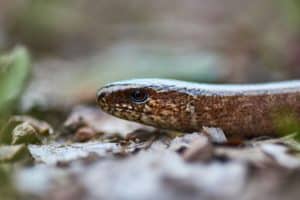
We complete Great Crested Newt (GCN) surveys across Cheshire, including Chester, Warrington, Macclesfield, Crewe, Northwich, Knutsford, and Ellesmere Port.

Need planning-ready GCN surveys in Cheshire?
Our specialists conduct focused Great Crested Newt (GCN) surveys, including eDNA evaluations, providing clear, actionable reports to support planning applications and ensure your project stays on schedule.
Calls answered in 2 rings, emails replied to within the hour.
Clear guidance before you commit.
Working in partnership with clients to ensure planning approval first time
Industry Leading Standard
We stay with you from first call through to submission.
Cheshire’s landscape of pond networks, field pools, estate lakes, marl pits, wet grassland and ditch systems provides ideal habitat for Great Crested Newts. Planning officers frequently require evidence where development may affect these habitats.
A GCN assessment identifies potential newt habitat, evaluates the risk to your project, and determines whether eDNA testing or full presence/absence surveys are needed, helping keep your development on track and avoiding seasonal delays.
You may require a Great Crested Newt (GCN) or eDNA survey in Cheshire if your project involves:
Development near ponds, such as the sand and gravel pits near Northwich
Farm conversions or agricultural works around Malpas
Projects near wet grassland, woodlands, or hedgerows, like the floodplain meadows of the River Weaver
Landscaping affecting ponds, ditches, or drainage features, such as the canal-side ditches near Winsford
Sites flagged as high GCN potential in areas like the Cheshire Meres and Mosses
Works during the April–June survey season, e.g., garden ponds in Knutsford
Checking your Cheshire site postcode or location early helps determine whether a survey is needed and keeps your project on schedule.
We complete Great Crested Newt (GCN) surveys across Cheshire, including Chester, Warrington, Macclesfield, Crewe, Northwich, Knutsford, and Ellesmere Port.
In Cheshire, local planning authorities may request Great Crested Newt (GCN) survey evidence where suitable habitats—such as ponds, wet ditches, and surrounding terrestrial areas—are present, to ensure that development proposals comply with wildlife legislation and national planning policy. Without timely and proportionate survey work, planning applications can be delayed due to validation queries, additional planning conditions, or seasonal restrictions linked to key GCN activity periods. These delays can disrupt project timelines and may require avoidable redesigns, highlighting the importance of early, targeted GCN assessments.
We provide practical, proportionate GCN assessments, from habitat appraisals and eDNA or full surveys to clear, planning-ready reports with mitigation, timing guidance, and actionable next steps to keep projects on track.
We provide planning-compliant Great Crested Newt (GCN) services across Cheshire, giving practical support to your project team, including:
Natural England–approved eDNA surveys
Full presence/absence surveys when required
Terrestrial habitat assessments
Proportionate reporting to satisfy local planning authority validation
Our approach is simple: the right survey method at the correct stage, with clear, actionable guidance that keeps your development on schedule.
Share your site details and programme, and we’ll identify whether an eDNA or full survey is required.
We conduct walkovers, eDNA tests, or full GCN surveys based on site potential and season.
You receive planning-ready reports with impacts, mitigation, licensing, and clear timelines.
Require a GCN assessment in Cheshire? Check your site’s needs early to keep your project moving.
Yes. Cheshire has an extensive network of ponds, farmland, wetlands and grassland habitats that can support Great Crested Newt populations. As a result, Local Planning Authorities often request ecological surveys where development is proposed near suitable habitat. Identifying potential ecological constraints early helps avoid planning delays and allows survey work to be completed within the appropriate seasonal windows.
No. While Cheshire supports one of England’s stronger populations of Great Crested Newts, many ponds do not contain the species. Factors such as water quality, fish populations, surrounding habitat and pond connectivity all influence whether a pond is suitable. A professional survey is the only reliable way to determine whether Great Crested Newts are present.
In many cases, yes. Where appropriate, an eDNA survey can establish whether Great Crested Newts are likely to be present by analysing water samples collected from a pond. If the results are negative and accepted by the Local Planning Authority, further survey work may not be necessary. Positive results, however, may require additional ecological assessment depending on the development.
Sometimes. Even relatively modest developments such as house extensions, replacement dwellings, agricultural buildings or small commercial projects may require a survey if they are close to suitable Great Crested Newt habitat. The requirement is based on ecological risk rather than the overall size or value of the development.
Great Crested Newts spend much of the year away from breeding ponds, using grassland, woodland, hedgerows, scrub and other terrestrial habitats for shelter and feeding. If your development affects these habitats, nearby ponds may still need to be considered during the ecological assessment, even if there are no ponds within the site itself.
Not if it is arranged early. Survey delays usually occur when ecological assessments are commissioned after planning drawings have been completed or submitted. Scheduling surveys at the beginning of a project provides greater flexibility and helps avoid waiting until the next survey season if the appropriate survey window has passed.
Where development cannot avoid impacts on Great Crested Newts, relocation may form part of an approved mitigation strategy. Any capture or relocation must be carried out under the appropriate wildlife licence and by suitably qualified ecologists. The exact approach depends on the survey findings and the nature of the proposed development.
Survey reports provide planning authorities with the ecological evidence needed to assess whether a development complies with wildlife legislation and national planning policy. The report identifies whether Great Crested Newts are present, evaluates the potential impacts of the proposal and, where necessary, recommends mitigation measures to allow the development to proceed responsibly.
Great Crested Newt surveys may be requested by Cheshire East Council, Cheshire West and Chester Council, Warrington Borough Council or Halton Borough Council, depending on the location of the proposed development. Applicants should review the ecological validation requirements published by the relevant Local Planning Authority before submitting a planning application to ensure all necessary survey information is provided.
ProHort undertakes Great Crested Newt surveys across Cheshire for homeowners, developers, architects, planning consultants and commercial organisations. Our experienced ecologists provide reliable ecological advice, recognised survey methodologies and planning reports designed to satisfy Local Planning Authority requirements. By assessing ecological constraints at an early stage, we help clients minimise planning risk and keep projects progressing efficiently.