
Planning ready beaver surveys and habitat assessments across Merseyside, providing clear ecological evidence, proportionate recommendations and practical support for developments affecting rivers, streams, wetlands and riparian habitats.
Calls answered in 2 rings, emails replied to within the hour.
Clear guidance before you commit.
Working in partnership with clients to ensure planning approval first time
Industry Leading Standard
We stay with you from first call through to submission.
Beaver surveys are not routinely required simply because a development is close to a watercourse. The need for assessment depends on suitable habitat, available ecological records, evidence of activity and the potential impacts of the proposed works.
For Merseyside projects, beaver consideration may become relevant where:
Works are proposed within or alongside a river, stream or connected watercourse
Riverbank excavation or engineering is required
Bridges, culverts, outfalls or watercourse crossings are proposed
Drainage or flood management works could affect freshwater habitat
Bankside trees or vegetation will be removed
Development affects wetlands or connected waterbodies
Infrastructure is proposed close to suitable riparian habitat
Changes to water levels, drainage or hydrology are proposed
A Preliminary Ecological Appraisal identifies potential beaver habitat or evidence requiring further investigation
Current ecological evidence and site context should therefore be reviewed before commissioning unnecessary further survey work.
ProHort’s approach is to establish whether beavers represent a genuine ecological consideration and identify the minimum necessary ecological work required for your project.
Merseyside contains a varied network of urban rivers, streams, brooks, wetlands, drainage channels and associated riparian habitats.
The area includes heavily developed parts of Liverpool and surrounding boroughs alongside more open freshwater, wetland and agricultural habitats in areas such as Sefton, Knowsley, St Helens and Wirral.
Important local catchments and watercourses include the River Mersey, River Alt, Sankey catchment and the Wirral watercourse network, including the River Birket, Arrowe Brook, Fender, Dibbinsdale Brook and Rivacre Brook.
Where future records or changes in beaver distribution indicate activity within or near a relevant catchment, developments affecting suitable freshwater habitat may need appropriate ecological consideration.
Potential impacts can include:
Loss or degradation of bankside habitat
Disturbance from construction, noise, lighting or vibration
Obstruction or damage to burrows, lodges or dams
Loss of feeding habitat
Fragmentation of movement routes
Changes to water quality
Changes to drainage, water levels or hydrology
The presence of a river or stream does not automatically mean a Beaver Survey is necessary. Requirements should be determined from the ecological evidence available for the individual site and catchment.
Conservation of Habitats and Species Regulations 2017 (as amended)
Eurasian beavers are a European Protected Species. The legislation protects beavers from deliberate killing, injury, capture and disturbance, and protects their breeding sites and resting places from damage or destruction.
Wildlife and Countryside Act 1981 (as amended)
Provides additional legal protection relevant to beavers, including controls relating to certain methods of capture and their release into the wild.
For development in Merseyside, proposed works that could affect beavers, their breeding or resting sites, or important supporting habitat may require appropriate ecological assessment, mitigation and, in some circumstances, a Natural England licence.
ProHort provides proportionate, evidence led advice to establish the ecological requirements of your project and help support a compliant route through planning.
Unlike some areas of England where wild beavers are already established or licensed releases are underway, current information from the Wildlife Trust for Lancashire, Manchester and North Merseyside states that beavers are presently absent from the region.
Any future wild release would require appropriate licensing, feasibility assessment, landowner and stakeholder engagement, and arrangements for long term monitoring and management.
For Merseyside development projects, this distinction is important.
A Beaver Survey should not be recommended simply because a site contains a river or wetland. Current ecological records, habitat suitability, catchment context and the nature of the proposed works should first be considered to determine whether further assessment is justified.
However, beaver distribution and restoration in England are changing. Sites with suitable freshwater habitat should therefore be assessed using current ecological information where protected species considerations arise during planning.
This approach avoids unnecessary surveys while ensuring emerging ecological constraints are identified appropriately.
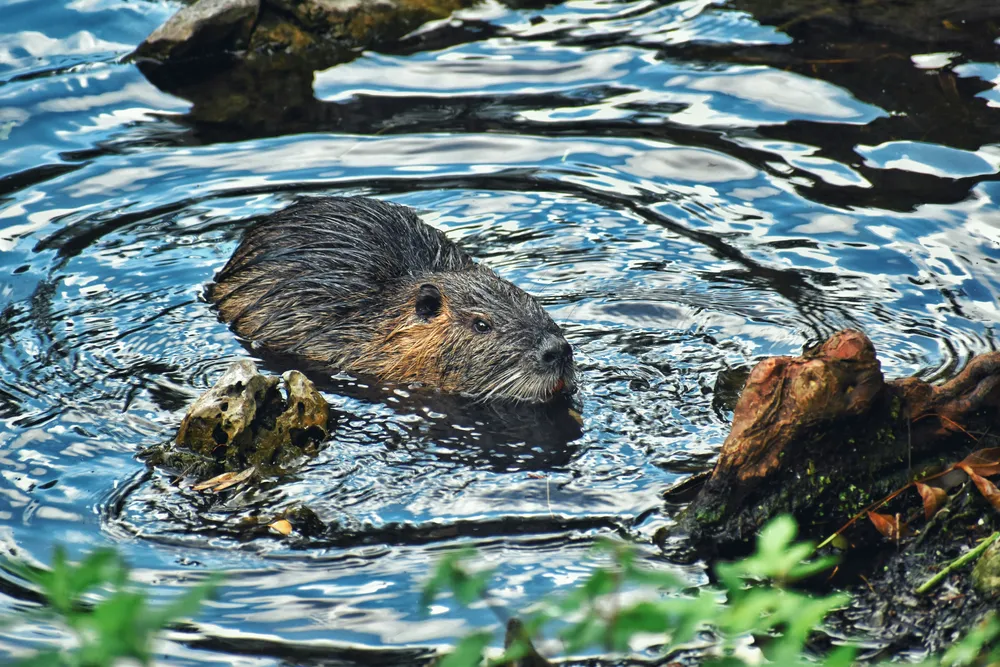
Our specialist ecology team assesses suitable habitat and identifies evidence of beaver activity, including feeding signs, tracks, burrows, lodges and dams.
You receive clear, planning ready advice to establish any ecological constraints and the appropriate next steps for your project.
Beaver activity and habitat assessment
Mapping of relevant burrows, lodges, dams and field signs
Development impact assessment
Clear mitigation and avoidance recommendations
Natural England licensing advice where required
LPA-ready ecological report with practical next steps
Our recommendations focus on the minimum necessary ecological work required to support your Merseyside project.
We review your plans, site location, freshwater habitats and available ecological information to establish the appropriate survey requirements.
Where required, our ecologists survey suitable watercourses and connected habitats for beaver activity, including feeding signs, tracks, burrows, lodges and dams.
We assess how the proposed works could affect beavers, protected features, movement routes and supporting habitat.
You receive a clear, LPA ready report setting out the findings and any necessary avoidance, mitigation, monitoring or licensing requirements.
Need advice on whether a Beaver Survey is required for your Merseyside project?
Our ecologists can review the site, proposed works and available ecological information to establish whether further assessment is necessary.
Current information from the Wildlife Trust for Lancashire, Manchester and North Merseyside states that beavers are presently absent from the region. Beaver restoration is developing elsewhere in England, however, so ecological requirements should always be based on current records and evidence.
Not automatically. A river or stream alone does not mean a Beaver Survey is necessary. Habitat suitability, current records, evidence of activity and the potential impacts of the development should be considered first.
Potentially, if current ecological information indicated beaver activity within or near the relevant catchment. The River Alt and its associated watercourses provide freshwater and riparian habitats, but habitat alone does not establish the need for a Beaver Survey.
Wirral contains a network of rivers and brooks, including the River Birket, Arrowe Brook, Fender, Dibbinsdale Brook and Rivacre Brook. Projects affecting suitable freshwater habitat should be assessed according to current ecological records, habitat conditions and the proposed impacts.
Yes. If beavers were released or became established within the region, this could change the ecological considerations for developments within connected catchments. Survey requirements should therefore use the most up to date ecological information available.
Our ecologists can search for gnawed or felled vegetation, feeding remains, footprints, tracks, slides, scent mounds, burrows, lodges, dams and other evidence of activity.
Potentially. Such works can alter water levels, riverbanks and hydrology. Where beaver activity is present or reasonably likely, the potential effects of these changes may require ecological assessment.
Yes. Eurasian beavers are a European Protected Species in England. The same legal protections apply in Merseyside as elsewhere in England, including protection for their breeding sites and resting places.
No. Beaver presence does not automatically prevent development. Potential impacts should be assessed and avoidance considered first. Where impacts cannot be avoided, appropriate mitigation and potentially Natural England licensing may be required.
If your Local Planning Authority requests further information relating to beavers, ProHort can undertake the appropriate ecological assessment and provide a clear, LPA ready report to support your planning application.
Where beaver activity or protected features are identified, our ecologists can also provide proportionate recommendations for avoidance, mitigation, further monitoring or licensing where applicable, helping you respond to the LPA’s requirements and keep your project progressing.