
Clear, compliant and programme-focused beaver surveys for developments affecting rivers, streams, wetlands and connected habitats.
You may need a beaver survey if your development is close to a river, stream, wetland, lake, pond or other habitat capable of supporting beavers.
A survey may also be required where a Preliminary Ecological Appraisal (PEA), ecological records or site observations indicate that beavers could be present.
Where beavers, their burrows, lodges, dams or associated habitat could be affected, suitable ecological evidence may be required before planning permission can be determined.
A beaver survey assesses whether beavers are present or using land within or around a proposed development site.
Our ecologists inspect suitable habitat for evidence including burrows, lodges, dams, feeding signs, tracks, scent mounds and other indicators of beaver activity.
The findings help establish how beavers may interact with the proposed development and whether avoidance, mitigation, further monitoring or licensing may be required.

A survey should be considered where:
• A river, stream or other watercourse passes through or alongside the site
• Wetlands, ponds, lakes or riparian woodland are present
• Gnawed or felled trees have been identified
• Dams, lodges or possible burrows have been observed
• Footprints, slides, feeding remains or other field signs are present
• Ecological records identify beavers within the surrounding area
• A PEA identifies suitable beaver habitat
• Works could alter water levels, banks or riparian vegetation
• Development could restrict movement along a watercourse
Identifying potential constraints early allows them to be incorporated into the design rather than addressed after planning or construction has progressed.

| Service | Purpose | Outcome |
|---|---|---|
| Initial Beaver Habitat & Field Sign Assessment | An ecological walkover to assess habitat suitability and identify evidence of beaver activity. | Early confirmation of potential planning constraints. |
| Full Beaver Survey | Detailed assessment of suitable habitat, field signs, resting places, breeding sites and areas of activity. | Robust ecological evidence suitable for planning and impact assessment. |
| Activity Monitoring | Further monitoring where necessary to understand how beavers are using the site and surrounding habitat. | Greater certainty where development could affect established beaver activity. |
| Impact Assessment & Mitigation | Assessment of how the proposed development could affect beavers, their structures and supporting habitat. | Practical avoidance and mitigation measures designed around the development. |
| Licensing Support | Advice and support where proposed works could affect protected beavers, breeding sites, resting places or important structures. | A clear route towards legally compliant development where licensing is required. |
A practical, proportionate, planning-ready route for development.

Send us your site location, red line boundary, proposed development plans and any existing ecological information. We assess the site and confirm the appropriate survey requirements.

We inspect suitable watercourses, banks, wetlands, woodland & connected habitat for evidence of beaver presence & activity. Where necessary, further monitoring may be recommended to establish how beavers are using the site.

You receive a planning ready report setting out our findings, potential development impacts and any avoidance, mitigation, monitoring or licensing requirements.
Beaver habitat and field sign assessments can potentially be undertaken throughout the year, although survey effectiveness can be influenced by vegetation, water levels, weather and the type of evidence being investigated.
Where additional monitoring or specialist survey work is required, our ecologists will advise on the appropriate methodology and timing.
Early engagement is particularly important where works affect watercourses, riverbanks or areas containing potential burrows, lodges or dams.
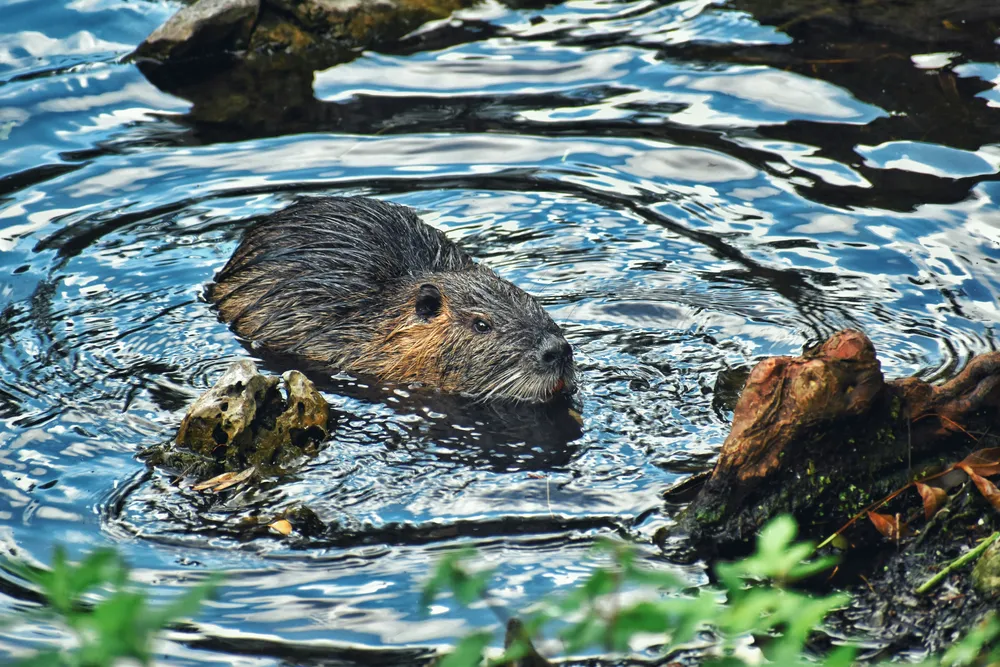
Eurasian beavers are a European Protected Species and receive legal protection under the Conservation of Habitats and Species Regulations 2017.
It is an offence to deliberately kill, injure, capture or disturb a beaver or to damage or destroy a breeding site or resting place.
Importantly for development projects, breeding sites and resting places can remain legally protected even when beavers are not present at the time works take place.
Development can therefore require careful assessment where it could affect:
Failing to identify beaver constraints early can result in:
Our role is to identify these risks early and establish a proportionate route through planning and construction.
Planning development near a watercourse, wetland or known beaver activity?
Send us your site plans and red line boundary. Our ecology team can assess whether a beaver survey is likely to be required and advise on the appropriate next step.
Phone: 0800 494 7479
Email: [email protected]
We provide ecological surveys for planning and development across England and Wales.
Survey requirements and the legal framework can vary according to location, so our ecologists will advise on the appropriate approach for your project.
A beaver survey assesses whether beavers are present or using habitat that could be affected by a proposed development.
Where suitable habitat or evidence of beavers is present, Local Planning Authorities may require sufficient ecological information to understand the potential effects of the development before determining a planning application.
Yes. Eurasian beavers are a European Protected Species in England.
It is an offence to deliberately kill, injure, disturb or capture a beaver or damage or destroy its breeding sites or resting places.
This means development affecting beaver habitat needs to be carefully assessed before works begin.
A survey may be required where a development site contains or is close to suitable habitat, particularly rivers, streams, wetlands, lakes, ponds and associated riparian woodland.
Surveys may also be recommended where ecological records, a PEA or observations indicate beaver activity in the surrounding area.
Our ecologists may look for evidence including:
• gnawed trees and branches
• felled trees
• feeding remains
• footprints and tracks
• slides and pathways into water
• scent mounds
• dams
• lodges
• burrows and bank features
• other evidence of regular activity
These signs can help determine whether beavers are present and how they are using the site.
Initial habitat and field sign assessments can potentially be undertaken throughout the year.
However, vegetation, weather conditions, water levels and the objectives of the survey can influence how easily evidence can be detected.
Where specialist monitoring is necessary, our ecologists will advise on the most appropriate survey timing.
Finding evidence of beavers does not necessarily prevent development.
The next stage is to understand how the proposed works could affect the animals, their breeding or resting sites and the habitat they depend upon.
Where possible, impacts can be avoided through appropriate design. Where avoidance is not possible, mitigation, compensation and potentially licensing may be required.
Not simply because beavers are present.
However, a licence may be required where proposed activities are likely to disturb beavers or affect legally protected breeding sites or resting places.
The exact requirements depend on the proposed works and the features affected. Our ecologists can assess the likely impact and advise whether licensing needs to be considered.
It can if beaver constraints are identified late in the planning process.
Natural England’s standing advice requires planning authorities to consider the effects of development on beavers where they may be affected.
Commissioning ecological work early allows the necessary survey evidence, impact assessment and mitigation strategy to be prepared before they become a planning constraint.
Depending on the scope of the survey, the report may include:
• site and habitat description
• survey methodology
• field survey findings
• mapping of relevant features
• assessment of beaver activity
• assessment of potential development impacts
• avoidance and mitigation recommendations
• recommendations for further survey or monitoring
• licensing considerations where applicable
• planning and legislative context
The report is structured to provide clear evidence for planning teams while giving designers and contractors practical instructions for progressing the development.
Beaver surveys should only be undertaken by a qualified ecologist.
Accurate identification of beavers, their habitat and activity is critical, particularly for planning and legal compliance.
Professional surveys ensure findings are robust and accepted by Local Planning Authorities.
Potentially.
Where important beaver habitat, burrows, lodges or movement corridors are present, layouts may need to incorporate appropriate protection and mitigation.
Early ecological involvement allows these constraints to be considered while the scheme is still being designed, helping reduce the risk of expensive changes later.
