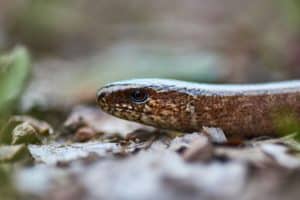
We carry out Great Crested Newt (GCN) surveys across Lancashire, including Preston, Lancaster, Chorley, Blackpool outskirts, Burnley, and surrounding rural villages.

Need planning-compliant GCN surveys in Lancashire?
We provide proportionate Great Crested Newt (GCN) survey services across Lancashire, including eDNA assessments and habitat evaluations, producing clear, legally compliant reports to support planning submissions.
Calls answered in 2 rings, emails replied to within the hour.
Clear guidance before you commit.
Working in partnership with clients to ensure planning approval first time
Industry Leading Standard
We stay with you from first call through to submission.
Lancashire’s landscape features a combination of lowland farmland, mossland ponds, estate lakes, urban green spaces, and interconnected hedgerows and woodland corridors. These habitats provide potential breeding and terrestrial sites for Great Crested Newts, making surveys essential in many development contexts.
A GCN assessment identifies suitable habitat, evaluates risks to your project, and confirms whether eDNA testing or full presence/absence surveys are required. Early assessment prevents unnecessary delays and ensures compliance.
You may require a Great Crested Newt (GCN) or eDNA survey in Lancashire if your project involves:
Development near farm ponds or mossland water features around Preston or Chorley
Residential or commercial conversions on rural estates or former industrial sites
Works adjacent to wet woodland, hedgerow corridors, or pasture depressions
Landscaping proposals impacting estate lakes or ornamental water features
Sites flagged in ecological records as having moderate to high GCN potential
Construction planned during the April–June survey season
Surveying early ensures proportionate measures are in place.
We carry out Great Crested Newt (GCN) surveys across Lancashire, including Preston, Lancaster, Chorley, Blackpool outskirts, Burnley, and surrounding rural villages.
In Lancashire, local planning authorities may request Great Crested Newt (GCN) survey evidence where suitable habitats—such as ponds, wet ditches, watercourse margins, and surrounding terrestrial areas—are present, to ensure development proposals comply with wildlife legislation and national planning policy. Without timely and proportionate survey work, planning applications can face delays due to validation queries, additional planning conditions, or seasonal restrictions linked to key GCN activity periods. Such delays can disrupt project timelines and may lead to avoidable redesigns, emphasizing the importance of early, targeted GCN assessments.
We provide practical, proportionate GCN assessments, from habitat appraisals and eDNA or full surveys to clear, planning-ready reports with mitigation, timing guidance, and actionable next steps to keep projects on track.
We deliver planning-compliant Great Crested Newt (GCN) services across Lancashire, providing practical support to your project team, including:
Natural England–approved eDNA surveys
Full presence/absence checks where necessary
Terrestrial habitat evaluations
Proportionate reporting to satisfy local planning authority requirements
Our approach is straightforward: the appropriate survey method at the right stage, with clear, actionable advice to keep your development on track.
Share your site details and programme, and we’ll identify whether an eDNA or full survey is required.
We conduct walkovers, eDNA tests, or full GCN surveys based on site potential and season.
You receive planning-ready reports with impacts, mitigation, licensing, and clear timelines.
Require a GCN assessment in Lancashire? Check your site’s needs early to keep your project moving.
Yes. Lancashire has a diverse landscape of farmland, floodplains, woodland, grazing pasture, parkland and ponds that can provide suitable habitat for Great Crested Newts. While the species is not found in every pond, developments affecting these habitats may require ecological assessment before planning permission can be determined.
Planning authorities have a legal duty to consider protected species when determining planning applications. If a proposed development could affect ponds or surrounding habitats suitable for Great Crested Newts, they may request survey evidence before making a planning decision. Providing this information early helps reduce delays and demonstrates that ecological impacts have been properly considered.
Yes. Artificial ponds, balancing ponds and Sustainable Drainage Systems (SuDS) can provide suitable breeding habitat if they offer the right environmental conditions. Ecologists assess both natural and man made waterbodies during site inspections, as Great Crested Newts are not limited to traditional countryside ponds.
A pond does not need to be inside your site boundary to be relevant. If nearby ponds are close enough for Great Crested Newts to use alongside your development site, they may need to be considered during the ecological assessment. The relationship between surrounding habitats and the proposed works is often just as important as the development site itself.
Yes. Many developers commission ecological surveys during the due diligence stage before completing a land purchase. Understanding potential protected species constraints early allows buyers to make informed decisions, estimate project timescales and identify any ecological considerations before committing to a development.
Early surveys provide greater certainty when designing a development and preparing a planning application. They reduce the likelihood of seasonal survey delays, allow ecological recommendations to be incorporated into the project and help prevent unexpected planning conditions that could affect construction programmes.
Absolutely. Warehouses, industrial units, retail developments, schools, healthcare facilities and employment sites can all require Great Crested Newt surveys where suitable habitat is present nearby. Protected species legislation applies regardless of the type of development being proposed.
Where appropriate survey methods confirm likely absence, the findings can often be submitted with the planning application as evidence that Great Crested Newts are unlikely to be affected by the proposed development. This provides reassurance to the Local Planning Authority and may remove the need for additional species specific survey work.
Great Crested Newt surveys may be requested by Lancashire County Council, Preston City Council, Blackburn with Darwen Borough Council, Blackpool Council, Burnley Borough Council, Chorley Council, Fylde Borough Council, Hyndburn Borough Council, Lancaster City Council, Pendle Borough Council, Ribble Valley Borough Council, Rossendale Borough Council, South Ribble Borough Council, West Lancashire Borough Council or Wyre Council, depending on the location of the proposed development. Applicants should review the relevant Local Planning Authority’s ecological validation requirements before submitting a planning application.
ProHort undertakes Great Crested Newt surveys across Lancashire for homeowners, developers, architects, planning consultants and commercial organisations. Our experienced ecologists provide practical ecological advice, recognised survey methodologies and robust planning reports tailored to Local Planning Authority requirements. By identifying protected species constraints at the earliest opportunity, we help clients minimise planning risk, avoid unnecessary delays and keep projects progressing efficiently.