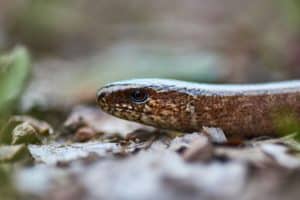
We deliver Great Crested Newt (GCN) surveys across Bristol, including Clifton, Bedminster, Filwood, Henbury, Stoke Bishop, and surrounding fringe areas.

Need planning-compliant GCN surveys in Bristol?
Our ecologists deliver proportionate Great Crested Newt (GCN) services across Bristol, including eDNA surveys and habitat assessments, supporting planning submissions for both urban and peri-urban developments.
Calls answered in 2 rings, emails replied to within the hour.
Clear guidance before you commit.
Working in partnership with clients to ensure planning approval first time
Industry Leading Standard
We stay with you from first call through to submission.
Bristol’s mix of urban green spaces, historic parkland ponds, former industrial land, and watercourses creates pockets of suitable habitat for Great Crested Newts, particularly where ponds are connected by scrub, woodland, or rail and river corridors. As a result, ecological surveys are often required to support planning applications.
A GCN assessment identifies whether suitable habitat is present, evaluates risks to your scheme, and determines whether eDNA testing or further survey work is necessary. Early assessment helps avoid unexpected survey requirements later in the planning process.
You may require a Great Crested Newt (GCN) or eDNA survey in Bristol if your project involves:
Development near parkland ponds or balancing ponds in areas such as South Bristol
Brownfield regeneration sites with retained water features or wet ground
Residential schemes close to railway corridors or green infrastructure networks
Works near streams, culverts, or drainage features feeding into the River Avon
Landscaping proposals affecting ponds within public open space or private gardens
Construction programmed within the April–June GCN survey season
Early site screening in Bristol is particularly important due to the city’s fragmented but connected habitats.
We deliver Great Crested Newt (GCN) surveys across Bristol, including Clifton, Bedminster, Filwood, Henbury, Stoke Bishop, and surrounding fringe areas.
In Bristol, local planning authorities may request Great Crested Newt (GCN) survey evidence where suitable habitats—such as ponds, wet ditches, watercourse margins, and surrounding terrestrial areas—are present, to ensure development proposals comply with wildlife legislation and national planning policy. Without timely and proportionate survey work, planning applications can face delays due to validation queries, additional planning conditions, or seasonal restrictions linked to key GCN activity periods. Such delays can disrupt project timelines and may lead to avoidable redesigns, emphasizing the importance of early, targeted GCN assessments.
We provide practical, proportionate GCN assessments, from habitat appraisals and eDNA or full surveys to clear, planning-ready reports with mitigation, timing guidance, and actionable next steps to keep projects on track.
We deliver planning-compliant Great Crested Newt (GCN) services across Bristol, providing practical support to your project team, including:
Natural England–approved eDNA surveys
Full presence/absence checks where necessary
Terrestrial habitat evaluations
Proportionate reporting to satisfy local planning authority requirements
Our approach is straightforward: the appropriate survey method at the right stage, with clear, actionable advice to keep your development on track.
Share your site details and programme, and we’ll identify whether an eDNA or full survey is required.
We conduct walkovers, eDNA tests, or full GCN surveys based on site potential and season.
You receive planning-ready reports with impacts, mitigation, licensing, and clear timelines.
Require a GCN assessment in Bristol? Check your site’s needs early to keep your project moving.
Yes. Although Bristol is a major city, Great Crested Newts can still be found in parks, balancing ponds, nature reserves, former quarry sites and green corridors around new developments. Planning authorities may require a survey where suitable habitat is present or where development could affect nearby ponds. Urban developments are assessed in exactly the same way as rural sites if protected species may be impacted.
A Great Crested Newt survey looks beyond ponds alone. Ecologists also assess surrounding habitats such as rough grassland, scrub, hedgerows, woodland margins, ditches and unmanaged areas that provide shelter, feeding opportunities and movement corridors. Understanding how these habitats connect helps determine whether Great Crested Newts are likely to be affected by a proposed development.
Not always. An eDNA survey is an excellent screening tool where suitable ponds are present and planning guidance allows its use. However, some developments require traditional survey methods or additional ecological assessment, particularly where positive eDNA results are returned or more detailed population information is needed. An ecologist will recommend the most appropriate survey following an initial site assessment.
Yes. Extensions, new homes, garage conversions, barn conversions and garden developments can all require Great Crested Newt surveys if they are located close to suitable habitat. The size of the development is only one consideration. The deciding factor is whether protected species or their habitats could be affected by the proposed works.
Following the survey, your ecologist prepares a detailed report explaining the survey findings, the habitats assessed and any recommendations required for planning. If Great Crested Newts are not identified, the report can often be submitted with the planning application. If they are present, appropriate mitigation or licensing advice will also be provided.
Beginning development before ecological surveys have been completed can create planning and legal complications if Great Crested Newts are present. Where surveys are required, it is generally advisable to wait until ecological assessments have been completed and any recommendations have been addressed through the planning process.
Seeking ecological advice at the beginning of a project provides greater certainty over planning requirements. It allows survey work to be scheduled during the appropriate survey season, reduces the likelihood of validation delays and helps developers understand any ecological constraints before construction programmes are finalised.
Yes. Great Crested Newts remain legally protected throughout the year, not just during their breeding season. While surveys are undertaken during specific seasonal windows, the legal protection applies whenever the animals or their breeding and resting places could be affected by development activities.
Great Crested Newt surveys are typically requested by Bristol City Council where development proposals could affect protected species or suitable habitats. Depending on the location of your project, neighbouring authorities such as South Gloucestershire Council, Bath & North East Somerset Council and North Somerset Council may have similar ecological validation requirements. Applicants should review the relevant Local Planning Authority guidance before submitting planning applications.
ProHort provides Great Crested Newt surveys across Bristol for homeowners, developers, architects, planning consultants and commercial clients. Our experienced ecologists deliver robust ecological assessments, clear planning reports and practical recommendations tailored to each project. We aim to identify ecological constraints early, helping developments progress efficiently while meeting planning and wildlife legislation requirements.