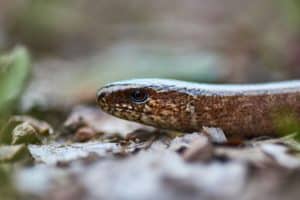
We deliver Great Crested Newt (GCN) surveys across Greater Manchester, including Manchester, Salford, Stockport, Bolton, Bury, Oldham, Rochdale, Wigan, Trafford, and surrounding towns and suburbs.

Need planning-compliant GCN surveys in Greater Manchester?
Our team provides focused Great Crested Newt (GCN) services across Greater Manchester, including eDNA testing, delivering clear, practical reports that support planning applications and help keep your development on schedule.
Calls answered in 2 rings, emails replied to within the hour.
Clear guidance before you commit.
Working in partnership with clients to ensure planning approval first time
Industry Leading Standard
We stay with you from first call through to submission.
Greater Manchester’s mix of urban greenspaces, parkland lakes, canal-side ponds, industrial basins, and connected woodland and hedgerow corridors provides suitable habitat for Great Crested Newts. Planning officers often request ecological evidence where development may affect these habitats.
A GCN assessment identifies potential newt habitat, evaluates the risk to your project, and determines whether eDNA testing or full presence/absence surveys are needed, helping keep your development on track and avoiding seasonal delays.
You may require a Great Crested Newt (GCN) or eDNA survey in Greater Manchester if your project involves:
Development near ponds, such as canal-side or parkland ponds in Salford.
Urban greenspace works or landscaping, for example around public park lakes in Stockport.
Projects near wet grassland, woodland edges, or hedgerows, such as green corridors and field margins in Bolton.
Landscaping affecting waterbodies, drainage routes, or industrial basins, for example near disused quarry ponds in Oldham.
Sites identified as having reasonable GCN potential in preliminary ecological appraisals, particularly across suburban-rural fringe areas like Rochdale.
Works during the April–June survey season, for example on small ponds or wet depressions in Wigan.
Checking your Greater Manchester site postcode or location early helps determine whether a survey is required and keeps your project on schedule.
We deliver Great Crested Newt (GCN) surveys across Greater Manchester, including Manchester, Salford, Stockport, Bolton, Bury, Oldham, Rochdale, Wigan, Trafford, and surrounding towns and suburbs.
Planning authorities in Greater Manchester may request surveys for Great Crested Newts (GCN) because local parkland ponds, canal-side waterbodies, industrial basins, wet field margins, and connected hedgerow and woodland corridors can support these protected species. Delaying ecological checks can result in planning validation queries, missed eDNA sampling windows, full April–June surveys, or interruptions during construction. Conducting assessments early helps prevent seasonal delays and keeps development programmes on schedule.
Following relevant legislation—including the Wildlife & Countryside Act 1981, Conservation of Habitats and Species Regulations 2017, NPPF biodiversity requirements, and the Environment Act 2021 with Biodiversity Net Gain—ensures projects remain legally compliant, predictable, and aligned with construction timelines.
We provide practical, proportionate GCN assessments, from habitat appraisals and eDNA or full surveys to clear, planning-ready reports with mitigation, timing guidance, and actionable next steps to keep projects on track.
We provide planning-compliant Great Crested Newt (GCN) services across Greater Manchester, offering practical support to your project team, including:
Natural England–approved eDNA surveys
Full presence/absence checks where required
Terrestrial habitat assessments
Proportionate reporting to meet local planning authority requirements
Our approach is simple and effective: the right survey method at the appropriate stage, with clear, actionable guidance to keep your development on schedule.
Share your site details and programme, and we’ll identify whether an eDNA or full survey is required.
We conduct walkovers, eDNA tests, or full GCN surveys based on site potential and season.
You receive planning-ready reports with impacts, mitigation, licensing, and clear timelines.
Require a GCN assessment in Greater Manchester? Check your site’s needs early to keep your project moving.
Yes. Although Greater Manchester is heavily urbanised, Great Crested Newts are found in suitable habitats across the region. Ponds within parks, nature reserves, sustainable drainage systems, former industrial land and green infrastructure can all support breeding populations. Every development site should therefore be assessed on its own ecological merits rather than its proximity to urban areas.
They can. Regeneration schemes often involve redeveloping previously used land, but these sites may have developed valuable habitats over many years. Retained ponds, drainage lagoons, scrubland and unmanaged grassland can all provide suitable habitat for Great Crested Newts. Ecological surveys help establish whether protected species need to be considered before redevelopment begins.
Yes. A survey provides objective ecological evidence that enables planning authorities to assess the potential impacts of development. By understanding ecological constraints at an early stage, developers can make informed design decisions, avoid unexpected planning conditions and reduce the likelihood of programme delays later in the project.
If a pond is located on or close to your site, it is sensible to seek ecological advice before submitting a planning application. An ecologist can assess whether the pond has the potential to support Great Crested Newts and advise whether an eDNA survey, traditional survey or no further survey work is appropriate based on current guidance.
Potentially. Great Crested Newts rely on terrestrial habitats for feeding, shelter and hibernation for much of the year. Removing rough grassland, scrub, hedgerows, woodland margins or log piles could affect the species if they are present. Ecological surveys identify these risks before site clearance begins.
The earlier the better. Ecological surveys are most effective when considered during the initial design stages of a development. Early surveys provide greater flexibility, allow seasonal survey windows to be met and help ensure planning applications are supported by the ecological information required by the Local Planning Authority.
Not always. Whether a licence is required depends on the survey findings, the type of development and the potential impacts on the species. If licensed activities are necessary, your ecologist will explain the process and prepare the supporting information required to obtain the appropriate permissions before work begins.
Yes. Great Crested Newt surveys are frequently coordinated with Preliminary Ecological Appraisals, Biodiversity Net Gain Assessments, habitat surveys and other protected species surveys. Coordinating ecological work often reduces duplication, improves project efficiency and provides developers with a more complete understanding of their site’s environmental constraints.
Great Crested Newt surveys may be requested by Manchester City Council, Bolton Council, Bury Council, Oldham Council, Rochdale Borough Council, Salford City Council, Stockport Metropolitan Borough Council, Tameside Metropolitan Borough Council, Trafford Council or Wigan Council, depending on the location of the proposed development. Applicants should review the relevant Local Planning Authority’s ecological validation guidance before submitting planning applications.
ProHort delivers Great Crested Newt surveys across Greater Manchester for residential, commercial and infrastructure developments. Our experienced ecologists provide practical advice, recognised survey methodologies and planning reports designed to support Local Planning Authority requirements. We work closely with developers, architects and planning consultants to identify ecological constraints early, helping projects progress efficiently while remaining fully compliant with wildlife legislation.