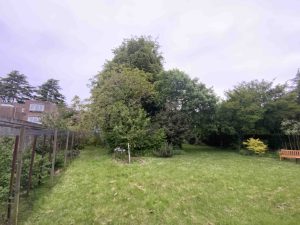

Landscaping Schemes in the West Midlands: Are They Required for Planning?
West Midlands planning authorities often require a landscaping scheme where development affects visual appearance, settlement edges, public views or heritage settings. Providing a clear, well-designed scheme upfront helps demonstrate policy compliance, reduces planning risk and can prevent delays caused by requests for further information.
Calls answered in 2 rings, emails replied to within the hour.
Clear guidance before you commit.
Working in partnership with clients to ensure planning approval first time
Industry Leading Standard
We stay with you from first call through to submission.
You’re likely to need a formal landscaping scheme in the West Midlands where development proposals alter site layout, boundaries, levels or public-facing areas. Local planning authorities regularly require landscaping details to demonstrate how new development integrates with its surroundings, addresses visual impact, manages boundaries and delivers policy-compliant green infrastructure. Applications submitted without a clear landscaping strategy often receive planning conditions, requests for clarification or delayed approvals.
Planning authorities across the West Midlands commonly require landscaping schemes where development affects:
Urban fringe sites and regeneration areas
Residential, commercial or mixed-use developments
Street-facing frontages, access routes or shared spaces
Sites adjoining existing housing, transport corridors or sensitive boundaries
Developments involving level changes, drainage works or boundary treatments
Landscaping is frequently conditioned, making early design work important to prevent post-approval delays.
We provide planning ready landscaping schemes across the West Midlands, helping developments integrate successfully into townscapes, countryside and heritage settings.
In the West Midlands, landscaping schemes are often required where development affects countryside character, settlement edges or heritage settings. Prepared in line with local planning policy, the National Planning Policy Framework (NPPF) and relevant landscape guidance, a landscaping scheme sets out how planting, boundary treatments and open space design will integrate the development into its surroundings and mitigate visual and environmental impacts.
We prepare planning-ready landscaping schemes that align with West Midlands planning policy and help secure approval through clear, policy-led design.
Your Landscaping Scheme is structured to meet West Midlands’ planning requirements and typically includes:
Baseline review – Site context, constraints and relevant landscape or green infrastructure policy.
Landscape proposals – Planting plans, materials, boundary treatments and layout details.
Mitigation & enhancement – Measures to soften development, manage views and strengthen local character.
Submission-ready document – Clearly formatted drawings and notes aligned with Local Planning Authority expectations.
This ensures your landscaping scheme in the West Midlands can be submitted confidently and assessed without unnecessary delay.
Ecological reports and architect drawings will be reviewed.
Landscaping scheme design process will start
Discuss final proposed scheme with clients.
We respond to any Landscaping Scheme queries or make amendments required.
Ready to secure approval and start on site? We’ll confirm what your West Midlands site needs and help you move forward without unnecessary delay.
The West Midlands combines dense urban areas with important green corridors, where landscaping helps manage visual impact and deliver urban greening.
West Midlands Combined Authority – https://www.wmca.org.uk/
Residential, mixed-use, infrastructure and regeneration projects commonly require landscaping details.
Street trees, buffer planting, public realm improvements and biodiversity enhancements are often key elements.
They help meet objectives around green infrastructure, climate resilience and placemaking.
Early design stages to ensure integration with layout and access.
Yes, implementation and maintenance are usually secured by condition.