BOTANICAL SURVEYS
Accurate botanical evidence that protects your BNG baseline, prevents rework and keeps planning predictable across the UK.
Do you need a botanical survey?
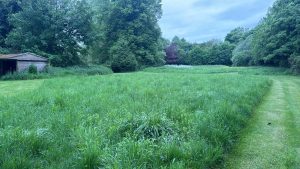
If your project involves grassland, wetland or species-rich vegetation, a botanical survey may be required.
Planners depend on this evidence to confirm habitat condition, and those results directly shape your BNG scores, uplift targets and mitigation design.
Handled early, botanical clarity stabilises your baseline, keeps BNG calculations defensible and prevents growing-season slippage.
Most developers tell us this single survey removed weeks of uncertainty.
What is a botanical survey?
A botanical survey records plant species, habitat structure and ecological condition.
This data determines:
- how your habitat is classified under UKHab or NVC
- whether it qualifies as priority habitat
- your BNG baseline units and uplift obligations
- the level of scrutiny your application receives
Our botanists record data objectively and score it proportionately, aligning findings with design intent.
Trigger points — signs you need a botanical survey
These indicators suggest your site might require more than a basic walkover and may attract LPA scrutiny:
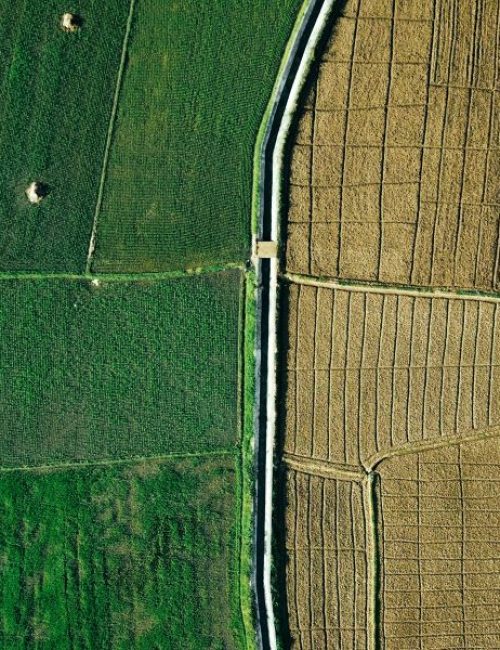
- grassland or meadow of uncertain quality
- wet or marshy patches, reedbeds or flushes
- brownfield or mosaic vegetation
- species-rich field margins or older pasture
- habitats linked directly to your BNG baseline
- PEA recommendations citing moderate or high botanical value
If condition or distinctiveness is unclear, planners often pause validation until formal evidence is supplied.
Early instruction keeps your submission moving.
What We Deliver
We keep guidance clear and planning-ready — supporting predictable project delivery.
| Service Component | Purpose | Outcome |
|---|---|---|
| Species Survey | Identify flora accurately | Reliable botanical dataset |
| Habitat Classification (UKHab/NVC) | Confirm habitat type | Solid foundation for BNG and planning |
| Condition Scoring | Determine habitat quality | Metric-ready, defensible data |
| Habitat Mapping | Delineate parcels and features | Evidence planners can trust |
| Distinctiveness Assessment | Evaluate ecological importance | Clear uplift implications |
| BNG Integration | Align data with uplift targets | Predictable BNG outcomes |
| Practical Recommendations | Guide design and mitigation | Realistic, buildable actions |
| Reporting | Deliver concise findings | Planning-ready documentation |
How it Works
Our process is designed to remove friction and keep decisions moving.

Scope & Site Review
We review your boundary, proposals and planning position so you know exactly what evidence is needed.

Field Survey
Species-level sampling during the growing season using consistent national methods.

Reporting
Straightforward classification, condition scoring and next steps — ready for planners and BNG submission.
Timing & Survey Windows
Early instruction secures the survey window and keeps ecology off the critical path.
That’s how project control is maintained.
Botanical Surveys
Main season May to September (Condition scoring Best in growing season)
PEA
Year-round
BNG integration
Year-round
Why planning officers request PEAs
Local planning authorities apply duties under the Environment Act 2021, NERC Act 2006 (S41) and NPPF Section 15 to protect and enhance biodiversity.
Accurate botanical evidence allows them to verify that your proposed development delivers measurable uplift.
Missing or weak data often leads to:
- BNG recalculations and re-surveys
- contested habitat classifications
- redesigns to achieve 10 percent net gain
- seasonal delays until vegetation can be reassessed
A clear botanical record keeps planning validation clean and avoids seasonal rollover.
Act early and your evidence works for you, not against you.
Our Approach
ProHort integrates botanical work directly with planning and BNG delivery.
Surveys follow CIEEM guidance and DEFRA Metric 4.0 requirements, producing consistent, defensible evidence nationwide.
Each ProHort survey includes:
- species identification by qualified botanists
- habitat classification and condition scoring
- habitat mapping with ecological context
- concise recommendations for planning and design
It’s the difference between evidence planners can rely on and data they question.
How this supports your project
A well-timed Botanical Survey:
- confirms habitat condition and distinctiveness before design lock-in
- prevents reclassification or uplift disputes
- delivers metric-ready data for BNG submission
- aligns with DEFRA, NPPF and local plan requirements
- integrates smoothly with wider ecological reporting
Clear data supports predictable progress.
Case Insight
Your Next Step
Get the ecological clarity that keeps your design on track.
Phone: 0800 494 7479
Email: [email protected]
Areas We Cover
We cover many areas across England. Click below to find out more.
Botanical Survey FAQ - Planning and Programme Clarity
What is a botanical survey?
A botanical survey is a detailed assessment of plant species and habitats present on a site. It identifies vegetation types, records species composition, and evaluates ecological value to support planning applications and land use decisions.
What does “botanical” mean in ecology?
In ecology, “botanical” refers specifically to plant life. Within a planning context, it relates to the identification, classification, and assessment of plant species and habitats on a site.
When is a botanical survey required?
Botanical surveys are typically required where a site contains vegetation that may have ecological value. Local Planning Authorities often request them where development could impact grassland, woodland, or other habitats that require detailed assessment.
What is the difference between a botanical survey and a vegetation survey?
The terms are often used interchangeably. However, a botanical survey generally focuses more closely on plant species identification and ecological value, while vegetation surveys may focus more broadly on habitat structure and classification.
What is the difference between a botanical survey and a Preliminary Ecological Appraisal (PEA)?
A botanical survey is a detailed, habitat and plant specific assessment. A Preliminary Ecological Appraisal provides an initial overview of ecological constraints, including protected species potential. Botanical surveys are often used to support or refine PEA findings.
What does a botanical survey involve?
A botanical survey involves a site visit during the appropriate season, identification of plant species, habitat classification using recognised methods such as UKHab, and an assessment of ecological significance. The findings are presented within a planning ready report.
How are botanical surveys carried out?
Botanical surveys are undertaken by qualified ecologists through systematic fieldwork. This includes mapping habitats, recording species, and assessing condition and diversity. Survey methods are selected based on site type, habitat complexity, and planning requirements.
When is the best time to carry out a botanical survey?
The optimal survey period is typically between May and September, when plant species are visible and identifiable. Timing is critical, as surveys undertaken outside this window may not provide reliable data.
Can a botanical survey be carried out in winter?
In most cases, botanical surveys cannot be reliably completed in winter. Many species are not visible or identifiable during this period, and further survey work may be required during the growing season.
What is a flora survey?
A flora survey is another term for a botanical survey. It refers to the recording and assessment of plant species within a defined area, often used interchangeably within ecological reporting.
Do botanical surveys identify protected or invasive plant species?
Yes. Botanical surveys record notable, protected, and invasive plant species where present. This is important for planning, as certain species may require mitigation, protection, or management.
What information is included in a botanical survey report?
A botanical survey report typically includes habitat maps, plant species lists, ecological evaluation, and recommendations. It is structured to meet Local Planning Authority requirements and support planning decisions.
Will a botanical survey delay my planning application?
If a botanical survey is required but not completed within the appropriate season, planning decisions may be delayed. Early instruction ensures surveys are undertaken at the correct time and avoids unnecessary programme risk.
Do all development sites require a botanical survey?
Not all sites require a botanical survey. Requirements depend on the presence of habitats and the potential for ecological value. This is typically determined through initial ecological review or planning validation guidance.
How do Local Planning Authorities determine if a botanical survey is needed?
Local Planning Authorities assess requirements based on site characteristics and planning policy. Validation checklists are often used to determine whether ecological surveys are required. These can be reviewed via your Local Planning Authority website or national guidance such as the Planning Portal.
Can a botanical survey support Biodiversity Net Gain (BNG)?
Yes. Botanical surveys provide habitat and condition data that can inform Biodiversity Net Gain assessments. However, they do not replace a full BNG assessment or DEFRA metric calculation, which is a separate requirement.