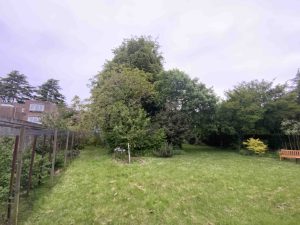
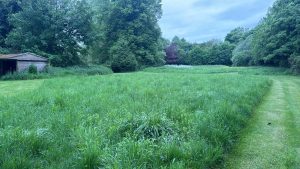
If you are planning a development in Wolverhampton, understanding the biodiversity value of your site can be an important part of preparing for planning. Biodiversity Net Gain (BNG) considers how development affects habitats and how measurable biodiversity improvements can be delivered where the statutory requirements apply.
ProHort provides BNG Assessments and Biodiversity Gain Plan support in Wolverhampton for developers, landowners, architects and planning professionals. We can help you understand the ecological information required, assess the potential implications of a proposed layout and plan the next steps towards delivering biodiversity gain.
Calls answered in 2 rings, emails replied to within the hour.
Clear guidance before you commit.
Working in partnership with clients to ensure planning approval first time
Industry Leading Standard
We stay with you from first call through to submission.
Wolverhampton has a varied urban environment, with residential neighbourhoods, commercial and industrial land, parks, waterways and areas of more natural habitat. This means the biodiversity considerations for one development can be very different from those for another, even within the same local authority area.
City of Wolverhampton Council publishes ecological evidence and mapping information to support planning, including information about Sites of Importance for Nature Conservation (SINCs) and Sites of Local Importance for Nature Conservation (SLINCs). Checking the relevant information for your site can help establish whether designated or locally identified ecological interests may need to be considered.
The West Midlands Local Nature Recovery Strategy also provides a regional framework for identifying nature-recovery priorities and opportunities to improve connections between habitats. These priorities can be relevant when considering how a proposed development might contribute to wider ecological networks.
The precise implications for a development depend on its location, existing habitats, proposed works and applicable planning requirements. A local designation or nature-recovery priority should not be assumed to apply to every site in Wolverhampton.
We support developments across all Wolverhampton neighbourhoods, including the city centre, Tettenhall, Wednesfield, Whitmore Reans, Bushbury, Low Hill, and the wider City of Wolverhampton boundary.
A Biodiversity Net Gain Assessment establishes the biodiversity value of a site before development and considers how the proposed scheme may change that value. The assessment uses habitat information and the applicable statutory biodiversity metric to calculate biodiversity units and evaluate potential habitat losses, retention, enhancement and creation.

A BNG Assessment can help you understand:
The assessment should reflect the actual conditions of the site rather than assumptions based on its current appearance or previous use. Even a heavily developed site may contain habitats that need to be considered, while the biodiversity value of green spaces can vary considerably depending on their habitat type, condition and ecological characteristics.
For projects in Wolverhampton, it can also be useful to check relevant ecological information and nature-conservation designations during the early planning stages. This can help identify potential constraints and highlight where further ecological advice or surveys may be needed.
A BNG Assessment does not replace other ecological work. Depending on the site and development proposals, separate protected species surveys, habitat assessments or other ecological reports may also be required.
Where statutory BNG applies, a Biodiversity Gain Plan explains how the development will meet the applicable biodiversity gain objective. It is a separate stage from the initial BNG Assessment and must be approved by the relevant planning authority before development begins.
The plan brings together the information needed to explain how the required biodiversity gain will be achieved. This includes the relevant biodiversity metric calculations and details of the proposed approach to habitat retention, enhancement or creation.

Depending on the project, delivery may involve:
The most appropriate approach depends on the development, the habitats present and the requirements that apply. A Biodiversity Gain Plan should therefore be based on a realistic delivery strategy, not simply a target percentage or a calculation in isolation.
ProHort can help you understand how your BNG Assessment relates to the Biodiversity Gain Plan and what information may be needed as your project progresses through planning.
Smestow Valley and Tettenhall Ridge are among the local areas identified in Wolverhampton’s nature-recovery evidence. They illustrate the importance of considering green corridors, connected habitats and the relationship between individual sites and the wider landscape.
Where a development is located near a green corridor or contains habitats that connect with surrounding green spaces, it may be important to consider how the proposed layout affects those connections. Retaining existing vegetation, protecting suitable habitat features and planning appropriate enhancement can help inform the biodiversity strategy.
The relevance of these considerations must be established for each project. Proximity to a named area does not automatically mean a development site contains the same habitats or can deliver biodiversity units associated with that area.
Wolverhampton’s planning evidence includes the Bilston Corridor, an area with its own planning and characterisation context. In urban and previously developed parts of Wolverhampton, BNG can require careful consideration of the habitats that remain within and around a site.
Land that has previously been used for industry, commercial activity or other development should not automatically be treated as having no biodiversity value. Depending on its condition and management, a site may contain grassland, scrub, trees or other habitats that contribute to its baseline biodiversity value.
Understanding these habitats before the layout is finalised can help identify opportunities to avoid unnecessary habitat loss and incorporate suitable biodiversity measures into the design.
Moseley Hall and Northycote Farm are also represented in Wolverhampton’s local nature-conservation evidence. These areas highlight the importance of understanding the wider setting of a site, including existing green spaces and habitat networks.
For development proposals, the aim is not simply to identify nearby green spaces. It is to establish which habitats are actually present within the site, how the proposal may affect them and whether opportunities exist to retain or improve their ecological value.
Where appropriate, new habitat creation and enhancement can form part of a wider design strategy. The suitability of any proposed measure and its contribution to statutory BNG must be assessed under the applicable metric rules.
A successful BNG strategy needs to reflect the site’s baseline, the proposed development and the practical opportunities available to deliver habitat improvements.
The biodiversity gain hierarchy should be considered when developing the strategy. This means considering how adverse impacts on habitats can be avoided, then minimised, before looking at compensation and the options available for delivering the required gain.
On-site habitat retention, enhancement and creation may form part of the solution where suitable. However, general landscaping or ornamental planting does not automatically generate statutory biodiversity units. Proposed habitats need to be suitable for assessment, and their contribution depends on factors such as habitat type, condition, distinctiveness and the applicable metric rules.
Where the required gain cannot be delivered entirely on-site, eligible off-site biodiversity units may need to be considered. The suitability and availability of any off-site provision should be checked for the individual project.
Provide the site address or location plan, site boundary, proposed layout and any existing ecological reports. These details help establish the likely scope of the BNG Assessment.
The baseline assessment identifies the habitats present and establishes their biodiversity value using the applicable metric and supporting ecological information.
The proposed development is considered against the baseline to understand habitat losses and identify opportunities for retention, enhancement and creation.
The strategy considers how the applicable biodiversity gain objective could be achieved, following the biodiversity gain hierarchy and taking account of the opportunities and constraints of the site.
Where statutory BNG applies, the Biodiversity Gain Plan sets out how the required gain will be delivered. It must be approved by the relevant planning authority before development commences.
Contact us, and we’ll confirm exactly what your Wolverhampton site requires. We provide a planning-ready, proportionate route forward.
Yes. The council publishes ecological evidence and mapping information that includes Sites of Importance for Nature Conservation (SINCs) and Sites of Local Importance for Nature Conservation (SLINCs). Checking the relevant mapping and planning information can help identify whether locally designated ecological interests may be relevant to your site. The implications depend on the location and details of the proposal.
The West Midlands Local Nature Recovery Strategy identifies regional priorities and opportunities for nature recovery, including ways to improve habitat networks and support biodiversity. It can help inform decisions about where habitat creation and enhancement may deliver wider benefits. The relevance to a particular development depends on its location, the habitats involved and the applicable planning and BNG requirements.
Yes. Previously developed land can support habitats such as grassland, scrub, trees and other vegetation. Its biodiversity value depends on the habitats present and their condition, rather than its former use alone. A site-specific assessment is needed to establish the baseline and determine how the proposed development may affect it.
Potentially. The location may make it useful to investigate nearby habitats, ecological connections and any relevant nature-conservation designations. However, proximity alone does not establish that a site contains a particular habitat or is subject to a specific restriction. The site’s characteristics and proposed works need to be assessed individually.
Potentially. Existing habitats may contribute to the site’s baseline biodiversity value, and retaining or enhancing suitable features can be important when designing the development. Their contribution to the final calculations depends on the habitat type, condition, metric rules and the proposed changes. Trees and landscaping should not be assumed to generate a particular number of units without assessment.
Where the statutory BNG requirement applies, the Biodiversity Gain Plan must be approved by the relevant planning authority before development begins. It explains how the required biodiversity gain will be delivered and is separate from the initial BNG Assessment. Exemptions and transitional provisions can affect whether the statutory requirement applies to an individual proposal.
Eligible off-site biodiversity units may be an option where the required gain cannot be delivered entirely within the development site. The strategy must follow the applicable biodiversity gain hierarchy and statutory rules, and the proposed units must meet the relevant requirements. The availability and suitability of a particular off-site option should be checked for the project.
Useful information includes the site address or location plan, the red-line boundary, proposed development plans, any existing ecological reports and details of the planning application. If you do not yet have every document, an initial discussion can help establish what is available and what further information may be needed to define the assessment scope.