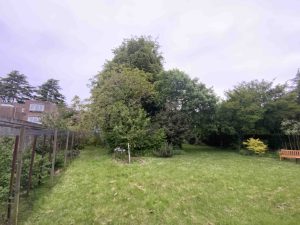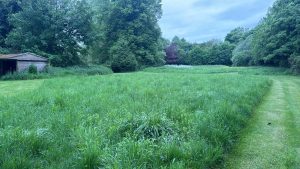

Expert Biodiversity Net Gain support for development across the West Midlands, from habitat assessments and biodiversity calculations to Biodiversity Gain Plan preparation.
Biodiversity Net Gain is a statutory requirement for qualifying developments in England. It generally requires at least a 10% increase in biodiversity value, subject to applicable exemptions and transitional provisions.
A BNG Assessment establishes the site’s existing habitat value and calculates the anticipated biodiversity impact of development using the statutory biodiversity metric.
A Biodiversity Gain Plan sets out how the required biodiversity gain will be delivered following planning permission. Where statutory BNG applies, the plan must be approved by the relevant planning authority before development commences.
Although these services are closely connected, they have different purposes. An assessment helps establish the baseline and inform design decisions, while the gain plan explains the arrangements for delivering the required biodiversity improvements.
ProHort supports projects across Birmingham, Coventry, Wolverhampton, Dudley, Sandwell, Solihull, Walsall and surrounding areas, including developments in the wider West Midlands region.
The West Midlands presents a varied development environment. Established urban areas, former industrial sites, canal networks, transport infrastructure, parks and surrounding green spaces can all influence the biodiversity considerations associated with a project.
Understanding these characteristics is important when assessing a site’s baseline value and identifying realistic opportunities for biodiversity enhancement.
Previously developed land can contain habitats of ecological value, including scrub, grassland and early-successional vegetation. These habitats should not be assumed to have low biodiversity value simply because a site has an industrial history or is earmarked for redevelopment.
A site-specific assessment helps establish which habitats are present, their condition and their contribution to the baseline biodiversity calculation. This information can then inform the development layout and the options available for delivering biodiversity gain.
For regeneration schemes, considering BNG early can help the project team understand potential constraints before designs are finalised.
The West Midlands’ extensive canal network and waterways form part of a landscape that also includes riverside habitats, green corridors, scrub, trees and areas of open space.
Where these features occur on or close to a development site, they may be relevant to habitat assessment and design decisions. Retaining suitable habitat connections and exploring appropriate enhancement opportunities can contribute to a wider biodiversity strategy.
The precise contribution of any habitat depends on its classification, condition, location and the applicable statutory metric rules.
Parks, woodland remnants, mature trees, green spaces and vegetation along transport corridors can contribute to the region’s wider ecological network.
Development proposals may also include landscape planting, green roofs or nature-based sustainable drainage features. These measures can offer environmental benefits, but they must be designed and assessed appropriately if they are intended to contribute to statutory BNG.
Our approach considers the feasibility of proposed habitat measures alongside the available space, site conditions, development design and long-term management requirements.
The West Midlands Local Nature Recovery Strategy (LNRS), published by the West Midlands Combined Authority in 2025, identifies priorities for nature recovery and maps areas where habitat creation and improvement could provide wider benefits.
The strategy covers Birmingham, Coventry, Dudley, Sandwell, Solihull, Walsall and Wolverhampton. Its priorities include improving habitats and ecological connections across the region’s urban and post-industrial landscape.
Where relevant to a development, the strategy’s mapping can help inform habitat enhancement opportunities and the consideration of strategic significance under the statutory biodiversity metric.
However, the LNRS does not replace a site-specific BNG Assessment. Existing habitats, their condition and the suitability of proposed biodiversity measures must still be assessed for the individual site.
The wider West Midlands region also extends beyond the West Midlands Combined Authority area. For sites outside the seven constituent local authorities, the relevant Local Nature Recovery Strategy and planning requirements should be checked separately.
A BNG Assessment establishes the site’s biodiversity baseline and evaluates how the proposed development is expected to change its habitat value.

Our assessment work can include:
Habitat identification and mapping: recording the relevant habitats present within the development site.
Habitat condition assessment: evaluating habitats against the applicable condition criteria.
Statutory biodiversity metric calculations: calculating baseline biodiversity value and modelling the proposed habitat changes.
Design and enhancement advice: identifying potential opportunities to retain, enhance or create suitable habitats.
Planning support: providing clear assessment information to inform the development proposals and relevant planning submission.
For brownfield regeneration, urban extensions and constrained sites, accurate baseline information can be particularly important in understanding the available options and identifying any potential biodiversity shortfall.
A Biodiversity Gain Plan sets out how the required biodiversity gain will be delivered after planning permission has been granted.
Where statutory BNG applies, the plan must be approved by the relevant planning authority before development starts. It should be consistent with the development proposals, the relevant biodiversity metric calculations and the arrangements for securing and delivering habitat improvements.
Our support can include:
Reviewing the existing BNG Assessment, metric calculations and planning information.
Preparing the Biodiversity Gain Plan using the relevant project documentation.
Coordinating proposed habitat measures with site plans and development layouts.
Identifying applicable arrangements for on-site or off-site biodiversity delivery.
Addressing relevant habitat management, monitoring and legal securing requirements.
Supporting the submission process and responding to relevant queries or requests for amendments.
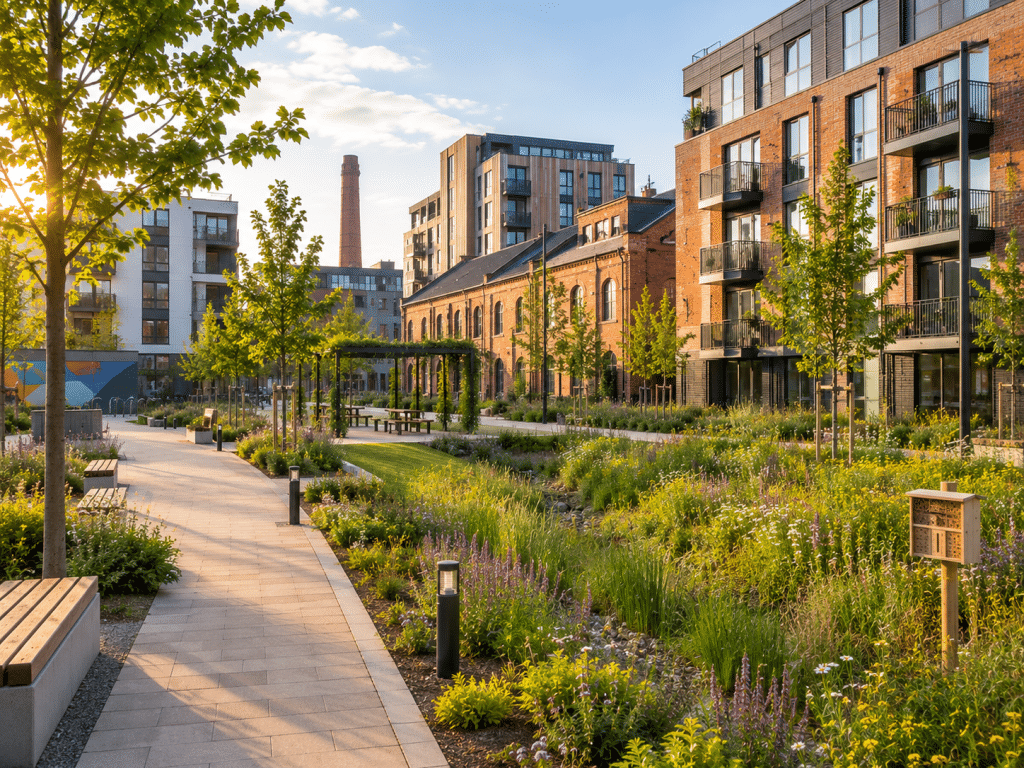
Where long-term habitat management or off-site biodiversity units are required, these arrangements need to be addressed in accordance with the applicable statutory requirements.
Our approach helps connect the initial assessment with the practical steps needed to deliver biodiversity gain.
We consider the site location, development proposals, available drawings and existing ecological information to establish the likely scope of work.
We identify and map the relevant habitats, assess their condition and calculate the site’s baseline biodiversity value using the applicable statutory biodiversity metric.
The findings help identify potential habitat retention, enhancement and creation measures. These can be considered alongside the development layout, landscape proposals and available space.
We model the anticipated habitat changes to assess whether the proposals can meet the applicable biodiversity gain requirement. If there is a shortfall, the project team can consider alternative design measures or appropriate off-site solutions.
We provide the relevant assessment information to help the project team understand its BNG position and coordinate biodiversity proposals with the wider planning documentation.
Following planning permission, where statutory BNG applies, we can help prepare the Biodiversity Gain Plan using the relevant metric information, habitat proposals and delivery arrangements. The plan must be approved by the relevant planning authority before development commences.
Contact us and we’ll confirm exactly what your site requires and support a planning-ready, proportionate route forward.
Previously developed land can support habitats such as scrub, grassland and early-successional vegetation. Its former use does not automatically mean that the site has low biodiversity value. A site-specific habitat assessment is needed to establish the baseline and inform the biodiversity metric calculations.
No. The West Midlands Local Nature Recovery Strategy prepared by the West Midlands Combined Authority covers Birmingham, Coventry, Dudley, Sandwell, Solihull, Walsall and Wolverhampton. Other areas within the wider West Midlands region fall under different strategy areas, so the relevant LNRS should be checked for the development’s location.
Yes. Where canals, riverbanks, marginal vegetation or associated habitats are present on a development site, they may contribute to its biodiversity baseline and influence the design of proposed habitat measures. Their contribution depends on the habitats present, their condition and the applicable statutory metric rules.
Potentially. Some appropriately designed green roofs and habitat-based sustainable drainage features may contribute to biodiversity delivery where they meet the applicable metric criteria. Their suitability depends on the habitat specification, design, location and long-term viability. Their biodiversity contribution should be calculated rather than assumed.
The project team may need to review the layout and consider additional habitat enhancement or creation opportunities. If on-site measures cannot deliver the required gain, purchasing eligible off-site biodiversity units may be an option, subject to the applicable statutory rules and securing arrangements.
No. A BNG Assessment focuses on habitat biodiversity value and the calculations used to assess biodiversity change. A Preliminary Ecological Appraisal, protected species surveys or other ecological assessments may be needed separately, depending on the site’s habitats, potential species constraints and the proposed development.
The relevant local planning authority is responsible for approving the Biodiversity Gain Plan where statutory BNG applies. The authority depends on the site’s location and the planning arrangements for that development. The plan must be approved before development commences.
BNG is best considered during site appraisal and early design development, before the proposed layout is finalised. This gives the project team time to understand the baseline habitat value, explore realistic enhancement options and assess whether off-site biodiversity units may be needed. The scope and timing of ecological work depend on the individual site and project requirements.