
Planning-ready BNG assessments for Shropshire — verified baselines, Metric 4.0 scoring and proportionate uplift strategies for a predictable planning route.
Calls answered in 2 rings, emails replied to within the hour.
Clear guidance before you commit.
Working in partnership with clients to ensure planning approval first time
Industry Leading Standard
We stay with you from first call through to submission.
Most developments in Warwickshire must now demonstrate a mandatory 10% Biodiversity Net Gain under the Environment Act 2021. Local planning authorities expect clear baseline data, a clean Metric 4.0 calculation and an uplift strategy aligned to real site constraints.
Warwickshire’s landscape brings a distinct ecological character — a combination of river corridors, clay farmland, historic parkland, woodland belts and canal networks. These wider patterns influence how LPAs interpret BNG and what they expect before validation.
Local landscape patterns affecting BNG expectations across Warwickshire include:
clay farmland, hedgerow networks and plateau landscapes across North Warwickshire and Nuneaton & Bedworth
floodplain meadows and riparian corridors along the Avon, Leam, Anker and Tame
woodland and parkland mosaics surrounding Warwick, Leamington Spa and Kenilworth
canal-side habitats along the Oxford Canal and Coventry Canal
restored mineral sites and early-successional land around Rugby and Central Warwickshire
These landscape patterns shape how uplift proposals are evaluated during planning.
We support projects across:
Warwick, Leamington Spa, Rugby, Nuneaton, Bedworth, Kenilworth, Stratford-upon-Avon, Atherstone, Coleshill and surrounding areas.
Warwickshire LPAs request BNG evidence early because habitat condition and distinctiveness can vary significantly across short distances, especially in areas shaped by river systems, parkland edges and restored mineral land. Planners need clarity before design work becomes fixed, ensuring uplift is achievable and proportionate.
Early evidence prevents redesign cycles, avoids validation delays and reduces the risk of uplift recalculation later in the programme.
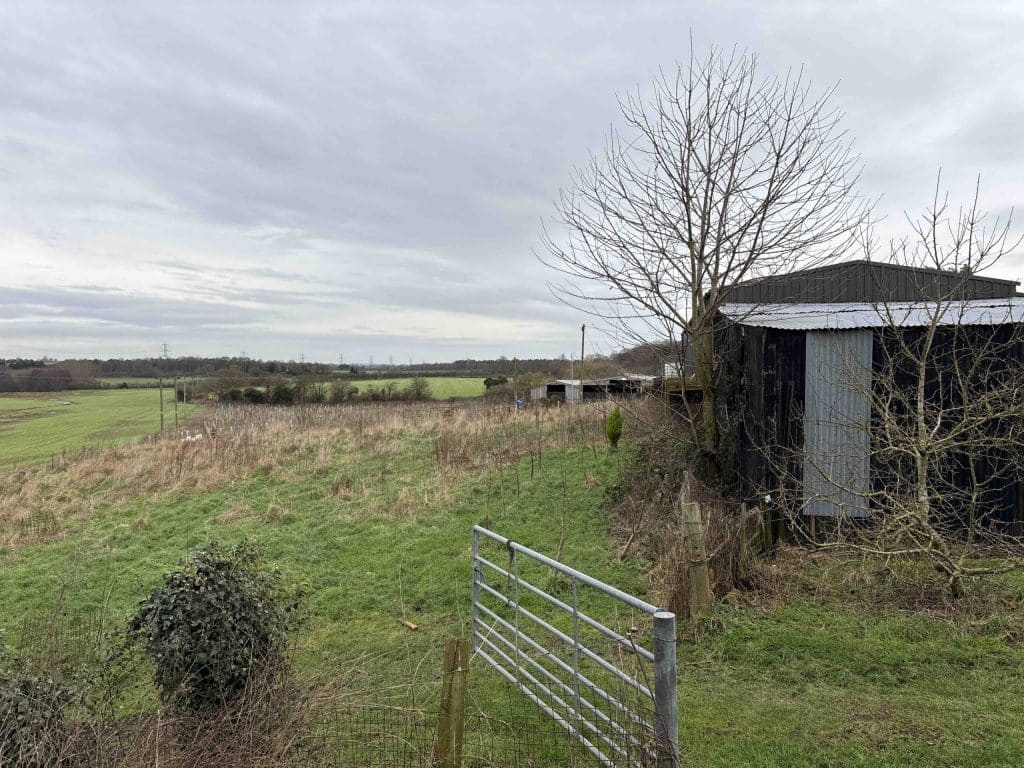
Common site-level features that trigger early BNG requirements include:
• semi-improved or species-rich grassland
• hedgerows feeding into wider ecological networks
• wet ditches, brooks or floodplain features
• brownfield or early-successional habitat patches
• woodland edges, scattered trees or parkland transitions
• PEA recommendations for botanical verification
• layout changes that alter habitat parcels
If any apply, early clarification keeps planning predictable and prevents disruption later.
BNG must be practical, defensible and proportionate.
We align ecological evidence with real-world design constraints so your metric supports your planning route. We assess habitat condition, distinctiveness and connectivity to identify the most efficient uplift options, whether on-site, off-site or blended. For more detail on methodology, see our Biodiversity Net Gain Assessment service.
For schemes requiring integrated landscape design or planting plans, we work alongside our sister company Blue Iris Landscapes to keep proposals aligned with uplift feasibility and LPA expectations.
Every recommendation is shaped for validation, design iteration and planning negotiation.
We produce planning-ready BNG Assessments aligned to Warwickshire’s policy expectations.
For Warwickshire schemes, every planning-ready BNG Assessment includes:
These deliverables are structured to satisfy Warwickshire LPAs while keeping your BNG route proportionate to the scale of development.
Year-round, with optimal survey seasons
Completed once habitat data is verified.
Aligned with design progression and layout refinement.
Only if needed. PEA, EIA, and Protected Species surveys
These steps align with national requirements under NPPF Section 15 and ensure the BNG route remains defensible at planning. Early baseline clarity locks in feasible uplift routes, prevents late-stage reclassification, and keeps your planning programme on track.
Contact us and we’ll confirm exactly what your site requires and support a planning-ready, proportionate route forward.
A Biodiversity Net Gain assessment measures the existing ecological value of a site using the statutory Biodiversity Metric and calculates how proposed development will change that value. It confirms whether at least 10 percent measurable uplift can be achieved in accordance with national legislation.
A BNG assessment is required where development falls within the scope of mandatory Biodiversity Net Gain legislation. This typically includes housing schemes, mixed use allocations and employment developments across Warwickshire.
On greenfield or edge of settlement land, the assessment calculates baseline habitat units using habitat type, condition and area. The proposed layout is then modelled within the Biodiversity Metric to confirm whether at least 10 percent uplift is achieved.
A habitat survey in accordance with UK Habitat Classification is required to map and assess site habitats. Accurate condition assessment is critical to avoid over or under estimating baseline biodiversity units.
Sites near the River Avon may contain riparian habitats or floodplain grassland. The assessment must accurately classify these habitats and ensure any proposed enhancements are realistic and deliverable.
Larger allocations often require iterative modelling alongside masterplanning. Depending on complexity, this may involve multiple metric scenarios to optimise layout and biodiversity outcomes.
Costs vary depending on site size, habitat diversity and the level of design iteration required. Straightforward sites are typically less complex than phased strategic schemes with multiple land parcels.
Many sites can achieve uplift through meadow creation, hedgerow enhancement, woodland planting and sustainable drainage features. However, feasibility depends on realistic baseline calculations and layout constraints.
The relevant Local Planning Authority reviews Biodiversity Net Gain assessments. This may include Warwick District Council, Stratford on Avon District Council, Rugby Borough Council or Nuneaton and Bedworth Borough Council depending on site location.
Planning guidance for Warwick District Council can be accessed at:
https://www.warwickdc.gov.uk/planning
ProHort provides detailed habitat surveys, Biodiversity Metric modelling and feasibility advice tailored to Warwickshire’s strategic growth context. We help developers and land promoters understand early stage risk, optimise layouts and avoid unexpected biodiversity unit shortfalls.