
Planning a development in Solihull? ProHort provides Biodiversity Net Gain (BNG) Assessments and Biodiversity Gain Plans to help developers, landowners, architects and planning professionals understand their ecological obligations and prepare the documentation required for their projects.
From residential developments and commercial proposals to sites undergoing redevelopment, understanding the biodiversity value of your land early can help inform design decisions and reduce avoidable complications later in the planning process.
Calls answered in 2 rings, emails replied to within the hour.
Clear guidance before you commit.
Working in partnership with clients to ensure planning approval first time
Industry Leading Standard
We stay with you from first call through to submission.
Solihull combines established residential communities, commercial areas, transport infrastructure and settlements with a more rural character. Development proposals across the borough can therefore involve very different habitat types and ecological considerations.
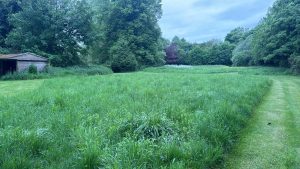
For example, a redevelopment site in an established urban area may have a different starting biodiversity value from a greenfield site on the edge of a settlement. Existing vegetation, hedgerows, grassland, trees and other habitats can all influence the biodiversity assessment and the options available for delivering improvements.
The surrounding landscape also matters. Proposals near the M42 corridor, around Blythe Valley Business Park or on the edges of settlements such as Hampton-in-Arden may need careful consideration of the relationship between the development site, its habitats and the wider landscape.
Solihull’s Local Plan Policy P10 addresses the conservation, enhancement and restoration of biodiversity. Understanding both the site’s ecological baseline and the planning context can help ensure that biodiversity is considered alongside the proposed development.
ProHort provides BNG support that considers the characteristics of your site, the proposed works and the evidence needed to inform planning decisions.
We cover all areas of Solihull, including the town centre, Shirley, Knowle, Dorridge, Olton, Balsall Common, and surrounding neighbourhoods.
A Biodiversity Net Gain Assessment establishes the biodiversity value of a development site and assesses how the proposed development could change that value.
Where statutory BNG applies, the assessment uses the applicable statutory biodiversity metric to calculate the site’s pre-development biodiversity value and compare it with the proposed post-development position. This helps identify the biodiversity gain required and the options available to achieve it.
For a Solihull development, the assessment can help establish how existing habitats should be considered as part of the site’s layout and what opportunities may be available for habitat retention, creation or enhancement.

Depending on the site and the information available, a BNG Assessment may include:
The precise scope will depend on the site, its habitats, the proposed development and the applicable requirements.
Considering biodiversity before a development layout is finalised can help identify opportunities to retain existing habitats and incorporate biodiversity improvements into the design.
This is particularly useful where a site includes established trees, hedgerows, areas of grassland or other habitats that may influence the available options for achieving biodiversity gain.
An early assessment can also help identify whether additional information is needed and whether the proposed approach may require on-site habitat improvements or an alternative route to meeting the applicable requirements.
A Biodiversity Gain Plan serves a different purpose from a BNG Assessment. It sets out how the required biodiversity gain will be delivered and secured for a development where the statutory BNG requirements apply.
While the assessment establishes the biodiversity baseline and calculates the relevant values, the Biodiversity Gain Plan brings together the agreed approach into a structured document for the relevant planning authority to consider.
For developments in Solihull, the plan should reflect the site’s assessment, the proposed development layout, the intended habitat improvements and any relevant off-site biodiversity provision.
Where the statutory biodiversity gain condition applies, the Biodiversity Gain Plan generally needs to be approved by the local planning authority before development can begin, subject to the applicable legal requirements.

The content will depend on the project and its biodiversity strategy, but may include:
The aim is to make the proposed biodiversity outcome clear, measurable and capable of being delivered in practice.
Although the two services are closely connected, they perform different roles in the planning process.
A BNG Assessment establishes the biodiversity position. It assesses existing habitats, calculates biodiversity values and helps identify how the required gain could be achieved.
A Biodiversity Gain Plan explains how the gain will be delivered. It brings together the relevant information, habitat proposals and delivery arrangements into the formal plan required where the statutory BNG condition applies.
For example, a proposed residential development near Knowle might first require an assessment of the existing habitats and the effect of the proposed layout. Once the biodiversity strategy has been developed, a Biodiversity Gain Plan can set out how the agreed habitat measures and any necessary off-site provision will be delivered and secured.
The plan does not replace the assessment. Both have separate purposes, and the requirements for your project should be confirmed before work progresses.
Development within established parts of Solihull, including Shirley and Olton, may involve previously developed land, existing gardens, mature vegetation or other habitats within the site boundary.
Assessing these features before the proposed layout is finalised can help establish the biodiversity baseline and identify opportunities for habitat retention or enhancement.
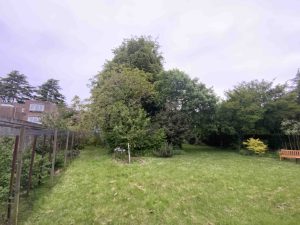
Sites around Knowle, Dorridge and Hampton-in-Arden may have different habitat characteristics from built-up locations. Depending on the site, existing grassland, hedgerows, trees and other habitat features may influence the biodiversity calculations and the options for delivering improvements.
A site-specific assessment is important because habitat value cannot be determined from the location alone.
Proposals around Blythe Valley Business Park and the wider M42 corridor may need to consider biodiversity alongside access, drainage, landscaping and the overall development layout.
Bringing biodiversity considerations into the design process early can help identify practical opportunities for habitat creation and enhancement without treating BNG as a separate last-minute requirement.
Biodiversity improvements can offer benefits beyond the individual development boundary when they are designed with the surrounding landscape in mind.
Where suitable opportunities exist, habitat retention, planting and enhancement proposals can consider connections between green spaces and existing habitat features. The appropriate approach will depend on the ecological characteristics of the site and the constraints of the proposed development.
ProHort provides support through the stages needed to understand your site’s biodiversity position and prepare the relevant documentation.
We review the information available about your site, proposed development and planning position. This helps establish the likely scope of work and identify any information that may be needed before the assessment can progress.
Where required, we assess the existing habitats and use the applicable statutory biodiversity metric to establish the relevant biodiversity values. We then consider the implications of the proposed development and identify potential routes to achieving the required biodiversity gain.
We consider how the biodiversity outcome could be achieved, taking account of the proposed layout, habitat opportunities and relevant site constraints. Where necessary, the strategy may involve on-site improvements, off-site biodiversity units or other options permitted by the applicable rules.
Where a Biodiversity Gain Plan is required, we use the relevant assessment information and agreed proposals to prepare the formal document. This includes setting out the proposed delivery arrangements and supporting information appropriate to the project.
We can help address queries relating to the documents we prepare and identify amendments that may be required as the project progresses. The final submission and approval requirements will depend on the relevant planning authority and the circumstances of the development.
Contact us, and we’ll confirm exactly what your Solihull site requires. We provide a planning-ready, proportionate route forward.
No. Statutory Biodiversity Net Gain applies to developments that fall within the relevant requirements, and some proposals are exempt. Since 6 August 2026, qualifying developments on sites of 0.2 hectares or less may be exempt, provided the applicable conditions are met. The site’s habitats, planning application date and other exemption criteria should also be considered before deciding whether statutory BNG applies.
The statutory framework is national, so the requirements do not automatically change simply because a site is in a particular part of Solihull. However, sites can have different existing habitats, development constraints and planning considerations. A site-specific assessment helps establish the biodiversity baseline and the appropriate approach for the proposed development.
The available options depend on the site’s circumstances and the applicable biodiversity gain rules. Where permitted, a strategy may combine on-site habitat improvements with off-site biodiversity units or other recognised provision. The biodiversity calculations and relevant trading rules help determine which options are appropriate for the project.
Yes. An assessment can be particularly useful during the early design stages because it helps identify existing habitats and understand how proposed changes could affect biodiversity value. The information can then inform the layout and the options for delivering biodiversity improvements. The assessment may need to be updated if the design or relevant site information changes.
Where the statutory biodiversity gain condition applies, the Biodiversity Gain Plan generally needs approval from the local planning authority before development begins. The appropriate timing and submission requirements depend on the planning permission, the applicable rules and any relevant conditions. It is sensible to establish the requirements early so the plan can be coordinated with the wider development programme.
No. A BNG Assessment establishes the relevant biodiversity baseline and calculations, while the Biodiversity Gain Plan explains how the required biodiversity gain will be delivered and secured. The two documents have different purposes, and the plan relies on relevant assessment information and the agreed biodiversity strategy.
Useful starting information includes the site address or postcode, a location plan showing the site boundary, proposed development plans and any existing ecological reports or habitat information. If you have already submitted a planning application or received correspondence about biodiversity requirements, this can also help establish the scope of work. The exact information needed will depend on the site and proposal.
Timescales depend on the complexity of the development, the availability of the completed assessment and supporting plans, and whether the biodiversity strategy has been agreed. A straightforward project with complete information may progress more quickly than a scheme requiring revised calculations, additional evidence or changes to the proposed habitat delivery arrangements. ProHort can discuss the likely timescale once the project requirements are understood.