Planning a development in Derbyshire? ProHort provides Biodiversity Net Gain (BNG) Assessments and Biodiversity Gain Plans to help developers, landowners, architects and planning professionals understand their biodiversity requirements and prepare the appropriate documentation for their projects.
From residential developments and commercial schemes to rural sites and the redevelopment of previously used land, understanding the existing biodiversity value of a site is an important step in planning a development.
Calls answered in 2 rings, emails replied to within the hour.
Clear guidance before you commit.
Working in partnership with clients to ensure planning approval first time
Industry Leading Standard
We stay with you from first call through to submission.
Derbyshire contains a wide variety of landscapes, from the upland surroundings of the Peak District to river valleys, established towns, agricultural land and former industrial sites. These differences can influence the habitats found on a development site and the options available for delivering biodiversity improvements.
A site near Matlock, for example, may include sloping grassland, woodland edges or habitats associated with a river valley. A development around Ilkeston or the Erewash Valley may involve previously developed land, existing vegetation or habitats that have established as industrial sites have changed over time.
Further south, agricultural land and established hedgerow networks can influence how development layouts interact with existing habitats. Meanwhile, proposals around Derby and Chesterfield may involve a different combination of urban green spaces, commercial land, residential development and transport infrastructure.
This variety means that a BNG strategy should be based on the actual conditions of the site rather than assumptions about the surrounding area.
The Derbyshire Local Nature Recovery Strategy, published in September 2025, identifies priorities and opportunities for nature recovery across Derbyshire and Derby. It provides relevant wider context when considering how habitat improvements may contribute to local nature recovery, although the appropriate approach for an individual development must still be determined through site-specific assessment and the applicable planning requirements.
ProHort helps clients understand their site’s biodiversity value and explore practical ways to incorporate biodiversity into development proposals.
We support projects across:
Derby, Chesterfield, Matlock, Buxton, Swadlincote, Ashbourne, Ripley, Ilkeston, Long Eaton, Belper, Glossop and all surrounding towns and villages.
A Biodiversity Net Gain Assessment establishes the biodiversity value of a site before development and assesses how the proposed works could affect that value.
Where statutory BNG applies, the assessment uses the applicable statutory biodiversity metric to calculate the relevant biodiversity units and compare the pre-development position with the proposed outcome.
The results help establish whether the development can achieve the required biodiversity gain and what measures may be needed to address any shortfall.
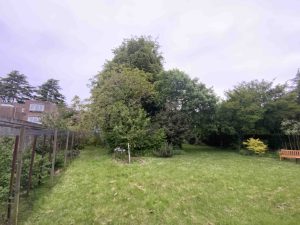
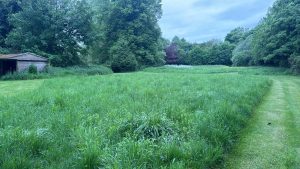
For a Derbyshire development, this can involve considering habitats such as grassland, woodland, hedgerows, scrub, watercourses and other features present within the site boundary. The habitats identified and their condition will influence the calculations and the options available for improvement.

The scope will depend on the development and the information available, but a BNG Assessment may include:
The assessment should reflect the characteristics of the site and the proposed development. Where existing ecological information is incomplete or the habitat classification requires further investigation, additional work may be necessary.
The earlier biodiversity is considered, the more opportunity there may be to incorporate suitable habitat measures into the development design.
This can be particularly valuable where a site contains established hedgerows, mature trees, species-rich grassland, wet areas or other habitats that could influence the biodiversity calculations.
An early assessment can also help identify potential constraints before the layout is finalised, giving the project team an opportunity to consider realistic habitat improvements and understand whether off-site provision may be required.
For larger or more complex schemes, reviewing the biodiversity position early can help integrate ecological considerations with landscaping, drainage, access and other design requirements.
A Biodiversity Gain Plan explains how the required biodiversity gain will be delivered and secured for a development where the statutory BNG requirements apply.
It has a different purpose from a BNG Assessment. The assessment establishes the existing biodiversity value and calculates the relevant changes, while the Biodiversity Gain Plan sets out the approach for achieving the required outcome.
For a development in Derbyshire, this means bringing together the relevant assessment information, proposed habitat improvements and delivery arrangements into a plan that the appropriate planning authority can consider.
Where the statutory biodiversity gain condition applies, the Biodiversity Gain Plan generally needs to be approved by the relevant local planning authority before development begins, subject to the applicable legislation and any relevant provisions.

The information required will depend on the project and its biodiversity strategy. A plan may include:
The objective is to set out a clear and deliverable approach to achieving the required biodiversity outcome.
A Biodiversity Gain Plan is not simply a repeat of the assessment. It uses the relevant findings to explain how the proposed development will meet the applicable biodiversity requirements.
Although the two services work together, they address different stages of the process.
A BNG Assessment establishes the biodiversity baseline and calculates the impact of the proposed development. It helps identify the biodiversity gain required and the options available to achieve it.
A Biodiversity Gain Plan explains how the required gain will be delivered and secured. It brings the relevant assessment information and habitat proposals together into the plan required where the statutory BNG condition applies.
For example, a development on the edge of Chesterfield may involve an assessment of existing grassland, boundary hedgerows and other habitats before the proposed layout is finalised. The assessment results can then inform the habitat improvements needed to achieve the required biodiversity outcome.
Once the approach has been established, the Biodiversity Gain Plan can document the relevant proposals and arrangements for delivery.
The plan does not replace the assessment. Both have distinct purposes, and the appropriate requirements should be confirmed for each development.
Derbyshire’s varied landscape means that the issues affecting one development site may be very different from those affecting another. Understanding the local setting can help inform the assessment, although habitat value must always be established through appropriate site-specific evidence.
Development around areas such as Matlock, Buxton and Glossop may involve sloping land, grassland, woodland edges or habitats associated with upland valleys.
Where these features are present, accurate habitat identification and condition assessment are important. The biodiversity value of a site cannot be determined simply from its location or appearance, and the assessment should reflect the habitats actually present.
Site topography can also influence the practical options for habitat creation and enhancement. Proposed improvements need to be suitable for the physical conditions of the site and capable of being delivered and maintained.
Derbyshire includes river systems such as the Derwent, Dove and Erewash, alongside smaller watercourses, ditches and other wetland features.
Where these habitats occur within or around a development site, the assessment may need to consider their condition, extent and relationship with the proposed works. Appropriate opportunities for habitat enhancement will depend on the site’s ecology, design constraints and relevant requirements.
Maintaining or improving suitable habitat connections can also be a consideration when developing a wider biodiversity strategy.
Parts of Derbyshire have a history of mining, quarrying and industrial activity. Redevelopment proposals may therefore involve previously used land with a range of existing habitat conditions.
Brownfield sites should not automatically be assumed to have low biodiversity value. Depending on how a site has developed over time, it may contain grassland, scrub, bare ground or habitat mosaics that require careful assessment.
Establishing the actual baseline is important before modelling the impact of redevelopment. The resulting biodiversity strategy should reflect the habitats present and the options that are genuinely feasible for the proposed site.
Development on the edges of settlements and within agricultural landscapes may involve existing field boundaries, hedgerows, trees and grassland.
These features can influence biodiversity calculations and the layout options available for a scheme. Where suitable, retaining existing habitat features and incorporating appropriate enhancements into the design may help support the overall biodiversity strategy.
The potential value of individual features should be assessed rather than assumed, and proposed measures need to be realistic within the development’s constraints.
Urban and commercial proposals may involve a mixture of previously developed land, landscaped areas, trees, hedgerows and other habitats.
Considering biodiversity at the design stage can help identify opportunities for habitat retention and suitable improvements within the proposed layout. Where the site has limited capacity to deliver the required gain, other permitted options may need to be considered.
The appropriate approach will depend on the site’s existing biodiversity value, the scale and nature of the development, and the applicable statutory requirements.
ProHort helps clients understand their site’s biodiversity position and prepare the appropriate documentation for their development.
We review the available site information, proposed development plans and planning position to establish the likely scope of work.
Existing ecological reports, site boundary plans and proposed layouts can help identify the information available and whether further assessment may be needed.
Where required, we assess the habitats present and establish the relevant baseline biodiversity value. The assessment considers the characteristics and condition of the habitats and the information needed to complete the applicable biodiversity calculations.
We use the applicable statutory biodiversity metric to assess the proposed changes to biodiversity value and identify the gain required where statutory BNG applies.
The results help inform the options available for achieving the required outcome.
We consider suitable ways to deliver biodiversity improvements in light of the assessment results, proposed layout and site constraints.
Depending on the circumstances, the approach may involve habitat retention, on-site creation or enhancement, registered off-site biodiversity units or a combination of permitted options.
Where required, we use the relevant assessment information and agreed proposals to prepare the Biodiversity Gain Plan.
The document sets out the proposed approach to delivering and securing biodiversity gain, with supporting information appropriate to the development.
We can help you understand the documentation prepared for your project and respond to queries relating to our work as the process progresses.
The final submission and approval requirements will depend on the applicable legislation, the planning authority and the circumstances of the development.
Contact us and we’ll confirm exactly what your site requires and support a planning-ready, proportionate route forward.
No. Previously used land is not automatically exempt from statutory Biodiversity Net Gain. The applicable requirements depend on the development, the site’s characteristics and whether a specific exemption applies. A habitat assessment can establish the biodiversity value of the land, including any grassland, scrub or other habitats that have developed since previous use.
The surrounding landscape does not determine a site’s biodiversity value by itself. However, where a development site contains upland grassland, woodland edges, slopes or other habitats associated with the Peak District fringe, these features may influence the assessment and the options for delivering habitat improvements. Accurate habitat classification and an understanding of the site’s physical constraints are important when developing a suitable strategy.
The same statutory framework applies where BNG requirements are relevant, but a site containing a river, stream, wetland or drainage feature may require consideration of those habitats within the assessment. The scope of the work will depend on the habitats present, the proposed development and any relevant ecological constraints. Site-specific evidence is needed to establish the appropriate approach.
Potentially, yes. Existing hedgerows can form part of the biodiversity baseline, and suitable hedgerow retention, creation or enhancement may contribute to a biodiversity strategy. Their contribution depends on the applicable metric, the characteristics and condition of the hedgerows, and how the proposed development affects them. Their value should be assessed rather than assumed.
The appropriate authority depends on the location and type of development. Derby City Council is separate from Derbyshire County Council, while district and borough councils have planning responsibilities across much of the county. The relevant planning authority should be confirmed for your specific site, as submission requirements and local validation guidance may differ.
Where the statutory BNG requirements apply, off-site biodiversity units may be an option if the development cannot achieve the required gain entirely on site. Their use is subject to the applicable biodiversity gain hierarchy, metric trading rules and registration requirements. The assessment can help identify whether a shortfall exists and inform the options available for addressing it.
A change to the proposed layout may affect the habitats retained, lost, created or enhanced and could therefore alter the biodiversity calculations. Whether the assessment needs updating will depend on the nature and extent of the changes. The assessment should reflect the relevant development proposal and supporting information used for the planning process.
Start with the site address or postcode, a plan showing the site boundary, the proposed development layout and any existing ecological reports. Planning application details or correspondence from the relevant planning authority may also be helpful. This information allows the team to understand the project and identify the likely scope of assessment or Biodiversity Gain Plan support needed.