Planning a development in Staffordshire and need support with Biodiversity Net Gain (BNG)? ProHort provides planning-ready BNG Assessments and Biodiversity Gain Plans for development projects across the county, helping applicants understand their biodiversity requirements and establish a clear route through the planning process.
Our ecologists can support projects from the initial assessment and habitat baseline through to the preparation of a Biodiversity Gain Plan, ensuring that biodiversity requirements are considered alongside the wider development and planning strategy.
Calls answered in 2 rings, emails replied to within the hour.
Clear guidance before you commit.
Working in partnership with clients to ensure planning approval first time
Industry Leading Standard
We stay with you from first call through to submission.
Biodiversity Net Gain is an important consideration for development proposals across Staffordshire where the statutory BNG requirements apply. The process requires biodiversity value to be established before development and a clear, measurable approach to achieving the required gain to be demonstrated.
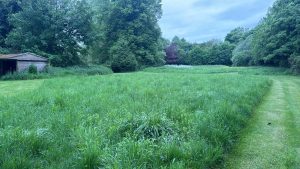
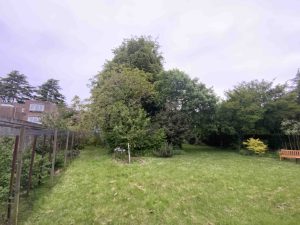
Staffordshire contains a varied mix of habitats and landscapes, from agricultural land, hedgerows and grassland to woodland, watercourses, brownfield sites and urban green infrastructure. These characteristics can influence the biodiversity baseline and the opportunities available for habitat creation or enhancement.
The relevant Local Planning Authority will consider the BNG information submitted with a development, so it is important that the ecological baseline, biodiversity metric calculations and proposed delivery strategy are accurate, consistent and supported by appropriate evidence.
Early BNG advice can also help identify potential constraints before a layout becomes fixed, giving the design team greater opportunity to incorporate practical biodiversity measures into the development.
We support projects across Stafford, Stoke-on-Trent, Lichfield, Tamworth, Cannock, Rugeley, Burton-upon-Trent, Newcastle-under-Lyme and all surrounding villages.
A BNG Assessment establishes the biodiversity value of a development site and considers how the proposed development will affect that value.
The assessment uses habitat information collected from the site alongside the statutory biodiversity metric to calculate the site’s biodiversity units before and after development. This allows the proposed changes to be assessed and helps establish how the required biodiversity gain can be achieved.
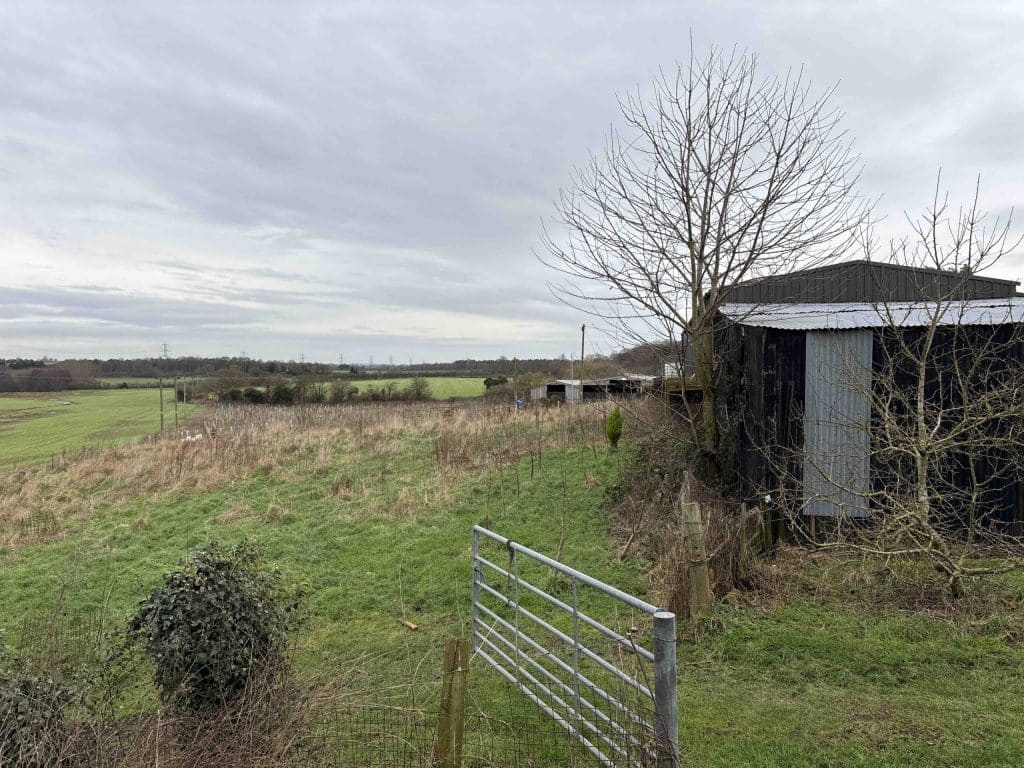
A Staffordshire BNG Assessment may include:
The assessment is most valuable when undertaken early enough to influence the design. Identifying the baseline and potential BNG requirements at an early stage can reduce the risk of discovering biodiversity constraints after the layout has already been established.
A BNG Assessment helps establish:
This provides the evidence needed to develop a proportionate BNG strategy for the project.
A Biodiversity Gain Plan has a different role from the BNG Assessment.
Where statutory BNG applies, the Biodiversity Gain Plan sets out how the required biodiversity gain will be delivered in practice. It takes the agreed biodiversity baseline, metric results and proposed delivery strategy and brings this information together into a formal planning document.
The BNG Assessment provides the evidence and calculations that underpin the Biodiversity Gain Plan. The assessment establishes the site’s pre-development biodiversity value and calculates the change resulting from the proposed development. This information helps determine the measures and delivery approach needed to achieve the required biodiversity gain.

The Biodiversity Gain Plan can set out matters such as:
The plan must provide the Local Planning Authority with the information it needs to determine whether the biodiversity gain requirements have been met.
For phased developments, the BNG process can involve an overall Biodiversity Gain Plan alongside plans for individual phases, so the approach needs to reflect the structure of the permission.
Although the two services are closely connected, they are not the same document.
Purpose: Establish the biodiversity baseline and calculate the change in biodiversity value resulting from the proposed development.
Typically undertaken: During the design and planning process.
Focus: Habitat survey, baseline data, biodiversity units and the route towards achieving BNG.
Purpose: Set out how the required biodiversity gain will be delivered and provide the information required for the statutory planning process.
Typically prepared: Following planning permission and before the relevant BNG condition is discharged.
Focus: Formal delivery of the approved BNG strategy, including on-site and relevant off-site measures.
The two stages should therefore work together, with the BNG Assessment providing the baseline and calculations that inform the Biodiversity Gain Plan.
ProHort supports a wide range of development projects across Staffordshire, including residential, commercial, mixed-use and other schemes where BNG requirements apply.
Local circumstances can make a difference to the ecological assessment. For example, sites containing established hedgerows, watercourses, woodland edges, grassland, mature trees or previously developed land may contain biodiversity value that needs to be properly identified before the development is assessed.
Staffordshire also contains a network of important ecological corridors and areas identified for nature recovery. The Stafford and Stoke-on-Trent Local Nature Recovery Strategy, for example, is intended to identify opportunities for nature recovery and help guide biodiversity investment.
Our approach is therefore based on the individual site rather than assuming that every development will follow the same BNG route.
Our in-house ecologists have experience supporting planning projects and assessing habitats across a range of development contexts.
We provide clear, structured information designed to be useful to applicants, designers, planners and Local Planning Authorities.
We look beyond the metric calculation to consider how biodiversity measures can realistically work alongside the proposed development.
Engaging an ecologist early can help identify biodiversity considerations before they become costly design or planning issues.
From BNG Assessment to Biodiversity Gain Plan, our ecology team can coordinate related requirements such as PEAs and protected species surveys.
We review the proposed development, available plans and existing ecological information to establish the likely BNG requirements.
Our ecologists assess and map the habitats within the relevant site boundary, recording the information required for the biodiversity metric.
The collected habitat information is used to establish the site’s biodiversity value and assess the change resulting from the proposed development.
We identify practical opportunities to retain, enhance or create habitats and consider the most appropriate route for achieving the required biodiversity gain.
The assessment and supporting information can be used to inform the planning process and wider design decisions.
Where required, we can prepare the Biodiversity Gain Plan using the agreed BNG position and proposed delivery strategy.
Contact us and we’ll confirm exactly what your site requires and support a planning-ready, proportionate route forward.
Whether statutory BNG applies depends on the type and scale of the development and any applicable exemptions or thresholds. ProHort can review your Staffordshire project and advise on the ecological information required.
A BNG Assessment establishes the site’s existing biodiversity value, assesses the habitats present and uses the statutory biodiversity metric to calculate the change in biodiversity value resulting from the proposed development.
It is best to consider BNG early in the planning and design process. Early assessment can identify biodiversity constraints and opportunities before the development layout is finalised.
A Biodiversity Gain Plan sets out how the required biodiversity gain will be achieved, including the proposed habitat retention, enhancement and creation measures and any relevant off-site biodiversity provision.
Yes. ProHort can support Staffordshire developments from the initial BNG Assessment through to the preparation of a Biodiversity Gain Plan where required.
This depends on the site’s existing habitats, proposed layout and opportunities for habitat creation or enhancement. Where the required gain cannot be achieved on site, other permitted routes may need to be considered.
Yes. The site’s biodiversity baseline and BNG requirements can influence habitat retention, landscaping and opportunities for habitat creation. Assessing BNG early can help integrate these considerations into the development design.
Timescales vary depending on the site’s size, habitats and project requirements. ProHort can review the development and provide an appropriate programme before work begins.