
Planning a development in Warwickshire? Understanding the biodiversity value of your site can help you make informed decisions and address Biodiversity Net Gain (BNG) requirements as part of the planning process.
ProHort provides Biodiversity Net Gain Assessments in Warwickshire for developers, architects and planning consultants. Our ecologists can assess the habitats present, establish the site’s biodiversity baseline and help you understand how your development may affect biodiversity.
We can also support the preparation of a Biodiversity Gain Plan in Warwickshire, helping you progress from an initial assessment towards the information required for planning.
Calls answered in 2 rings, emails replied to within the hour.
Clear guidance before you commit.
Working in partnership with clients to ensure planning approval first time
Industry Leading Standard
We stay with you from first call through to submission.
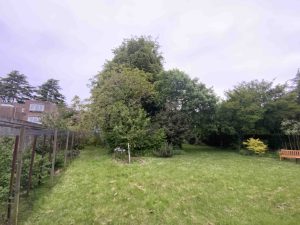
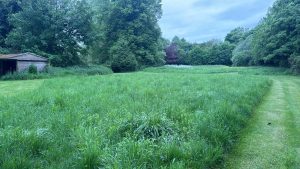
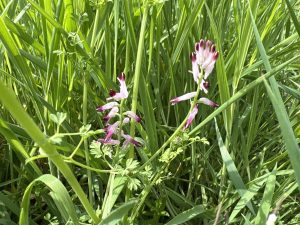
Warwickshire includes a varied mix of landscapes, from the wooded character of the Arden area to agricultural land, hedgerows, river corridors and established green spaces. These features can contribute to the biodiversity value of a development site and may influence the approach taken to BNG.
The county also has a history of biodiversity offsetting initiatives. Today, development projects must be considered in line with the applicable national BNG framework and relevant local planning guidance.
A site-specific assessment helps establish which habitats are present, their condition and how the proposed development could affect them. This provides a foundation for considering habitat retention, enhancement and any further measures that may be required.
ProHort can help you understand these considerations and how they relate to your project.
We support projects across:
Warwick, Leamington Spa, Rugby, Nuneaton, Bedworth, Kenilworth, Stratford-upon-Avon, Atherstone, Coleshill and surrounding areas.
A Biodiversity Net Gain Assessment evaluates the biodiversity value of a site before development and considers the potential effects of the proposed works.
The assessment uses the applicable statutory biodiversity metric to calculate the biodiversity value of habitats and help determine how the development may achieve the relevant BNG outcome.
A Warwickshire BNG survey may consider habitats such as:
Hedgerows and field boundaries
Grassland and agricultural habitats
Woodland and scrub
Rivers, streams and other water-related habitats
Ponds and other habitat features
The habitats present will depend on the individual site. Our ecologists assess the site’s characteristics to establish an appropriate biodiversity baseline.

A BNG Assessment can help you:
Understand the existing biodiversity value of your site
Identify habitats that may be affected by development
Explore opportunities to retain or enhance habitats
Consider whether offsite biodiversity units may be needed
Inform the preparation of a Biodiversity Gain Plan
Provide information to support the planning process
The findings can contribute to a Biodiversity Net Gain report for Warwickshire, helping project teams understand the ecological baseline and the next steps to consider.
A Biodiversity Gain Plan explains how a development proposes to meet the applicable BNG requirements. It sets out the biodiversity baseline, the approach to delivering biodiversity gain and the information needed for the relevant planning authority to consider the plan.
ProHort can support the preparation of a Biodiversity Gain Plan in Warwickshire, using the findings of the BNG Assessment to help inform the proposed approach.

Depending on the development and site, this may include:
The biodiversity value of the site before development
The proposed approach to habitat retention, enhancement or creation
The expected biodiversity value following development
Whether offsite biodiversity units may be required
Supporting information relevant to the plan
The appropriate approach will depend on the site’s ecological characteristics, the development proposals and the applicable BNG requirements.
Our team can help you understand what information may be needed for your Biodiversity Gain Plan for planning in Warwickshire.
BNG can influence decisions throughout the development process. Considering biodiversity early can help project teams identify potential constraints and opportunities before proposals are finalised.
ProHort works with developers, architects and planning consultants to provide ecological assessment and BNG planning support. We can help you understand the biodiversity value of your site and how it may affect your planning strategy.
Our support can include:
Biodiversity Net Gain Assessments
Biodiversity Gain Plan preparation
Advice on habitat retention and enhancement opportunities
Consideration of offsite biodiversity units where appropriate
Ecological information to support planning requirements
Warwickshire’s varied landscape means that the approach to BNG should be based on the individual site rather than a standard solution. Our team can help you understand the relevant considerations and progress your project with informed ecological support.
ProHort provides ecological assessment and biodiversity planning support to help development projects understand and address their biodiversity requirements.
We recognise that BNG needs to be considered alongside wider project and planning decisions. Our team can help you establish the site’s biodiversity baseline, identify potential opportunities and understand the information needed for the next stage.
Working with ProHort can help you:
Understand the biodiversity value of your site
Identify potential ecological considerations early
Explore suitable habitat enhancement opportunities
Understand how your BNG Assessment informs your Biodiversity Gain Plan
Access ecological support tailored to your development
Whether you are planning a residential, commercial or other development in Warwickshire, our team can help you understand the next steps.
Our team can support you through the key stages of the Biodiversity Net Gain process.
We establish the site’s baseline biodiversity value.
We consider how the proposed development may affect existing habitats.
We explore habitat enhancement options and whether offsite units may be needed.
We explore habitat enhancement options and whether offsite units may be needed.
We help prepare the Biodiversity Gain Plan and relevant supporting information.
We provide guidance to help you progress with the applicable planning requirements.
Contact us and we’ll confirm exactly what your site requires and support a planning-ready, proportionate route forward.
A BNG survey assesses the habitats present on a site and helps establish their biodiversity value. The findings can inform the applicable statutory biodiversity metric, identify habitats that may be affected by development and help determine the next steps for BNG.
Not every development is subject to the same BNG requirements. Whether the statutory requirement applies depends on factors such as the type of development and any relevant exemptions or transitional provisions. The requirements should be checked for the specific project.
Warwickshire was involved in an earlier biodiversity-offsetting pilot, but current development projects must be considered under the applicable BNG framework and relevant planning guidance. The previous pilot does not replace the requirements that apply to a development today.
A BNG Assessment establishes the biodiversity value of a site and considers how the proposed development may affect its habitats. A Biodiversity Gain Plan sets out how the development proposes to meet the applicable BNG requirements, using the assessment findings and other relevant information.
Where appropriate and permitted under the applicable requirements, offsite biodiversity units may contribute to the proposed BNG outcome. The biodiversity gain hierarchy should be considered, and the suitability of offsite provision depends on the development and its circumstances.
It is beneficial to consider BNG early in the planning process. An assessment can help establish the site’s biodiversity baseline and identify potential constraints or enhancement opportunities before development proposals are finalised.