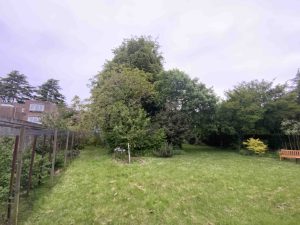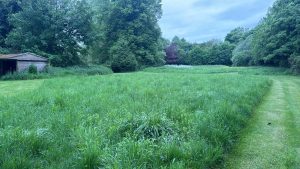

ProHort provides Biodiversity Net Gain (BNG) Assessments and Biodiversity Gain Plans for development projects across Sussex. We support developers, architects, planning consultants and landowners in understanding the biodiversity implications of their proposals, assessing existing habitats and planning how the required biodiversity gains can be achieved.
Biodiversity Net Gain aims to ensure that qualifying developments leave biodiversity in a measurably better state than before development. Under the statutory framework, the general requirement is at least 10% biodiversity gain for developments in scope, subject to the applicable legislation, exemptions and transitional provisions.
To establish how this requirement will be met, the site’s existing habitats must be assessed and their biodiversity value calculated using the applicable statutory biodiversity metric. The anticipated effects of development can then be considered, alongside opportunities to retain, enhance or create habitats and other appropriate ways to deliver biodiversity gain.
Sussex includes several planning authority areas, so the policies and guidance relevant to a development will depend on its location. East Sussex, West Sussex, Brighton & Hove and the South Downs National Park Authority each have planning responsibilities within their respective areas.
Local ecological priorities can also inform development proposals. The published Local Nature Recovery Strategies for West Sussex and for East Sussex and Brighton & Hove identify priorities and opportunities for nature recovery. These can provide useful context for habitat creation and restoration, alongside the statutory BNG assessment.
Understanding the statutory requirements and local planning context early can help project teams identify constraints, consider habitat opportunities and make informed design decisions.
Our services cover locations across Sussex, supporting schemes in Crawley, Horsham, Lewes, Worthing and surrounding communities.
A Biodiversity Net Gain Assessment establishes the biodiversity value of a site’s habitats and assesses how a proposed development could change that value.
Using the applicable statutory biodiversity metric, the assessment considers the pre-development habitat baseline and the anticipated biodiversity outcomes following development. It helps establish the biodiversity units associated with existing habitats and evaluate the implications of habitat loss, retention, enhancement and creation.
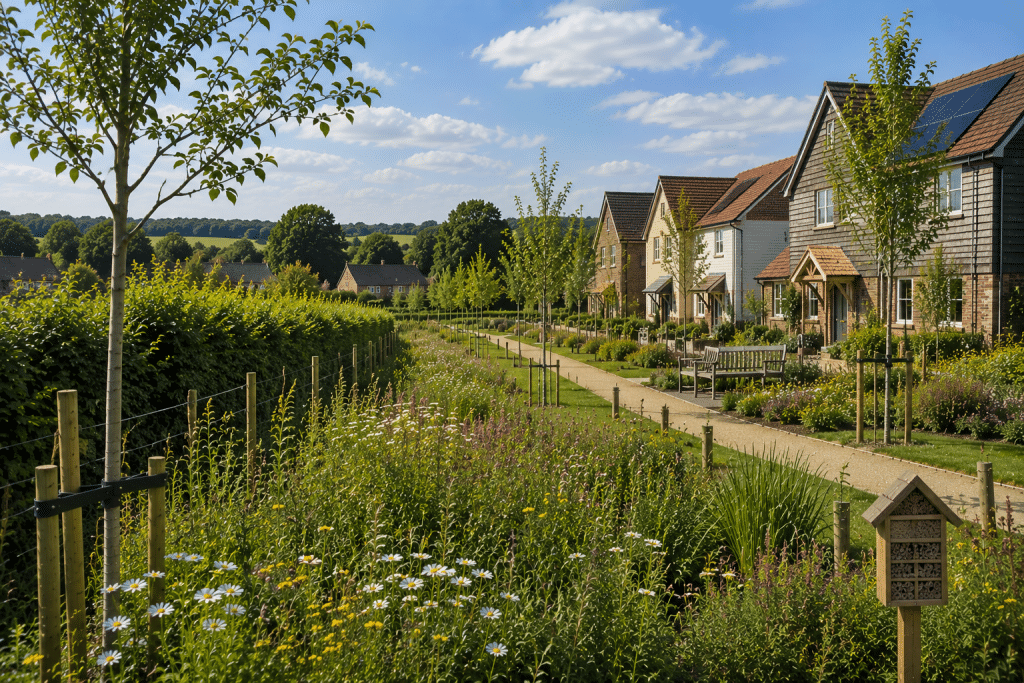
For development projects across Sussex, a BNG Assessment can help to:
The scope of an assessment will depend on the site, its habitats and the proposed development. Work may include:
The assessment provides a structured understanding of a site’s biodiversity value, helping the project team consider the ecological implications of the proposed layout.
Where statutory BNG applies, a Biodiversity Gain Plan explains how a development will achieve the required biodiversity gain. It is submitted following planning permission and must be approved by the relevant planning authority before development commences.
The plan brings together the relevant biodiversity information, metric calculations and delivery arrangements to demonstrate how the required outcome will be achieved.
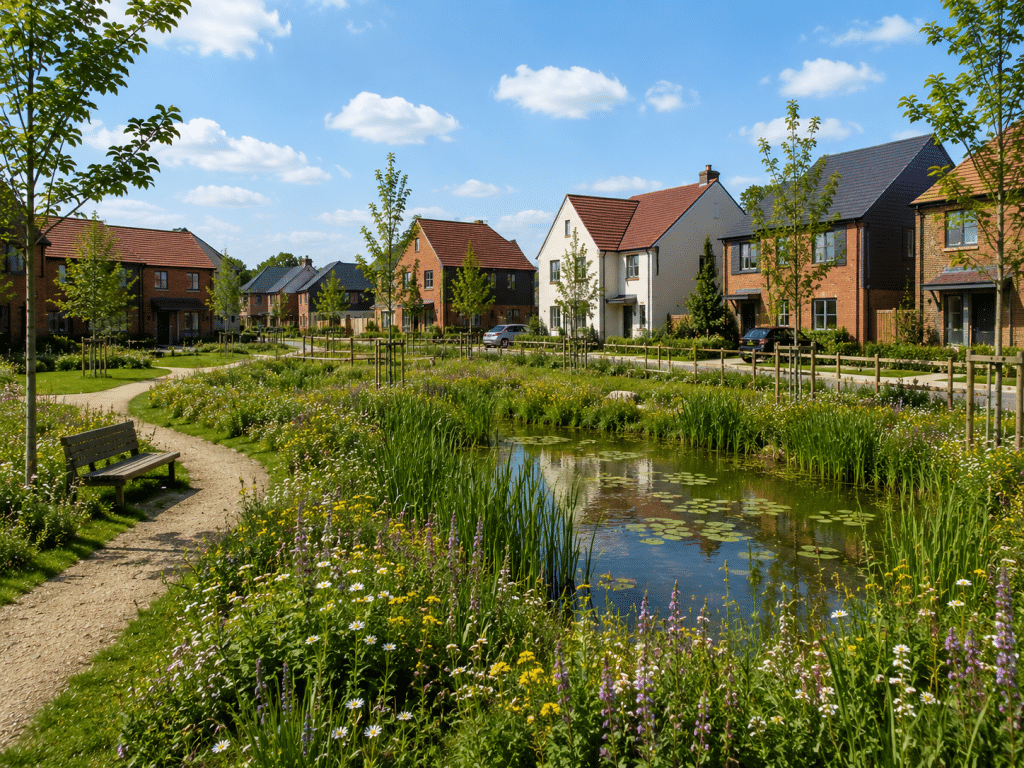
Depending on the development, a Biodiversity Gain Plan may include:
The appropriate approach will depend on the site’s ecological characteristics, the development proposals and the chosen biodiversity delivery strategy.
A Biodiversity Gain Plan therefore needs to reflect the actual development and the measures proposed to deliver the required gain. It is not a substitute for the underlying habitat assessment and biodiversity calculations.
A BNG Assessment and Biodiversity Gain Plan serve different purposes, but the assessment provides important information for preparing the plan.
The assessment establishes the biodiversity baseline and calculates the anticipated changes resulting from development. The Gain Plan then sets out how the required biodiversity gain will be delivered, where the statutory requirements apply.
The process generally involves these stages:
Considering both services during the earlier stages of a project can help the development team identify potential ecological constraints and consider suitable habitat measures before the design is finalised.
Sussex contains a varied range of landscapes, from the chalk grassland and woodland of the South Downs to the wooded Weald, river valleys, farmland, wetlands and coastal habitats. The biodiversity value of individual sites can vary considerably, making site-specific habitat assessment important.
The South Downs and surrounding landscapes contain habitats that may be sensitive to changes in land use, while rivers, hedgerows and other connected habitats can contribute to ecological connectivity. The characteristics and condition of habitats on an individual development site must be assessed rather than assumed from its wider location.
The Local Nature Recovery Strategies for West Sussex and East Sussex and Brighton & Hove provide a regional framework for identifying priorities for nature recovery. Their priorities and habitat mapping can help inform opportunities to create, improve and connect habitats where relevant to a development.
These strategies complement rather than replace the statutory biodiversity metric. A BNG Assessment also does not automatically cover protected species surveys, designated-site assessments or other ecological investigations that may be needed for a particular proposal.
Considering the existing habitats, the local nature recovery context and the development design together helps the project team build a more complete understanding of the site’s ecological requirements.
Both services contribute to the BNG process, but they are not interchangeable. The assessment provides the baseline and calculations, while the Gain Plan explains how the required gain will be delivered.
Understanding existing habitats and their relevance to proposed development.
Assessing habitat value using the applicable statutory biodiversity metric.
Identifying potential options for habitat retention, enhancement and creation.
Helping the project team understand how biodiversity considerations relate to the proposed layout.
Using assessment findings to inform the biodiversity delivery strategy and Biodiversity Gain Plan where required.
We discuss your development proposals, site location and planning stage to understand the ecological support you may need.
Where required, the site’s habitats are assessed to establish the information needed to understand its existing biodiversity value.
The applicable statutory biodiversity metric is used to calculate the relevant biodiversity units and assess the anticipated changes resulting from the proposals.
We consider suitable opportunities for habitat retention, enhancement and creation, taking account of the site’s characteristics and the development design.
The BNG information can be incorporated into the wider development and landscape proposals, helping the project team understand the biodiversity implications of design changes.
Where required, the agreed biodiversity position, metric information and delivery strategy can be used to prepare the Biodiversity Gain Plan following planning permission.
Contact us and we’ll confirm exactly what your site requires and support a planning-ready, proportionate route forward.
The statutory BNG framework applies nationally to qualifying developments in England, subject to the relevant rules and exemptions. However, local planning policies and guidance can differ between East Sussex, West Sussex, Brighton & Hove and the South Downs National Park Authority. The relevant authority should be identified for each development.
Sussex has two published Local Nature Recovery Strategies: one for West Sussex and one for East Sussex and Brighton & Hove. They identify local priorities and opportunities for nature recovery. Where relevant, their priorities and habitat mapping can help inform habitat creation and restoration proposals alongside the statutory biodiversity metric.
Potentially. The site’s location, habitats, proposed impacts and any relevant designations or planning policies should be checked. A BNG Assessment calculates habitat biodiversity value, but other ecological surveys or assessments may also be needed depending on the development and the constraints identified.
The habitats present on the site must be identified and assessed using the applicable statutory biodiversity metric. For coastal sites, the assessment should reflect the actual habitat types, their condition and the proposed impacts. Other coastal or designated-site considerations may also need to be assessed separately where relevant.
Potentially. Existing habitats may be retained, enhanced or affected by development, and their contribution depends on their type, condition, location and the applicable metric rules. Their value should be assessed as part of the site baseline before suitable biodiversity measures are considered.
Not necessarily. A BNG Assessment focuses on habitat biodiversity value and the calculations needed to assess biodiversity change. Separate protected species surveys or other ecological assessments may be required depending on the habitats present, the species potentially affected and the development proposals.
Where the statutory BNG condition applies, the required Biodiversity Gain Plan is still needed. The assessment provides the relevant baseline and biodiversity calculations, while the plan sets out how the required gain will be delivered. The plan must be approved by the relevant planning authority before development commences.
It is generally beneficial to consider BNG while the development layout is still being developed. Early assessment can help identify habitat constraints, inform design decisions and allow more time to consider suitable biodiversity measures. The appropriate timing will depend on the site, project programme and planning requirements.