
Planning a development in Rochdale? ProHort provides BNG assessments, biodiversity surveys and Biodiversity Gain Plan support for developers, architects and planning consultants. From establishing a habitat baseline to completing a BNG metric calculation and preparing a BNG report, we help you understand your site’s biodiversity value and plan the next steps towards achieving the required biodiversity uplift.
Whether your site is near Rochdale Canal, within an urban redevelopment area or close to the borough’s upland habitats, our approach is tailored to your project’s ecological characteristics and planning requirements.
Calls answered in 2 rings, emails replied to within the hour.
Clear guidance before you commit.
Working in partnership with clients to ensure planning approval first time
Industry Leading Standard
We stay with you from first call through to submission.
A BNG Assessment establishes the biodiversity value of a site before development and calculates how that value may change as a result of the proposals. The assessment uses habitat information and the applicable statutory biodiversity metric to help determine whether the required biodiversity uplift can be achieved.
In Rochdale, this can be particularly relevant where a site forms part of a wider network of habitats rather than functioning as an isolated parcel of land. The borough includes waterways, upland habitats, woodland and grassland, as well as previously developed land where vegetation may have established over time.
Our BNG consultant in Rochdale can help you understand the information needed for your project, identify potential habitat constraints and assess the implications for the development layout. Establishing the baseline early can help inform design decisions before they become more difficult or costly to change.
The ecological context of a development can vary considerably across the borough. Depending on the site’s location and characteristics, relevant considerations may include:
The precise scope will be confirmed against your project requirements. Existing ecological reports, site plans and proposed layouts can help establish what information is available and whether further assessment is needed.
We support projects across the Rochdale borough, working in areas such as Rochdale town centre, Middleton, Heywood, Littleborough, Milnrow, Wardle and the wider neighbourhoods within the Rochdale local authority boundary.
The scope of a BNG assessment depends on the site, the proposed works and the information already available.
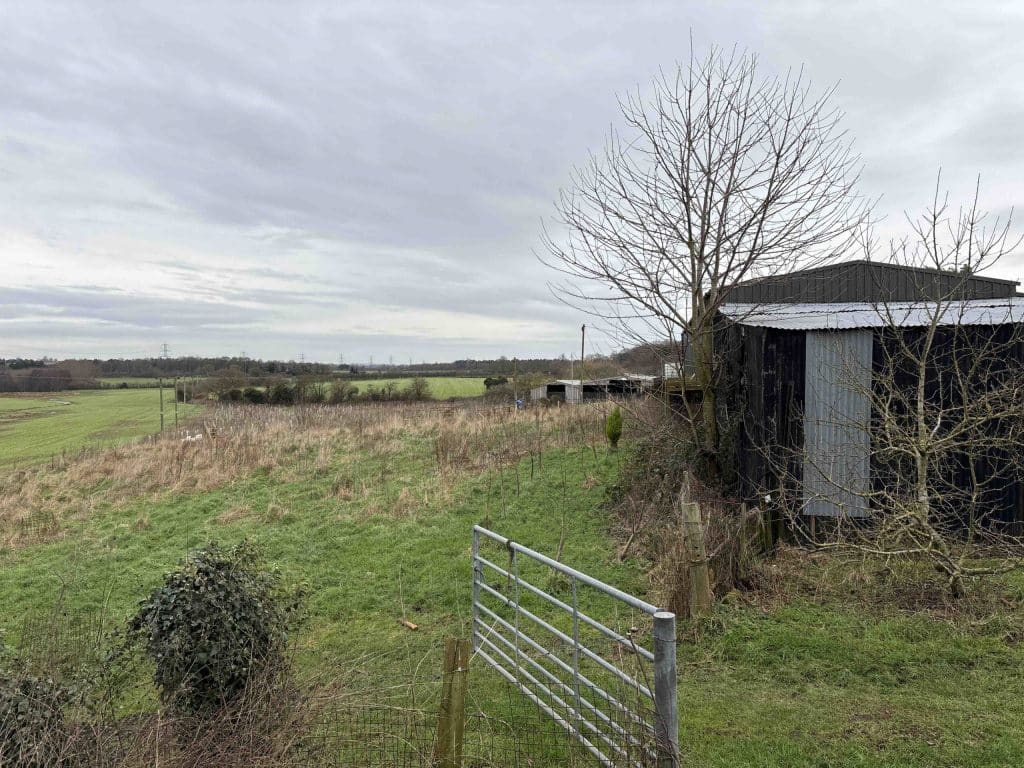
Our work can include:
Habitat baseline assessment: identifying and mapping relevant habitats and assessing their condition using the applicable methodology.
BNG report Rochdale: documenting the assessment, supporting calculations and relevant findings in a clear format for the project team and planning process.
Next-step recommendations: explaining whether further ecological information, design changes, on-site habitat creation or other biodiversity delivery options may need consideration.
The precise scope will be confirmed against your project requirements. Existing ecological reports, site plans and proposed layouts can help establish what information is available and whether further assessment is needed.
We review the site location, development proposals and any available plans, planning correspondence or previous ecological reports. This helps us identify the information required to progress the assessment.
Where needed, a biodiversity survey in Rochdale establishes the habitats present and gathers the information required for the assessment. Survey scope and timing depend on the site’s characteristics, the habitats involved and the questions that need to be answered.
Once the relevant habitat information has been established, we use the applicable statutory biodiversity metric to calculate baseline and post-development biodiversity units. The results help identify the scale of any remaining biodiversity shortfall and inform the proposed approach to biodiversity uplift.
We prepare the relevant assessment information and explain the findings for your project. Where the proposals require additional habitat creation, enhancement or other biodiversity delivery measures, these can be considered alongside the development layout and wider planning requirements.
A BNG Assessment and a Biodiversity Gain Plan serve different purposes. The assessment establishes the habitat baseline and calculates the anticipated change in biodiversity value. A Biodiversity Gain Plan explains how the development will meet the applicable statutory biodiversity gain requirements and deliver the proposed gains.
Where the statutory biodiversity gain condition applies, the Biodiversity Gain Plan must be approved by the relevant planning authority before development begins. It should be consistent with the assessment, the metric results and the proposed habitat delivery arrangements.
Our Biodiversity Gain Plan consultant support in Rochdale can help bring the relevant information together, including the proposed habitat measures, metric results and arrangements for delivering and maintaining the gains.

Depending on the project, the plan may cover:
The development’s approach to meeting the applicable biodiversity gain objective.
The completed biodiversity metric and relevant supporting information.
On-site habitat retention, enhancement and creation proposals.
Any proposed off-site biodiversity gains and the information required to support them.
Relevant habitat management, monitoring and long-term maintenance arrangements.
Supporting plans and information needed for the planning authority’s consideration.
The final content depends on the project’s circumstances and the applicable requirements. A Biodiversity Gain Plan is not simply a repeat of the BNG report: it sets out how the proposed biodiversity gains will be delivered and secured.
Retaining and improving habitats within a development can help support biodiversity uplift while maintaining valuable ecological features. Where practicable, habitat opportunities should be considered early enough to influence the layout and landscape design.
However, not every development can achieve all its required biodiversity gains within the site boundary. Where a shortfall remains, eligible off-site BNG units in Rochdale or elsewhere in a suitable location may be considered, subject to the applicable rules and biodiversity gain hierarchy. Statutory biodiversity credits are a separate mechanism with specific requirements and should not be treated as the automatic alternative to on-site or off-site delivery.
The Greater Manchester Local Nature Recovery Strategy can also provide useful context when considering habitat restoration and connectivity opportunities. Its priorities are relevant to nature recovery planning, but they do not automatically determine the outcome of an individual BNG assessment or guarantee that a particular off-site unit is suitable.
The appropriate approach will depend on the metric results, the proposed development, the availability and eligibility of off-site biodiversity units, and the relevant planning requirements.
If you are planning development in Rochdale, contact ProHort to discuss your site and the support you need. We can review the available information, help establish the appropriate assessment scope and explain the next steps towards addressing your Biodiversity Net Gain requirements.
You can share your site plans, proposed layout, red-line boundary plan and any previous ecological reports to help us understand your project.
Rochdale’s upland fringe includes habitats such as heathland, blanket bog, grassland and woodland. Where these habitats occur on or near a proposed development site, their presence and condition may influence the habitat baseline, the metric calculation and the options available for biodiversity uplift. The assessment must be based on the habitats actually present and any relevant site-specific constraints.
Not automatically. Proximity to Rochdale Canal does not, by itself, determine whether a particular survey is required. The decision depends on the development location, the habitats present, the potential effects of the proposals and any relevant ecological or planning considerations. An initial review can help establish whether a habitat survey or additional ecological work is appropriate.
Yes. Previously developed land can support grassland, scrub, trees and other habitats, depending on its history, management and the time vegetation has had to establish. A habitat baseline in Rochdale should be based on a site-specific assessment rather than assuming that industrial use means the land has low biodiversity value.
The information needed depends on the site and development proposals. It commonly includes site and boundary plans, habitat mapping, habitat condition information and the proposed layout and landscaping details. Existing ecological reports may help, but their age, coverage and suitability should be checked before they are used to support a current metric calculation.
Potentially. Where a biodiversity shortfall remains, eligible registered off-site biodiversity gains may contribute towards the development’s requirements, subject to the biodiversity gain hierarchy and the applicable statutory rules. The suitability, availability and registration status of the proposed units must be confirmed for the specific project; they should not be assumed to be available simply because they are within Greater Manchester.
No. Requirements depend on the development, the applicable statutory rules and any relevant exemptions or transitional provisions. Where statutory BNG requirements apply, an assessment and metric information help establish biodiversity value and the proposed change. A Biodiversity Gain Plan is required where the statutory biodiversity gain condition applies and must be approved before development begins. The specific requirements should be checked against the project’s circumstances.