Biodiversity Gain Plan in Merseyside
Do you need a Biodiversity Gain Plan in Merseyside before you can start work?
Where Biodiversity Net Gain applies, a Biodiversity Gain Plan becomes the legal document that allows work to begin. We put that plan together clearly, correctly and in a format councils approve, so your project moves ahead.
Fast, Clear, Planning-Ready Support
Fast responseÂ
Calls answered in 2 rings, emails replied to within the hour.
Free expert advice
Clear guidance before you commit.
Cost-effective
Working in partnership with clients to ensure planning approval first time
Typical 10-day turnaround
Industry Leading Standard
Expert Team
We stay with you from first call through to submission.Â
Do you need a Biodiversity Gain Plan in Merseyside?
In simple terms, you’ll need a Biodiversity Gain Plan for your Merseyside site if your planning permission includes a condition linked to Biodiversity Net Gain (BNG). The Biodiversity Gain Plan is the document that shows how the required biodiversity improvement will actually be delivered, how it will be maintained, and who is responsible for it.
Without an approved Biodiversity Gain Plan in place, many developments cannot legally begin, even where planning permission has already been granted.
Across Merseyside, formal Biodiversity Gain Plan submissions are commonly required where development includes:
• Large-scale residential and mixed-use regeneration within Liverpool, Wirral and Sefton growth areas
• Redevelopment of docklands, former industrial sites and brownfield land along the Mersey waterfront
• Infrastructure and transport-related schemes connected to major roads, rail corridors and port facilities
• Greenfield edges, farmland and ecological corridors on the urban fringe and coastal margins
Without compliant BNG documentation, applications are often held at validation or subject to late-stage conditions.
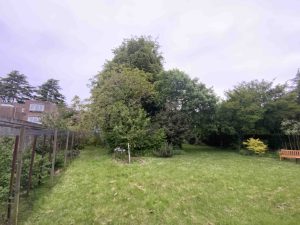
We provide Biodiversity Gain Plan services across Liverpool, Wirral, St Helens, Bootle, Southport, Birkenhead, Prescot, Formby and all surrounding towns and urban areas across Merseyside.
Â
Why Planning Authorities in Merseyside Request a Biodiversity Gain Plan
Planning Authorities across Merseyside require a Biodiversity Gain Plan because Biodiversity Net Gain is now a legal requirement under the Environment Act 2021 and must be formally secured through the planning system. The Plan provides the legally enforceable route for delivering and maintaining biodiversity improvements linked to a specific permission. Without an approved Biodiversity Gain Plan, the BNG condition cannot be lawfully discharged, and development cannot commence on site.
Local Case Insight
How the Biodiversity Gain Plan Process Works
We prepare compliant, planning-ready Biodiversity Gain Plans that meet Merseyside’s policy requirements and keep your BNG on track.
Key BGP Deliverables for Merseyside Projects
Your Biodiversity Gain Plan is structured to meet Merseyside’s planning requirements and typically includes:
Habitat delivery strategy — how and where biodiversity uplift will be achieved
Mapped habitat parcels — legally reliable plans linking habitats to the approved metric
Optional integration with a Habitat Management & Monitoring Plan (HMMP) where 30-year management is required
Submission-ready planning document — formatted for Local Planning Authority approval
This ensures your BNG condition in Merseyside can be discharged cleanly and lawfully.
Step 1
Initial review
We assess your existing BNG assessment, site layout and planning condition.
Step 2
Plan preparation
Habitat delivery proposals, mapping and management requirements are drafted.
Step 3
Coordination stage
The plan is aligned with your build programme and any wider ecological or planning documents.
Step 4
Submission and support
 We respond to any LPA queries or amendments required.
Next Steps
Ready to secure approval and start on site? We’ll confirm what your Merseyside site needs and help you move forward without unnecessary delay.Â
FAQ - BGP in Merseyside
Is a Biodiversity Gain Plan required for regeneration projects in Merseyside?
Yes. Where development falls within the statutory scope of Biodiversity Net Gain legislation, a Biodiversity Gain Plan must demonstrate at least 10 percent measurable uplift compared to the approved baseline habitat value.
Are dockland and waterfront sites exempt from Biodiversity Net Gain?
No. Regeneration of dockland or waterfront land does not remove statutory obligations. The Biodiversity Gain Plan must quantify existing habitats and demonstrate compliant uplift, even where baseline ecological value is limited.
How does the Mersey Estuary influence Biodiversity Gain Plans?
Sites near the Mersey Estuary must ensure habitat proposals are ecologically appropriate and compatible with tidal, saline and flood risk constraints. The Biodiversity Gain Plan must reflect realistic and deliverable habitat outcomes.
Can contaminated industrial land reduce Biodiversity Net Gain obligations?
No. Baseline habitat value is assessed through ecological survey, not historical land use assumptions. The Biodiversity Gain Plan must rely on accurate and current habitat classification.
How are large masterplanned regeneration schemes treated?
On city region masterplans, the Biodiversity Gain Plan must clearly demonstrate how uplift will be delivered across phased development and how habitats will be legally secured for the required period.
Which authorities approve Biodiversity Gain Plans in Merseyside?
Approval is handled by the relevant Local Planning Authority, such as Liverpool City Council, Wirral Council, Sefton Council, Knowsley Council or St Helens Borough Council depending on location.
Planning guidance for Liverpool City Council can be accessed at:
https://liverpool.gov.uk/planning-and-building-control/
Can Biodiversity Net Gain be delivered through public realm design?
Yes. Public squares, green corridors and waterfront landscaping can contribute to measurable uplift if ecologically specified and correctly quantified. The Biodiversity Gain Plan must ensure habitats meet metric criteria.
Is off site Biodiversity Net Gain common in Merseyside?
In dense urban settings where on site delivery is constrained, off site biodiversity units may be required. The Biodiversity Gain Plan must confirm legal registration and securing arrangements.
What are common approval risks in Merseyside Biodiversity Gain Plans?
Risks include inconsistency between architectural plans and ecological calculations, unrealistic habitat assumptions in highly urbanised sites and incomplete documentation at submission stage.
How can ProHort support Biodiversity Gain Plan submissions in Merseyside?
ProHort prepares technically compliant Biodiversity Gain Plans tailored to Merseyside’s regeneration and waterfront context. We ensure accurate metric modelling, realistic habitat proposals and clear securing mechanisms to minimise pre commencement delay.