
If you are planning a development in Long Eaton, a Biodiversity Net Gain (BNG) Assessment can help you understand the ecological value of your site and the biodiversity requirements relevant to your proposals.
ProHort provides BNG assessments in Long Eaton, supporting architects, property developers, planning consultants and other project professionals with the ecological information needed to inform development planning.
Our services include Biodiversity Net Gain Assessments and Biodiversity Gain Plans, helping you understand your site’s existing habitats, assess the potential effects of development and identify a suitable approach to achieving the required biodiversity gain.
Calls answered in 2 rings, emails replied to within the hour.
Clear guidance before you commit.
Working in partnership with clients to ensure planning approval first time
Industry Leading Standard
We stay with you from first call through to submission.
Long Eaton’s landscape includes the River Trent corridor, the Erewash Canal and a network of parks, wetlands and nature reserves. These local features provide important context when considering how development may interact with existing habitats and green infrastructure.
Whether you are preparing an initial development proposal or progressing towards a planning submission, ProHort can provide BNG planning support in Long Eaton to help you understand the next steps.
We support projects across Long Eaton, covering all neighbourhoods including the town centre, Sawley, Wilsthorpe, Sandiacre, Breaston, Fields Farm, Toton, Chilwell Green, and the wider surrounding areas within the Erewash local authority boundary.
Biodiversity Net Gain (BNG) is an approach to development that aims to improve the biodiversity value of a site following development. Where the statutory BNG requirement applies, development generally needs to achieve at least a 10% increase in biodiversity value, measured using the applicable statutory biodiversity metric.
BNG considers the habitats present before development, the habitats that will remain or be created, and how biodiversity improvements will be delivered and secured. Depending on the project, this may involve habitat creation or enhancement within the development site, off-site biodiversity units, or a combination of approaches.
The right strategy depends on the site’s existing ecological value, the proposed development and the relevant planning requirements.
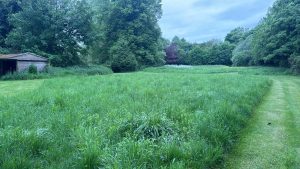
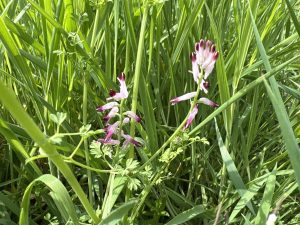
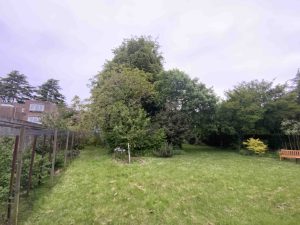
A BNG assessment in Long Eaton establishes the biodiversity value of a development site and helps identify how proposed works may affect existing habitats.
This biodiversity assessment can inform site design, habitat retention and enhancement opportunities, and the approach to achieving the required biodiversity gain.
For developers and planning professionals, a Biodiversity assessment in Long Eaton can provide an important starting point for understanding ecological constraints and opportunities before development proposals are finalised.

Our assessment work may include:
Reviewing existing habitats and available ecological information for the site.
Establishing the site’s baseline biodiversity value.
Using the applicable statutory biodiversity metric to calculate biodiversity units.
Assessing the anticipated effects of the proposed development on habitats.
Identifying opportunities to retain, enhance or create habitats.
Considering the potential for on-site and off-site biodiversity delivery.
Helping inform the next steps in the planning process.
An early assessment can help identify potential constraints and opportunities while there is still time to consider them within the development design.
Long Eaton sits within a landscape influenced by the River Trent and its surrounding washlands. The Trent Strategic Green Infrastructure Corridor extends to the south of Long Eaton and Sawley, incorporating wetlands, wildlife sites and Trent Meadows Local Nature Reserve.
The wider area also includes the Erewash Canal and local nature reserves such as Forbes Hole, Fox Covert, Manor Farm and Trent Meadows. These local features demonstrate why ecological considerations should be informed by the site itself and its surrounding context, rather than relying on a generic assessment approach.
For a development site near a watercourse, existing wetland habitat, green corridor or established nature reserve, the location and condition of habitats may be particularly relevant to the ecological assessment. The significance of these features must be determined through site-specific assessment and appropriate ecological information.
A Biodiversity Gain Plan sets out how a development will achieve the required biodiversity gain. It provides evidence of the proposed approach to delivering the biodiversity gain and is submitted to the local planning authority at the relevant stage of the planning process.
For projects in Long Eaton where statutory BNG applies, the plan should reflect the completed assessment and the development’s biodiversity strategy. This may include the use of on-site habitat creation or enhancement, off-site biodiversity units, or a combination of these approaches.
ProHort can support developers and their project teams with preparing a Biodiversity Gain Plan in Long Eaton, helping to set out the proposed approach and the evidence needed to demonstrate how the biodiversity gain will be achieved.

Our support can include:
Reviewing the BNG Assessment and biodiversity metric information.
Considering the proposed habitat creation and enhancement measures.
Setting out the approach to achieving the required biodiversity gain.
Considering the use of off-site biodiversity units where appropriate.
Helping prepare the information required for the Biodiversity Gain Plan.
Supporting the wider ecological planning process.
The Biodiversity Gain Plan is distinct from the BNG Assessment. The Assessment establishes the biodiversity value and helps inform the strategy; the Gain Plan explains how the required gain will be delivered.
Where a development cannot achieve all of its required biodiversity gain within the site boundary, off-site biodiversity units may be considered as part of the wider BNG strategy.
Biodiversity offsetting in Long Eaton may involve securing biodiversity units from an appropriate off-site habitat creation or enhancement project, where this is permitted under the applicable BNG rules.
The suitability of off-site biodiversity units depends on the site’s biodiversity calculations, the relevant biodiversity gain hierarchy and the requirements of the planning authority. ProHort can help project teams understand the options available and how off-site delivery may fit within their BNG strategy.
Understanding the Biodiversity Net Gain process early can help you plan your development and identify the ecological information needed to support your proposals.
For developments in Long Eaton where statutory BNG applies, the process involves assessing the existing biodiversity value of the site, considering how the development may affect habitats and setting out how the required biodiversity gain will be achieved.
ProHort can provide BNG planning support in Long Eaton to help you understand the stages involved and the ecological work required for your project.
We carry out a Biodiversity Net Gain (BNG) Assessment to establish the site’s baseline biodiversity value.
We assess how the proposed development may affect existing habitats and biodiversity.
We explore ways to enhance biodiversity onsite and identify whether offsite biodiversity offsetting may be needed.
We help prepare a Biodiversity Gain Plan, setting out how the development will meet the applicable BNG requirements.
We provide guidance on the information needed for submission and help you progress with your planning requirements.
Contact us, and we’ll confirm exactly what your Long Eaton site requires. We provide a planning-ready, proportionate route forward.
Whether a development requires a Biodiversity Net Gain (BNG) Assessment in Long Eaton depends on the type of application, the site and whether the statutory BNG requirements apply. Some developments are exempt or subject to specific rules. A BNG assessment can help establish the site’s biodiversity value and inform the appropriate approach to achieving biodiversity gain.
A BNG assessment establishes the biodiversity value of a site and considers how proposed development may affect its habitats. This may include reviewing existing ecological information, assessing habitat types and condition, using the applicable statutory biodiversity metric, and identifying opportunities for habitat retention, enhancement or creation.
A BNG Assessment establishes the biodiversity value of a site and assesses how proposed development may affect habitats. A Biodiversity Gain Plan sets out how the development will achieve the required biodiversity gain. The Assessment informs the strategy, while the Gain Plan explains how the gain will be delivered.
The River Trent and its surrounding washlands form part of the wider green infrastructure corridor to the south of Long Eaton and Sawley. If a development is near the river or associated habitats, the site’s ecological context may be relevant to the biodiversity assessment. The specific implications will depend on the site location, habitats present and proposed development.
The Erewash Canal forms part of the wider green infrastructure network in the borough. Where a development site includes or is close to canal-side habitats, these may need to be considered as part of the ecological assessment. The relevance of the canal and associated habitats must be determined on a site-specific basis.
Where a development cannot achieve all of its required biodiversity gain on-site, off-site biodiversity units may be an option. Biodiversity offsetting in Long Eaton must follow the applicable BNG rules and biodiversity gain hierarchy. The appropriate approach depends on the development and its biodiversity calculations.
It is generally beneficial to arrange a BNG Assessment early in the development process, before site layouts and landscaping proposals are finalised. Early assessment can help identify habitat constraints and opportunities and inform decisions about how biodiversity gain could be achieved.
It is helpful to provide the site address or location, a site boundary plan, a brief description of the proposed development and any existing ecological reports or planning information. If available, include the current stage of the project and any relevant planning deadlines. This can help ProHort understand the project and advise on the next steps.