
Expert BNG support for development across Cheshire, from initial habitat assessment and biodiversity calculations to a submission-ready Biodiversity Gain Plan.
Biodiversity Net Gain is a legal requirement for qualifying developments in England, generally requiring biodiversity value to increase by at least 10%, subject to applicable exemptions and transitional provisions.
A BNG Assessment establishes the site’s baseline biodiversity value and calculates how the proposed development is expected to affect habitats. A Biodiversity Gain Plan sets out how the required biodiversity gain plan will be delivered following planning permission.
Although the two services are connected, they serve different purposes at different stages of the planning process. Understanding both early can help developers make informed decisions about site layout, habitat retention and the feasibility of proposed biodiversity improvements.
We support projects across:
Chester, Crewe, Macclesfield, Northwich, Ellesmere Port, Winsford, Nantwich, Wilmslow, Knutsford, Sandbach, Congleton and surrounding areas.
Cheshire’s landscape includes extensive farmland, traditional hedgerows, rive valleys, woodland, wetlands and historic canal corridors. There features can influence a site’s baseline biodiversity value and the opportunities available for habitat retention, enhancement and creation.
Our assessments consider the actual habitats present on each site, rather than making assumptions based on its location or previous land use.
Hedgerows are an important feature of Cheshire’s rural landscape, linking fields, woodland edges and other habitats. Their condition, extent and connectivity can influence biodiversity calculations and the options available for delivering habitat improvements.
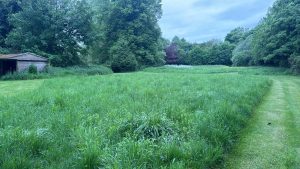
Where development affects agricultural land, the baseline assessment needs to distinguish between habitat types and conditions accurately. Land that appears relatively uniform from a distance may contain different habitat parcels or features that need to be recorded.
The River Dee, River Weaver and Cheshire’s canal network from part of a wider landscape containing riverbanks, wet grassland, ponds, ditches and other habitats. Where these features occur on or near a development site, they may influence the ecological constraints and opportunities that need to be considered.
Habitat creation proposals should be appropriate to the site’s conditions, including its soils, drainage and existing ecological features.
Woodland, wetland and other locally important habitats can provide opportunities to strengthen connections between existing areas of nature. However, the suitability of any proposed habitat enhancement depends on the site’s baseline, physical conditions and the applicable biodiversity metric rules.
Our aim is to identify realistic options that can be incorporated into development proposals, rather than relying on habitat improvements that may not be achievable or sustainable in practice.
The Cheshire and Warrington Local Nature Recovery Strategy (LNRS) identifies priorities and opportunities for restoring and connecting habitats across the strategy area. Its Local Habitat Map can help inform where habitat creation and enhancement may contribute to wider nature recovery.
For development projects in Cheshire, this information can provide useful context when considering biodiversity opportunities alongside the statutory BNG process.
The strategy does not replace a site-specific BNG Assessment or determine the outcome of every planning application. Habitat proposals still need to be assessed against the site’s actual conditions, the statutory biodiversity metric and the relevant planning requirements.
A BNG Assessment provides the ecological and calculation evidence needed to understand the biodiversity implications of a proposed development.

Our assessment work can include:
Starting this work early can help identify constraints, compare design options and understand whether the proposed development can deliver the required biodiversity gain.
Where statutory BNG applies, a Biodiversity Gain Plan must be approved by the relevant planning authority before development commences.
The plan follows planning permission and explains how the required biodiversity gain will be achieved. It must be consistent with the approved development proposals, the applicable metric calculations and the proposed arrangements for delivering the habitats.
Our Biodiversity Gain Plan support can include:
Reviewing the existing biodiversity metric, assessment information and planning conditions.
Setting out the proposed approach to delivering the required biodiversity gain.
Coordinating habitat proposals and plans with the relevant development information.
Identifying applicable arrangements for securing and managing habitat creation or enhancement.
Preparing supporting documentation for submission and assisting with relevant queries or amendments.

Where habitat delivery requires long-term management and monitoring or off-site biodiversity units, these arrangements must be addressed in accordance with the applicable statutory requirements.
We work with the project team to establish a clear and proportionate route through the BNG process.
We consider the site location, proposed development, available plans and existing ecological information to establish the likely scope of work.
We assess and map relevant habitats, record their condition and calculate the site’s baseline biodiversity value using the applicable statutory biodiversity metric.
The assessment helps identify potential habitat retention, enhancement and creation measures. These can be considered alongside the proposed layout and wider landscape design.
We model the anticipated habitat changes and assess whether the proposals can meet the applicable biodiversity gain requirement. Where a shortfall is identified, alternative approaches may need to be considered.
We provide the relevant assessment information to help the project team understand its BNG position and coordinate the ecological evidence with the wider planning submission.
Following planning permission, where statutory BNG applies, we can support preparation of the Biodiversity Gain Plan using the relevant metric information, habitat proposals and delivery arrangements. The plan must receive approval from the relevant planning authority before development commences.
Contact us and we’ll confirm exactly what your site requires and support a planning-ready, proportionate route forward.
The responsible authority depends on the site’s location. Cheshire East Council, Cheshire West and Chester Council and Warrington Borough Council have separate planning arrangements. It is important to confirm the relevant authority before preparing the supporting information, as local policies and application requirements may differ.
The strategy identifies priorities and opportunities for nature recovery across Cheshire and Warrington, including areas where habitat creation, restoration or enhancement could improve ecological connections. It can inform the consideration of biodiversity opportunities, but it does not replace the statutory biodiversity metric or the need to assess the individual development site.
Potentially. Hedgerows are assessed using the relevant hedgerow provisions of the statutory biodiversity metric, with their extent and condition influencing their biodiversity value. Retaining and enhancing suitable hedgerows may contribute to a development’s BNG strategy, provided the proposals satisfy the applicable rules and calculations.
Agricultural land is not automatically exempt from statutory BNG. Whether the requirement applies depends on the development and the relevant exemptions and transitional provisions. Where BNG applies, the habitats present must be assessed accurately, as different grassland types, hedgerows and other features can affect the baseline biodiversity value.
A BNG Assessment establishes the site’s baseline biodiversity value and calculates the anticipated impact of development. A Biodiversity Gain Plan explains how the required biodiversity gain will be delivered following planning permission. Where statutory BNG applies, the plan must be approved by the relevant planning authority before development starts.
Potentially. Some developments can deliver the required biodiversity gain through suitable on-site habitat retention, enhancement and creation. Whether this is feasible depends on the baseline value, the proposed layout, available land and the applicable metric calculations. Where on-site delivery cannot meet the requirement, an appropriate off-site solution may need to be considered.
No. A Biodiversity Gain Plan sets out how a development will deliver the required biodiversity gain. A Habitat Management and Monitoring Plan (HMMP) provides more detailed information about the management and monitoring of relevant habitats over time where required. The documents serve different purposes and may be needed together, depending on the proposed habitat delivery arrangements.
Ideally, BNG should be considered during site selection or early design development, before the layout is finalised. This allows time to identify habitat constraints, assess biodiversity value and explore realistic delivery options. The required survey timing and scope will depend on the site’s habitats, the proposed development and the available ecological information.