Reptile Surveys Services for Planning & Development
Professional reptile surveys that support planning, protect your programme and minimise ecological risk.
Do you need a Reptile Survey?
You may need a reptile survey if your site contains features such as rough grassland, scrub, heath, woodland edges, brownfield areas or warm, open mosaics with good cover. PEAs frequently flag reptile potential early in the design process.
What is a Reptile Survey?
A reptile survey confirms presence/likely absence, maps activity levels and provides the evidence planners need to validate your application. It also defines any mitigation required to keep works lawful and efficient.
Early Signs a Reptile Survey is Needed
LPAs scrutinise sites with:
- rough grassland, scrub, heath or brownfield habitat
- rubble piles, banks, metal sheets, log stacks or warm microhabitats
- good sun exposure with nearby cover
- PEA flags for reptile potential
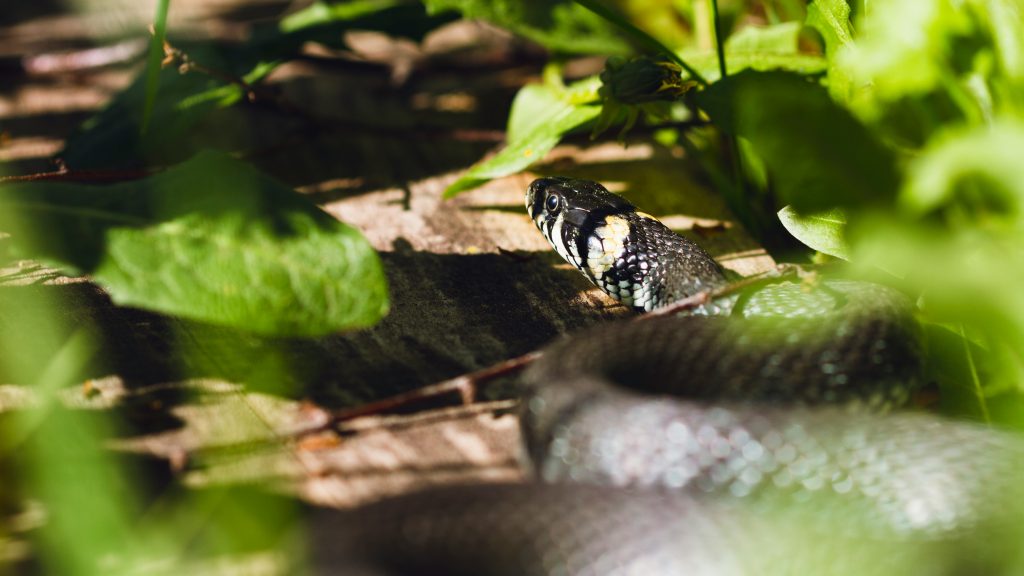
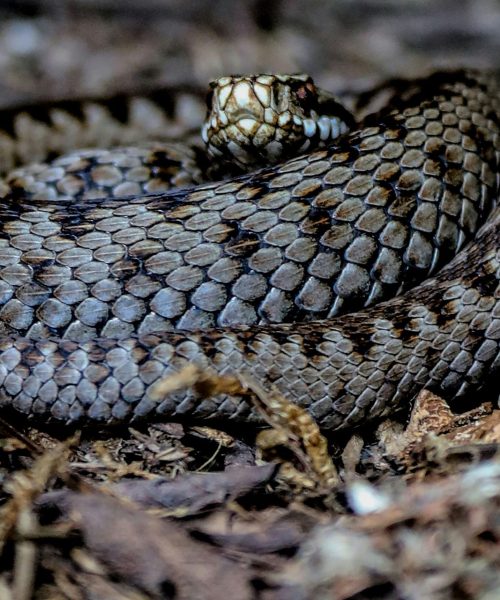
- local records of slow worm, common lizard, grass snake or adder
- earthworks planned between March and October
Early confirmation avoids validation queries, redesigns and seasonal friction.
What We Deliver
| Service | Purpose | Outcome |
|---|---|---|
| Initial Habitat & Risk Check | Early clarity before design commits. | Fast confirmation of risk and next steps. |
| Full Reptile Survey Programme | Presence/likely absence evidence. | Planning-ready report for validation and design. |
| Monitoring (Refugia / Transects / Camera) | Detailed activity data where risk is higher. | Clear mapping to guide planners and site teams. |
| Mitigation & Method Statements | Keep works lawful when reptiles are present. | Practical, build-friendly measures. |
| Licensing Support (if required) | Where habitat loss may affect reptiles. | Prepared applications aligned to project timelines. |
A practical, proportionate, planning-ready service.
How it Works

Scope & Schedule
Share your project location, habitat condition and intended programme. We confirm the correct survey level.

Fieldwork
Multi-visit surveys across suitable weather conditions using refugia, transects and targeted checks

Reporting
Planning-ready reporting, mitigation guidance (if needed), and clear actions for designers and site teams.
Timing & Survey Windows
Missing suitable weather conditions can delay evidence-gathering; early planning protects your programme.
Main Survey Season
March to October
Optimum
April–May, early autumn (weather-dependent)
Visits
Typically 2–7 under suitable temperatures (9–20°C), low wind, no heavy rain
What You Receive:
- site-specific habitat assessment
- presence/likely absence mapping
- risk summary for planners
- proportionate mitigation options
- licensing guidance (only if required)
- decisions and timelines your team can build around
Evidence planners rely on. Practical steps your project team can deliver.
Why Developers Choose ProHort:
- programme-first delivery
- practical, straight advice
- fast mobilisation where feasible
- reports shaped for planners, designers and contractors
- nationwide coverage
- development-focused ecological expertise
Legal Compliance & Planning risk
All common UK reptiles (slow worm, common lizard, grass snake, adder) are legally protected from killing, injury and harmful disturbance. LPAs require proportionate evidence where suitable habitat is present.
Missing or inadequate surveys can result in:
- planning refusal or validation delays
- design changes late in the programme
- stop-work requirements if reptiles are discovered during clearance
- more restrictive mitigation conditions
- project downtime caused by seasonal survey limits
Relevant legislation includes:
- Wildlife & Countryside Act 1981
- Conservation of Habitats and Species Regulations
- NPPF biodiversity and mitigation requirements
Our role is to keep everything compliant and predictable.
Your Next Step
Need an invertebrate survey? We’ll confirm your requirements and secure the right survey window.
Phone: 0800 494 7479
Email: [email protected]
Areas We Cover
We cover many areas across England and Wales. Click below to find out more.
Case Note
Reptile Survey FAQs
What is a reptile survey and when is it required?
A reptile survey is an ecological assessment used to identify the presence or likely absence of common British reptiles on a site. It is typically required where habitat such as rough grassland, scrub, or brownfield land is present and a planning application could impact protected species. Local Planning Authorities (LPAs) often request reptile surveys to ensure compliance with wildlife legislation and planning policy.
Which reptiles are protected in the UK?
The UK has six native reptile species: slow worm, common lizard, grass snake, adder, sand lizard, and smooth snake. All are protected under the Wildlife and Countryside Act 1981. While the rarer species have higher levels of protection, all reptiles are safeguarded from harm, making surveys essential where suitable habitat exists.
How are reptile surveys carried out?
Reptile surveys are typically undertaken using artificial refugia such as felt mats or tins placed across the site. These provide basking and shelter opportunities, allowing ecologists to monitor reptile presence over multiple visits. Surveys are completed in suitable weather conditions to maximise detection rates.
How many visits are needed for a reptile survey?
A standard reptile survey usually involves a minimum of seven visits to determine presence or likely absence. Where reptiles are confirmed, additional visits may be required to establish population size class, which is important for informing mitigation and planning decisions.
When is the best time of year to carry out reptile surveys?
The main reptile survey season runs from March to October. The optimum survey periods are typically April to May and early autumn, when reptiles are most active and weather conditions are suitable. Surveys must be carried out in appropriate temperatures, as reptile activity is strongly influenced by weather conditions, with extremes of heat, cold, or heavy rain reducing survey effectiveness.
What happens if reptiles are found on site?
If reptiles are identified, the next steps will depend on the population size and development proposals. This may include mitigation measures such as habitat retention, sensitive site design, or translocation to a suitable receptor site. A detailed mitigation strategy will be required to support planning.
Can development still proceed if reptiles are present?
Yes, development can usually proceed where reptiles are present, provided appropriate mitigation measures are implemented. Early identification through survey work allows impacts to be addressed within the design and planning process, reducing risk of delays.
What habitats are most likely to support reptiles?
Reptiles are commonly found in habitats such as rough grassland, field margins, scrub, woodland edges, railway embankments, and brownfield sites. Sites with good connectivity and undisturbed areas are particularly suitable.
Do I need a reptile survey for my planning application?
A reptile survey may be required if your site includes or is near suitable habitat and there is potential for reptiles to be present. LPAs will often request this as part of validation or determination. Early ecological advice helps confirm whether a survey is necessary.
For local planning requirements, refer to your relevant authority, for example:
https://www.staffordshire.gov.uk/Environment/Planning/Planning-applications.aspx
What is a reptile mitigation strategy?
A reptile mitigation strategy is a detailed plan outlining how impacts to reptiles will be avoided, reduced, or compensated. This may include phased habitat clearance, installation of exclusion fencing, supervised works, and long-term habitat management.
What is reptile translocation?
Reptile translocation involves safely capturing and relocating reptiles from a development site to a suitable receptor site. This process must be carefully managed and carried out over an appropriate timeframe to ensure success and compliance with legislation.
How long are reptile survey results valid for?
Reptile survey results are typically considered valid for up to two years, although this can vary depending on site conditions and planning authority requirements. Changes in habitat or site use may require updated surveys.
Can reptile surveys be combined with other ecological surveys?
Yes, reptile surveys are often undertaken alongside other ecological assessments such as Preliminary Ecological Appraisals (PEA) or habitat surveys. Combining surveys can improve efficiency and provide a more complete ecological baseline for planning.
What are the risks of not carrying out a reptile survey?
Failure to carry out a required reptile survey can result in planning delays, refusal, or enforcement action if protected species are harmed. Early survey work reduces uncertainty and ensures compliance with ecological and planning requirements.