Which Survey Do I Need?

Biodiversity Net Gain Assessment (BNG)

If your build is over 25m² and not a self build you will require a Biodiversity Net Gain Assessment (BNG).

Preliminary Ecological Appraisal (PEA)

All builds need a Preliminary Ecology Appraisal (PEA). This includes any buildings that are being converted.

Preliminary Roost Assessment (PRA)

If demolition is due to take place or if any work is being done on the roof a Preliminary Roost Assessment (PRA) will be required.

Tree Survey

Is the proposed development within 12m of a tree? If so a tree survey will be needed as part of your planning application.

Environmental Impact Assessment (EIA)

If there is a change of land use you will require an Environmental Impact Assessment (EIA).

Landscape & Visual Impact Assessment (LVIA)

If the project is part of a development where there will be a number of buildings a Landscape & Visual Impact Assessment (LVIA) will be required.


How We Can Help

ProHort provide a wide range of horticulture, arboricultural, ecological and landscape development services. The full list of our services can be found here. If you need any more information or are looking for a service not listed here, please contact us directly to discuss our services in more detail, we will be happy to help.  


We Are Social!

Why not check out our Facebook page and connect with us on Linked in?


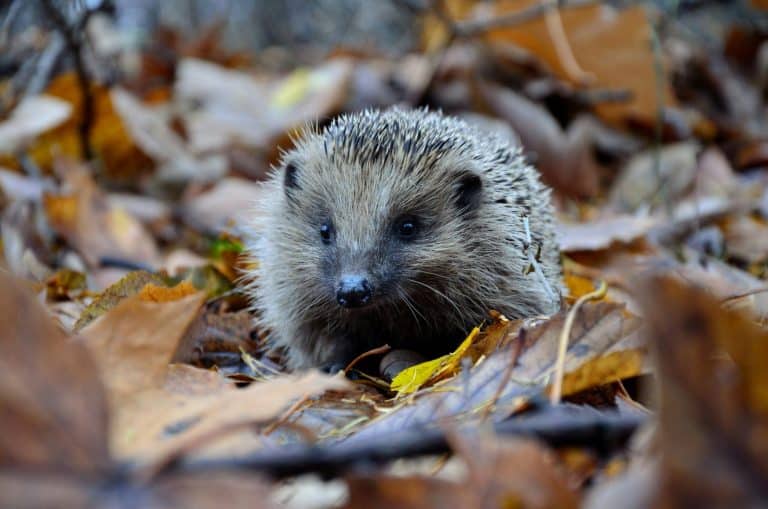
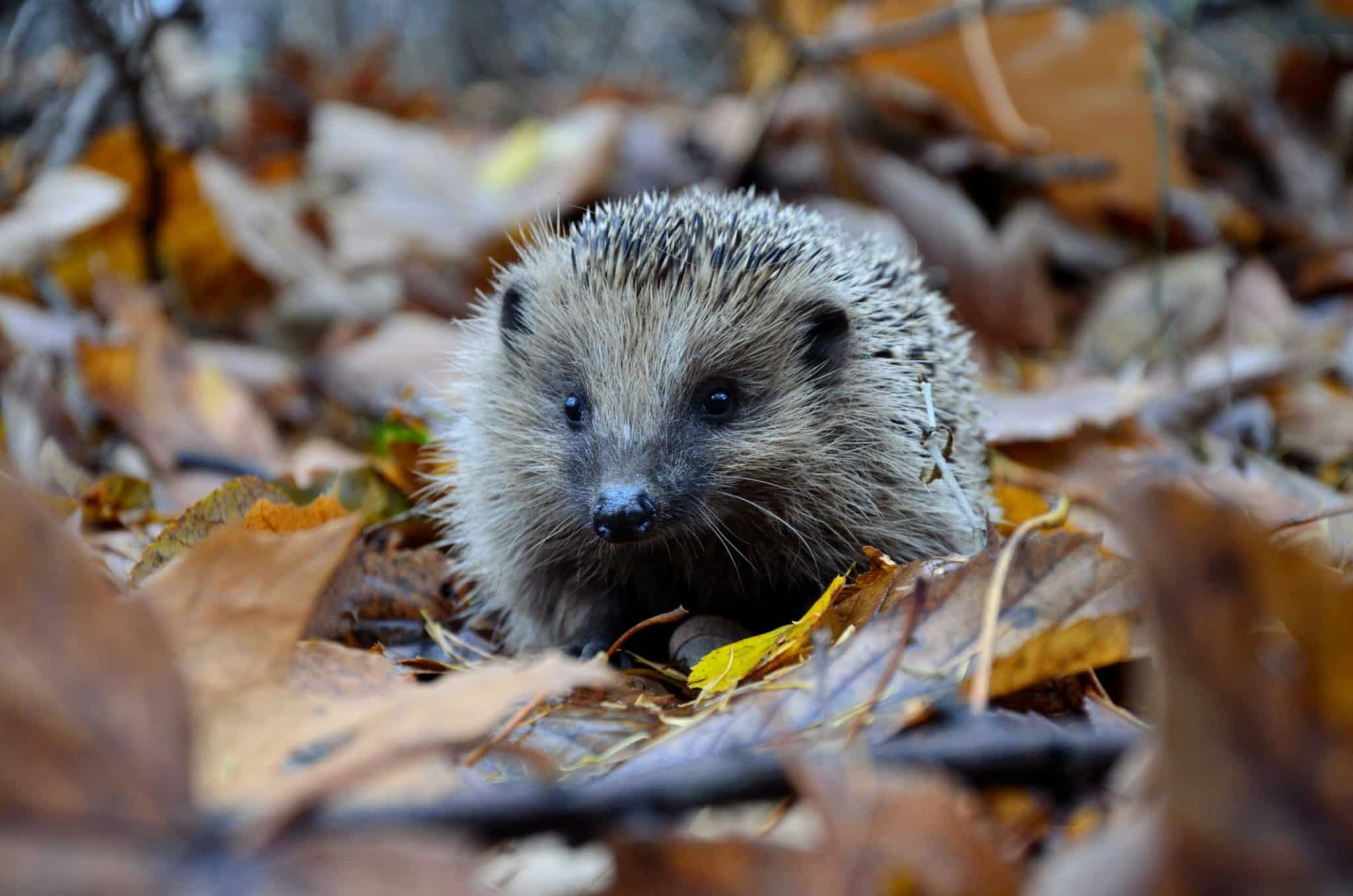
Hedgehogs: The Small Garden Visitor with Big Ecological Impact

At ProHort, our ecological surveys often bring us face to face with some of Britain’s most cherished wildlife — and few are as beloved as the hedgehog. These shy, nocturnal mammals may be small, but they play an outsized role in maintaining ecological balance.

A National Favourite Under Threat

The hedgehog is a true icon of the British countryside. Found in gardens, parks, and hedgerows, these insectivores are natural pest controllers, feeding on slugs, beetles, caterpillars, and other invertebrates.

Unfortunately, hedgehog numbers in the UK have declined dramatically in recent decades. Urban expansion, habitat fragmentation, road traffic, and loss of wild spaces have all contributed to their decline. The species is now listed as Vulnerable to Extinction on the UK Red List for mammals.

Why Hedgehogs Matter:

Aside from their charm, hedgehogs serve a vital ecological function:

  • Natural pest control – reducing reliance on chemical treatments

  • Indicators of habitat health – their presence suggests a thriving, balanced ecosystem

  • Biodiversity connectors – using wildlife corridors and gardens to navigate landscapes

As ecological consultants, we often encounter hedgehogs during evening Bat Surveys, Preliminary Ecological Appraisals (PEAs) and protected species surveys. Their appearance is always a welcome reminder of what we’re working to protect.


How Developments can Help not Hinder

With proper planning, development doesn’t have to come at the expense of hedgehogs. In fact, it can help support their survival. At ProHort, we work with developers, planners, and homeowners to ensure that construction is carried out with ecological responsibility.

Simple measures can make a big difference:

  • Installing hedgehog highways (small holes in fences to allow safe movement)

  • Leaving areas of untamed vegetation for nesting and foraging

  • Avoiding or limiting use of pesticides and slug pellets

  • Including hedgehog houses in landscaping plans

  • Ensuring surveys are conducted when required under planning law

Our Commitment at ProHort:

Every time we encounter a hedgehog during a survey, it reaffirms our commitment to nature-first planning. Our surveys don’t just satisfy planning conditions — they inform better decisions for the long-term health of local ecosystems.

If you’re developing land, planning a project, or just want to understand your responsibilities regarding protected species, we’re here to help.

Contact ProHort today to learn more about our ecological survey services — and how together, we can help protect the wildlife we all care about.