Ecology Surveys in Shrewsbury

What is an Ecology Survey?

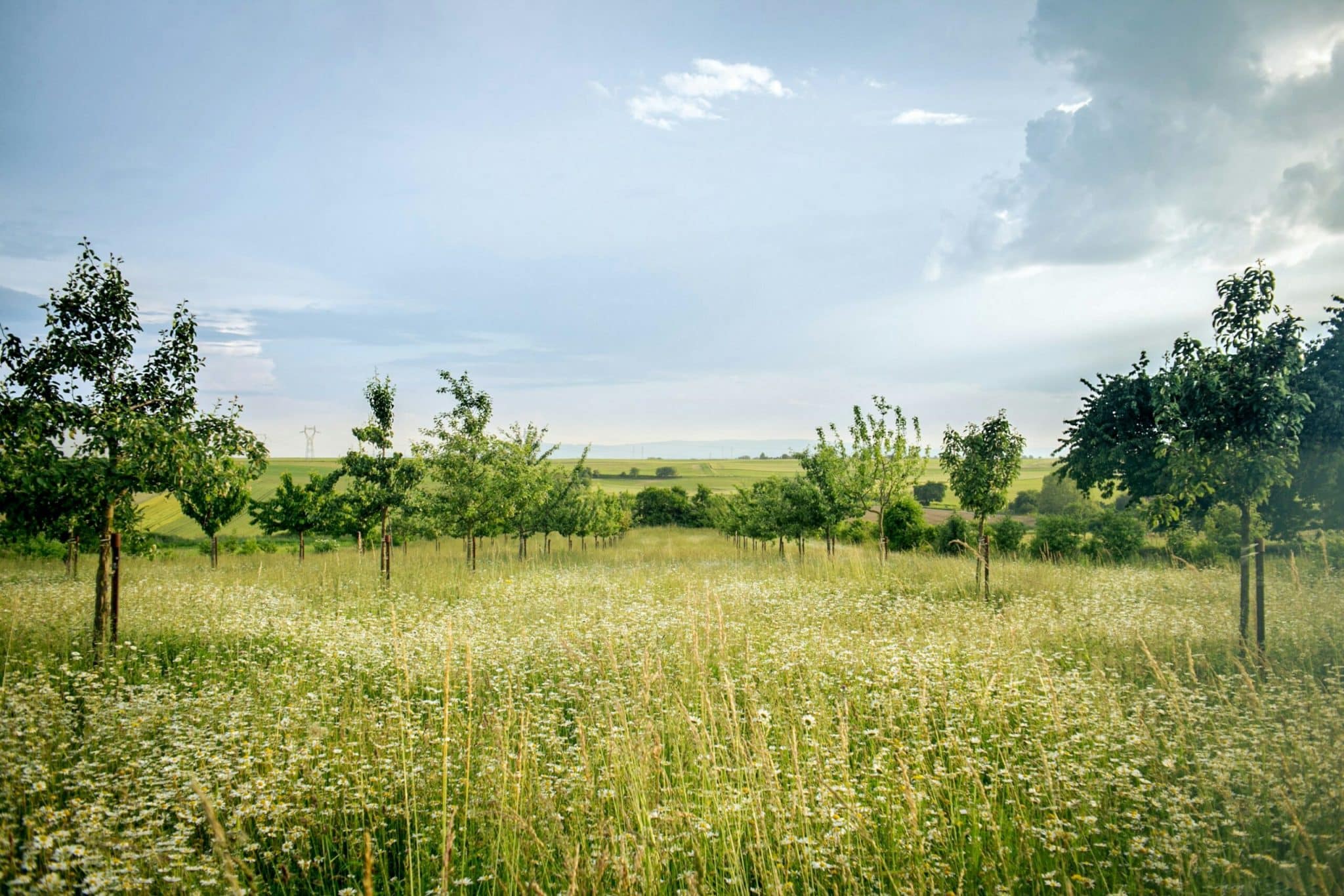
Are you looking for an ecologist in Shrewsbury? Our ecology surveys in Shrewsbury are studies of the plants and animals in a specific area. This includes their interactions with each other and their habitat. An ecology survey is carried out by qualified professionals, such as ourselves, to create an inventory of the living organisms and ecological features in a particular area. The purpose of an ecology survey is to understand the dynamics of the ecosystem and to identify any potential impacts, risks or constraints of a development on the landscape and species living within it. This is to assist developers and the local planning authority in establishing what the next steps are to mitigate the impact on the environment.

What type of Ecology Survey do I need?

There are a range of surveys available, each is suited to a different scenario. They assess the impact that a development project may have on the surrounding environment and go into varying depths of detail depending upon the type of survey that you have.

Ecology surveys in Shrewsbury that ProHort Ltd can provide include but are not exclusive to the following:

  • Preliminary Ecological Assessment (previously called the Phase 1 Habitat).
  • Phase 1 Ecology Survey.
  • Phase 1 Extended Survey including Protected Species – Bats, Birds and Mammals.
  • NVC Vegetation Surveys (National Vegetation Classification)
  • UK Habitat Classification.
  • Habitat Regulation Assessments.
  • Ecology Mitigation Plans.
  • Biodiversity Net Gain Assessments including DEFRA.

How do I book my Ecology Survey?

Firstly, contact ProHort, we can provide you with a written quote for the ecology surveys in Shrewsbury that you require. Upon the confirmation that you would like to proceed, our specialist ecology consultant will visit the site to carry out the survey or assessment.

Once the survey has been completed, our consultant will put together your documentation. This will clearly show the results from the survey. This documentation will be sent in the form of a PDF or a physical copy of the report, if required.

Contact Us Today for Your Ecology Survey in Shrewsbury!

To find out more about how ProHort can support your ecology surveys in Shrewsbury, get in touch with our friendly team today. We offer expert advice, efficient survey scheduling, and detailed ecological assessments tailored to your project’s needs.

Whether you’re a developer, landowner, or planning consultant, we’re here to guide you through every stage of the process — from preliminary ecological appraisals to protected species surveys and mitigation strategies.

Call us on: 01782 479 479
Email: [email protected]

Let’s work together to ensure your project meets ecological and environmental requirements while maintaining sustainable development goals.

Natural Flood Management

In September 2023 the UK Government’s Department for Environment, Food & Rural Affairs (Defra) unveiled a £25m funding programme to support dozens of projects that are centred around natural processes. This has been done to help mitigate the risk of flooding as a result of climate change.

What is Natural Flood Management? 

Natural flood management (NFM) uses natural processes to reduce the risk of flooding. These processes protect, restore and mimic the natural functions of catchments, floodplains and the coast to slow down and store water. These include:

Soil & Land Management – which will slow & store surface water run-off while also reducing soil erosion.

River and Floodplain Management 

Woodland Management – introducing hedgerow and woodland which will support wetland complexes and the creation of new habitats.

Run-off Management – such as leaky barriers, wet woodlands, ponds and wetlands to help slow and store high flows in upper catchments, reducing the chance and impact of flooding downstream.

Coast & Estuary Management – expansion and enhancement of saltmarsh and sand dune systems that naturally break wave action and reduce the risk of tidal flooding to local communities. 

NFM can also provide wider benefits including enhancing habitats and biodiversity. As well as improving water quality and the availability of drinking water. 

Benefits of Natural Flood Management: 

– Improves water quality & availability of drinking water
– Protect homes & businesses from flooding and coastal changes

– Enhances Habitats & Biodiversity

Research published last year indicated annual damage caused by flooding in the UK could increase by more than 20% due to the increasing severity of the climate crisis if national pledges to reach net-zero made at COP26 are not met in full.


Work will take place on these projects between now and 31 March 2027.  This will involve a range of organisations including:


– Wildlife Trusts 
– River Trusts
– Local Authorities
– Farmers
– Landowners.

Bees’ Needs Week

Pollinating insects such as Bees are vital to our ecosystem, therefore it is important we do what we can to support their survival. Pollinators are a priority therefore the UK Government and Defra have coordinated an annual event Bees Needs Week. This runs from the 8th to the 14th of July with the aim of raising awareness of the importance of pollinators. 

ProHort Recommend these simple actions: 

1. Grow Nectar Rich Flowers, Shrubs and Trees – these provide food and shelter for pollinators throughout the year. If you don’t have a large garden window and balcony boxes are a great way to create space for plants that will help our buzzing bees. 

2. Wild Flower Garden – Leave patches of your garden to grow wild, letting wildflowers flourish. This creates great nesting and feeding sites for bees. 

3. Reduce Grass Cutting  – by mowing your grass less often other plants will grow in the lawn including those with nectar-rich flowers. However, if you do cut your lawn ensure your remove cuttings to give other plants space and light to grow. 

4. DO NOT DISTURB – Hedges, long grass, trees, dead wood piles and even brick walls can provide nesting and hibernation, therefore please do not disturb these sights in your garden. 

5.Create Shelter – Provide shelter in your garden for pollinators, these can be created from dead wood or purchasing a bee house. 

6. Hydration – A shallow bowl or tray filled with gravel and water can provide thirsty bees with a drink.

7. No Pesticides – Pesticides can be harmful to pollinators and other wildlife, therefore reduce the use of them where ever possible. We recommend companion planting to help naturally reduce pest and disease.

National Pollinator Strategy:

The National Pollinator Strategy is a 10 year plan that was published in 2014. This sets out how the government, beekeepers, farmers, researchers and conservation groups can work together to improve the status of pollinating species throughout the UK. 

Within their National Pollinator Strategy Action Plan it sets out how we will act as a nation to fulfil the aims and objectives of the strategy over a period of 2021 to 2024. 


Tree Surveys in Cornwall

We complete a number of tree surveys in Cornwall and throughout the UK. Tree Surveys may be needed for a number of reasons such as insurance, planning applications or mortgage purposes. To find out which survey you need contact us today. 

What do Tree Surveys in Cornwall Include?

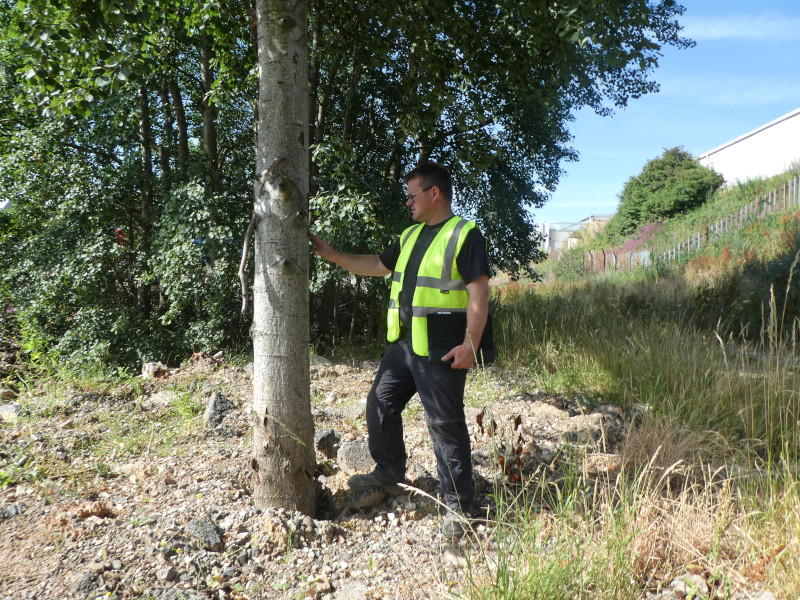
When conducting tree surveys in Cornwall  we work to the BS5837:2012 standard. This ensures that our surveys are compliant with industry standard. We are also covered by a £5million Professional Indemnity Insurance, giving you peace of mind. Tree surveys in Cornwall typically include a detailed plan identifying where the tree is located, tree measurements including canopy, trunk and root zone. We will also provide you with a plan that details where to situate a tree protection fence to ensure the protection of the roots.

Tree surveys in Cornwall are often requested by local councils for planning purposes, specifically when an extension or new build is proposed to take place. Their objective to make sure that no damage will occur to the tree canopy or its root zone. As such we can advise on different methods to achieve the desired build whilst protecting the tree(s) and appeasing the Arboricultural Officer with regards planning constraints.

Tree Surveys in Cornwall

What is a Tree Condition Survey?

Tree condition surveys are based on a standard tree survey; however, they are bias toward the health of the tree and identifying any potential issues. This is done with the objective to firstly make sure the tree is safe and secondly to ensure the ongoing health of the tree. These surveys are particularly useful if the tree overhangs a pedestrian walkway or a playground as the Health and Safety executive can, and has, taken a number of people to court when a branch has come off a tree and injured a person.

How much should Tree Surveys in Cornwall cost?

The price varies however we typically charge between £500 and £250. However, this will increase depending on the number of trees, accessibility, and what type of survey you require. For example, many people will need an Arboricultural Impact Assessment (AIA) as well as the initial tree survey and this can add to the price. For a detailed quote please do ring our Head office on 01782 479479.


For tree surveys and tree condition surveys, please do get in touch by phone on 01782 479479 or email: [email protected] and we will be happy to help with any of your questions!


We Are Social!

Why not check out our Facebook page and connect with us on Linked in?

Preliminary Roost Assessment in Preston

Preliminary Roost Assessment in Preston

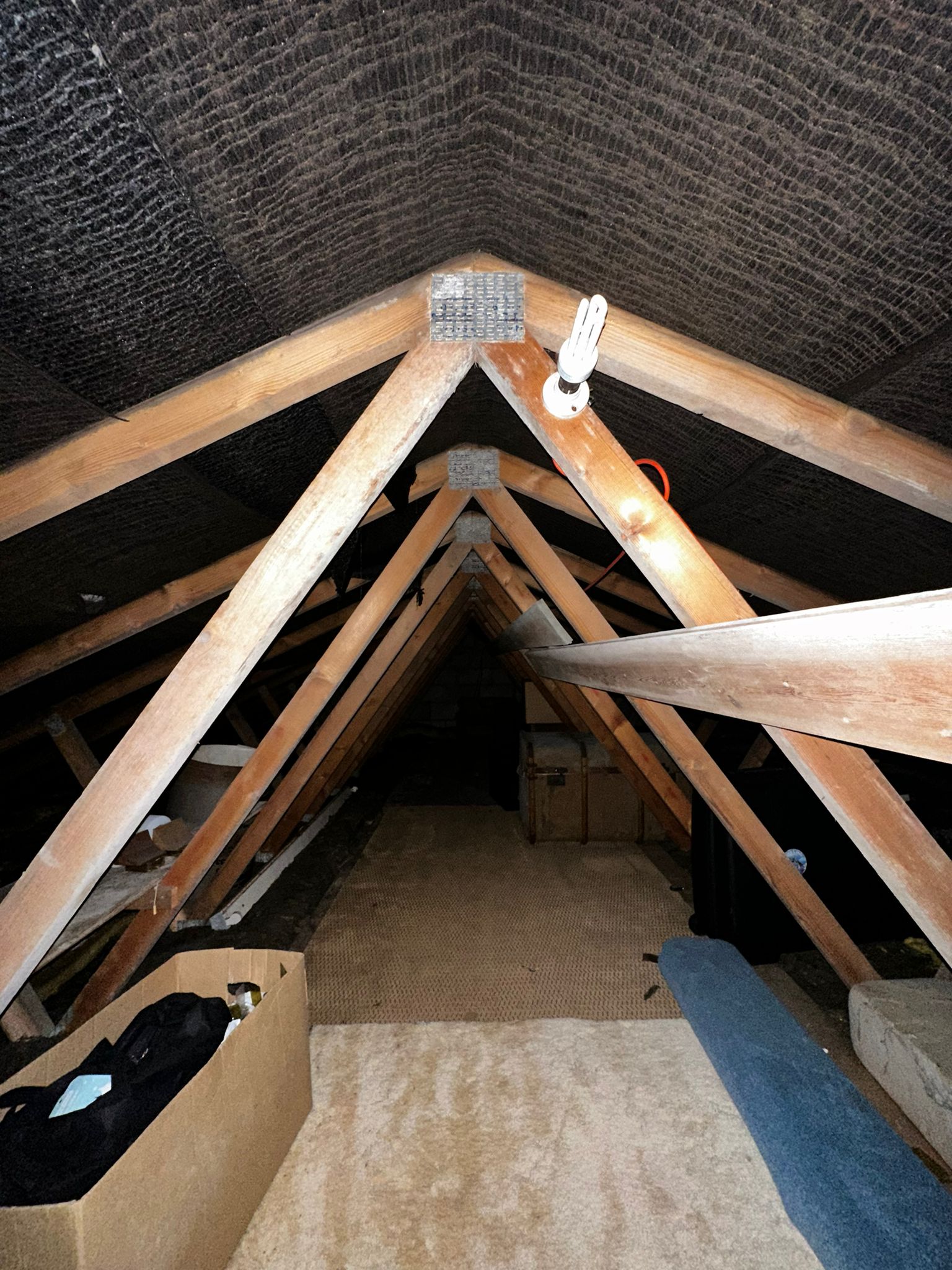
Do you require a Preliminary Roost Assessment in Preston? ProHort conduct Preliminary Roost Assessments (PRA) across the UK. These are also known as a bat scoping survey, however they are an ecological survey that aim to identify whether a site provides roosting or suitable habitat for bats. A preliminary roost assessment in Preston is stage one in the bat surveying process and is often requested by the local planning authorities in the likelihood that the new development will affect bats. Preliminary Roost Assessments in Preston can be undertaken during daylight hours and at any time of year.

What Happens Following my Preliminary Roost Assessment in Preston?

If no evidence of bats is found and the building or structure is not suitable for bats, then a preliminary roost assessment is all that will be required.

However, if evidence of bats is found or if the building or structure is suitable for bats, the next stage is to have a bat emergence survey carried out. Please note, these need to be undertaken between May and September. An emergence survey records the level of bat activity, undertaken at night that allows our surveyors to monitor and record whether or not bats fly out of the building or structure. If no bats are recorded, then that’s all that required.

Alternatively, if bats are recorded entering and exiting the building then a further survey will be required to assess whether the bats will be affected by the proposed development. In the event that the development is identified as causing damage or disturb to roosting bats then a bat licence will need to be obtained in order to continue with the works.
However, if the development is able to proceed without any damage or disturbance to the areas where bats are roosting, then the development can proceed providing that you follow the recommended precautions.

Contact Us Today for your Preliminary Roost Assessment in Preston:

Do you require a Preliminary Roost Assessment in Preston? Contact us today to book your survey! Please note these surveys are weather dependant. 

Call us on 01782 479 479 or email us at [email protected] our friendly office team will get back to you within the hour.

Which Survey Do I Need?

Biodiversity Net Gain Assessment (BNG)

If your build is over 25m² and not a self build you will require a Biodiversity Net Gain Assessment (BNG).

Preliminary Ecological Appraisal (PEA)

All builds need a Preliminary Ecology Appraisal (PEA). This includes any buildings that are being converted.

Preliminary Roost Assessment (PRA)

If demolition is due to take place or if any work is being done on the roof a Preliminary Roost Assessment (PRA) will be required.

Tree Survey

Is the proposed development within 12m of a tree? If so a tree survey will be needed as part of your planning application.

Environmental Impact Assessment (EIA)

If there is a change of land use you will require an Environmental Impact Assessment (EIA).

Landscape & Visual Impact Assessment (LVIA)

If the project is part of a development where there will be a number of buildings a Landscape & Visual Impact Assessment (LVIA) will be required.


How We Can Help

ProHort provide a wide range of horticulture, arboricultural, ecological and landscape development services. The full list of our services can be found here. If you need any more information or are looking for a service not listed here, please contact us directly to discuss our services in more detail, we will be happy to help.  


We Are Social!

Why not check out our Facebook page and connect with us on Linked in?


Top 3 Planning Conditions That Can Delay Your Project – And How to Avoid Them

Planning permission may feel like the major hurdle, but getting the green light is only the beginning. Developers often underestimate the time, cost, and complexity involved in discharging planning conditions – and the delays these can cause.

At ProHort Ltd, we work with developers across the UK to keep projects moving forward. Here’s our guide to the five most common planning conditions that can cause delays – and how to stay one step ahead.

1. Landscaping Scheme

The Delay: Many local authorities require a detailed landscaping plan as part of the reserved matters or as a condition of full planning approval. These aren’t just decorative; they often need to meet biodiversity, screening, and amenity standards.

How to Avoid It: Engage with a landscape consultant early in the process. A well-prepared landscape strategy aligned with local policy will assist your planning application. However please note your landscaping scheme will be one of the last documents to be created as this will incorporate findings from your ecological reports, tree surveys and will need to be based on the most up to date architectural plan. 

2. Ecology Surveys

The Delay: Conditions relating to protected species, habitats, or biodiversity net gain can halt development entirely, especially if surveys are missed or poorly timed.

How to Avoid It: Plan surveys well in advance. Most ecological surveys are seasonal, and missing the survey window can cause year-long delays. ProHort can prepare a survey calendar and manage this process from start to finish.


3. Arboricultural Impact Assessments

The Delay: If trees on-site are protected (TPOs or within a conservation area), councils may require tree surveys and protection plans before construction begins.

How to Avoid It: Commission an Arboricultural Impact Assessment early, ideally at design stage. Our team can liaise with tree officers and create mitigation plans to avoid unnecessary removals or last-minute objections.


What’s the Common Thread?

Most planning condition delays stem from late engagement and poor documentation. ProHort Ltd is here to ensure you stay ahead of the curve – with commercially minded, compliant, and timely solutions.

Whether you’re at the pre-application stage or managing post-permission requirements, our consultants can help discharge conditions quickly, avoid costly standstills, and keep your development on track.

Need Help Navigating Planning Conditions?

Get in touch with our expert team today. We’ll handle the red tape so you can focus on building. 

Call us on 01782 479 479 or email us at [email protected] our friendly office team will get back to you within the hour.

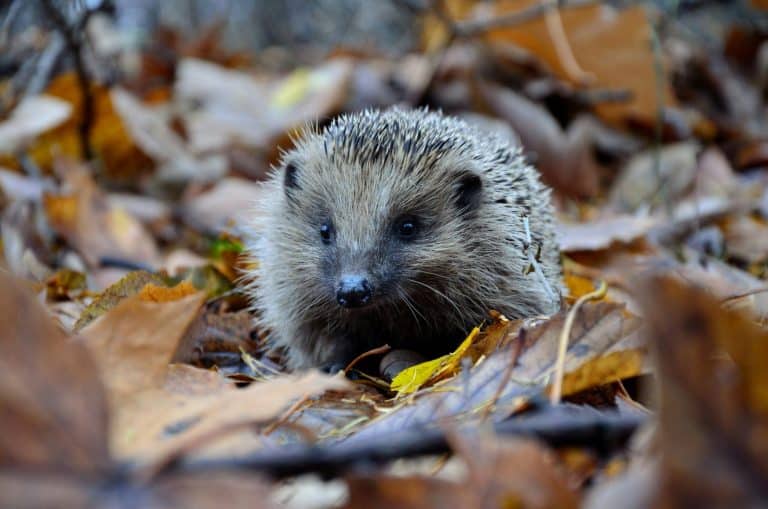
Hedgehogs: The Small Garden Visitor with Big Ecological Impact

At ProHort, our ecological surveys often bring us face to face with some of Britain’s most cherished wildlife — and few are as beloved as the hedgehog. These shy, nocturnal mammals may be small, but they play an outsized role in maintaining ecological balance.

A National Favourite Under Threat

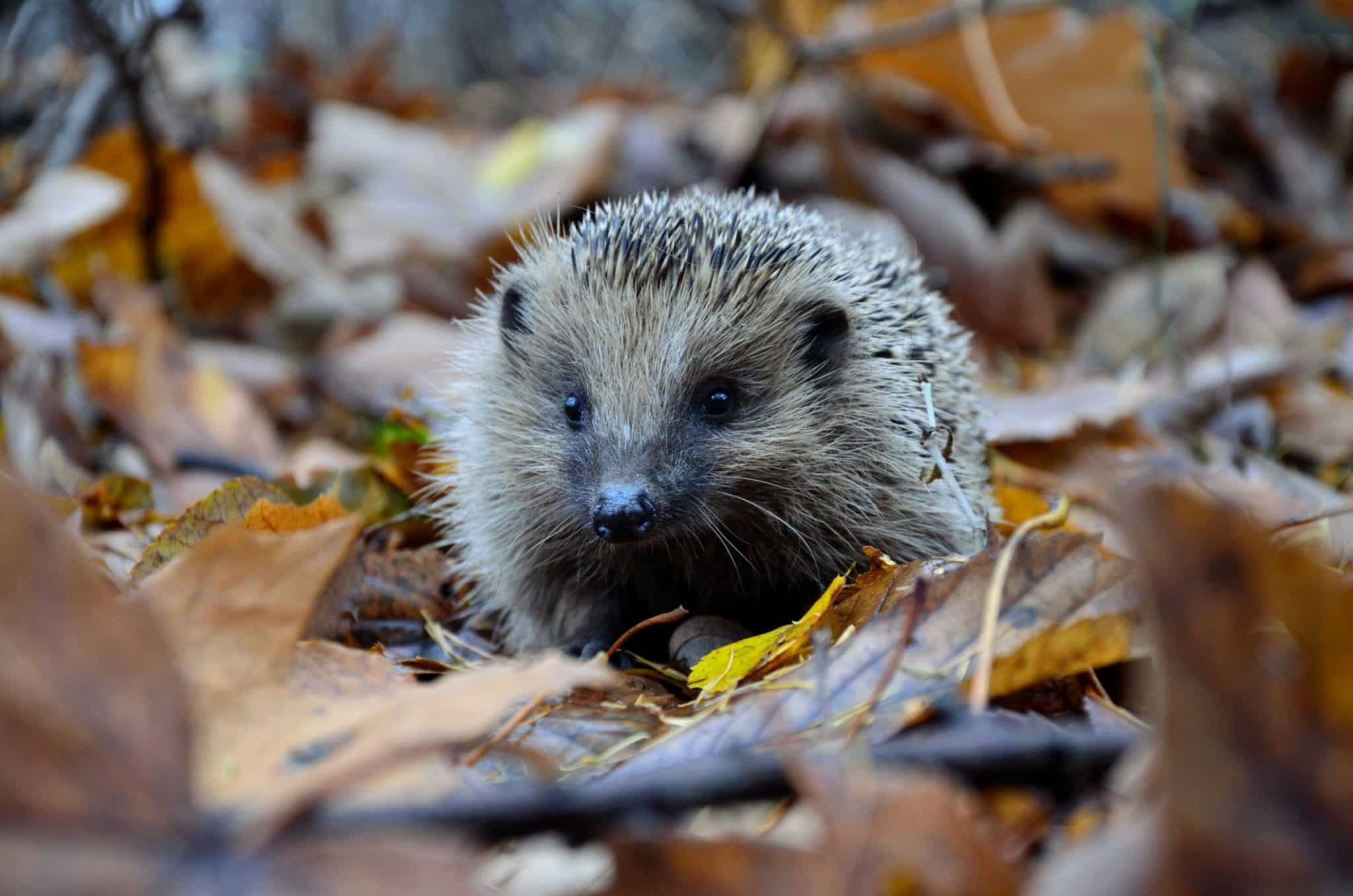
The hedgehog is a true icon of the British countryside. Found in gardens, parks, and hedgerows, these insectivores are natural pest controllers, feeding on slugs, beetles, caterpillars, and other invertebrates.

Unfortunately, hedgehog numbers in the UK have declined dramatically in recent decades. Urban expansion, habitat fragmentation, road traffic, and loss of wild spaces have all contributed to their decline. The species is now listed as Vulnerable to Extinction on the UK Red List for mammals.

Why Hedgehogs Matter:

Aside from their charm, hedgehogs serve a vital ecological function:

  • Natural pest control – reducing reliance on chemical treatments

  • Indicators of habitat health – their presence suggests a thriving, balanced ecosystem

  • Biodiversity connectors – using wildlife corridors and gardens to navigate landscapes

As ecological consultants, we often encounter hedgehogs during evening Bat Surveys, Preliminary Ecological Appraisals (PEAs) and protected species surveys. Their appearance is always a welcome reminder of what we’re working to protect.


How Developments can Help not Hinder

With proper planning, development doesn’t have to come at the expense of hedgehogs. In fact, it can help support their survival. At ProHort, we work with developers, planners, and homeowners to ensure that construction is carried out with ecological responsibility.

Simple measures can make a big difference:

  • Installing hedgehog highways (small holes in fences to allow safe movement)

  • Leaving areas of untamed vegetation for nesting and foraging

  • Avoiding or limiting use of pesticides and slug pellets

  • Including hedgehog houses in landscaping plans

  • Ensuring surveys are conducted when required under planning law

Our Commitment at ProHort:

Every time we encounter a hedgehog during a survey, it reaffirms our commitment to nature-first planning. Our surveys don’t just satisfy planning conditions — they inform better decisions for the long-term health of local ecosystems.

If you’re developing land, planning a project, or just want to understand your responsibilities regarding protected species, we’re here to help.

Contact ProHort today to learn more about our ecological survey services — and how together, we can help protect the wildlife we all care about.