
Do you need a Biodiversity Gain Plan in Long Eaton before you can start work?
Where Biodiversity Net Gain applies, a Biodiversity Gain Plan becomes the legal document that allows work to begin. We put that plan together clearly, correctly and in a format councils approve, so your project moves ahead.
Calls answered in 2 rings, emails replied to within the hour.
Clear guidance before you commit.
Working in partnership with clients to ensure planning approval first time
Industry Leading Standard
We stay with you from first call through to submission.
You’ll need a Biodiversity Gain Plan in Long Eaton if your planning permission includes a condition linked to Biodiversity Net Gain (BNG). The Biodiversity Gain Plan is the document that shows how the required biodiversity improvement will actually be delivered, how it will be maintained, and who is responsible for it.
Without an approved Biodiversity Gain Plan in place, many developments cannot legally begin, even where planning permission has already been granted.
Planning officers in Long Eaton most frequently request a Biodiversity Gain Plan where development interacts with:
Regenerating industrial and canal-side parcels around Toton Sidings, Long Eaton Wharf and the former lace manufacturing zones
Floodplain and wetland systems connected to the River Trent, Erewash flood corridor and the Sawley Cut
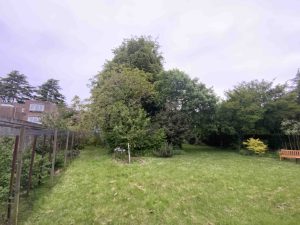
Settlement-edge grassland and plantation strips around Sawley, Wilsthorpe and Chilwell Lane
Linear ecological routes linked to the Erewash Canal, rail corridors, drainage channels and utility easements that support year-round wildlife movement
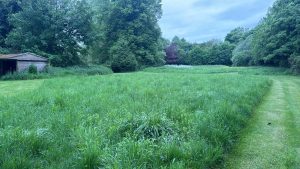
Brownfield plots with natural recolonisation where tall herb, ruderal vegetation and scrub create unexpectedly high baseline values
Long Eaton applications often encounter validation delays when baseline assessments, habitat condition scores or long-term management commitments are incomplete or insufficiently evidenced.
We provide Biodiversity Gain Plan services across Long Eaton, supporting projects throughout the town centre and all surrounding neighbourhoods, including Sawley, Wilsthorpe, Fields Farm, Grange Park, New Sawley, Chilwell Green, and Sandiacre. We also work across nearby villages, outlying settlements and rural areas within the wider Long Eaton and Erewash area, ensuring full coverage for developments requiring Biodiversity Net Gain support.
Planning Authorities across Long Eaton require a Biodiversity Gain Plan because Biodiversity Net Gain is now a statutory requirement under the Environment Act 2021. The Plan provides the legally enforceable route for delivering biodiversity improvements tied to a specific planning permission. Without an approved Plan, the BNG condition cannot be lawfully discharged, and development cannot commence on site.
We produce planning-ready BNG Assessments aligned to Long Eaton’s policy expectations.
Your Biodiversity Gain Plan is structured to meet Long Eaton’s planning requirements and typically includes:
Habitat delivery strategy — how and where biodiversity uplift will be achieved
Mapped habitat parcels — legally reliable plans linking habitats to the approved metric
Optional integration with a Habitat Management & Monitoring Plan (HMMP) where 30-year management is required
Submission-ready planning document — formatted for Local Planning Authority approval
This ensures your BNG condition in Long Eaton can be discharged cleanly and lawfully.
We assess your existing BNG assessment, site layout and planning condition.
Habitat delivery proposals, mapping and management requirements are drafted.
The plan is aligned with your build programme and any wider ecological or planning documents.
We respond to any LPA queries or amendments required.
Ready to Secure Approval and start on site? We’ll confirm what your Long Eaton site needs and help you move forward without unnecessary delay.
Most minor and major applications in Long Eaton require a Biodiversity Gain Plan, particularly where proposals interact with the Trent corridor, Erewash floodplain, canal-side land or brownfield plots with naturalised vegetation. The plan must demonstrate a minimum 10% biodiversity gain and show how uplift will be secured for 30 years.
Proposals in Sawley, Wilsthorpe, Toton Lane, Long Eaton Wharf, Nottingham Road, New Sawley and the canal corridor frequently require formal submissions. Erewash Borough Council pays particular attention to sites within the floodplain or those containing early-stage scrub and wetland mosaics.
Floodplain and canal-side features can hold higher baseline value than anticipated, so accurate condition scoring is essential. Further national guidance on how these habitats are treated within BNG rules is available at: https://www.gov.uk/guidance/mandatory-biodiversity-net-gain
Off-site units may be acceptable where constraints such as flood storage requirements or canal-side easements limit on-site uplift. Evidence must show why on-site delivery is restricted and how the selected off-site area meets metric compliance rules.