
If you are preparing a development in Walsall, understanding the biodiversity value of your site can help you make informed planning and design decisions from the outset. Biodiversity Net Gain (BNG) considers how development affects habitats and, where statutory requirements apply, how the development will deliver measurable improvements to biodiversity.
ProHort provides BNG Assessments and Biodiversity Gain Plan support in Walsall for developers, landowners, architects and planning professionals. We help you understand the existing habitats on your site, assess potential changes resulting from development and plan the information needed to demonstrate how biodiversity gain will be delivered.
Calls answered in 2 rings, emails replied to within the hour.
Clear guidance before you commit.
Working in partnership with clients to ensure planning approval first time
Industry Leading Standard
We stay with you from first call through to submission.
Walsall Council’s planning and environmental information highlights the importance of protecting existing habitats, improving ecological connections and directing biodiversity improvements towards local nature-recovery priorities.
The West Midlands Local Nature Recovery Strategy, published in December 2025, provides a regional framework for nature recovery. Walsall Council has confirmed that it will use the strategy to help determine strategic importance in relation to BNG, guide conservation work within the borough and inform recommendations for off-site biodiversity mitigation.
This is relevant when planning a biodiversity strategy because the location of a proposed habitat measure can matter as well as the type of habitat being created or enhanced. The appropriate approach should be based on the applicable metric rules and the relevant local evidence, rather than assuming that every habitat project has the same strategic value.
Walsall Council also publishes information about its nature-conservation designations, including Sites of Importance to Nature Conservation (SINCs), Sites of Local Importance to Nature Conservation (SLINCs) and Local Nature Reserves. Checking the relevant information early can help identify potential ecological considerations for a proposed development.
The implications will depend on the exact site, the habitats present and the nature of the development. Local designations and nature-recovery priorities should be checked for the individual proposal.
We support projects across all areas of Walsall, including the town centre, Aldridge, Blakenall, Pelsall, Brownhills, Willenhall, Bloxwich, and surrounding borough areas.
A Biodiversity Net Gain Assessment establishes the biodiversity value of a site before development and calculates how the proposed scheme may change that value. It uses habitat information and the applicable statutory biodiversity metric to assess the baseline and compare it with the proposed habitat outcomes.

An assessment can help you understand:
The habitats present within your site boundary and their condition.
The site’s baseline biodiversity value and the relevant biodiversity units.
How the proposed development could affect existing habitats.
Opportunities to retain, enhance or create habitats within the development.
Whether additional off-site biodiversity provision may need to be explored.
For developments in Walsall, it can also be important to check relevant nature-conservation designations and local nature-recovery priorities. These can help inform the ecological considerations for the site and, where relevant, the strategic significance applied within the biodiversity metric.
Starting a BNG Assessment early can help you identify opportunities to retain habitats and incorporate suitable biodiversity measures before the development layout is finalised. The scope of the work depends on the site, the proposed development and the ecological information already available.
A BNG Assessment does not replace other ecological surveys. Depending on the site and the proposed works, separate protected species surveys, habitat assessments or other ecological reports may also be necessary.
Where statutory BNG applies, a Biodiversity Gain Plan explains how the development will achieve the required biodiversity gain. It is a separate stage from the initial BNG Assessment and must be approved by the relevant planning authority before development begins.
The plan brings together the relevant information about the development, the site’s biodiversity baseline and the proposed delivery strategy. It explains how the applicable biodiversity gain objective will be achieved, supported by the relevant metric calculations and details of the proposed habitat measures.
Depending on the project, delivery may involve:
Retaining suitable habitats within the development boundary.
Enhancing existing habitats or creating new ones on-site.
Securing eligible off-site biodiversity units where necessary.
Using statutory biodiversity credits as a last resort, where permitted.
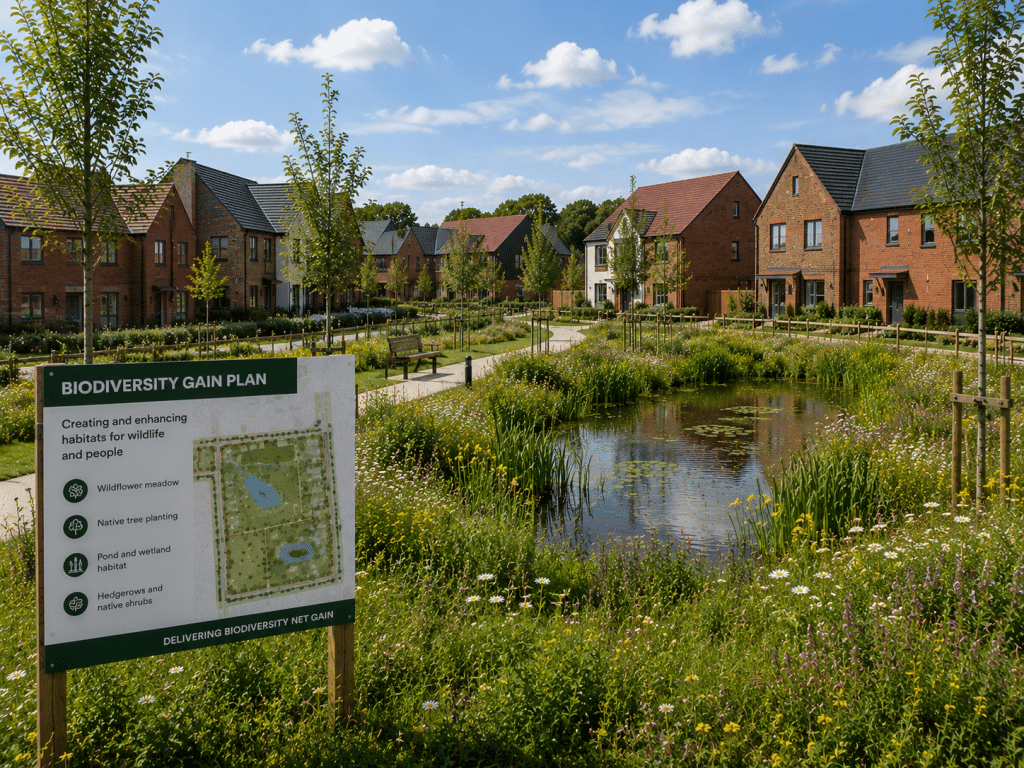
The strategy should follow the biodiversity gain hierarchy and reflect what can realistically be achieved on the site. Significant habitat gains and off-site provision may also require long-term management arrangements and appropriate legal security.
ProHort can help you understand how the Biodiversity Gain Plan relates to your BNG Assessment and what information may be needed as your project moves through the planning process.
Walsall’s landscape includes woodland, pools, open grassland, canals, railway corridors and urban green spaces. These features can provide habitats and connections for wildlife across the borough, although their relevance to a particular development must be established through site-specific assessment.
Brownhills Common is a Local Nature Reserve and forms part of the wider area’s important natural landscape. Walsall Council also identifies other designated sites around Brownhills and Walsall Wood, including Shire Oak Local Nature Reserve.
These locations illustrate why development proposals near established green spaces should be considered in their wider ecological context. Depending on the site, it may be necessary to investigate existing habitat features, relevant designations and potential connections with the surrounding landscape.
A nearby nature reserve does not automatically determine the biodiversity value of a development site. The baseline must reflect the habitats actually present within the relevant boundary, while any potential effects on designated sites or protected species may need separate consideration.
Park Lime Pits in Rushall/Shelfield is one of Walsall’s Local Nature Reserves. Woodland and other established habitats can provide valuable features within the borough’s green infrastructure.
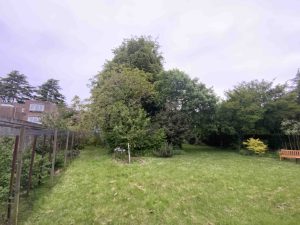
For a development containing mature trees, woodland, scrub or other established vegetation, the assessment should consider the type and condition of the habitats present. Retaining existing habitat features may help inform the design and biodiversity strategy, where appropriate.
The contribution of any retained or proposed habitat to the statutory metric depends on the relevant rules and site-specific evidence. The presence of woodland or trees alone does not establish a particular biodiversity unit value.
Walsall Council identifies several canal corridors among its Sites of Local Importance to Nature Conservation, including the Walsall Canal, Rushall Canal and Wyrley and Essington Canal. The council also lists water-related sites and habitats such as Sneyd Reservoir and Pelsall Common Pond within its nature-conservation information.
These features highlight the variety of habitats found across the borough and the potential importance of water-related ecological connections. Where a development includes a watercourse, canal-side vegetation, ponds or associated habitats, the assessment should establish their condition and consider how the proposed works may affect them.
Where suitable, habitat retention or enhancement can form part of the biodiversity strategy. However, the contribution of a proposed measure must be assessed under the applicable metric rules and supported by appropriate evidence.
Development in Walsall may involve previously developed land, established industrial areas or sites with a mixture of hardstanding and vegetation. Such sites should not automatically be assumed to have negligible biodiversity value.
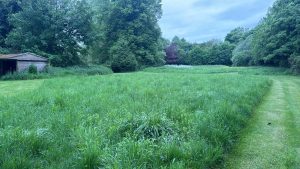
Scrub, grassland, trees and other habitats can establish on land that has previously been used for commercial or industrial purposes. The baseline depends on what is present and the condition of those habitats, not simply the site’s former use.
Assessing these features early can help identify opportunities to avoid unnecessary habitat loss and consider whether suitable habitat creation or enhancement can be incorporated into the proposed layout.
The best approach to BNG depends on the site’s existing biodiversity value, the proposed development and the opportunities available for delivering habitat improvements.
The biodiversity gain hierarchy should guide the strategy. Impacts on habitats should first be avoided, then minimised, before appropriate compensation and other delivery options are considered.
On-site measures may include retaining existing habitats, improving their condition or creating suitable new habitats. General landscaping does not automatically provide statutory biodiversity units: proposed habitats must meet the applicable metric requirements, and their contribution depends on factors such as habitat type, condition and location.
Walsall’s nature-recovery priorities can also help inform consideration of where habitat improvements may deliver wider benefits. Where sufficient gain cannot be delivered on-site, eligible off-site biodiversity units may need to be considered in accordance with the applicable requirements.
The proposed approach should be realistic, supported by evidence and capable of being secured and managed for the required period.
Provide the site address, red-line boundary, proposed layout and any existing ecological information. These details help establish the likely scope of the assessment.
The habitats present are assessed and their biodiversity value calculated using the applicable statutory biodiversity metric and supporting ecological information.
The proposed layout is considered against the baseline to identify habitat losses and opportunities for retention, enhancement or creation.
The strategy considers how the applicable biodiversity gain objective can be achieved, following the biodiversity gain hierarchy and taking account of relevant local nature-recovery priorities.
Where statutory BNG applies, the Biodiversity Gain Plan explains how the required gain will be delivered. It must be approved by the relevant planning authority before development commences.
Contact us, and we’ll confirm exactly what your Walsall site requires. We provide a planning-ready, proportionate route forward.
Walsall Council has confirmed that it will use the West Midlands Local Nature Recovery Strategy to help determine strategic importance in relation to BNG and inform recommendations for off-site mitigation. Its relevance to a particular calculation depends on the location, habitat and applicable statutory metric guidance.
Walsall Council publishes information about Local Nature Reserves, Sites of Importance to Nature Conservation, Sites of Local Importance to Nature Conservation, Sites of Special Scientific Interest and other protected sites. Checking the relevant mapping and planning information can help identify potential ecological considerations. The implications depend on the location and nature of the proposed development.
Potentially. Both are identified as Local Nature Reserves in Walsall’s local nature-conservation information. Depending on the site’s location and the potential effects of the proposal, further consideration of nearby habitats, designations or protected species may be necessary. Proximity alone does not establish that a particular restriction applies.
Yes, where the development site contains or affects canal-side habitats or connected ecological features. Walsall Council identifies these canals among its Sites of Local Importance to Nature Conservation. A site-specific assessment is needed to establish the habitats present and consider any potential impacts or suitable enhancement opportunities.
No. Previously developed land can support habitats such as grassland, scrub, trees and other vegetation. Its biodiversity value depends on the habitats present and their condition, rather than the site’s former use alone. A baseline assessment is needed to establish its value.
Walsall’s planning guidance emphasises protecting and enhancing existing habitats and delivering biodiversity gain on-site where possible, with off-site measures considered where needed. The appropriate approach depends on the development, site constraints and applicable planning and statutory requirements. The latest council guidance should be checked for the individual application.
Statutory arrangements generally require significant on-site habitat gains and off-site biodiversity gains to be secured for at least 30 years. The precise legal mechanism and management obligations depend on the type of gain and the arrangements used to secure it.
Useful information includes the site address or location plan, red-line boundary, proposed development layout, existing ecological reports and details of the planning application. If some information is not yet available, an initial discussion can help establish the assessment scope and identify what else may be required.