
Planning-ready BNG Assessments and Biodiversity Gain Plans in Burton-on-Trent, providing accurate biodiversity calculations, practical habitat strategies and ecological support throughout the planning process.
Calls answered in 2 rings, emails replied to within the hour.
Clear guidance before you commit.
Working in partnership with clients to ensure planning approval first time
Industry Leading Standard
We stay with you from first call through to submission.
Biodiversity Net Gain (BNG) is an important consideration for development projects in Burton-on-Trent and across East Staffordshire. Where the statutory BNG requirements apply, development must demonstrate how the required biodiversity gain will be achieved and secured.
Burton-on-Trent has a distinctive ecological setting shaped by the River Trent corridor and its floodplain, with the Trent Valley Washlands, Trent & Mersey Canal, urban greenspaces, trees and areas of woodland contributing to the wider network of habitats around the town. Existing ecological links and habitat corridors can be important considerations when assessing the biodiversity value of a development site.
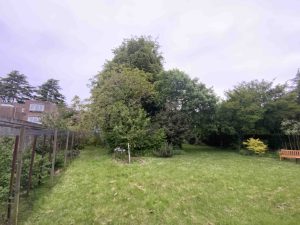
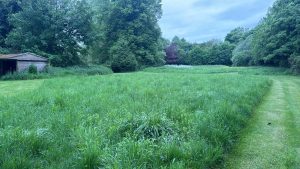
Development sites in Burton can vary considerably, from previously developed and urban sites to larger areas containing grassland, hedgerows, trees, woodland or water-associated habitats. Understanding the site’s existing biodiversity value is therefore an important first step when considering how BNG can be incorporated into a development.
East Staffordshire Borough Council is the local planning authority for development in Burton-on-Trent, with planning requirements applying alongside the national statutory BNG framework.
Considering BNG at an early stage allows biodiversity information to influence site design, habitat retention and opportunities for enhancement or creation before the development proposals become fixed.
We support developments throughout Burton-on-Trent, including Stapenhill, Winshill, Shobnall, Horninglow, Branston, Stretton and nearby communities within East Staffordshire.
A BNG Assessment establishes the biodiversity baseline for a development site and assesses how the proposed development is expected to change its biodiversity value.
Our ecologists assess the habitats present within the site and use the statutory biodiversity metric to calculate the biodiversity units associated with the existing and proposed habitats. The metric considers factors including habitat type, size, condition and strategic significance, as well as other factors affecting created or enhanced habitats.

A Burton-on-Trent BNG Assessment can include:
The assessment provides the evidence needed to understand the site’s biodiversity position and helps establish the most appropriate approach to achieving the required gain.
A BNG Assessment can help establish:
The statutory biodiversity metric can also be used throughout the design process rather than as a one-off calculation. Comparing different design and habitat strategies can help identify opportunities to improve the biodiversity outcome of a development before the final proposals are submitted.
This can be particularly relevant on Burton sites where existing trees, grassland, hedgerows or habitats associated with the wider Trent corridor may contribute to the site’s biodiversity value.
A Biodiversity Gain Plan is separate from the initial BNG Assessment and has a different role within the planning process.
Where the statutory BNG requirements apply, the Biodiversity Gain Plan sets out how the development will achieve the required biodiversity gain. It is submitted to the relevant planning authority after planning permission has been granted and must be approved before development commences.
The Gain Plan brings together the final biodiversity calculations and the proposed habitat delivery measures, providing the information required for the planning authority to determine whether the biodiversity gain condition can be discharged.

A Burton-on-Trent Biodiversity Gain Plan can address matters including:
The exact content and delivery strategy will depend on the development, the habitats present and the route being used to achieve the required biodiversity gain.
The BNG Assessment provides the evidence and calculations that underpin the Biodiversity Gain Plan.
The assessment establishes the site’s pre-development biodiversity value and models the anticipated biodiversity position following the proposed development. The resulting information can then be used to determine how the required biodiversity gain will be delivered.
This creates a clear progression from baseline assessment → biodiversity calculations → BNG strategy → Biodiversity Gain Plan.
For example, the BNG Assessment may identify opportunities to retain existing habitat, enhance areas of lower ecological value or create new habitats within the development. These measures can then form part of the biodiversity delivery strategy set out within the Gain Plan.
Where the required gain cannot appropriately be achieved through the available on-site opportunities, other permitted delivery routes may need to be considered in accordance with the statutory BNG framework.
Although the two services are closely connected, a BNG Assessment and Biodiversity Gain Plan are not the same document.
Purpose: Establishes the site’s biodiversity baseline and calculates the change resulting from development.
Timing: Typically undertaken during the planning and design process.
Focus: Habitat assessment, biodiversity units, baseline and proposed development.
Relationship: Provides the evidence and calculations.
Purpose: Sets out how the required biodiversity gain will be delivered.
Timing: Prepared following planning permission where statutory BNG applies.
Focus: Final biodiversity position, delivery measures and statutory planning requirements.
Relationship: Uses the assessment information to demonstrate how the gain will be achieved.
The BNG Assessment establishes the biodiversity position; the Biodiversity Gain Plan uses this information to demonstrate how the required gain will be delivered.
ProHort's ecology team provides specialist support for development projects requiring ecological assessment and biodiversity planning. Our approach combines habitat assessment with an understanding of how ecological information feeds into the wider planning process.
BNG information needs to be clear, accurate and usable by the wider project team. Our reports and calculations are prepared with the planning process in mind, helping developers, architects and other professionals understand the biodiversity position and the actions required.
BNG is more than a metric calculation. We consider how habitat retention, enhancement and creation can work alongside the proposed development, landscape design and wider ecological constraints.
Considering biodiversity before the development layout is fixed can create more opportunities to retain and enhance existing habitats. Early BNG input can therefore help reduce the risk of discovering biodiversity constraints later in the planning process.
From BNG Assessment to Biodiversity Gain Plan, our ecology team can coordinate related requirements such as PEAs and protected species surveys.
We review the development proposals, available plans and existing ecological information to understand the project’s requirements.
Our ecologists assess and map the habitats within the development site, collecting the information required for the biodiversity metric.
The relevant statutory biodiversity metric is used to establish the site’s biodiversity value and model the anticipated change resulting from the proposed development.
We identify opportunities to retain, enhance and create habitats and consider the most appropriate route for achieving the required biodiversity gain.
The BNG information can be incorporated into the wider development and landscape proposals, helping the project team understand the biodiversity implications of design changes.
Where required, the final biodiversity information and agreed delivery strategy can be used to prepare the Biodiversity Gain Plan for submission following planning permission.
Contact us, and we’ll confirm exactly what your Burton-on-Trent site requires. We provide a planning-ready, proportionate route forward.
Whether statutory BNG applies depends on the type and scale of the development and any applicable national exemptions or thresholds. ProHort can review your Burton-on-Trent project and advise on the ecological information required.
A BNG Assessment establishes the site’s existing biodiversity value, assesses the habitats present and uses the statutory biodiversity metric to calculate the change in biodiversity value resulting from the proposed development.
BNG is best considered early in the planning and design process. An early assessment can identify biodiversity constraints and opportunities before the development layout is finalised.
A Biodiversity Gain Plan sets out how the required biodiversity gain will be achieved, including proposed habitat retention, enhancement and creation measures and any relevant off-site biodiversity provision.
Yes. ProHort can support Burton-on-Trent developments from the initial BNG Assessment through to preparation of a Biodiversity Gain Plan where required.
This depends on the site’s existing habitats, proposed layout and opportunities for habitat creation or enhancement. Where the required gain cannot be achieved on site, other permitted routes may need to be considered.
Yes. The site’s biodiversity baseline and BNG requirements can influence habitat retention, landscaping and opportunities for habitat creation. Assessing BNG early can help integrate these considerations into the development design.
Timescales vary depending on the site’s size, habitats and project requirements. ProHort can review the development and advise on an appropriate programme before work begins.