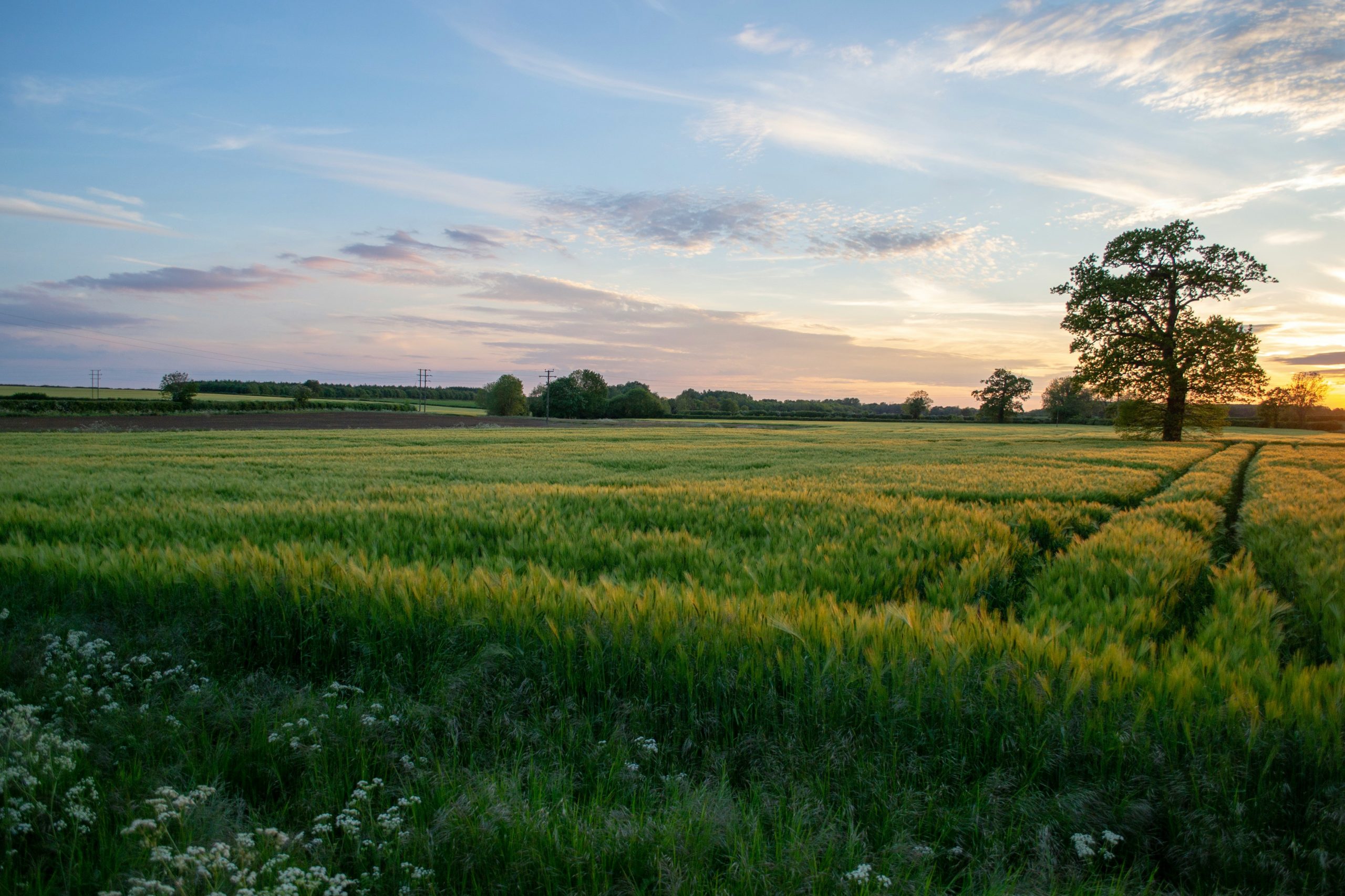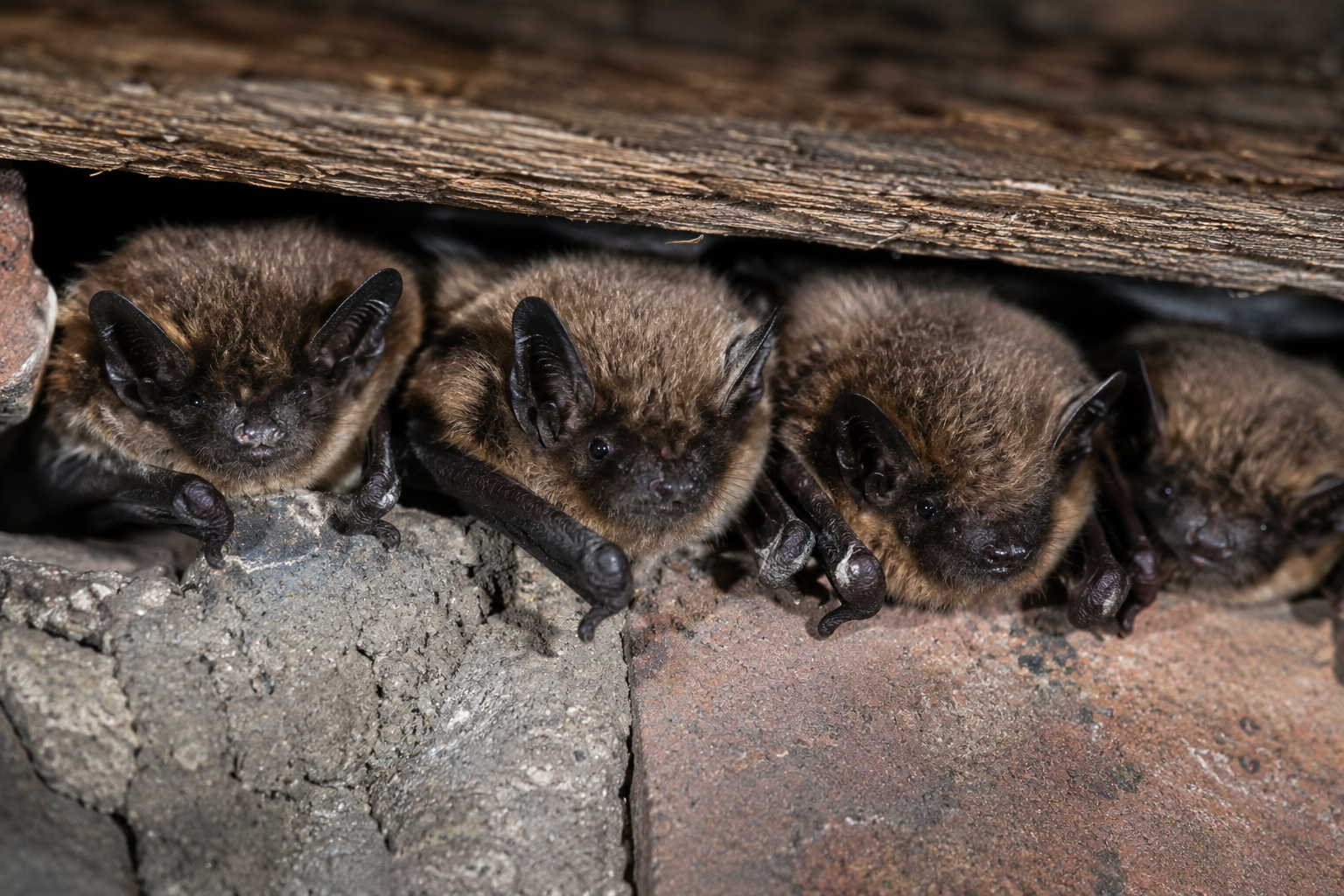
UK garden wildlife in June can be very busy, with many species bustling to find food, raise their young, and breed, making this a sensitive and important time for biodiversity. Species such as swans and cygnets, fox cubs, hedgehogs foraging at night, and tawny owls all play a vital role in maintaining ecological balance.
For those involved in landscaping and grounds management, understanding animals active in June UK is essential for supporting healthy ecosystems. Small changes in maintenance practices, habitat protection, and planting choices can have a significant impact on local wildlife populations and long-term biodiversity.
Swans and Cygnets in the UK: Behaviour During the June Breeding Season
In June, mute swans are a highly visible part of the UK’s waterways, particularly across lakes, rivers, canals, and managed parkland ponds. This period is a key stage in the swans and cygnets UK breeding cycle, as young cygnets continue to grow rapidly under the close protection of both parents.
During early summer, swan families become noticeably more territorial. Adult swans will often defend nesting areas and nearby water margins aggressively, a natural behaviour that helps safeguard cygnets during their most vulnerable stage. While this can appear intimidating, it is an important part of maintaining survival rates within local populations.
Cygnets themselves are still developing in June, typically displaying soft grey plumage before gradually transitioning to the white feathers associated with adulthood. At this stage, they remain heavily dependent on parental guidance for feeding and protection, often staying close together as a family group while moving through shallow water and sheltered edges.
From an ecological perspective, swans contribute to shaping aquatic environments by grazing on submerged vegetation, which helps maintain balance within pond and wetland ecosystems. However, their presence also highlights the importance of careful wildlife-friendly gardening UK and landscape management around water bodies.
For those managing public or private green space, protecting swans during this period involves maintaining buffer zones around nesting sites and avoiding unnecessary disturbance along water edges. Ensuring that aquatic habitats remain clean, undisturbed, and naturally vegetated supports both cygnet development and wider UK wildlife in June biodiversity health.
Fox Cubs in UK Gardens: June Activity and Urban Wildlife Behaviour
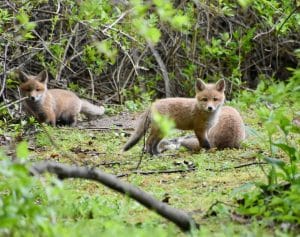
June is an important stage in the annual cycle of fox cubs in UK gardens, as young foxes born in spring begin to emerge more frequently from their dens and explore their surroundings. At this point, cubs are developing essential survival skills such as foraging, social interaction, and navigating local territory under the supervision of adult foxes.
In both urban and suburban environments, foxes have adapted remarkably well to human presence. They often use green corridors, garden edges, railway embankments, and unmanaged spaces as movement routes, making them a regular part of urban wildlife UK ecosystems. During early summer, increased daylight activity can make foxes more visible, particularly in the early morning or evening hours.
Foxes play an important ecological role as opportunistic scavengers and natural controllers of small mammal populations. This helps maintain balance within local ecosystems and supports healthier garden ecosystems UK, particularly where prey species such as rodents and insects are abundant.
As cubs become more independent in June, they begin to explore further from their natal dens, although they typically remain within a familiar territory range. This period is crucial for learning hunting behaviour and social hierarchy within family groups.
Supporting fox populations in managed landscapes is less about direct intervention and more about maintaining suitable habitat conditions. Retaining vegetated boundaries, allowing safe movement through connected green spaces, and avoiding unnecessary disturbance near known den sites all contribute to healthier long-term populations within the wider UK garden wildlife in June environment.
Hedgehogs in Summer UK Gardens: Feeding Behaviour and Habitat Protection
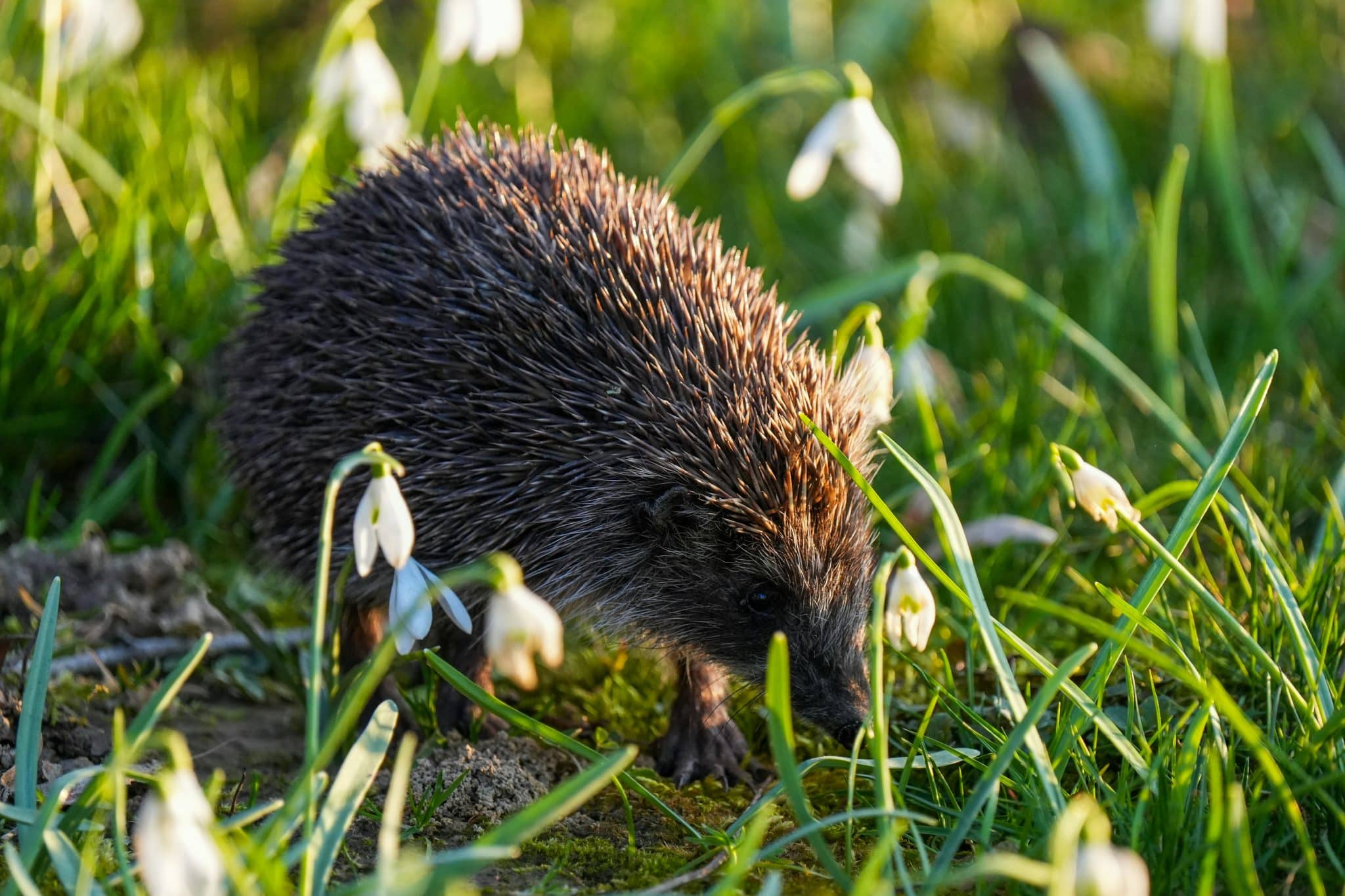
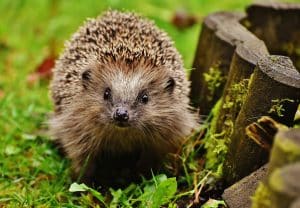
During June, hedgehogs are an active and important part of UK garden wildlife in June, typically emerging after dusk to forage for insects, worms, beetles, and other invertebrates. This period of early summer provides a rich food supply, supporting both adult hedgehogs and any young that may have recently become independent.
As nocturnal animals, hedgehogs rely heavily on undisturbed ground-level habitats to move safely between feeding areas. In many urban and suburban environments, gardens act as vital stepping-stones, forming connected routes through urban wildlife UK corridors that allow them to travel between suitable foraging sites.
Hedgehogs also play a valuable ecological role within garden ecosystems UK, acting as natural pest controllers by reducing populations of slugs and other invertebrates. This makes them particularly beneficial in both domestic gardens and managed green spaces where maintaining natural balance is a priority.
However, modern landscaping practices can unintentionally reduce suitable habitat. Overly tidy gardens, the use of chemical pest control, and fragmented green spaces all contribute to declining hedgehog populations across the UK. Ensuring safe passage between areas is therefore essential for their long-term survival.
Supporting hedgehogs through wildlife-friendly gardening UK approaches involves practical measures such as creating small access gaps in fencing, retaining log piles and leaf litter, and avoiding harmful pesticides. Providing shallow water sources and maintaining areas of dense, undisturbed vegetation can also significantly improve habitat quality.
By protecting hedgehogs during this active summer period, landscapers and land managers contribute directly to the wider health of British wildlife in June, helping to maintain balanced and resilient ecosystems across both urban and rural environments.
Tawny Owls in the UK: Nocturnal Wildlife Activity in June
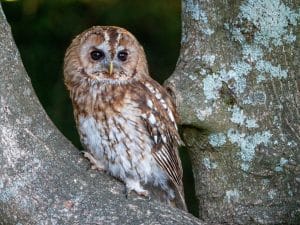
In June, tawny owls remain an important part of UK garden wildlife in June, particularly during the hours of dusk and night when their activity is at its peak. This period often coincides with the later stages of the breeding cycle, where fledged young are becoming more independent but still rely on adult birds for feeding and protection.
Tawny owls are highly effective nocturnal predators, playing a key role in regulating populations of small mammals such as mice, voles, and occasionally larger insects. This natural form of control contributes to healthier and more balanced garden ecosystems UK, particularly in areas with mature trees and connected green corridors.
Their presence is often associated with established woodland, parkland, and rural-edge habitats, but they can also be found in quieter suburban areas where suitable nesting sites and prey availability exist. Mature trees with cavities or dense cover are especially important, as they provide both shelter and breeding locations.
Light pollution and habitat loss remain two of the most significant pressures affecting tawny owl populations in managed environments. Excessive artificial lighting can disrupt hunting behaviour, while the removal of older trees reduces available nesting opportunities across both urban and rural landscapes.
Supporting tawny owls through wildlife-friendly gardening UK and sensitive landscape management involves retaining mature trees wherever possible, reducing unnecessary night-time lighting, and maintaining rough grassland or undisturbed margins that support prey species. These measures help sustain a healthy balance within wider UK wildlife in June ecosystems, particularly during this critical post-breeding period.
How to Protect UK Garden Wildlife in June
June is a particularly important month for UK garden wildlife in June, as many species are actively breeding, feeding, and raising young. During this time, even small changes in landscape management and gardening practices can have a significant impact on local biodiversity and the long-term health of surrounding ecosystems.
One of the most effective ways to support British wildlife in June is by reducing disturbance in key habitats such as hedgerows, water margins, and undisturbed grass areas. These spaces often provide essential shelter and feeding opportunities for species such as hedgehogs, foxes, swans, and nocturnal wildlife like owls.
Maintaining connected green spaces is also crucial within urban wildlife UK environments. Wildlife corridors allow animals to move safely between feeding and nesting areas, reducing the risks associated with fragmented habitats and heavily developed landscapes.
In addition, adopting a more considered approach to maintenance can greatly benefit garden ecosystems UK. Avoiding chemical pesticides, allowing sections of vegetation to grow more naturally, and retaining features such as log piles, leaf litter, and mature trees all help to create more resilient and balanced habitats.
For those working in landscaping and grounds management, incorporating wildlife-friendly gardening UK principles into regular maintenance schedules can make a meaningful difference. Simple actions such as adjusting mowing regimes, protecting nesting areas during peak breeding season, and preserving water-edge vegetation all contribute to healthier ecosystems.
By taking a more mindful approach during this critical summer period, it is possible to support a wide range of species while still maintaining functional and well-managed outdoor spaces. In doing so, we help ensure that UK garden wildlife in June continues to thrive alongside carefully managed landscapes for years to come.