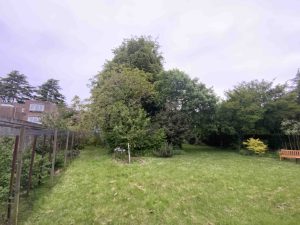
Do you need a Biodiversity Gain Plan in Cornwall before you can start work?
Where Biodiversity Net Gain applies, a Biodiversity Gain Plan becomes the legal document that allows work to begin. We put that plan together clearly, correctly and in a format councils approve, so your project moves ahead.
Calls answered in 2 rings, emails replied to within the hour.
Clear guidance before you commit.
Working in partnership with clients to ensure planning approval first time
Industry Leading Standard
We stay with you from first call through to submission.
In simple terms, you’ll need a Biodiversity Gain Plan for your Cornwall site if your planning permission includes a condition linked to Biodiversity Net Gain (BNG). The Biodiversity Gain Plan is the document that shows how the required biodiversity improvement will actually be delivered, how it will be maintained, and who is responsible for it.
Without an approved Biodiversity Gain Plan in place, many developments cannot legally begin, even where planning permission has already been granted.
In Cornwall, Biodiversity Gain Plans are most often required where development involves:
• Strategic housing growth and mixed-use schemes around key towns and settlement expansions
• Redevelopment of former mining, quarrying and industrial land
• Infrastructure-led projects associated with road improvements and utility schemes
• Greenfield edges, pasture, heathland and woodland interfaces near rural communities and protected landscapes
Applications lacking compliant BNG evidence are frequently delayed at validation or conditioned post-approval.
We provide Biodiversity Gain Plan services across Truro, Falmouth, Penzance, Newquay, St Austell, Bodmin, Redruth, Camborne and all surrounding towns, villages, and rural areas across Cornwall.
Planning Authorities across Cornwall require a Biodiversity Gain Plan because Biodiversity Net Gain is now a legal requirement under the Environment Act 2021 and must be formally secured through the planning system. The Plan provides the legally enforceable route for delivering and maintaining biodiversity improvements linked to a specific permission. Without an approved Biodiversity Gain Plan, the BNG condition cannot be lawfully discharged, and development cannot commence on site.
We prepare compliant, planning-ready Biodiversity Gain Plans that meet Cornwall’s policy requirements and keep your BNG on track.
Your Biodiversity Gain Plan is structured to meet Cornwall’s planning requirements and typically includes:
Habitat delivery strategy — how and where biodiversity uplift will be achieved
Mapped habitat parcels — legally reliable plans linking habitats to the approved metric
Optional integration with a Habitat Management & Monitoring Plan (HMMP) where 30-year management is required
Submission-ready planning document — formatted for Local Planning Authority approval
This ensures your BNG condition in Cornwall can be discharged cleanly and lawfully.
We assess your existing BNG assessment, site layout and planning condition.
Habitat delivery proposals, mapping and management requirements are drafted.
The plan is aligned with your build programme and any wider ecological or planning documents.
We respond to any LPA queries or amendments required.
Ready to secure approval and start on site? We’ll confirm what your Cornwall site needs and help you move forward without unnecessary delay.
Yes. Where development falls within the statutory scope of Biodiversity Net Gain legislation, a Biodiversity Gain Plan must demonstrate at least 10 percent measurable uplift compared to the approved baseline habitat value.
Cliff top grassland and maritime habitats can carry higher distinctiveness values within the Biodiversity Metric. The Biodiversity Gain Plan must accurately assess baseline units and ensure habitat proposals are ecologically realistic for exposed coastal conditions.
Yes. Tourism related developments are not exempt unless specific legislative exemptions apply. The Biodiversity Gain Plan must quantify habitat impacts and confirm compliant uplift prior to commencement.
Habitat proposals must account for long term coastal change and flood risk constraints. The Biodiversity Gain Plan must demonstrate that proposed habitats are deliverable and capable of being secured for the statutory period.
Even smaller developments may fall within statutory scope. The Biodiversity Gain Plan must demonstrate measurable uplift and be supported by accurate ecological survey data.
Cornwall Council acts as the Local Planning Authority and is responsible for reviewing and approving Biodiversity Gain Plans prior to commencement.
Planning guidance can be accessed at:
https://www.cornwall.gov.uk/planning-and-building-control/
Yes. Where appropriate, coastal meadow, wetland or sustainable drainage features may contribute to measurable uplift if properly designed and quantified within the Biodiversity Metric.
Where development lies within Areas of Outstanding Natural Beauty, habitat proposals must be sensitive to landscape character. The Biodiversity Gain Plan must demonstrate compliant uplift without conflicting with landscape objectives.
Risks include unrealistic habitat proposals for exposed sites, inaccurate habitat mapping and inconsistency between ecological reports and layout drawings.
ProHort prepares technically compliant Biodiversity Gain Plans tailored to Cornwall’s coastal and rural planning context. We ensure accurate metric modelling, realistic maritime habitat proposals and clear securing mechanisms to minimise approval risk.