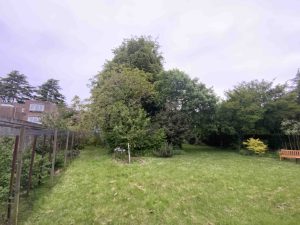
How will species constraints be managed without delaying delivery on your Derbyshire site?
Our Species Action Plans. We define targeted actions to control risk, meet conditions, and keep projects moving.
Calls answered in 2 rings, emails replied to within the hour.
Clear guidance before you commit.
Working in partnership with clients to ensure planning approval first time
Industry Leading Standard
We stay with you from first call through to submission.
If your Derbyshire scheme affects habitats linked to protected or priority species, or if your ecology reports recommend species specific mitigation, a Species Action Plan may be required.
A Species Action Plan sets out what will be protected, what will change on the ground, and how the outcomes will be delivered and evidenced. It is the practical plan that helps your team avoid late restrictions, unclear conditions, and stop start delivery once permission is granted.
Across Derbyshire, Species Action Plans are often required where local habitats mean species constraints are likely to affect planning and delivery.
These are the locations where Derbyshire planners expect a clear delivery plan, not general wording.
Our Species Action Plans cover sites across Derbyshire and surrounding areas. Suitable for residential, commercial and mixed use development, from small edge of village sites to multi plot delivery.
Derbyshire planning authorities use Species Action Plans to meet duties under the Wildlife and Countryside Act 1981, the Habitats Regulations, the NERC Act 2006, and local plan biodiversity policies. Where species outcomes are vague, applications can pick up tighter conditions, extra rounds of review, and delays at discharge when the site team needs certainty the most.
A well scoped plan reduces that risk by turning policy and survey findings into actions a planning officer can sign off and a contractor can follow.
Species Action Plans in Derbyshire are expected to translate survey findings into clear, enforceable action. We scope plans to the species and risks actually present, avoid unnecessary complexity, and set out measures that planners and contractors can follow with confidence.
Every Species Action Plan in Derbyshire is tailored to the site. Key deliverables include:
Integration with wider ecology. Alignment with PEAs, Habitat Action Plans, BNG strategies or HMMPs where required, so documents support each other rather than conflict.
Identification of target species and relevant legal or policy drivers.
Clear evaluation of how construction and occupation affect species.
Proportionate, species-specific mitigation and enhancement measures.
Defined success criteria and responsibilities agreed with planners.
Not sure what you’re expected to do for protected species in Derbyshire?
Our Species Action Plan provides clarity, so nothing is left open to interpretation.
A Species Action Plan (SAP) is a detailed ecological strategy that sets out how specific species will be protected, mitigated, and enhanced during development. In Derbyshire, SAPs are commonly required where protected or priority species are identified, particularly on rural, edge of settlement, or sensitive landscape sites.
A SAP is typically required where ecological surveys identify species that could be affected by development. Derbyshire planning authorities may request a SAP to support planning applications or to discharge ecological planning conditions.
Derbyshire includes a diverse range of habitats, including farmland, woodland, rivers, and areas within or near the Peak District. These environments support protected species, making SAPs essential to ensure development does not result in unacceptable ecological impacts.
SAPs in Derbyshire frequently relate to:
Each SAP is tailored to the species identified during survey work.
A planning ready SAP will generally include:
This ensures the document meets Local Planning Authority expectations.
A SAP provides clear evidence that ecological impacts have been properly assessed and addressed. This helps planning officers make informed decisions and supports the progression of applications where protected species are present.
Developments within or close to the Peak District are more likely to require a SAP due to the ecological sensitivity of the area. Protected species and high value habitats are more prevalent, increasing the need for detailed mitigation and management strategies.
Yes, even small scale developments can require a SAP if protected species are present or likely to be affected. The requirement is based on ecological risk rather than the size of the development.
A SAP should be prepared by a qualified ecologist with experience in protected species and planning policy. This ensures the document is technically robust, policy compliant, and suitable for submission to planning authorities.
Species Action Plans are required by Local Planning Authorities across Derbyshire, including:
These authorities expect ecological submissions to align with national guidance and demonstrate how species will be protected throughout development.