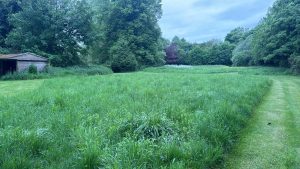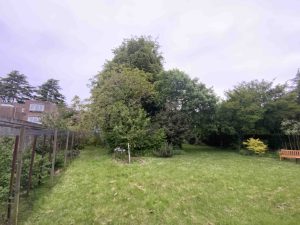

ProHort provides Biodiversity Net Gain (BNG) Assessments and Biodiversity Gain Plans for development projects across Shropshire. We help developers, architects, planning consultants and landowners understand the biodiversity implications of their proposals, calculate habitat changes and plan appropriate measures to achieve the required biodiversity gains.
Calls answered in 2 rings, emails replied to within the hour.
Clear guidance before you commit.
Working in partnership with clients to ensure planning approval first time
Industry Leading Standard
We stay with you from first call through to submission.
Biodiversity Net Gain is intended to ensure that qualifying developments deliver a measurable improvement in biodiversity compared with the site’s pre-development value. Under the statutory framework, the general requirement is at least 10% biodiversity gain for developments in scope, subject to the applicable legislation, exemptions and transitional provisions.
Meeting this requirement involves understanding the habitats already present, assessing how the proposed development may affect them and identifying how the required biodiversity gain will be achieved. This may involve retaining and enhancing habitats on site, creating new habitats or securing appropriate off-site biodiversity gains.
Development proposals in Shropshire may also need to take account of local environmental planning considerations. Shropshire Council’s Environmental Network identifies areas of high biodiversity value and the corridors and stepping stones that connect them. This is a separate policy consideration from the statutory BNG requirement, so meeting the BNG target does not automatically address every ecological or planning consideration.
Considering these factors early can help the project team identify constraints, assess habitat opportunities and make informed decisions before the development design is finalised.
We support projects across Shrewsbury, Telford, Oswestry, Bridgnorth, Ludlow, Whitchurch, Market Drayton, Church Stretton and surrounding areas.
A Biodiversity Net Gain Assessment establishes the biodiversity value of a site’s habitats and calculates how a proposed development could change that value.
Using the applicable statutory biodiversity metric, the assessment considers the existing habitat baseline alongside the anticipated effects of development. This helps establish the biodiversity units associated with habitat loss, retention, enhancement and creation, and informs decisions about how the required gain could be achieved.

For development projects in Shropshire, a BNG Assessment can help to:
The scope depends on the site, the proposed development and the ecological information available. Work may include:
The assessment provides a structured understanding of biodiversity value and helps the project team evaluate the implications of proposed development.
Where statutory BNG applies, a Biodiversity Gain Plan sets out how a development will achieve the required biodiversity gain. It is submitted after planning permission has been granted and must be approved by the relevant planning authority before development commences.
The plan brings together the relevant biodiversity calculations, habitat proposals and delivery arrangements to demonstrate how the biodiversity gain objective will be met.

Depending on the project, the Biodiversity Gain Plan may include:
The appropriate approach will depend on the development design, the existing habitats and how the required biodiversity gain is to be delivered.
Preparing a Biodiversity Gain Plan is therefore not simply a matter of completing a document. It requires the relevant biodiversity information and delivery strategy to be clearly established.
Although the two services are closely connected, they are not the same document.
The two services support different stages of the process. A BNG Assessment helps establish the evidence and calculations, while the Biodiversity Gain Plan explains the proposed delivery of the required biodiversity gain.
Our in-house ecologists have experience supporting planning projects and assessing habitats across a range of development contexts.
We provide clear, structured information designed to be useful to applicants, designers, planners and Local Planning Authorities.
We look beyond the metric calculation to consider how biodiversity measures can realistically work alongside the proposed development.
Engaging an ecologist early can help identify biodiversity considerations before they become costly design or planning issues.
From BNG Assessment to Biodiversity Gain Plan, our ecology team can coordinate related requirements such as PEAs and protected species surveys.
We discuss your proposed development, the site location, the current planning stage and the support you require.
Where required, the site’s habitats are assessed to establish the ecological information needed for the biodiversity baseline.
The applicable statutory biodiversity metric is used to calculate the relevant biodiversity units and assess the anticipated changes arising from the proposals.
We consider options for habitat retention, enhancement and creation, taking account of the site and development design.
The BNG information can be incorporated into the wider development and landscape proposals, helping the project team understand the biodiversity implications of design changes.
Where required, the agreed biodiversity position, metric information and delivery strategy can be used to prepare the Biodiversity Gain Plan following planning permission.
Contact us and we’ll confirm exactly what your site requires and support a planning-ready, proportionate route forward.
No. The statutory BNG requirement applies to qualifying developments, subject to the relevant legislation, exemptions and transitional provisions. The general statutory objective is at least 10% biodiversity gain where the requirement applies. The position should be checked against the specific development and its planning circumstances.
The Shropshire Environmental Network identifies areas of high biodiversity value and the ecological corridors connecting them. It is a separate policy consideration from the statutory BNG requirement. A development may therefore need to consider the Environmental Network alongside its biodiversity calculations and other relevant planning or ecological requirements.
It can provide useful local context. The strategy identifies habitat and species recovery priorities and includes local habitat mapping. Where relevant to a site, this information may help inform opportunities for habitat creation, restoration and connectivity, alongside the statutory biodiversity metric and site-specific ecological assessment.
Hedgerows and connected habitats can be important considerations when assessing a site’s biodiversity value and its wider ecological context. Their characteristics, condition, location and potential effects from the proposed development should be considered as part of the relevant assessment. Shropshire Council also notes that hedgerows may not be fully represented on its Environmental Network map.
Yes. Considering BNG during site selection and design development can help identify habitat constraints and opportunities before the layout is finalised. Early assessment may also help the project team compare options for retaining habitats, creating new habitats and delivering the required biodiversity gain.
Not necessarily. A BNG Assessment focuses on habitat biodiversity value and the calculations needed to assess biodiversity change. Protected species surveys and other ecological assessments may be required separately, depending on the habitats present, the species potentially affected and the proposed development.
Where the statutory BNG condition applies, yes. The assessment establishes the biodiversity baseline and anticipated changes, while the Biodiversity Gain Plan sets out how the required gain will be delivered. The plan must be approved by the relevant planning authority before development commences.
It is generally beneficial to seek BNG advice while the site layout and development proposals are still being developed. This allows habitat constraints, biodiversity calculations and potential delivery options to be considered before design decisions become more difficult to change. The precise timing and scope will depend on the project and its planning requirements.