We provide Japanese Knotweed identification and removal services across Derbyshire including: Derby, Chesterfield, Buxton, Bakewell, Matlock, Swadlincote, Ashbourne, Glossop, Erewash, Heanor, Belper and surrounding towns and rural areas.

In a Japanese Knotweed dispute in Derbyshire?
Our Part 35 report delivers reliable, evidence-based findings suitable for court use in Japanese Knotweed disputes.
Calls answered in 2 rings, emails replied to within the hour.
Clear guidance before you commit.
Working in partnership with clients to ensure planning approval first time
Industry Leading Standard
We stay with you from first call through to submission.
You would need to carry out a report in the following situations:
After buying a property: If Japanese Knotweed is discovered on a site that was previously declared as clear on the TA6 Property Information Form.
Possible non-disclosure: When there is suspicion that Knotweed was not properly disclosed during the conveyancing process.
Supporting legal action: If you need evidence for a claim against a seller, surveyor, or conveyancer concerning Knotweed.
Verification for insurance or legal purposes: To determine the presence, extent, and likely age of Knotweed on a property.
Professional request: When a lender, solicitor, or insurer specifically requires a P35 Report.
Clients we work with:
Solicitors and legal practices requiring independent, court-admissible evidence.
Insurers and loss adjusters evaluating liability, cause, and remediation needs.
Developers and contractors managing planning issues or disputes related to property damage.
Local authorities responsible for compliance, enforcement, or regulatory oversight.
Private clients and property owners seeking impartial, expert guidance in complex situations.
Engaging an expert early helps establish accurate facts, reduce costs, and prevent disputes from escalating.
We provide Japanese Knotweed identification and removal services across Derbyshire including: Derby, Chesterfield, Buxton, Bakewell, Matlock, Swadlincote, Ashbourne, Glossop, Erewash, Heanor, Belper and surrounding towns and rural areas.
On a residential development in Derbyshire, Japanese Knotweed was found along the site boundaries. A comprehensive survey and removal plan were carried out and submitted to the local planning authority. The plan detailed safe eradication, ongoing monitoring, and compliance measures. Approval was granted on first submission, allowing construction to proceed on schedule without incurring extra costs.
We provide a P35 that meet the requirements of our clients, they are Court compliant and help to provide evidence and information about your specific case.
Your P35 plan is structured to meet your requirements and provide the following:
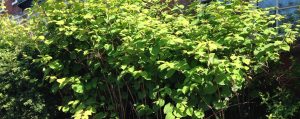
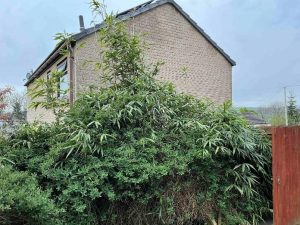
Confirms the presence of Japanese Knotweed and documents the site boundaries along with the Plant’s potential for further growth.
Presents the findings for legal, mortgage, or planning purposes and provides a robust, defensible report ready for submission.
Defines safe, proportionate treatment measures and provides a clear, evidence-based pathway for remediation.
Provides an independent expert opinion for disputes, delivering compliant testimony and evidence that can be fully cross-examined.
Do you need a Japanese Knotweed P35 Report in Derbyshire? Let’s confirm your site’s requirements and keep your project on track.
This is a professional plan that identifies Japanese Knotweed on your site and sets out safe removal or containment measures. It ensures your Derbyshire development complies with legal requirements and helps prevent future property damage.
Yes. A detailed survey is essential to accurately map infestations and plan safe removal or containment.
Yes. Even minor developments may require a removal plan if knotweed is present. Local authorities can impose conditions to protect neighbouring properties and ensure safe development.
This usually means your site has confirmed or suspected knotweed, and the council requires evidence that it will be safely managed. Until a plan is approved, construction or development may be delayed
Most plans can be prepared within 10 working days, depending on site size and complexity. Larger or phased developments may require additional time.
Yes. The survey identifies and maps knotweed, while the removal plan shows how it will be safely eradicated, managed, and monitored over time.