We provide Japanese Knotweed identification and removal services across Cheshire including: Chester, Warrington, Crewe, Macclesfield, Northwich, Winford, Nantwich, Knutsford, Ellesmere Port, Runcorn, Congleton, and surrounding towns and rural areas.

In a Japanese Knotweed dispute in Cheshire?
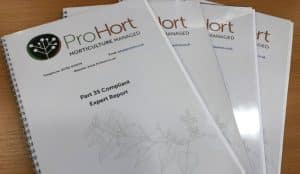
Our Part 35 Expert Witness Report meets all procedural requirements and provides robust, evidence-led support for legal proceedings.
Calls answered in 2 rings, emails replied to within the hour.
Clear guidance before you commit.
Working in partnership with clients to ensure planning approval first time
Industry Leading Standard
We stay with you from first call through to submission.
You would need to carry out a report in the following situations:
Japanese Knotweed is identified after completion, despite being stated as absent on the TA6 Property Information Form
There are concerns about inaccurate declarations or omitted information during the conveyancing process
Formal evidence is needed to pursue or defend a claim against a seller, surveyor, or legal representative
Verification of the knotweed’s existence, spread, and estimated duration is required for legal or insurance purposes
A P35 Report has been requested by a mortgage lender, solicitor, or insurance provider
Clients we work with:
Law firms and solicitors requiring impartial, litigation-ready reporting
Insurance providers and loss adjusters reviewing liability, causation, and remediation
Developers and construction professionals managing planning constraints or damage claims
Local councils responsible for regulation, enforcement, or compliance matters
Homeowners and private clients seeking clear, independent advice in complex cases
Engaging a specialist at an early stage helps clarify the issues, control costs, and reduce the risk of disputes escalating.
We provide Japanese Knotweed identification and removal services across Cheshire including: Chester, Warrington, Crewe, Macclesfield, Northwich, Winford, Nantwich, Knutsford, Ellesmere Port, Runcorn, Congleton, and surrounding towns and rural areas.
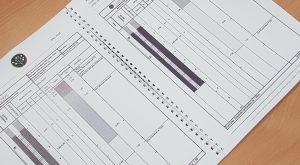
We provide a P35 that meet the requirements of our clients, they are Court compliant and help to provide evidence and information about your specific case.
Your P35 plan is structured to meet your requirements and provide the following:
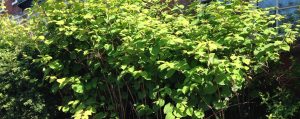
Confirms the presence of Japanese Knotweed and documents the site boundaries along with the Plant’s potential for further growth.
Presents the findings for legal, mortgage, or planning purposes and provides a robust, defensible report ready for submission.
Defines safe, proportionate treatment measures and provides a clear, evidence-based pathway for remediation.
Provides an independent expert opinion for disputes, delivering compliant testimony and evidence that can be fully cross-examined.
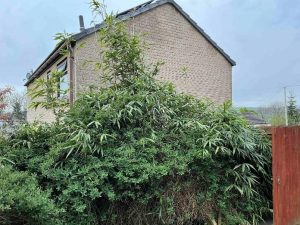
On a residential development in Cheshire, Japanese Knotweed was identified along the site boundaries during pre-construction checks. A comprehensive site survey was undertaken, followed by a detailed removal and management plan submitted to the local planning authority. The plan set out clear eradication methods, ongoing monitoring, and compliance with planning and environmental regulations. Approval was secured at first submission, enabling the development to proceed on programme with no delays or unexpected costs.
Do you need a Japanese Knotweed P35 Report in Cheshire? Let’s confirm your site’s requirements and keep your project on track.
This involves a specialist assessment to confirm whether Japanese Knotweed is present and a clear strategy for its control or removal. The documentation demonstrates that your Cheshire development meets planning and environmental requirements while reducing the risk of future structural or legal issues.
Yes. An on-site survey is essential to accurately locate, measure, and assess the extent of any infestation. This information is critical for designing a safe, compliant, and effective treatment or containment approach.
They can do. Even modest works such as extensions, garages, or boundary changes may trigger the need for a knotweed plan if the plant is present, particularly where neighbouring land could be affected.
This usually indicates that knotweed has been identified or suspected during the planning process. The local authority requires reassurance that it will be properly managed before development proceeds, to prevent spread and future enforcement issues.
In most cases, plans can be completed within around 10 working days following the site survey. Larger developments or sites with multiple infestation areas may require additional time.
A survey confirms whether knotweed is present and records its location and extent. The management or removal plan sets out the long-term method for treatment, monitoring, and compliance with planning conditions.