
Landscape Architecture
Landscape decisions influence planning outcomes and long-term site value.
Strategic landscape architecture integrates visual impact assessment, 3D design modelling and detailed scheme preparation to support both planning approval and successful delivery. LVIA establishes visual context and sensitivity. 3D landscape design communicates intent clearly. Landscaping schemes translate strategy into buildable detail.
We structure landscape input around policy, context and programme requirements from the outset. The result is a coherent landscape strategy that strengthens consent and enhances development quality.
What Service Do I Need?
A Quick Guide
The right landscape service depends on project stage and planning requirement.
Use the guide below to identify the assessment or design support most relevant to your scheme.
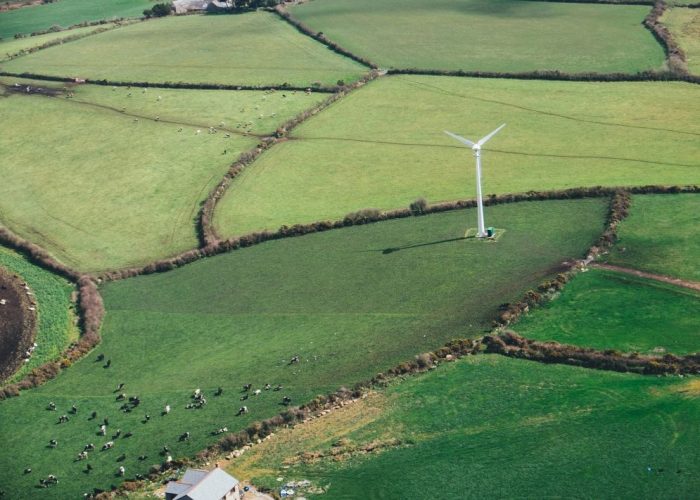
Landscaping Visual Impact Assessment (LVIA)
When: required when development affects views, landscape character or sensitive receptors.
Purpose: tests visual change and landscape effects for planning.
Timing: start early in design; viewpoints must be agreed before modelling.
3D Landscape Design
When: useful when proposals need clear visual communication for planners or clients.
Purpose: shows layout, materials and planting in realistic 3D form.
Timing: best at concept stage or during pre-application discussions.

Landscaping Schemes
When: needed for applications involving external works, planting or visual mitigation.
Purpose: provides the plans and planting detail that support validation and condition discharge.
Timing: typically required before validation or at early design freeze.
Your Next Step
Define your landscape strategy early to strengthen both planning outcome and design quality.
Landscape Architecture FAQs
What is a Landscape and Visual Impact Assessment (LVIA)?
A Landscape and Visual Impact Assessment (LVIA) evaluates how a proposed development may affect landscape character and visual amenity. It considers site context, sensitivity and magnitude of change to inform planning decisions.
LVIA is commonly required for sensitive, large-scale or visually prominent schemes.
When is an LVIA required for planning?
An LVIA may be required where development could significantly alter landscape character or visual receptors, particularly in open countryside, designated landscapes or elevated sites.
Local planning authorities determine the requirement, often referencing national guidance and local policy.
What is included in an LVIA report?
An LVIA typically includes:
Baseline landscape character assessment
Visual receptor identification
Viewpoint photography and visualisations
Assessment of magnitude and significance of effects
Mitigation and design response
The report supports robust, defensible planning submissions.
What is 3D landscape design used for?
3D landscape design models how proposed landscaping will look and function before construction. It improves communication between architects, planners and clients, supporting design clarity and stakeholder engagement.
3D modelling strengthens both planning submissions and delivery coordination.
Can 3D landscape design support planning approval?
Yes. 3D visualisations can help illustrate landscape mitigation, spatial layout and visual integration, supporting clearer understanding by planning officers and consultees.
While not always mandatory, it often strengthens submissions.
What is a landscaping scheme in planning?
A landscaping scheme is a detailed planting and hard landscape proposal prepared to discharge planning conditions or deliver approved mitigation.
It includes species schedules, planting plans, specifications and implementation details aligned with planning approval.
Do landscaping schemes support Biodiversity Net Gain (BNG)?
Yes. Landscaping schemes often contribute to Biodiversity Net Gain delivery by defining habitat creation, planting composition and long-term management proposals.
Design decisions can influence both ecological value and visual integration.
What is the difference between LVIA and an Environmental Impact Assessment (EIA)?
An LVIA focuses specifically on landscape and visual effects.
An Environmental Impact Assessment (EIA) is a broader statutory process that may include landscape, ecology, noise, traffic and other disciplines.
LVIA can form part of an EIA where required.
How early should landscape architecture input be provided?
Landscape input is most effective at the earliest design stages. Early strategy informs layout, visual mitigation and policy alignment before design becomes fixed.
Late-stage assessment can limit flexibility and increase redesign risk.
How does landscape architecture add value to development?
Strategic landscape design enhances visual integration, strengthens planning defensibility and improves long-term site quality.
Clear landscape strategy can:
Reduce visual impact concerns
Support policy compliance
Improve placemaking
Strengthen consent prospects
Enhance market appeal
Landscape architecture supports both approval and long-term development value.