
Clear, planning-ready evidence of biodiversity improvements where Net Gain is not mandatory.
You may be asked for a Biodiversity Enhancement Plan where:
In simple terms, this Plan explains what biodiversity improvements will be delivered, where they will occur, and how they will be achieved — without relying on the statutory BNG framework.
A Biodiversity Enhancement Plan sets out how a development will improve biodiversity beyond baseline, even where statutory Biodiversity Net Gain does not apply. Planning authorities often request one to support validation, justify landscape proposals, or demonstrate policy compliance on smaller or exempt schemes.

The guidance below relates to commonly requested, straightforward enhancement measures. Where bespoke solutions are proposed, the Plan should explain the reasoning and reference relevant guidance or best practice.
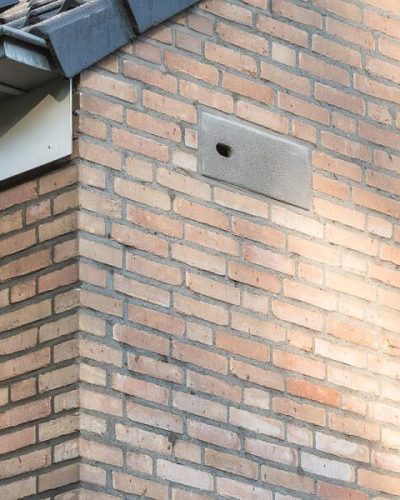
Bird and bat boxes
Biodiversity Enhancement Plans are often requested alongside other biodiversity documents, depending on the scale and stage of development.
BNG is the legal requirement that sits behind many modern planning decisions. It defines what level of biodiversity improvement is required.
In short, BNG sets the target, but it does not explain how that target will be delivered on site.
Once BNG applies, a Biodiversity Gain Plan is the document that unlocks the site start. It shows how the required gain will actually happen.
Without an approved BGP, planning permission often cannot be implemented.
A Biodiversity Enhancement Plan sits outside the statutory BNG framework and is used where planning policy still expects improvement, even if formal BNG is not the route being used.
It provides planning officers with confidence that biodiversity has been properly considered and improved.

We review your site, planning context and any ecology or landscape inputs to confirm what level of biodiversity enhancement is appropriate and proportionate.

We define realistic biodiversity improvements, map where they will be delivered, and align them with planning policy and layout proposals.

The Plan is issued in a submission-ready format, with support provided to address any planning officer or consultee queries.
To support validation and decision-making, a Biodiversity Enhancement Plan will typically include:
| What We Provide | Purpose | Benefit |
|---|---|---|
| Clear plans | Enhancement features clearly shown on layout and elevation drawings. | No uncertainty about locations on site. |
| Feature specification | Simple details of what is being installed and how. | Clear requirements for contractors. |
| Installation guidance | Advice on height, position and orientation. | Features work properly from day one. |
| Management advice | Straightforward guidance to keep features effective. | Long-term value without added complexity. |
| Ecological context | Short explanation of how features support local wildlife. | Clear planning justification. |
| Homeowner information | Brief leaflet or letter explaining features and why they matter. | Better understanding and compliance. |
If planning officers have asked for biodiversity improvements, we’ll confirm the right approach and prepare a clear, proportionate Biodiversity Enhancement Plan that supports approval.
Phone: 0800 494 7479
Email: [email protected]
We cover many areas across England. Click below to find out more.
A Biodiversity Enhancement Plan is a planning document that sets out how a development will improve biodiversity on site through practical and achievable measures. It focuses on enhancements such as planting, habitat creation, and ecological features, helping developments meet local planning policy requirements where statutory Biodiversity Net Gain does not apply.
A Biodiversity Enhancement Plan is prepared by assessing the existing site and identifying realistic opportunities to improve biodiversity. This includes selecting appropriate habitats, recommending species, and ensuring enhancements integrate with the development layout. The final document provides clear, planning ready guidance that can be implemented on site.
The primary objectives are to:
The focus is on meaningful on site enhancement rather than formal biodiversity unit calculations.
For small residential developments, Enhancement Plans typically start from £480 + VAT.
More complex sites generally range from £480 to £950 + VAT, depending on habitat diversity and site layout.
Larger or multi parcel schemes are quoted individually.
The fee typically includes:
The service is focused on delivering measurable ecological uplift aligned with local planning policy.
No.
A Biodiversity Enhancement Plan supports local policy requirements and provides a strategy for improving biodiversity on site.
Biodiversity Net Gain is a statutory requirement under the Environment Act 2021 that involves formal metric calculations and a minimum 10% uplift.
The two serve different regulatory purposes.
An Enhancement Plan will not be sufficient where statutory Biodiversity Net Gain applies. In these cases, a full BNG assessment and associated documentation will be required.
Clarifying planning requirements early helps avoid delays and unnecessary duplication.
Common and effective enhancement measures include:
These measures are tailored to the site to ensure long term success.
Enhancements are site specific but often include:
All recommendations are designed to be practical and deliverable.
Not all developments require a BEP, but many Local Planning Authorities expect biodiversity improvements as part of planning policy.
For example, authorities such as Stafford Borough Council require developments to demonstrate biodiversity enhancement in line with planning guidance:
https://www.staffordbc.gov.uk/planning
Requirements vary depending on location and scale of development.
Most plans are completed within 5 to 10 working days from the date payment was received, depending on site complexity and available ecological information.
Timescales can often be adjusted to meet planning deadlines.
A qualified ecologist should prepare the plan to ensure it is policy compliant, realistic, and suitable for the site.
Professionally prepared plans are more likely to be accepted by the Local Planning Authority without revisions.
Yes, if it is required and not submitted, or if the plan does not meet policy expectations.
A well prepared Enhancement Plan helps ensure planning conditions are discharged efficiently and reduces the risk of delays.
A biodiversity action plan is typically a broader strategic document used at a regional or organisational level.
A Biodiversity Enhancement Plan is site specific and focused on delivering practical enhancements as part of a planning application.
Biodiversity enhancement ensures that development contributes positively to the environment. It supports planning approval, aligns with policy, and helps create more sustainable and resilient landscapes for the future.
